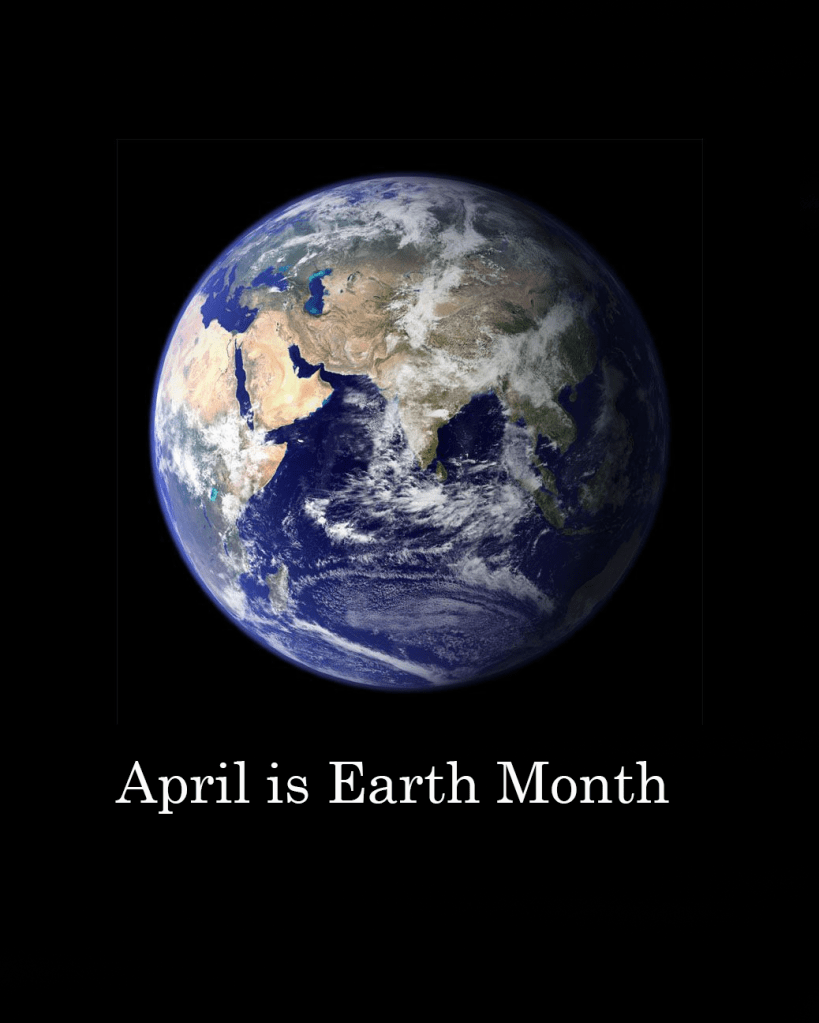
April is Earth Month


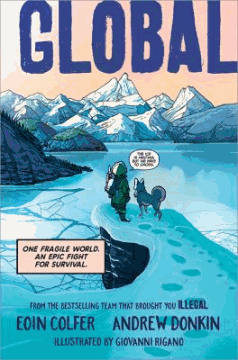
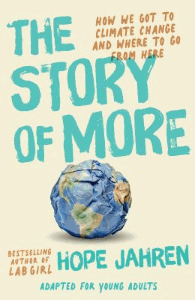
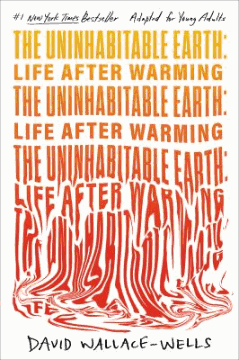
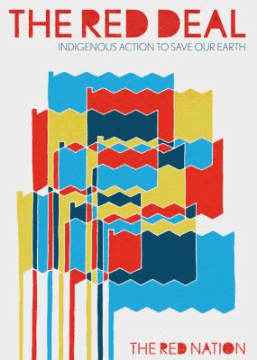
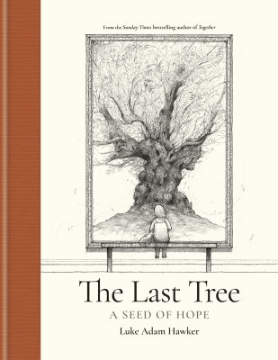
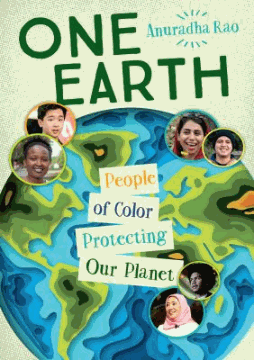
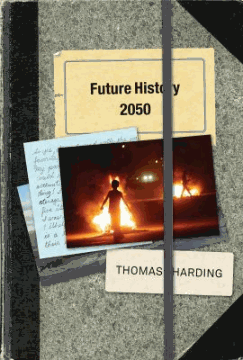
Earth Day is April 22. Join us throughout April in the School Library as we celebrate the Earth all month long! Look for our display of books and other resources related to the Earth, the environment, life, ecology, and issues related to the future of this planet, our planet, our only home in the universe.

Chernobyl Disaster

DAVID HOLT, CC BY-SA 2.0 via Wikimedia Commons

On this date in 1986, in what is now the Ukraine, what was then part of the Soviet Union, the Chernobyl Disaster began. This was the world’s worst nuclear power plant accident, resulting in incredible environmental destruction, hundreds of lives lost in the immediate disaster, and untold thousands of humans deaths as long term consequences unfolded over the years.

Find out more:

International Atomic Energy Agency

UNSCEAR (United Nations)

Chernobyl: National Geographic

World Health Organization

United Nations Chernobyl Disaster Remembrance

Let’s Talk Science

YaleEnvironment360

Wired: Nuclear Power

Greenpeace

Is nuclear power a feasible alternative to fossil fuels? The contribution of the burning of fossil fuels to the crisis of climate change must be accounted for, but are the risks associated with nuclear power too great? Check out the websites and books listed above, and then look for more resources to dig deeper to find out where scientists stand on these issues. Get informed and be a positive part of the decisions that will affect our future.

April is Earth Month at your School Library. Visit us to find out more.

Earth Day

April 22 is Earth Day.

Why do we celebrate Earth Day?

Earth is our home. Earth is the only planet that we know of that has life. Earth is the only planet in the galaxy that is known to have the capacity to support life of any kind, much less human life. Earth is all we have.

There may be other planets in the universe with life. There may even be other planets in the universe that could support human life. However, so far we have no evidence of any such planets.

Even if we were to discover another planet that could sustain human life, we lack the technology to travel to such a planet. We may develop the necessary technology in the future, but we are not close to such a possibility.

In the meantime, we are destroying our home. Our only home.

The scientific consensus is that human actions, specifically the burning of fossil fuels, is responsible for climate change. (source: UN) If left unchecked, this climate change will have catastrophic results that could destroy civilization, result in mass extinctions of plant and animal life, and even threaten the future survival of humanity.

In the incomprehensible vastness of the universe, our comparatively tiny, seemingly insignificant little rock is actually far from insignificant. Our planet is incredible and it is a miraculous gift. We must recognize how precious this place is. We must do whatever it takes to protect it, for all of our sakes.


Find out more: