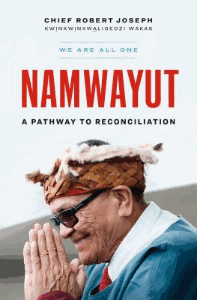
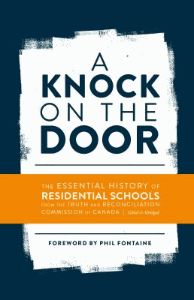
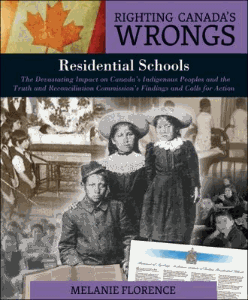
National Day For Truth & Reconciliation

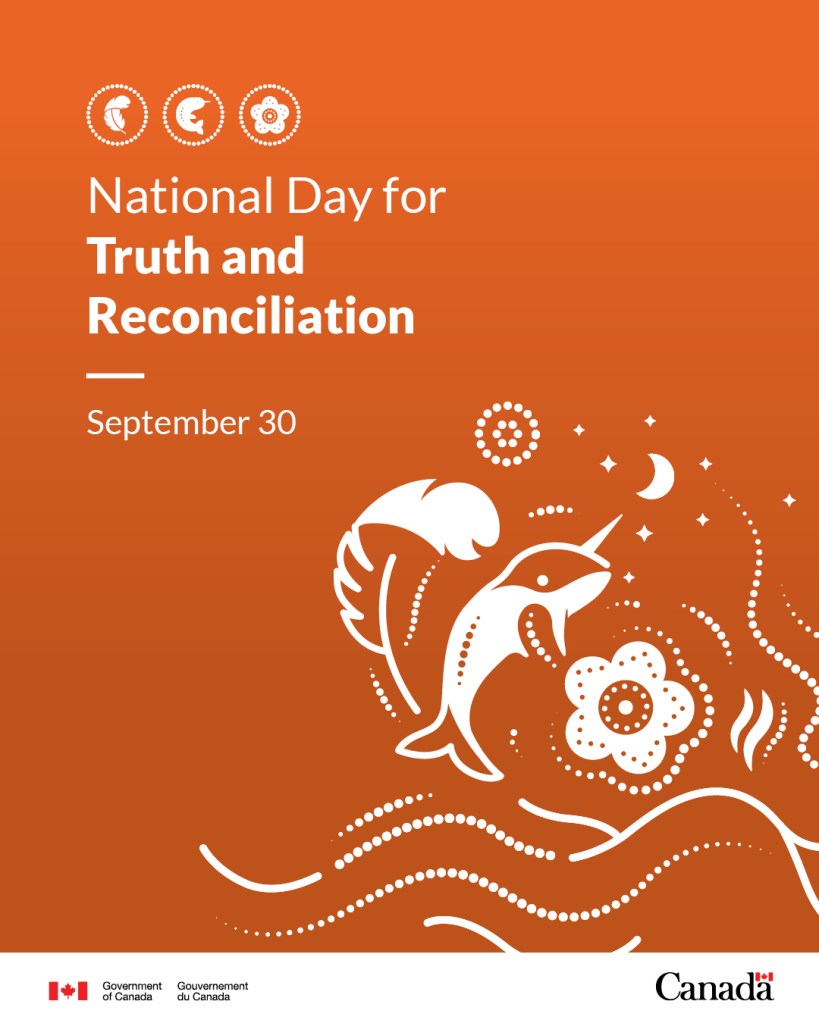
October 30 is Canada’s National Day for Truth & Reconciliation. Even as you enjoy a day off of school, please take time to reflect on the real reason for this day.

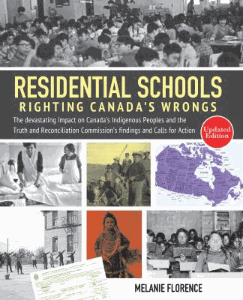
The National Day for Truth and Reconciliation was established in response to Call to Action 80 of the Truth and Reconciliation Commission, which called on the federal government, in collaboration with Indigenous Peoples, to create a statutory holiday recognizing Survivors, their families, and communities while ensuring the history and legacy of residential schools are publicly remembered.
(Canadian Heritage at Canada.ca)

What can you do to observe this day with thoughtfulness and respect? To get started, here a few ideas:

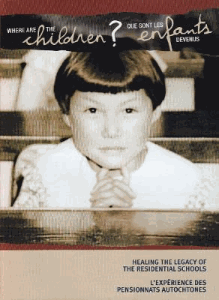
  • Visit the Museum of Surrey’s display, “Where are the Children? Healing the Legacy of Residential Schools.” This exhibit is free and you will find close by in the heart of Cloverdale. Find out more at Museum of Surrey Indigenous Hall
  • Attend the Semiahmoo First Nation to Host 6th Annual Walk for Truth and Reconciliation in White Rock. The walk starts at 11:OO AM. Find out more.
  • Watch the CBC /APTN special coverage of the ceremony on Parliament Hill in Ottawa, starting at 8:00 AM. Or if you are fortunate enough to go to Ottawa, attend in person.
  • Become familiar with the “94 Calls to Action.”
  • Learn about how much progress has been made on the Calls to Action.
  • Resolve to take action in a way that you can.
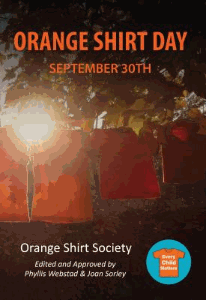
Orange Shirt Day

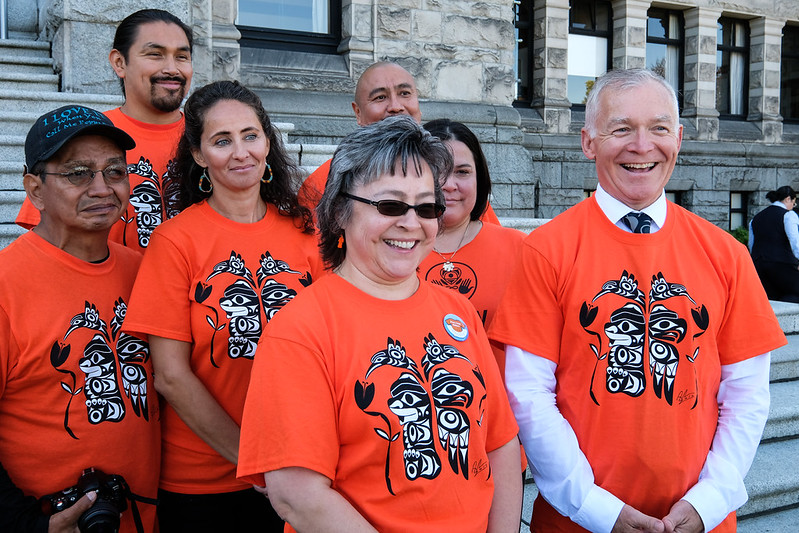
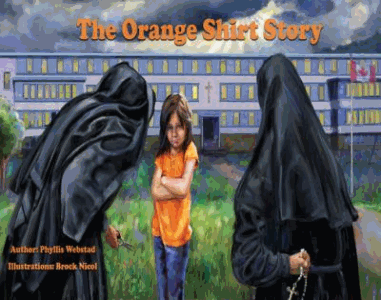
Wear an orange shirt to school on Tuesday, September 29

September 30th is Truth and Reconciliation Day in Canada. Our school will be closed that day as the nation takes time to face the truth of our history and considers a path forward of reconciliation. As a school community, we continue to learn more about Truth and Reconciliation. At Lord Tweedsmuir Secondary, we encourage all students and staff to wear an orange shirt in school on Tuesday, September 29, as well as on September 30th.


The National Day for Truth and Reconciliation was established as the Canadian government’s formal recognition of the importance of Orange Shirt Day, observed on September 30 over most of the last decade, as part of the overall effort of raising awareness and provoking discussion about the impact of Residential Schools in Canada, and finding the path toward reconciliation.

Orange Shirt Day

Wear an orange shirt to school on Friday, September 26

September 30th is Truth and Reconciliation Day in Canada. Our school will be closed that day as the nation takes time to face the truth of our history and considers a path forward of reconciliation. As a school community, we continue to learn more about Truth and Reconciliation. At Lord Tweedsmuir Secondary, we encourage all students and staff to wear an orange shirt in school on Friday, September 26, as well as on September 30th.


The National Day for Truth and Reconciliation was established as the Canadian government’s formal recognition of the importance of Orange Shirt Day, observed on September 30 over most of the last decade, as part of the overall effort of raising awareness and provoking discussion about the impact of Residential Schools in Canada, and finding the path toward reconciliation.

National Indigenous Peoples Day


From the Government of Canada:

“June 21 is National Indigenous Peoples Day. This is a day for all Canadians to recognize and celebrate the unique heritage, diverse cultures and outstanding contributions of First Nations, Inuit and Métis peoples. The Canadian Constitution recognizes these three groups as Aboriginal peoples, also known as Indigenous peoples.

Although these groups share many similarities, they each have their own distinct heritage, language, cultural practices and spiritual beliefs.

In cooperation with Indigenous organizations, the Government of Canada chose June 21, the summer solstice, for National Aboriginal Day, now known as National Indigenous Peoples Day. For generations, many Indigenous peoples and communities have celebrated their culture and heritage on or near this day due to the significance of the summer solstice as the longest day of the year.”

Find out more:

 Crown-Indigenous Relations and Northern Affairs Canada

Indigenous Peoples and Communities

Indigenous arts, culture and heritage

Indigenous Peoples Collection

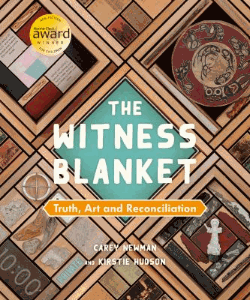
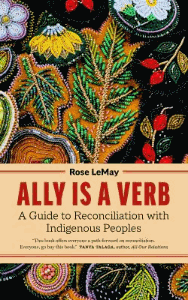
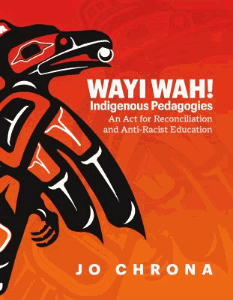
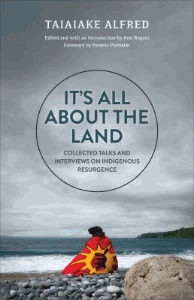
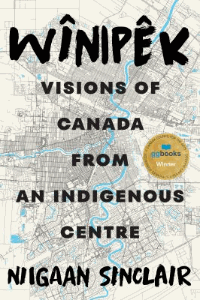
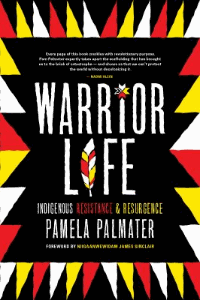
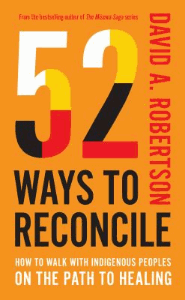
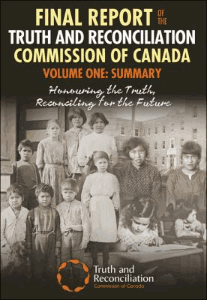
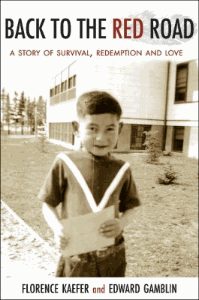
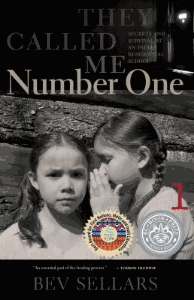
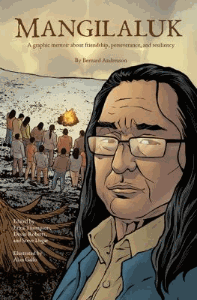
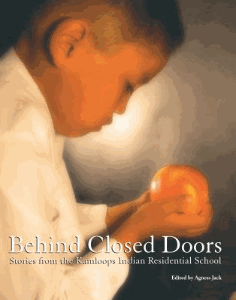
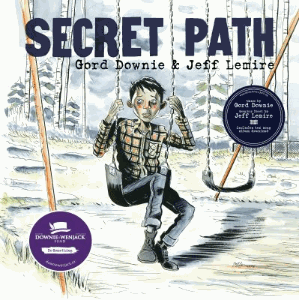
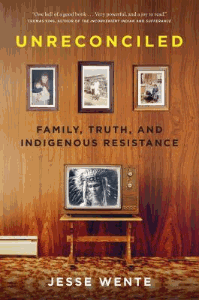
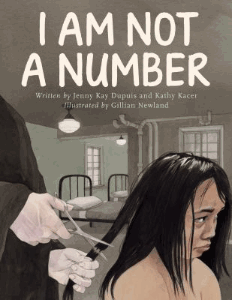
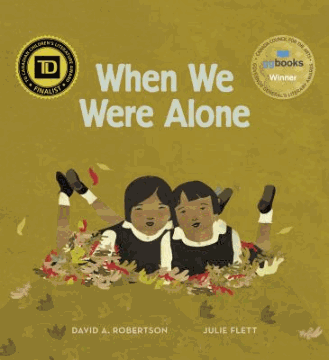
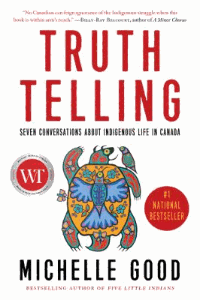
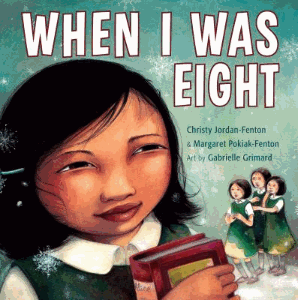
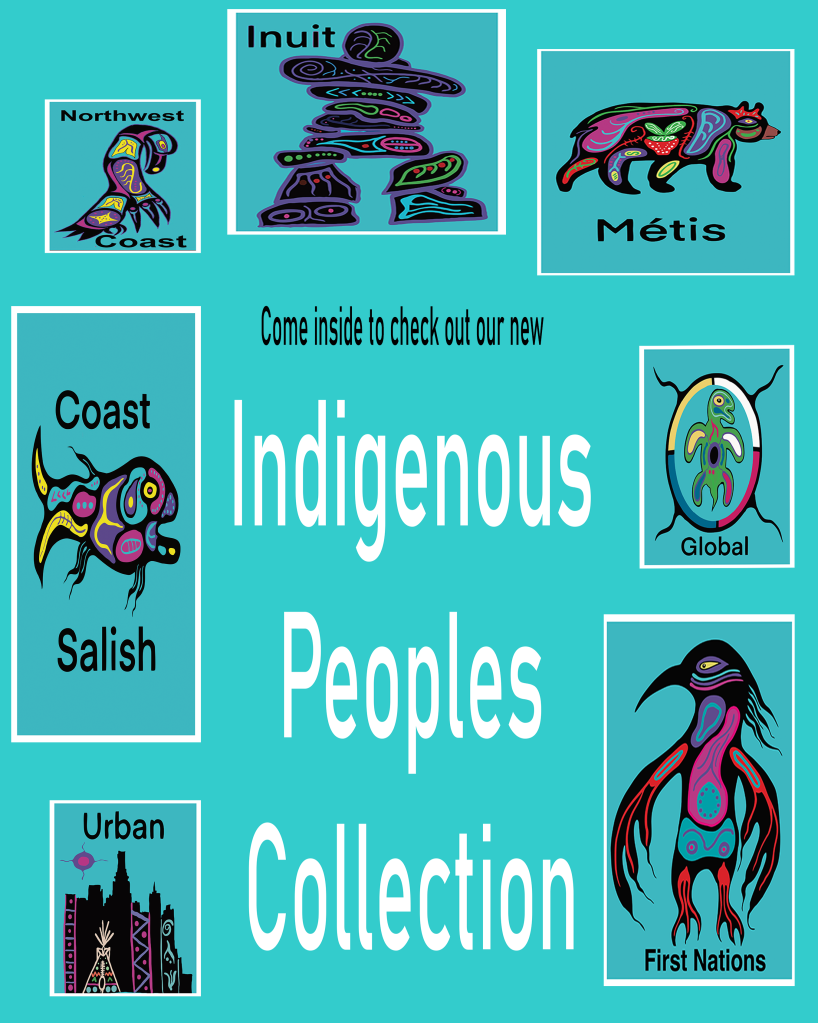
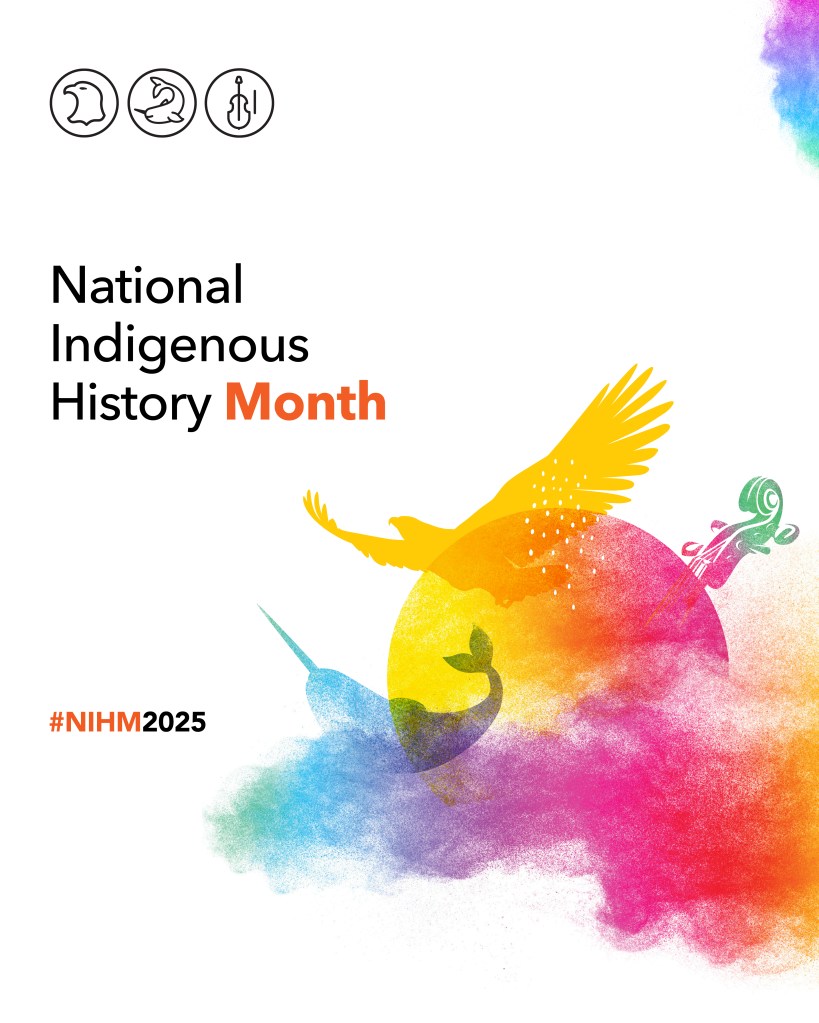
Celebrate National Indigenous History Month in Canada by learning more about First Nations, Metis and Inuit people. Come down to your School Library to browse through our Indigenous Peoples Collection. This section of the School Library is devoted to titles from authentic indigenous writers.


All titles in the Indigenous Peoples Collection are designated with spine labels bearing the “IPC” prefix. Sublocations in the IPC include:

  • Coast Salish
  • Northwest Coast
  • First Nations
  • Inuit
  • Metis
  • Urban
  • Global
  • Own Voice
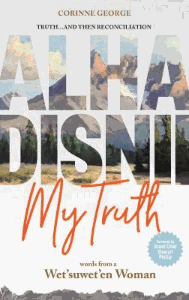
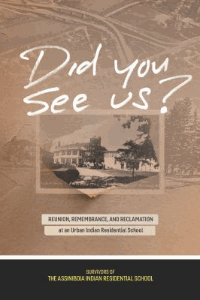
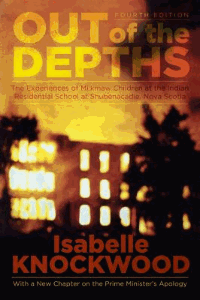
  • Truth and Reconciliation

and more…


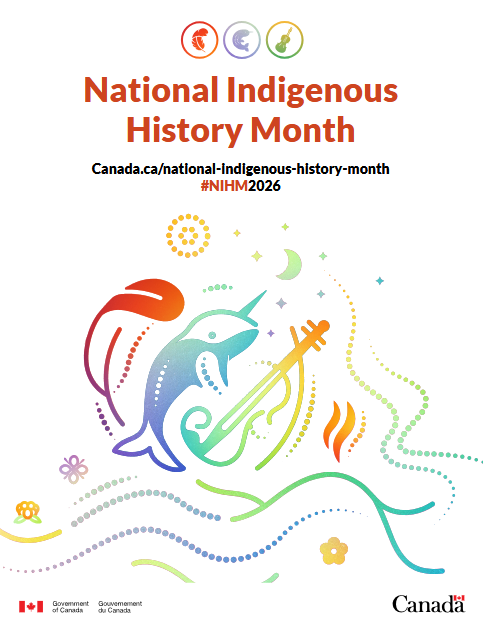
June is National Indigenous History Month in Canada.

Louis Riel

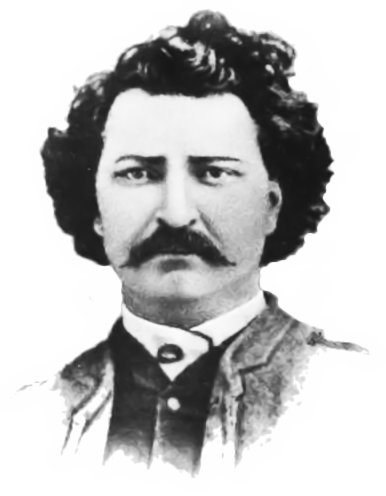
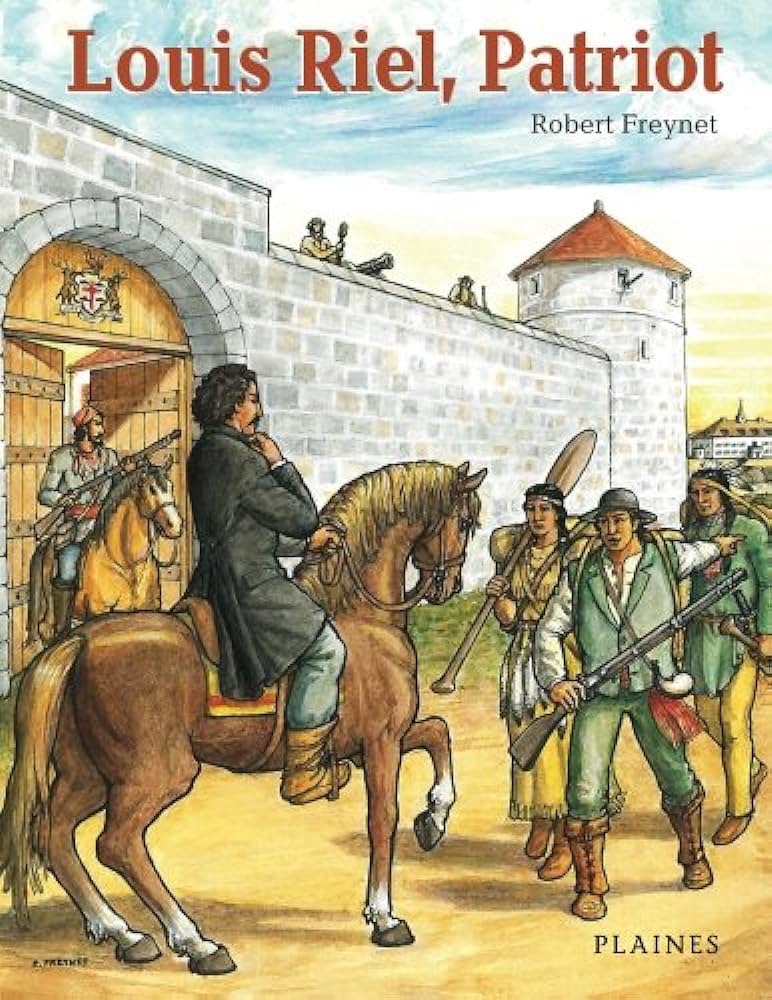
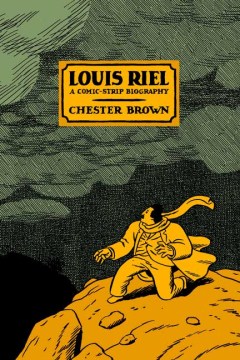
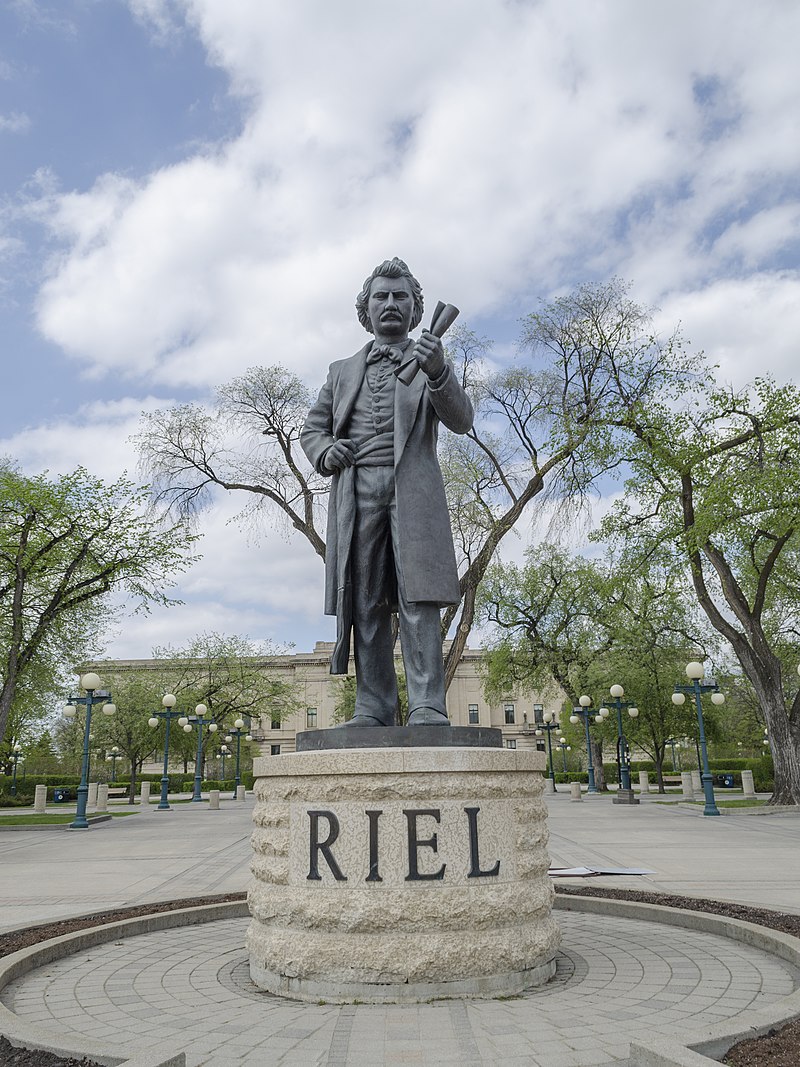
On this day in 1885, Louis Riel was hanged for High Treason by Canadian authorities. Riel was a Metis leader who led the resistance of his people against the Canadian government in the Red River Rebellion of 1869 and the North-West Rebellion of 1884. Few Canadians can come even close to Riel as a divisive figure in Canadian history. Riel was portrayed as an enemy of Canada by the government of John A. Macdonald, a view that was held by many anglophone Canadians for many years, and still by some today. On the other hand, Metis was a hero to the Metis, to indigenous people in general, and to many French Canadians, and anglophone Catholics. To them Riel represented those that would stand up against the elites whose vision of Canada was dominated by white people, English speakers, and Protestants of Anglo-Saxon heritage. Today more Canadians look favourably upon Riel, a complex figure whose life is entwined with so many problematic issues from Canada’s history that still challenge us today.


Find out more:


Indigenous Peoples Collection

Come into the School Library to check out our newly established Indigenous Peoples Collection. This section of the School Library is devoted to titles from authentic indigenous writers.


All titles in the Indigenous Peoples Collection are designated with spine labels bearing the “IPC” prefix. Sublocations in the IPC include:

  • Coast Salish
  • Northwest Coast
  • First Nations
  • Inuit
  • Metis
  • Urban
  • Global
  • Own Voice
  • Truth and Reconciliation

and more…


June is National Indigenous History Month in Canada.