More teachers were caught reading banned books!
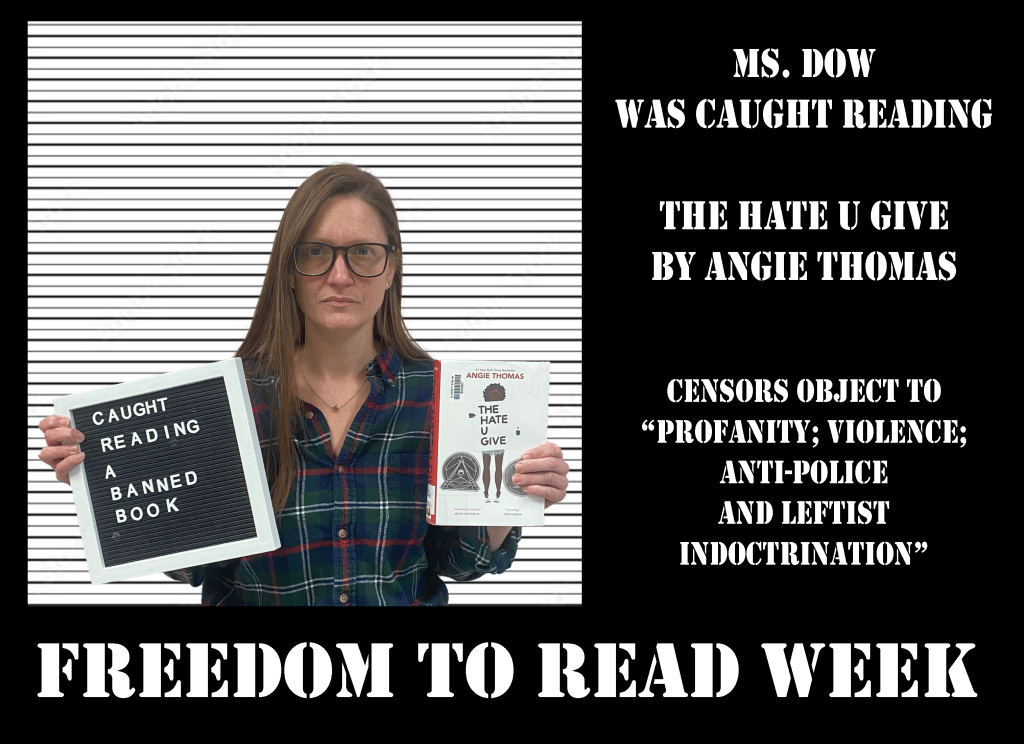
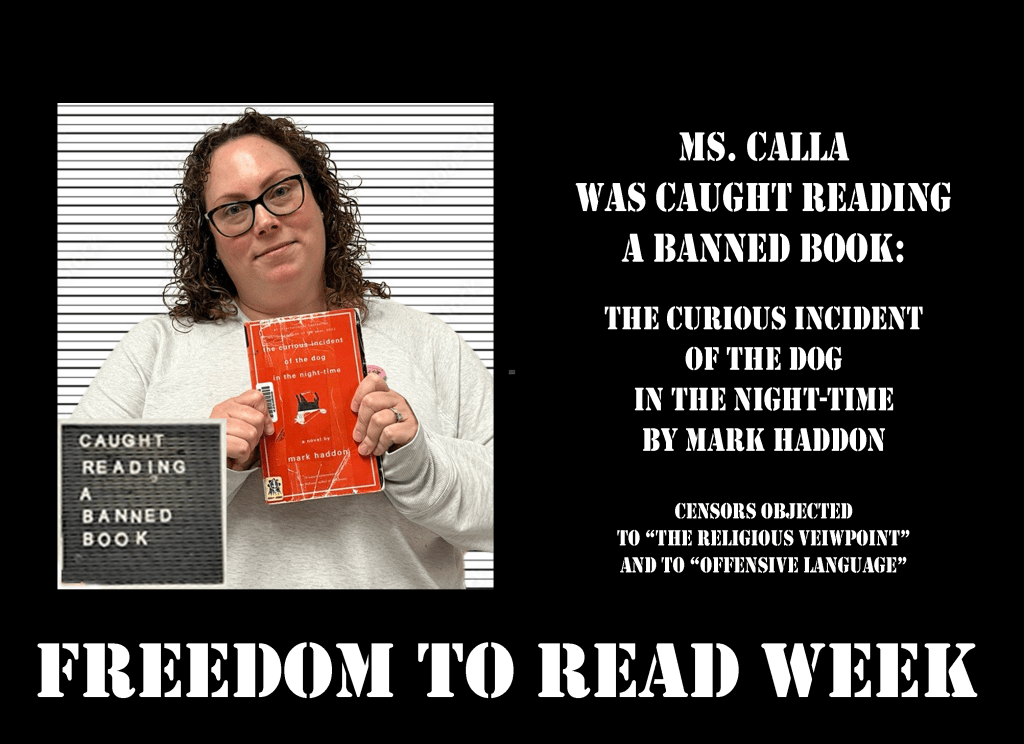
February 23 to March 1 is Freedom to Read Week in Canada
More teachers were caught reading banned books!
February 23 to March 1 is Freedom to Read Week in Canada
In the past few years, the number of challenges to books in both Canada and the United States has exploded. And while sanity prevails in many cases, in more and more places the censors have been successful. In some jurisdictions, hundreds and hundreds of different titles have been pulled from libraries, schools, government offices and other public institutions. In the private sector, bookstores and publishers have reported the increasing pressures of censorship. Writers have commented on the chilling effect this has on intellectual freedom.
Stand up for your rights and freedoms. Democracy is built on upon your right to information. You have the right to choose for yourself.
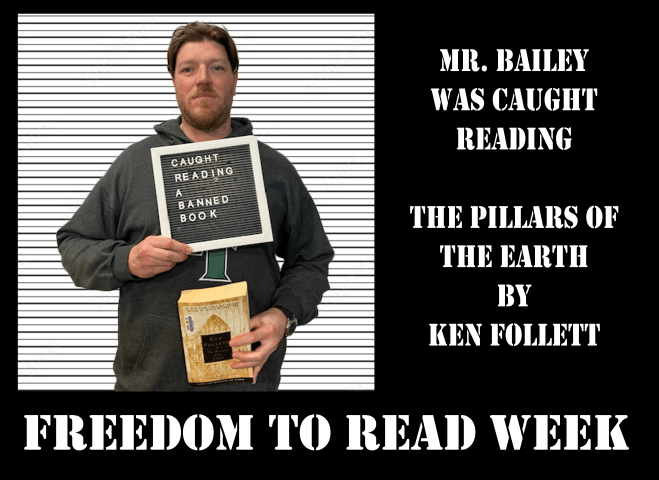
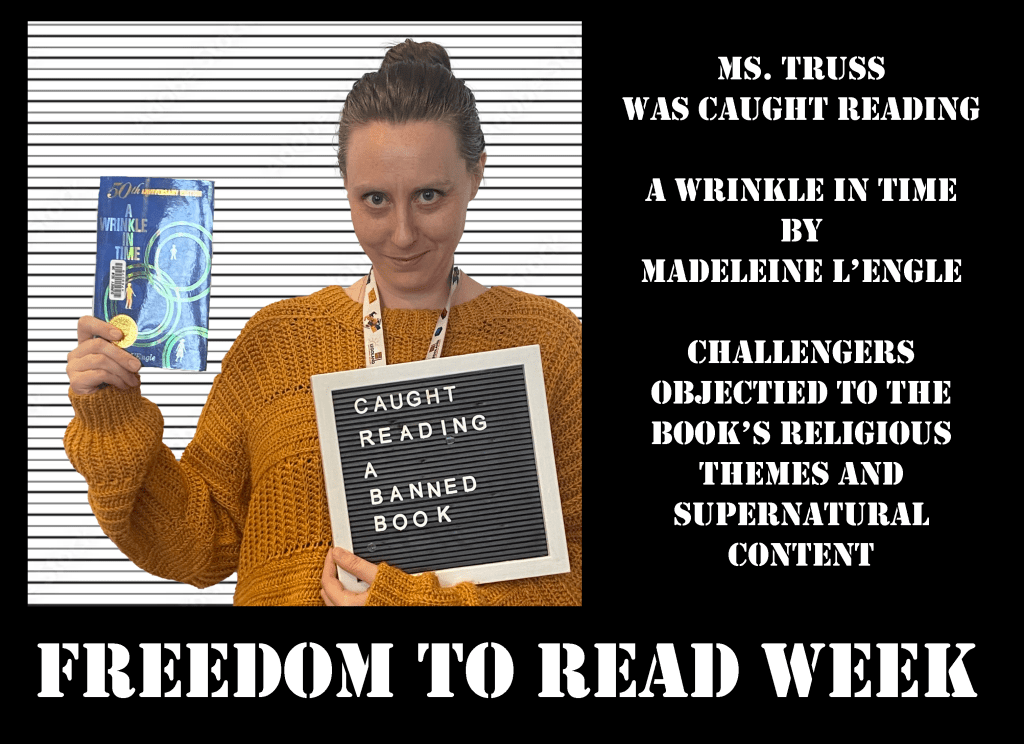
Adults have the right to choose for themselves what they want to read. Adults don’t have the right to choose what other people get to read. Parents have the right– and the responsibility– to teach and guide and discuss with their children about what types of library materials are right or wrong for them. Parents are free to have their opinions on what materials are good or bad for children in general They even have the right to express their opinions about why they think certain materials are good or bad for children. Parents do not have the right to decide for other people’s children what they can or can’t read.
February 23 to March 1 is Freedom to Read Week in Canada
February 23 to March 1, 2025, is Freedom to Read Week in Canada

From freedomtoread.ca: “Freedom to Read Week provides an opportunity for Canadians to focus on issues of intellectual freedom as they affect your community, your province or territory, our country, and countries around the world. Whether you are a librarian, bookseller, educator, student, or member of the community, there are lots of ways you can help mark this annual event.”
Visit your school library in person, or online here at tweedsmuirlibrary.ca, all week long to find out more about Freedom to Read in Canada, how you can celebrate, and how you can join in the ongoing struggle to protect your rights and freedoms.
Learn more about the history of Black Canadians in our province. “The British Columbia Black History Awareness Society (BCBHAS) celebrates the achievements of Black people in British Columbia by creating an awareness of the history of Blacks in B.C., stimulating interest in the contributions of persons of African ancestry to B.C. and Canada today, and celebrating historical and contemporary achievements in the arts, education, government, sports, science etc.” BC Black History Awareness Society.

Visit the virtual museum exhibit: British Columbia’s Black Pioneers: Their Industry and Character Influenced the Vision of Canada
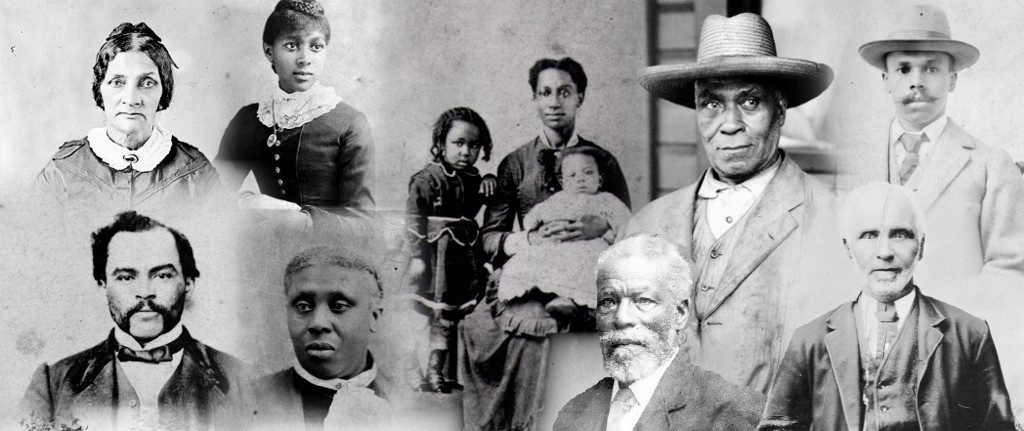
February is Black History Month in Canada. Come down to your school library to learn more about black history in Canada, the African-American experience in the US, and the African Diaspora around the world.


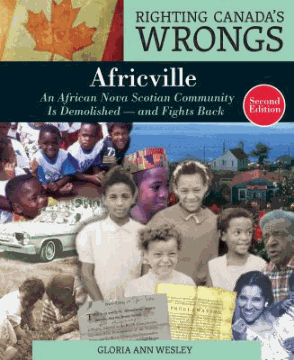

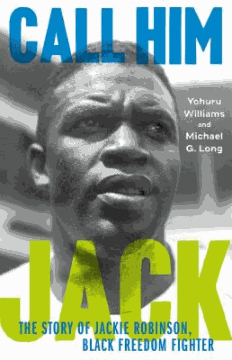
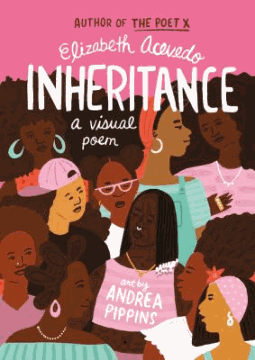
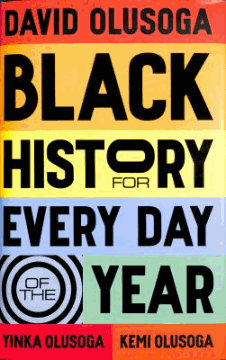
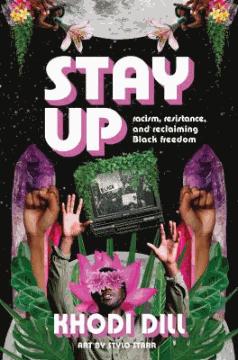
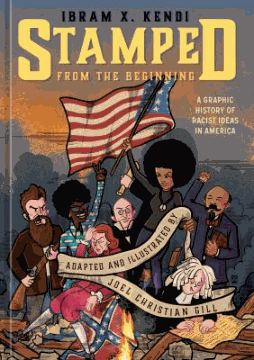
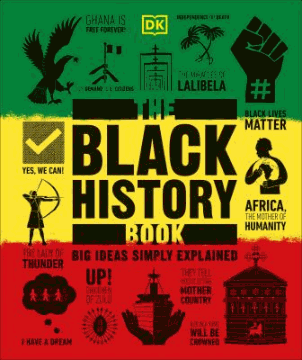
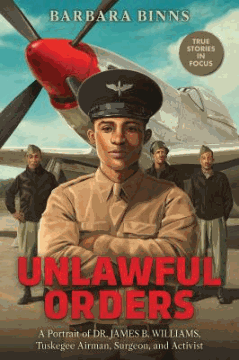

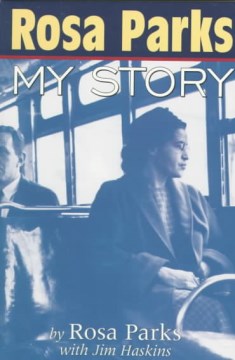
One of the icons of the US Civil Rights movement looked an unlikely hero but proved to be someone whose strength of character belied her appearance. Rosa Parks was born on this day in 1934. In the face of the overt racism of 1950’s America, Rosa famously refused to give up her seat on the bus, as black people were expected to do for white people. She was arrested, and the resulting Montgomery Bus Boycott proved to be one of foundational events of the Civil Rights Movement.
For more on Rosa Parks:
Come down to the School Library to check out our titles on Rosa Parks and other books for Black History Month:


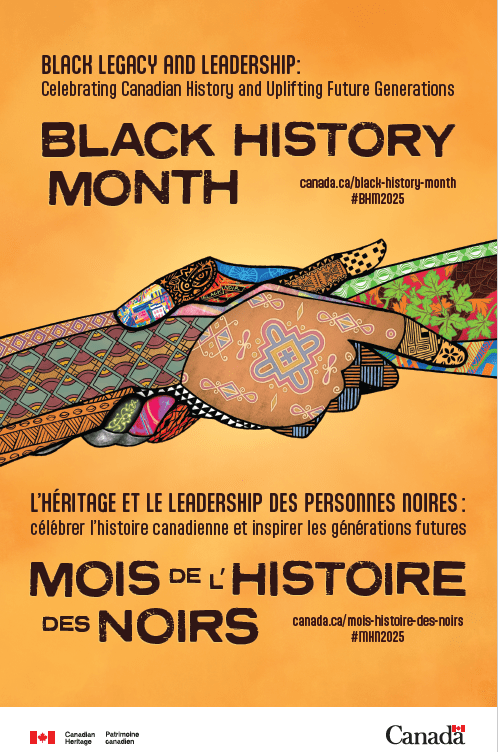
Come down to visit us in person at your School Library– and check back on this site– for more information about Black History in Canada.
 Lord Tweedsmuir Secondary School Library