Earth Day is celebrated all over the globe, every year, on April 22. In your School Library, we are celebrating our beloved planet all month long! Visit us in person, or come back here online, to find out more.
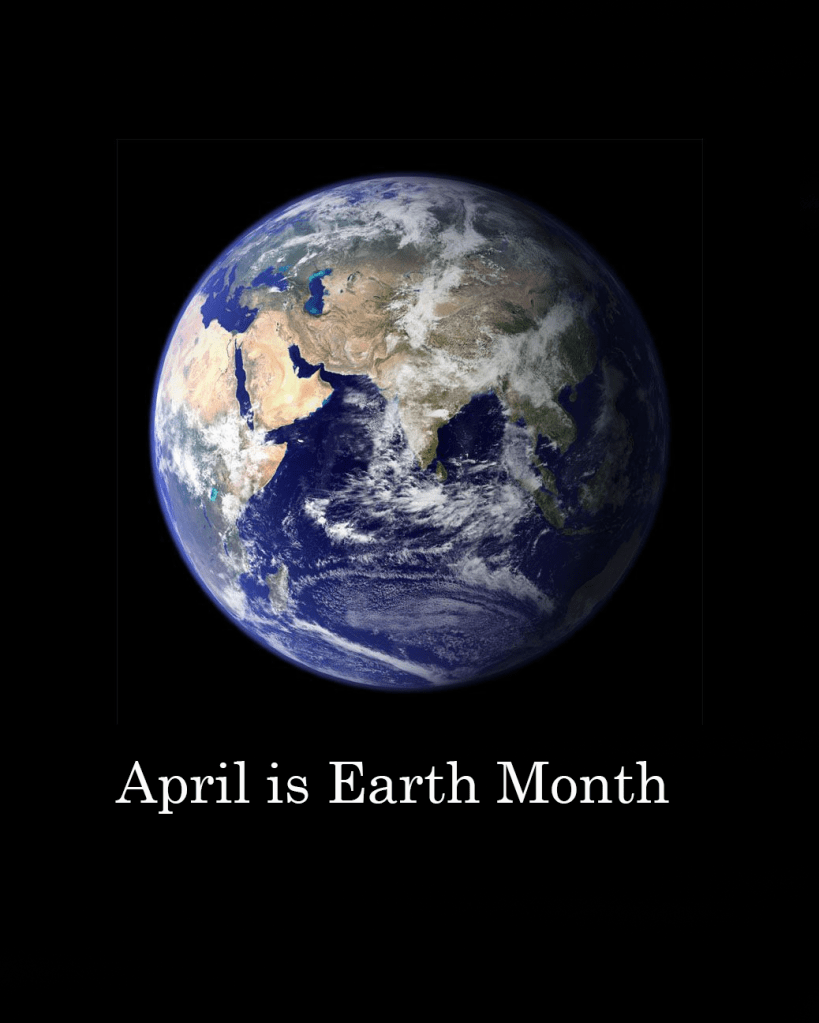
Earth Day is celebrated all over the globe, every year, on April 22. In your School Library, we are celebrating our beloved planet all month long! Visit us in person, or come back here online, to find out more.
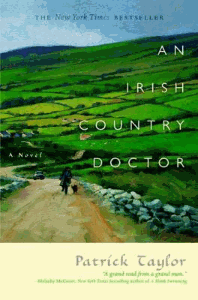
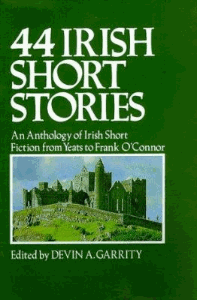
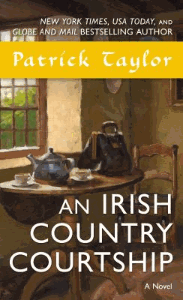
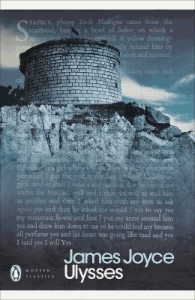
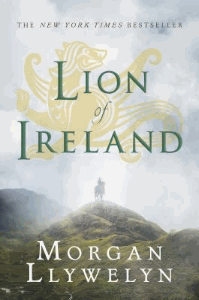
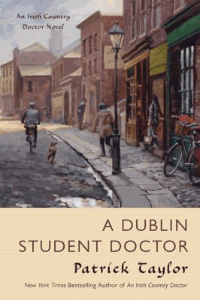
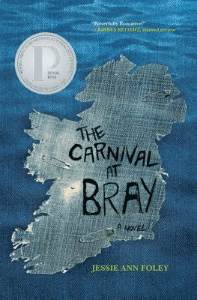
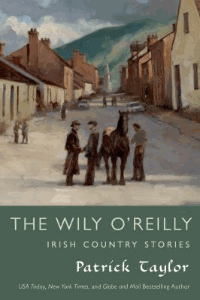
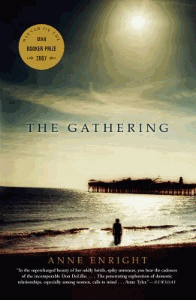
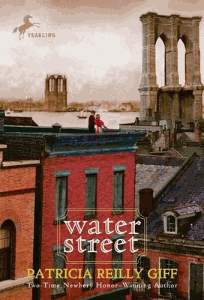
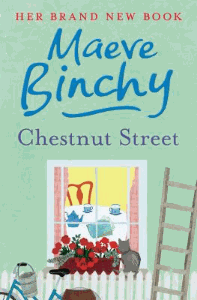
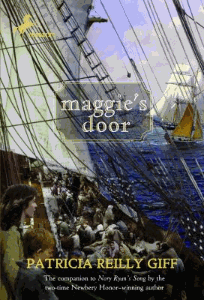
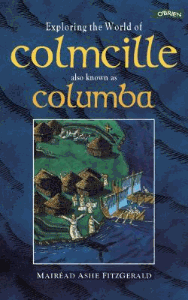
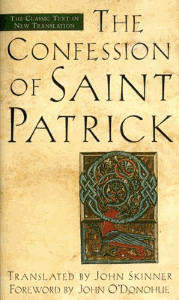
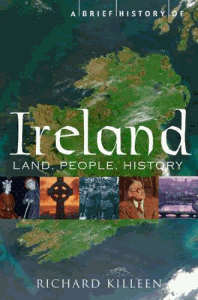
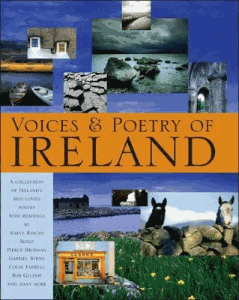
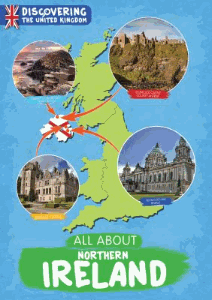
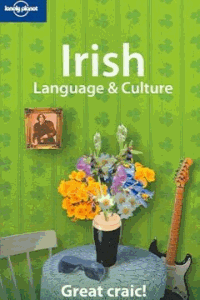
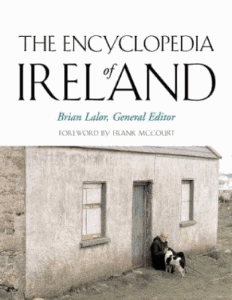
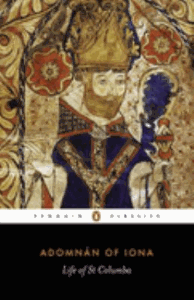
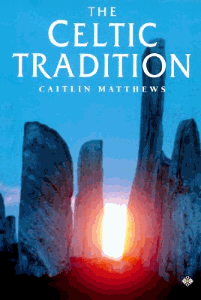
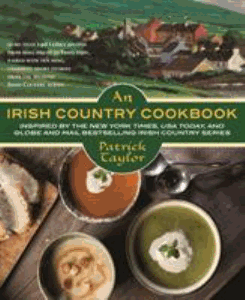
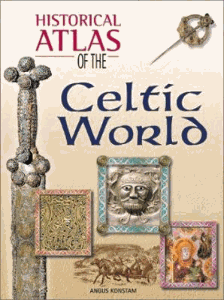
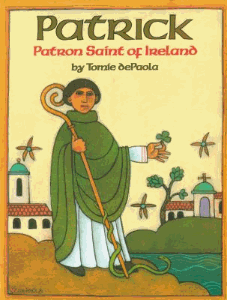
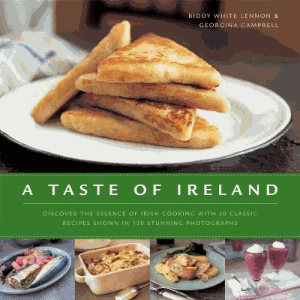
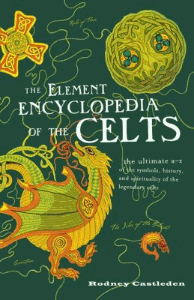
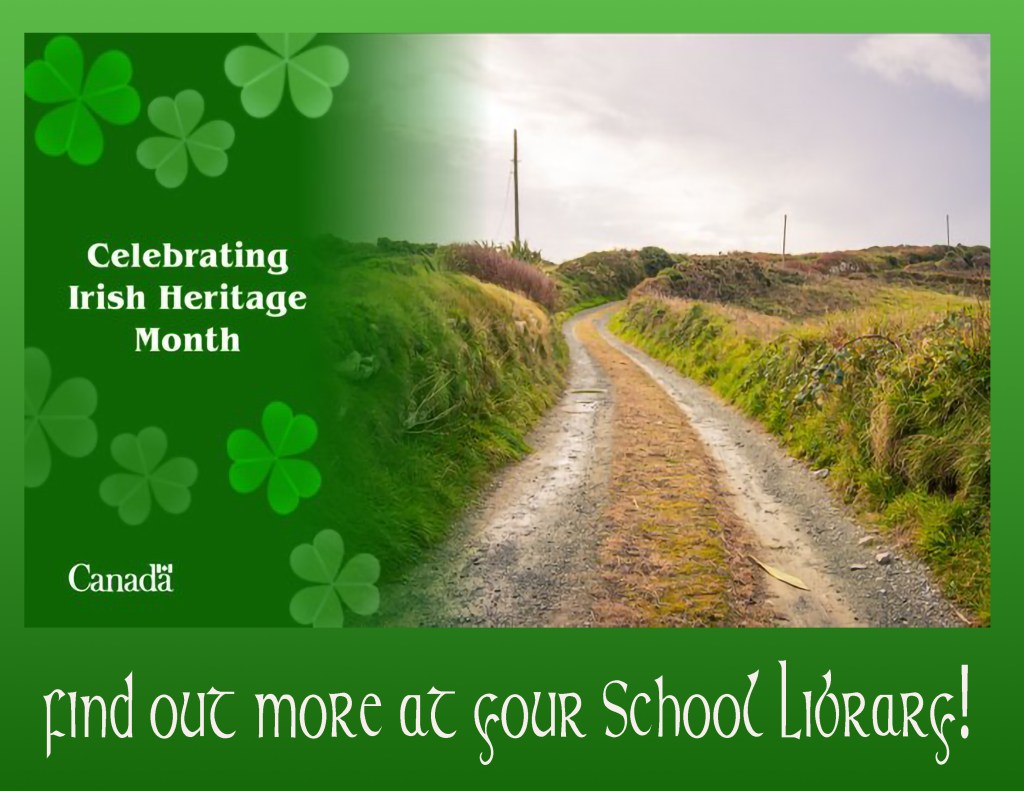
Come down to your School Library to browse some selections for Irish Heritage Month. We have many novels by Irish authors, and many stories about Ireland & the Irish. We also have books about Irish-Canadians and the Irish Diaspora to many other parts of the world. Borrow some good reading for March break!
Many Canadians trace their roots to Ireland. The Irish began to settle in what we now call Canada very early, including large migrations to Newfoundland in the 17th Century. Millions of people fled Ireland during the Potato Famine of the mid-19th Century, emigrating to many places around the globe, including Canada. The Irish continued to come after Confederation and into the 20th Century. Recent census data tells us that more than 1 in 10 Canadians report having Irish heritage.

Find out more:
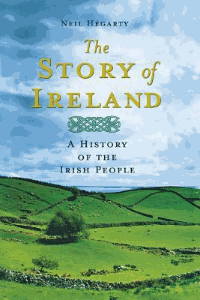
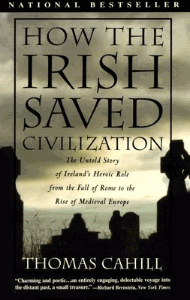
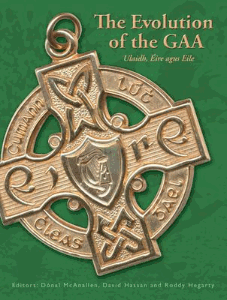
Come down to your School Library to check out some of these books for Irish Heritage Month.












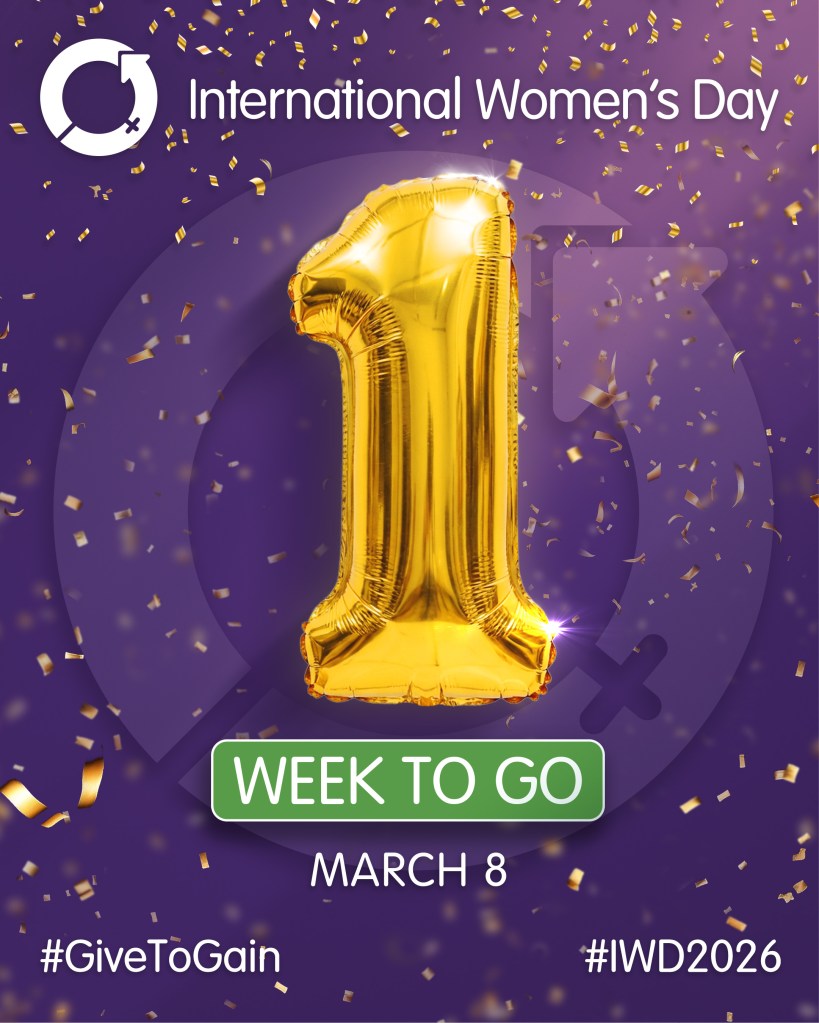
International Women’s Day is March 8. Join us as we celebrate all month long, learning more about the ongoing struggle for women’s rights around the world.
IWD has been celebrated in various forms for well over a century. According to internationalwomensday.com, IWD “is a global day celebrating the social, economic, cultural, and political achievements of women. The day also marks a call to action for advancing gender equality.” While many gains have been made in some parts of the world since the early 20th Century, the struggle is far from over.

Canadian law protects women’s rights better than in most parts of the world, yet even here the work is not done. The Government of Canada says that IWD is “a time to celebrate the progress made in advancing women’s rights and highlight the ongoing efforts needed to ensure their full participation in all aspects of society.”
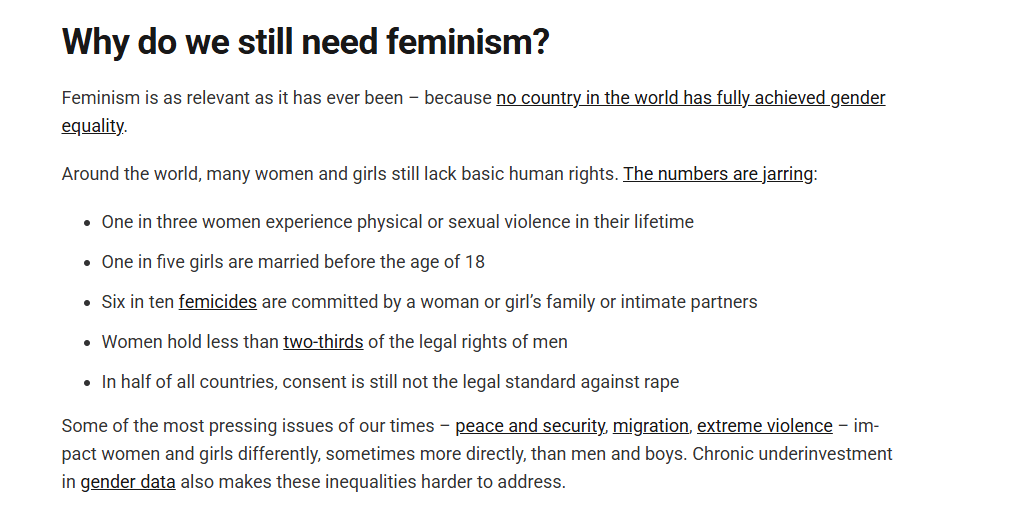
The United Nations IWD “calls for action to dismantle all barriers to equal justice: discriminatory laws, weak legal protections, and harmful practices and social norms that erode the rights of women and girls.
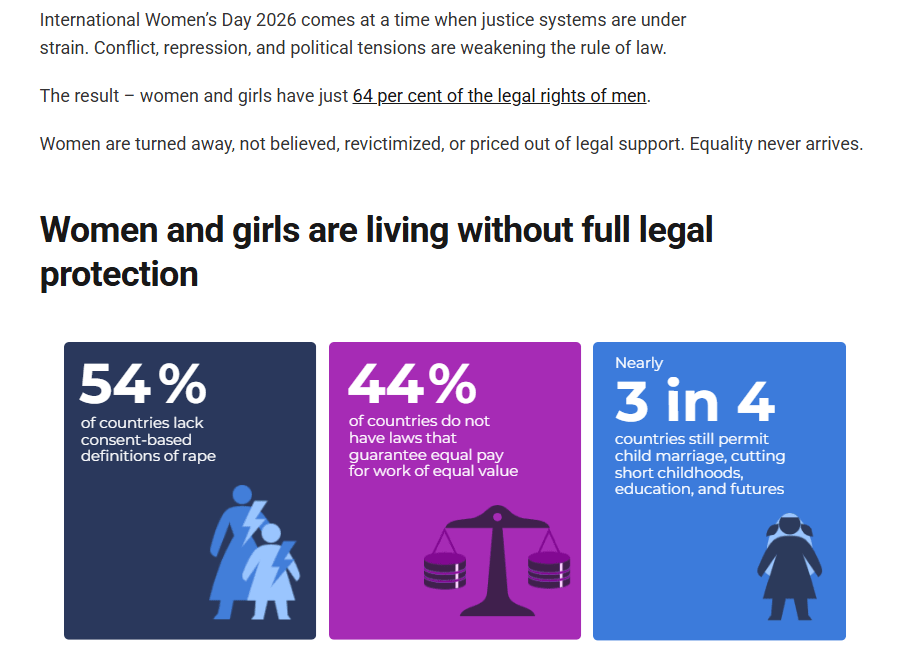
Celebrate International Women’s Day on March, learn more all month long in your School Library, and remember that the struggle for equality will continue every day of the year.
International Women’s Day is March 8. Read more about the many issues surrounding the human rights of women in Canada and around the world, both historically and in the present, including feminism, representation, healthcare, education, economic opportunities, suffrage, sexual violence, gender roles and much more.
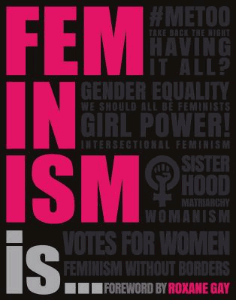

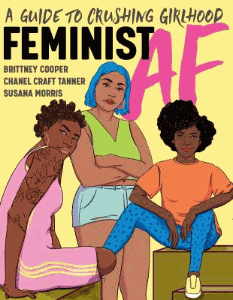
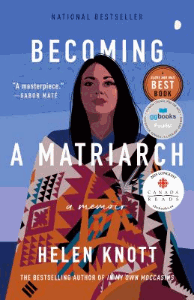
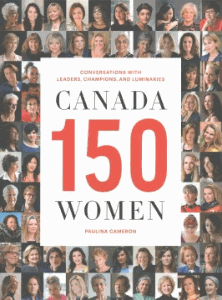
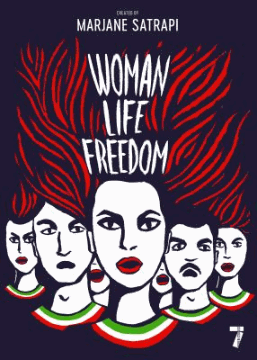
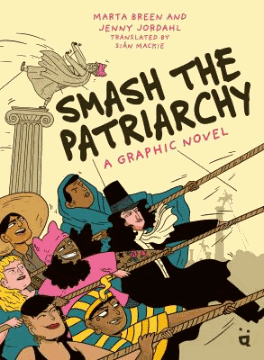


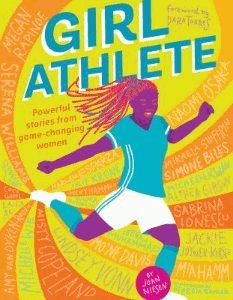
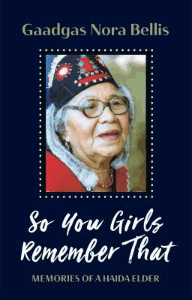
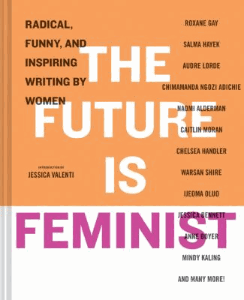


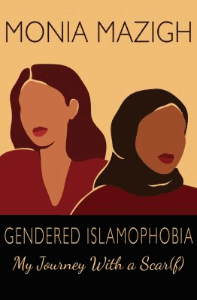



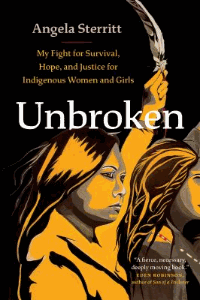
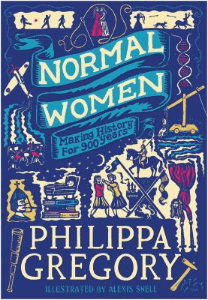

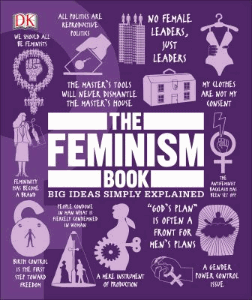
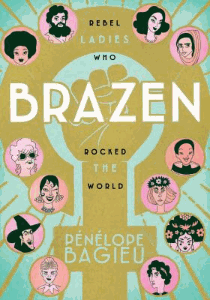
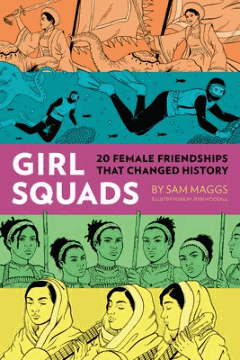

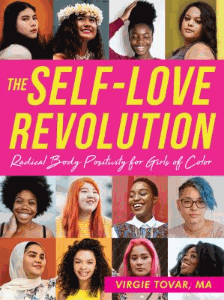

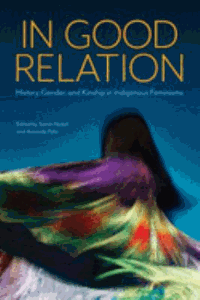

IWD is coming up this weekend, Sunday, March 8. Join with us at your School Library as we celebrate all month long by learning more about the complex issues related to the status of women in Canada and around the world. Women’s rights are human rights.
Through most of history, and around most of today’s world, women have not and do not share the same rights as men. Even in Canada, where the equality of women is better than in most parts of the world, there is work still to be done. In fact, there are forces that seek to rollback the gains made over the last century. The struggle for equal human rights for all people, regardless of gender, continues.
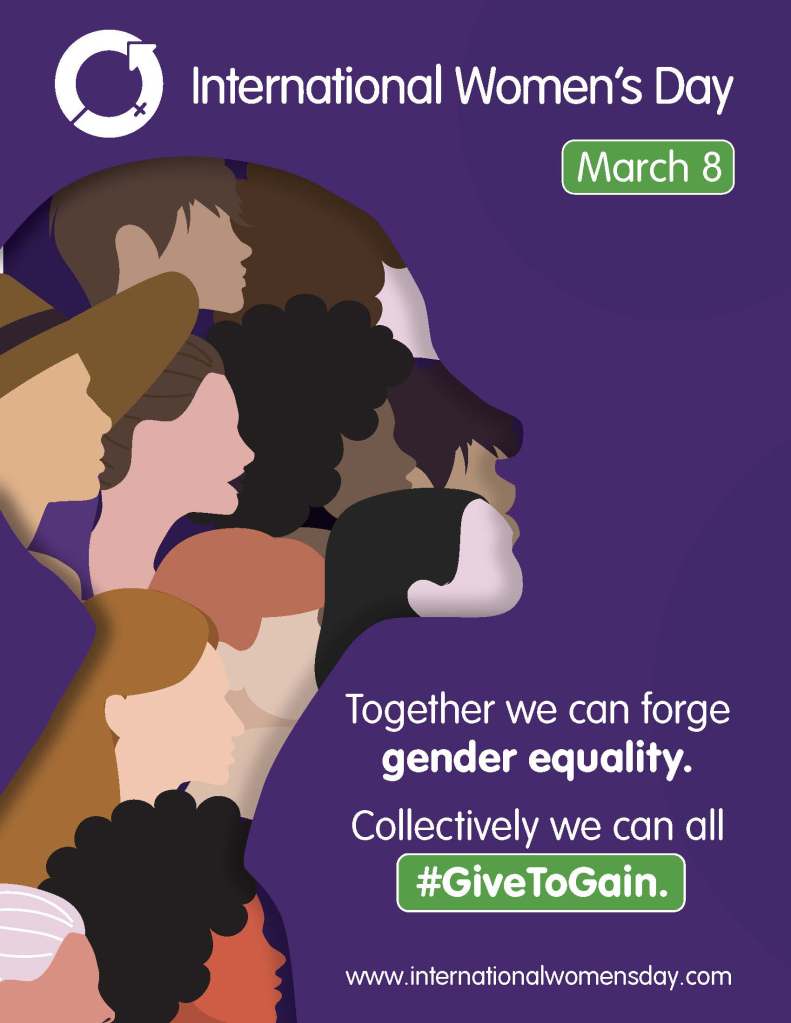
Read about feminism and the never-ending struggle for women’s equality. Learn about the ways in which women’s roles in society were severely constrained, and how women’s contributions to history were downplayed or suppressed. Learn more about prominent women at work in the world today. Sample books written by Canadian women and women around the globe. Be a part of the conversation, and take steps toward action.
March is Irish Heritage Month at your School Library. Millions of Canadians can trace their roots to Ireland, and many millions more around the world are a part of the “Irish Diaspora.” Come down to your School Library in person, and check us out online, to celebrate with us as we learn more about all things Irish.
IWD is March 8. Join with us in your School Library as we take the month of March to focus on the rights and status of women in Canada and around the world.
The best way to celebrate Freedom to Read Week is to read.
Read freely.
Read regularly.
Read critically.
Read deeply.
Read thoughtfully.
Read widely.

There are people who want to take away your right to read what you choose to read. These people aren’t just in totalitarian states around the world. These people are in Canada, in your province and your city and your neighbourhood. They think that they know best about what you should read and what you shouldn’t read. The fight to protect your rights and freedoms is real.
However, all the fuss about rights, challenges, freedoms, censorship, book bans, literacy, etc — it means nothing if you don’t read. Freedom to Read Week is a waste of time if you don’t read. The forces working hard to take away your freedoms don’t need to bother if you don’t exercise your freedoms.
So read.
Read for fun.
Read to learn.
Read to escape.
Read to know things.
Read to be free.
Read what you choose to read.
Read.
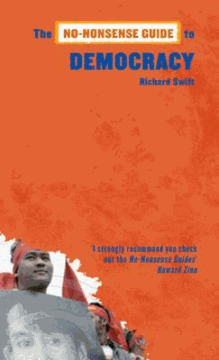
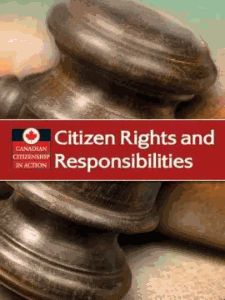
Freedom to Read Week reminds us that our rights and freedoms are both precious and fragile. We must understand them, defend them, and exercise them. To understand the freedom to read, we must explore many overlapping issues including literacy, intellectual freedom, democracy, libraries, the Charter of Rights and Freedoms, citizenship, freedom of expression, access to information, public education, academic freedom, and more.
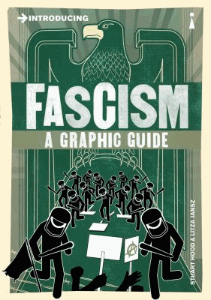
It is also sadly necessary for us to recognize understand, and defend ourselves from the attacks on our rights and freedoms. These take many forms, including censorship, book bans, fake news, disinformation and misinformation, science denial,anti-intellectualism, the defunding and degrading of public education, and more. All of these contribute the rise of authoriatarianism, fascism and other anti-democratic movements.
We must also exercise our freedom to read. Democratic citizenship is built upon such fundamentals as an educated and informed electorate. Democracy requires knowledgeable citizens who think critically about the issues and act accordingly. Free people are free to explore wherever their curiosity takes them. However, what good is the freedom to do something if we don’t do it?
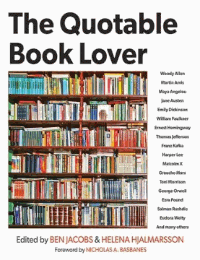
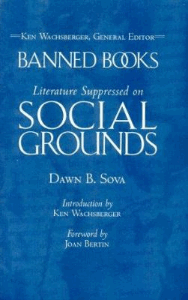
Here are some books to help you learn more about some of these issues.
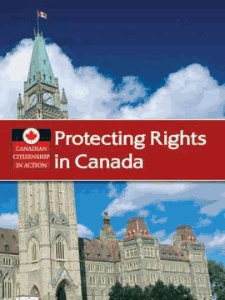
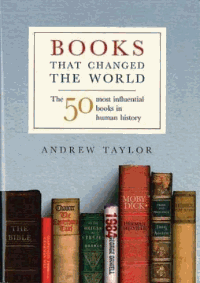
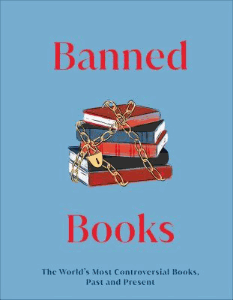
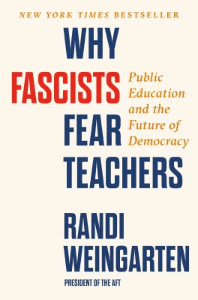
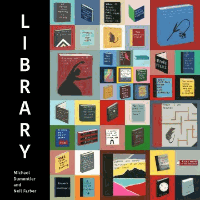
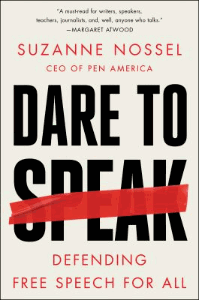

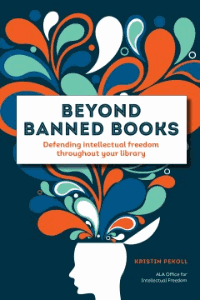
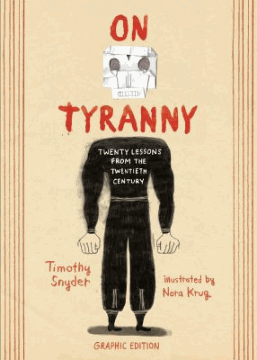

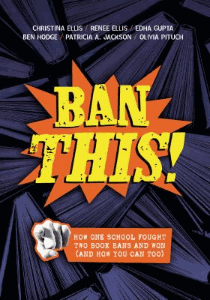
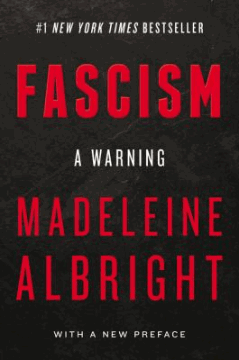
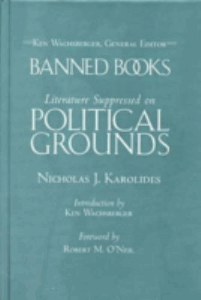

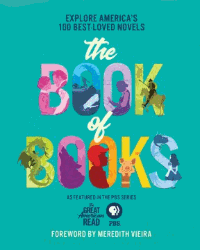
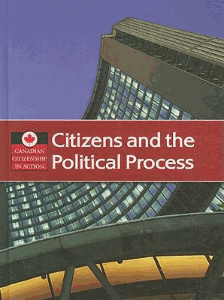
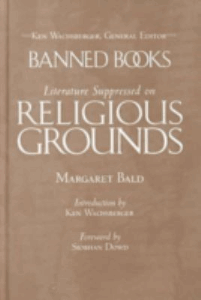


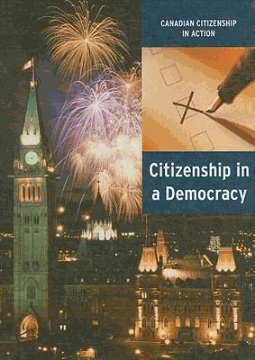
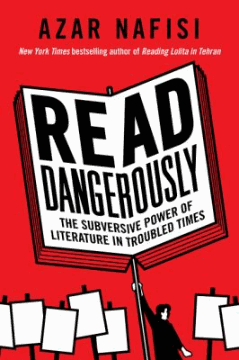
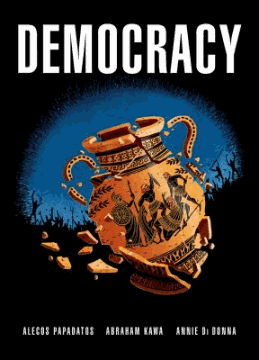

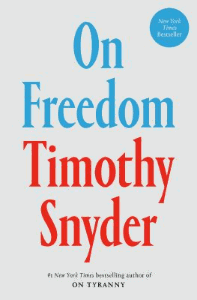
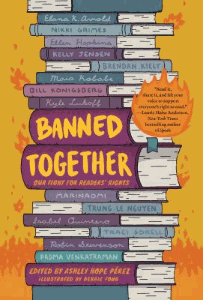
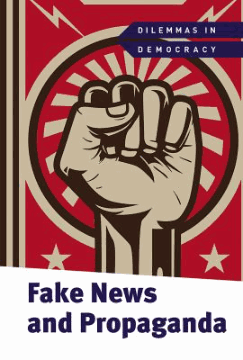

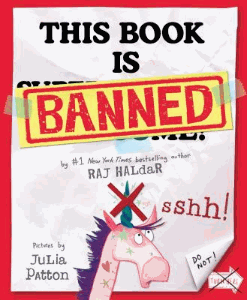
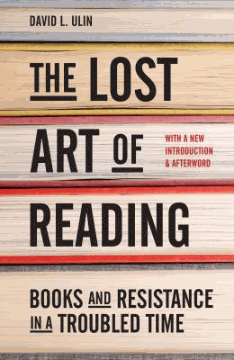
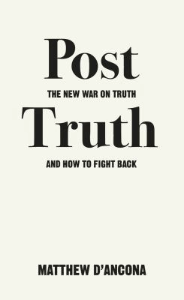
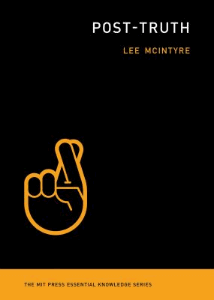
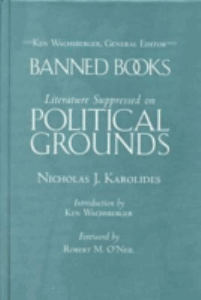
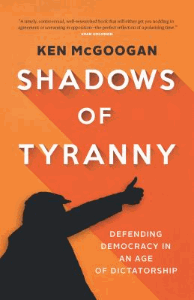


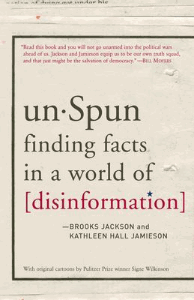

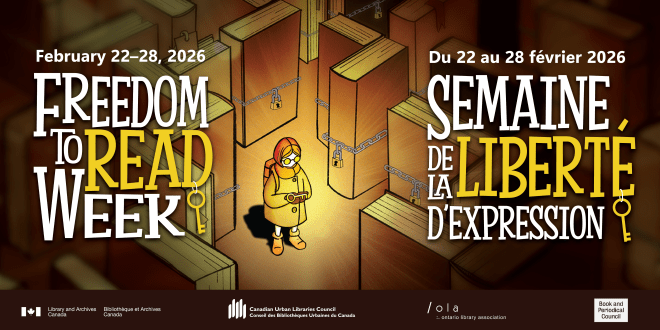
Freedom to Read Week in Canada is February 22 to 28, 2026
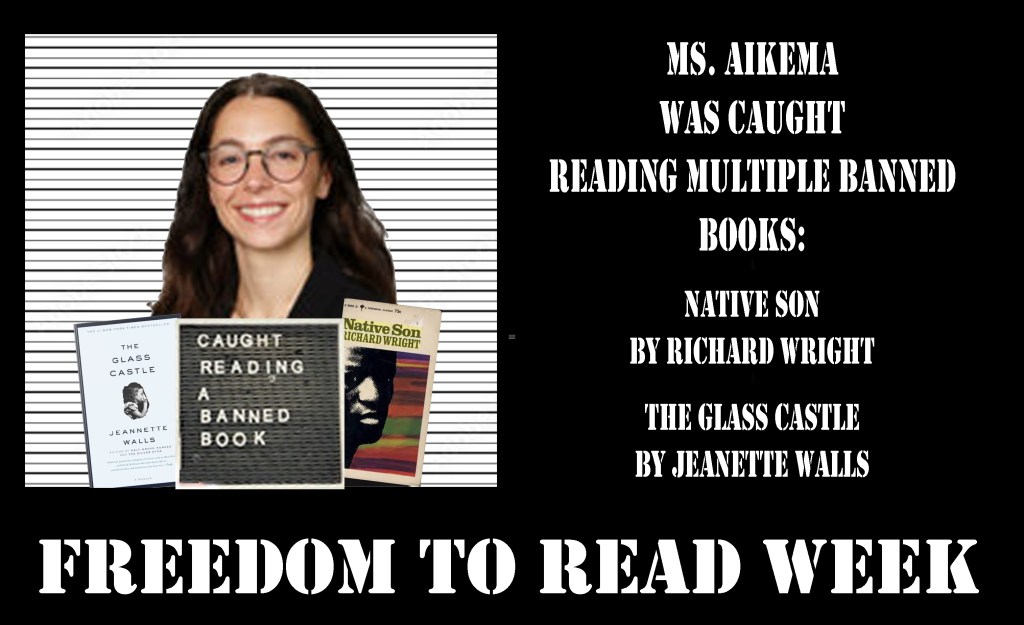
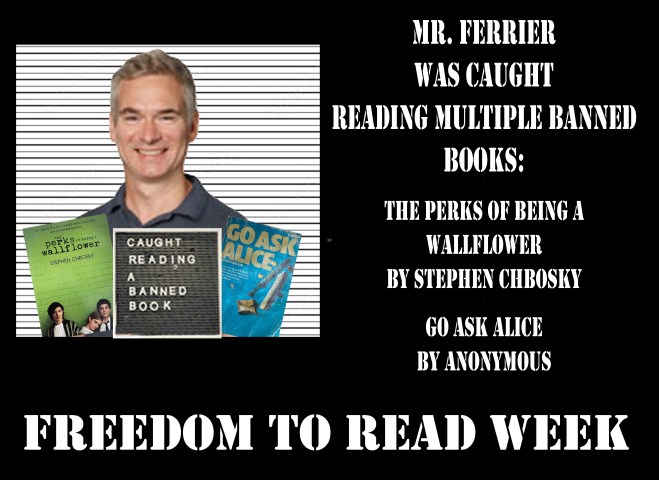
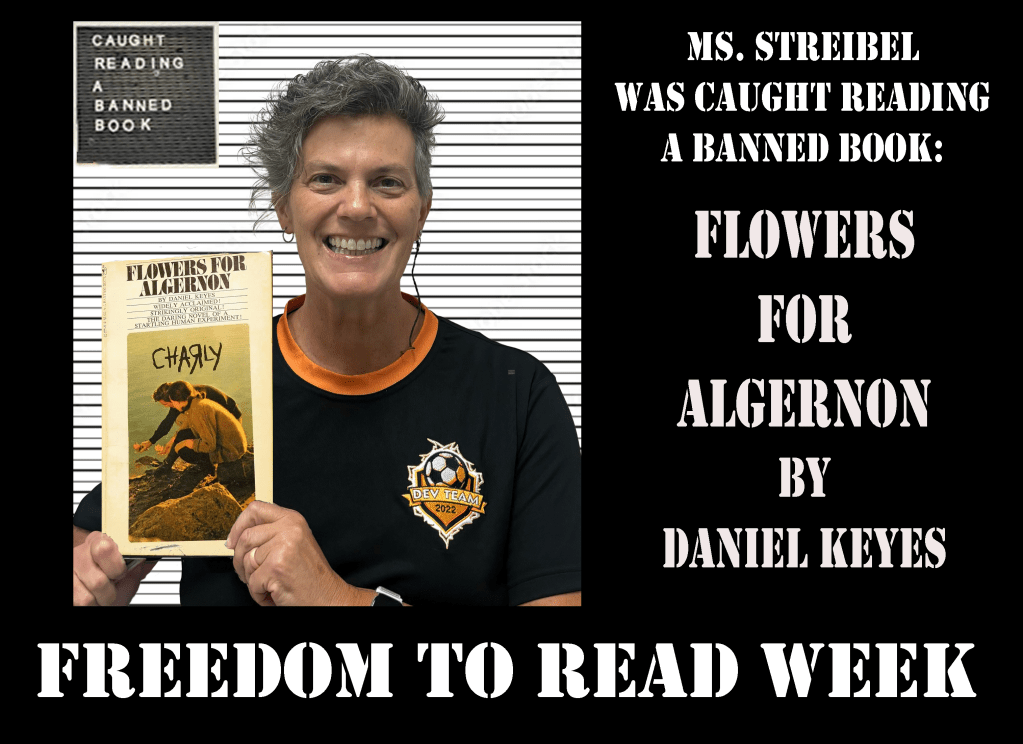
These teachers were caught reading books that are on lists of titles that have been challenged by those who want to take books out of libraries, schools, and even bookstores. There are forces at work in Canada today who want to decide for you what you can read. These teachers are standing up for your right to decide for yourself.
Freedom to Read Week in Canada in 2026 is February 22-28. Come down to your School Library to find out more.