Celebrate Earth Month by learning more about Earth Day, Climate Change, the Environmental Movement, and our only home in the vast universe. Come down to your school library to check out some of these newest additions to our collection.
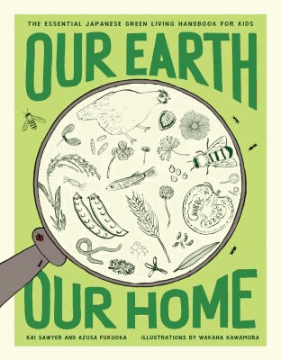
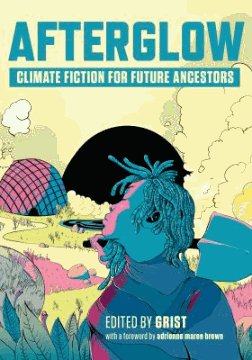
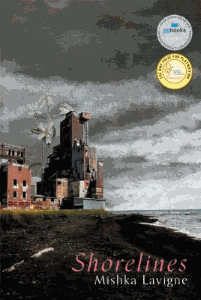
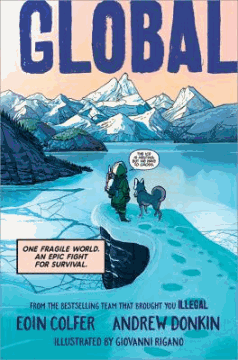
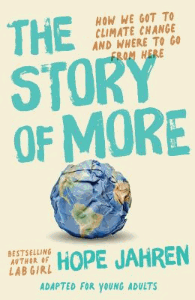
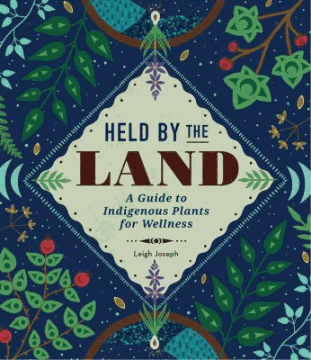
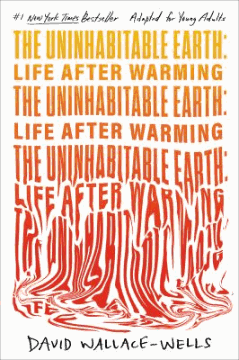


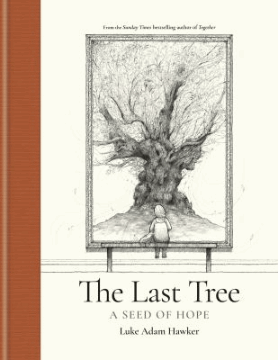




Celebrate Earth Month by learning more about Earth Day, Climate Change, the Environmental Movement, and our only home in the vast universe. Come down to your school library to check out some of these newest additions to our collection.
Earth Month comes to a close but the end of April does not mean the end of the climate crisis. Find out more. Find out what science says about climate change. Consider what you can do, as a citizen of this planet. Earth is the only planet we have. Consider what we, the people of Earth, can do, together, to save our home.








Find out more:
Intergovernmental Panel on Climate Change
United Nations: Climate Action
(US) National Oceanic and Atmospheric Administration
 Lord Tweedsmuir Secondary School Library