International Holocaust Remembrance Day

January 27 is International Holocaust Remembrance Day. Join with us as we take this day to remember the many millions who died during the Holocaust, to learn more about what happened, and resolve to fight against anti-Semitism, racism and other forms of hate and violent oppression.

The term “Holocaust” refers to the period in history in which the Nazi regime of Germany murdered over 6 million Jews, as well as millions of other victims, including Roma, homosexuals, people with physical and mental disabilities, and more. The Nazi persecution of the Jews began in the early 1930’s and reached its most horrific and brutal peak during the period of 1941-1945, as the Nazis adopted as official policy the “Final Solution,” the attempt at completely annihilating the entire Jewish population.
Holocaust RemembranceSource: CC / Sienda
Source: CC / Sienda

The Holocaust is not the only example of genocide in human history. What makes the Holocaust stand out amongst the long and plentiful list of human atrocities and evil?  Germany was amongst the most powerful nations of the world and a leader in science, technology, medicine and engineering.  The German contributions to art, music, literature and philosophy put German culture at the heart of what we would call Western Civilization. And yet this supposedly civilized people turned their great achievements and progress towards planning and carrying out ruthless genocidal murder with scientific and economic efficiency.

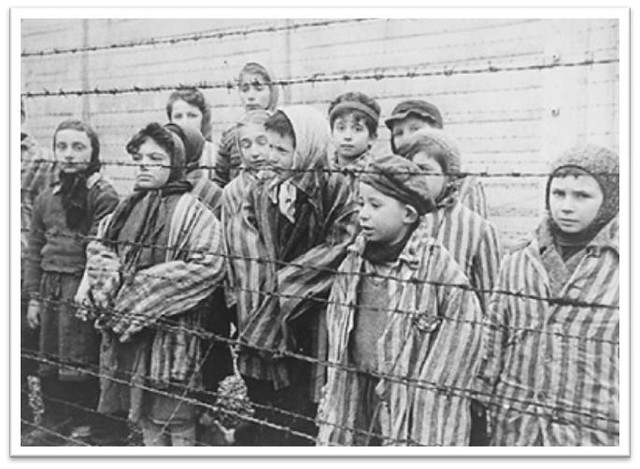
Children selected for extermination
source: wikimedia commons / public domain

The date of January 27 was chosen for this solemn observance as the death camp of Auschwitz-Birkenau was liberated on January 27, 1945.
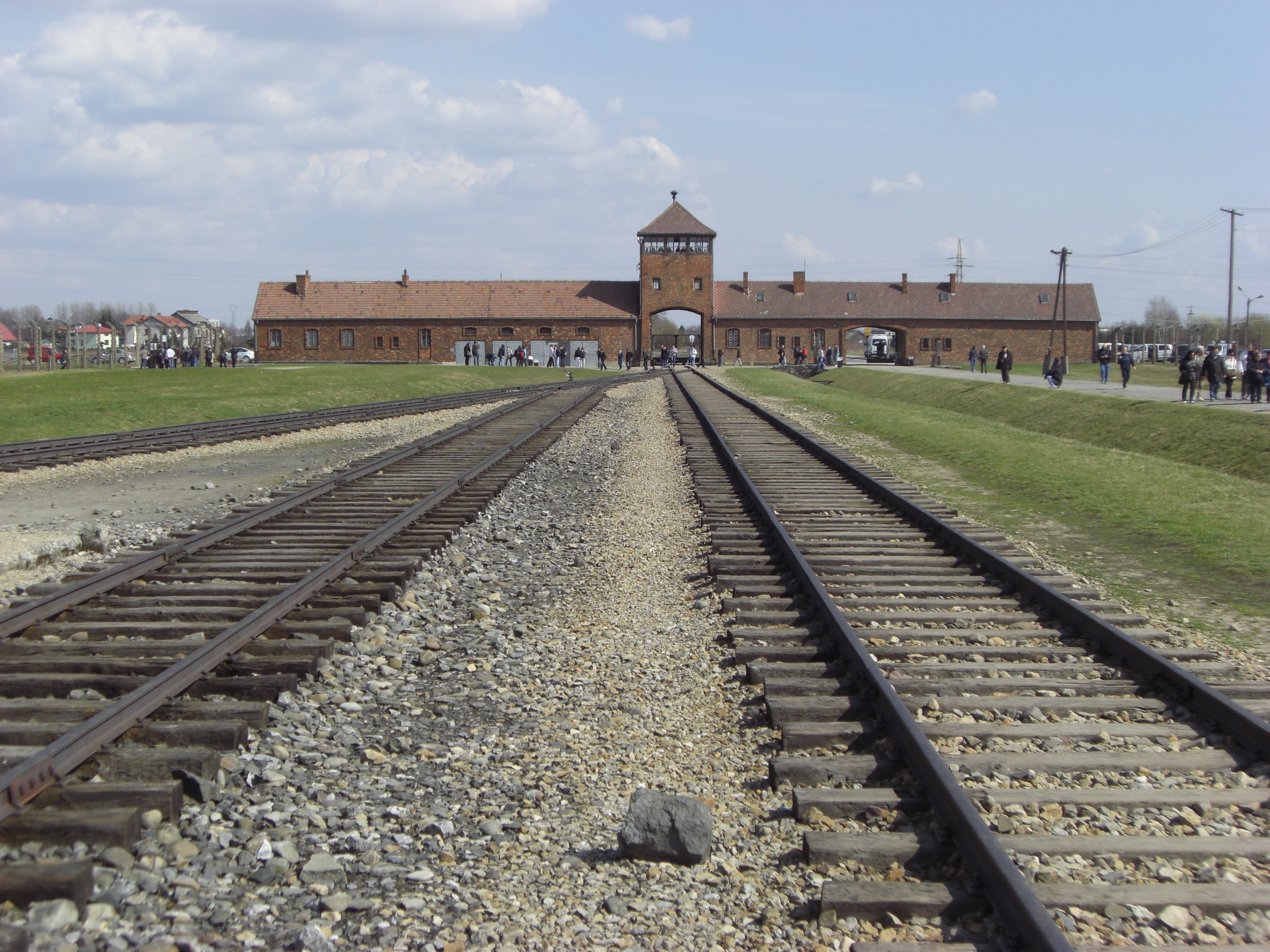
Auschwitz Death Camp
source: Diego Delso, Wikimedia Commons, License CC-BY-SA 3.0

For more on the Holocaust:

Yad Veshem

US Holocaust Memorial Museum

Jewish Virtual Library

Vancouver Holocaust Education Centre

United Nations / UNESCO

Raoul Wallenberg Day

Since 2001, January 15 is Raoul Wallenberg Day in Canada. Mr. Wallenberg was a hero who courageously used his position to save thousands of Jews in Hungary during the Nazi Holocaust. Wallenberg was a Swedish diplomat working in Budapest during the Second World War. Wallenberg, with the help of some colleagues, using Swedish passports, letters of protection, and other diplomatic tools, was able to help thousands of Jews to escape from Hungary and to survive through to the end of the war.

Wallenberg 1944
(Source: ushmm.org)

Tragically, Raoul Wallenberg disappeared after the Soviet conquest of Hungary from the Germans in 1945. Some reports suggest he died in a Soviet prison in 1947, but his fate is officially uncertain.

Raoul Wallenberg as a young man.
(Source: https://www.raoulwallenbergcentre.org)

Raoul Wallenberg is considered one of the “Righteous Among the Nations” by Yad Vashem in Israel, and was made an Honorary Citizen of Canada in 1985.


Find out more:


In January we recognize Raoul Wallenberg Day in Canada, as well as International Holocaust Remembrance Day on January 27. Come down to the School Library this month, in person, and continue to visit us online, for more information on the horrific and tragic history of the Holocaust.

Yom HaShoah

Yom HaShoah, or Holocaust Remembrance Day, is the day that Jews around the world remember the six million who perished in the Holocaust.  In Israel it is a national day of observance known officially as Yom Hazikaron laShoah ve-laG’vurah, in English “Holocaust and Heroism Remembrance Day.” In addition to remembrance of the unspeakable horrors of the Holocaust, the day is also used to celebrate acts of resistance and heroism on the part of survivors and allies.

This year Yom HaShoah begins on the evening of May 5 and continues until sundown on May 6.


Find out more about the Holocaust, the systematic mass-murder of more than 6 million Jews, and other groups, targeted by the Nazis and their allies:

International Holocaust Remembrance Day

January 27 is International Holocaust Remembrance Day. Join with us as we take this day to remember the many millions who died during the Holocaust, to learn more about what happened, and resolve to fight against anti-Semitism, racism and other forms of hate and violent oppression.

The term “Holocaust” refers to the period in history in which the Nazi regime of Germany murdered over 6 million Jews, as well as millions of other victims, including Roma, homosexuals, people with physical and mental disabilities, and more. The Nazi persecution of the Jews began in the early 1930’s and reached its most horrific and brutal peak during the period of 1941-1945, as the Nazis adopted as official policy the “Final Solution,” the attempt at completely annihilating the entire Jewish population.

Holocaust RemembranceSource: CC / Sienda
Source: CC / Sienda

The Holocaust is not the only example of genocide in human history. What makes the Holocaust stand out amongst the long and plentiful list of human atrocities and evil?  Germany was amongst the most powerful nations of the world and a leader in science, technology, medicine and engineering.  The German contributions to art, music, literature and philosophy put German culture at the heart of what we would call Western Civilization. And yet this supposedly civilized people turned their great achievements and progress towards planning and carrying out ruthless genocidal murder with scientific and economic efficiency.

Children selected for extermination
source: wikimedia commons / public domain

The date of January 27 was chosen for this solemn observance as the death camp of Auschwitz-Birkenau was liberated on January 27, 1945.

Auschwitz Death Camp
source: Diego Delso, Wikimedia Commons, License CC-BY-SA 3.0

For more on the Holocaust:

Yad Veshem

US Holocaust Memorial Museum

Jewish Virtual Library

Vancouver Holocaust Education Centre

United Nations / UNESCO

Raoul Wallenberg Day

Since 2001, January 15 is Raoul Wallenberg Day in Canada. Mr. Wallenberg was a hero who courageously used his position to save tens of thousands of Jews in Hungary during the Nazi Holocaust. Wallenberg was a Swedish diplomat working in Budapest during the Second World War. Wallenberg, with the help of some colleagues, using Swedish passports, letters of protection, and other diplomatic tools, was able to help thousands of Jews to escape from Hungary and tens of thousands to survive through to the end of the war.

Wallenberg 1944
(Source: ushmm.org)

Tragically, Raoul Wallenberg disappeared after the Soviet conquest of Hungary from the Germans in 1945. Some reports suggest he died in a Soviet prison in 1947, but his fate is officially uncertain.

Raoul Wallenberg as a young man.
(Source: https://www.raoulwallenbergcentre.org)

Raoul Wallenberg is considered one of the “Righteous Among the Nations” by Yad Vashem in Israel, and was made an Honorary Citizen of Canada in 1985.


Find out more:


In January we both recognize Raoul Wallenberg Day in Canada, as well as International Holocaust Remembrance Day on January 27. Come down to the School Library this month, in person, and continue to visit us online, for more information on the horrific and tragic history of the Holocaust.

Yom HaShoah

Yom HaShoah, or Holocaust Remembrance Day, is the day that Jews around the world remember the six million who perished in the Holocaust.  In Israel it is a national day of observance known officially as Yom Hazikaron laShoah ve-laG’vurah, in English “Holocaust and Heroism Remembrance Day.” In addition to remembrance of the unspeakable horrors of the Holocaust, the day is also used to celebrate acts of resistance and heroism on the part of survivors and allies.

This year Yom HaShoah begins on the evening of April 17 and continues until sundown on April 18.

Valley2city, CC BY-SA 3.0, via Wikimedia Commons

Find out more about the Holocaust, the systematic mass-murder of more than 6 million Jews, and other groups, targeted by the Nazis and their allies:

International Holocaust Remembrance Day

January 27 is International Holocaust Remembrance Day. Join with us as we take this day to remember the many millions who died during the Holocaust, to learn more about what happened, and resolve to fight against anti-Semitism, racism and other forms of hate and violent oppression.

The term “Holocaust” refers to the period in history in which the Nazi regime of Germany murdered over 6 million Jews, as well as millions of other victims, including Roma, homosexuals, people with physical and mental disabilities, and more. The Nazi persecution of the Jews began in the early 1930’s and reached its most horrific and brutal peak during the period of 1941-1945, as the Nazis adopted as official policy the “Final Solution,” the attempt at completely annihilating the entire Jewish population.

Holocaust RemembranceSource: CC / Sienda
Source: CC / Sienda

The Holocaust is not the only example of genocide in human history. What makes the Holocaust stand out amongst the long and plentiful list of human atrocities and evil?  Germany was amongst the most powerful nations of the world and a leader in science, technology, medicine and engineering.  The German contributions to art, music, literature and philosophy put German culture at the heart of what we would call Western Civilization. And yet this supposedly civilized people turned their great achievements and progress towards planning and carrying out ruthless genocidal murder with scientific and economic efficiency.

Children selected for extermination
source: wikimedia commons / public domain

The date of January 27 was chosen for this solemn observance as the death camp of Auschwitz-Birkenau was liberated on January 27, 1945.

Auschwitz Death Camp
source: Diego Delso, Wikimedia Commons, License CC-BY-SA 3.0

For more on the Holocaust:
Yad Veshem

US Holocaust Memorial Museum

Jewish Virtual Library

Vancouver Holocaust Education Centre

United Nations / UNESCO

Raoul Wallenberg Day

Since 2001, January 15 is Raoul Wallenberg Day in Canada. Mr. Wallenberg was a hero who courageously used his position to save tens of thousands of Jews in Hungary during the Nazi Holocaust. Wallenberg was a Swedish diplomat working in Budapest during the Second World War. He and his colleagues, using Swedish passports, letters of protection and other diplomatic tools were able to help thousands of Jews to escape from Hungary and tens of thousands to survive through to the end of the war.

Wallenberg 1944
(Source: ushmm.org)

Tragically, Raoul Wallenberg disappeared after the Soviet conquest of Hungary from the Germans in 1945. Some reports suggest he died in a Soviet prison in 1947, but his fate is officially uncertain.

Raoul Wallenberg as a young man.
(Source: https://www.raoulwallenbergcentre.org)

Raoul Wallenberg is considered one of the “Righteous Among the Nations” by Yad Vashem in Israel, and was made an Honorary Citizen of Canada in 1985.


Find out more:


In January we both recognize Raoul Wallenberg Day in Canada, as well as International Holocaust Remembrance Day on January 27. Come down to the School Library this month, in person, and continue to visit us online, for more information on the horrific and tragic history of the Holocaust.

Yom HaShoah

Yom HaShoah, or Holocaust Remembrance Day, is the day that Jews around the world remember the six million who perished in the Holocaust.  In Israel it is a national day of observance known officially as Yom Hazikaron laShoah ve-laG’vurah, in English “Holocaust and Heroism Remembrance Day.” In addition to remembrance of the unspeakable horrors of the Holocaust, the day is also used to celebrate acts of resistance and heroism on the part of survivors and allies.

This year Yom HaShoah begins on the evening of April 27 and continues until sundown on April 28.

Bundesarchiv, Bild 183-N0827-318 / CC-BY-SA 3.0, CC BY-SA 3.0 DE via Wikimedia Commons

Find out more about the Holocaust, the systematic mass-murder of more than 6 million Jews, and other groups, targeted by the Nazis and their allies:

International Holocaust Remembrance Day

January 27 is International Holocaust Remembrance Day. Join with us as we take this day to remember the many millions who died during the Holocaust, to learn more about what happened, and resolve to fight against anti-Semitism, racism and other forms of hate and violent oppression.

The term “Holocaust” refers to the period in history in which the Nazi regime of Germany murdered over 6 million Jews, as well as millions of other victims, including Roma, homosexuals, people with physical and mental disabilities, and more. The Nazi persecution of the Jews began in the early 1930’s and reached its most horrific and brutal peak during the period of 1941-1945, as the Nazis adopted as official policy the “Final Solution,” the attempt at completely annihilating the entire Jewish population.

Holocaust RemembranceSource: CC / Sienda
Source: CC / Sienda

The Holocaust is not the only example of genocide in human history. What makes the Holocaust stand out amongst the long and plentiful list of human atrocities and evil?  Germany was amongst the most powerful nations of the world and a leader in science, technology, medicine and engineering.  The German contributions to art, music, literature and philosophy put German culture at the heart of what we would call Western Civilization. And yet this supposedly civilized people turned their great achievements and progress towards planning and carrying out ruthless genocidal murder with scientific and economic efficiency.

Children selected for extermination
source: wikimedia commons / public domain

The date of January 27 was chosen for this solemn observance as the death camp of Auschwitz-Birkenau was liberated on January 27, 1945.

Auschwitz Death Camp
source: Diego Delso, Wikimedia Commons, License CC-BY-SA 3.0

For more on the Holocaust:

Yad Veshem

US Holocaust Memorial Museum

Jewish Virtual Library

Vancouver Holocaust Education Centre

United Nations / UNESCO