Come down to your School Library to browse some selections for Irish Heritage Month. We have many novels by Irish authors, and many stories about Ireland & the Irish. We also have books about Irish-Canadians and the Irish Diaspora to many other parts of the world. Borrow some good reading for March break!
Tag: Ireland

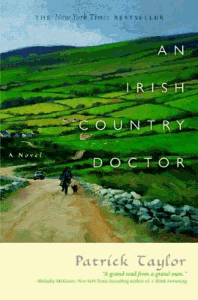
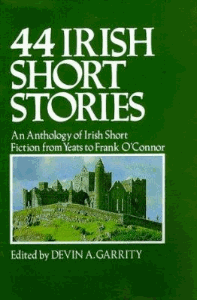






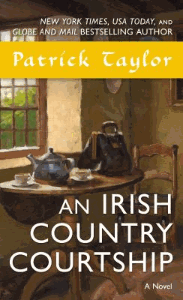




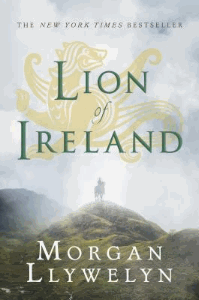


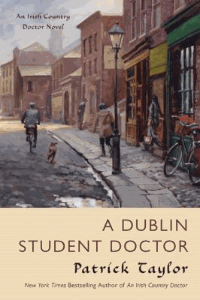



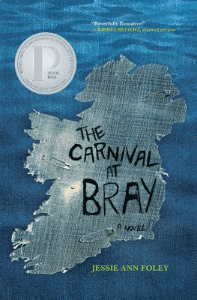

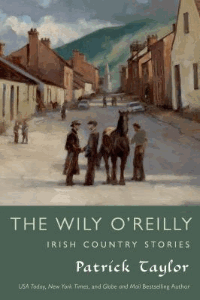


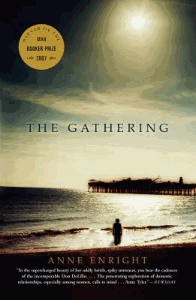





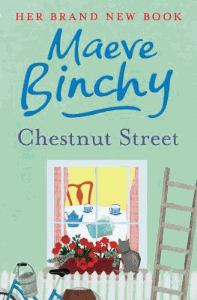





Irish-Canadians
Many Canadians trace their roots to Ireland. The Irish began to settle in what we now call Canada very early, including large migrations to Newfoundland in the 17th Century. Millions of people fled Ireland during the Potato Famine of the mid-19th Century, emigrating to many places around the globe, including Canada. The Irish continued to come after Confederation and into the 20th Century. Recent census data tells us that more than 1 in 10 Canadians report having Irish heritage.

Find out more:
Irish Heritage Month
Come down to your School Library to check out some of these books for Irish Heritage Month.

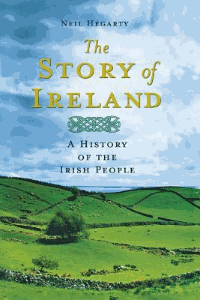
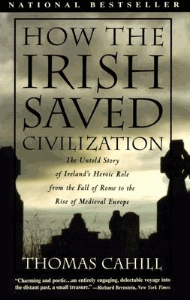

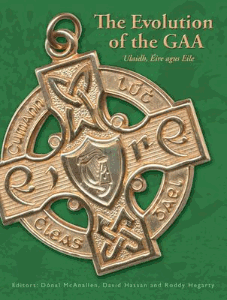

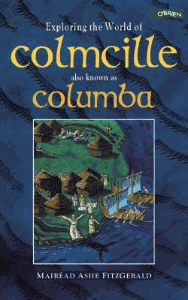

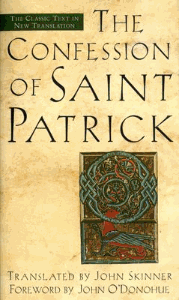

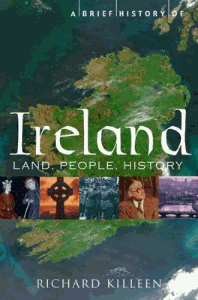
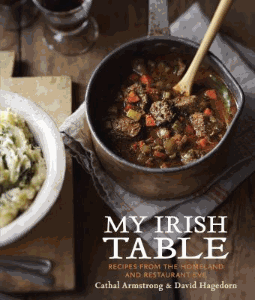
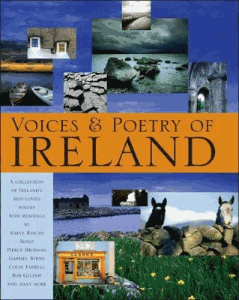
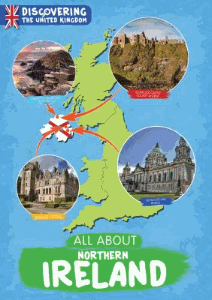
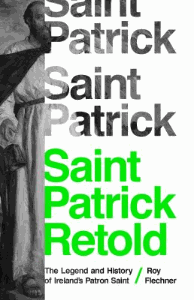


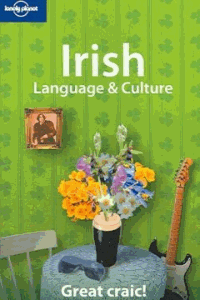

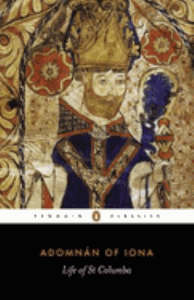

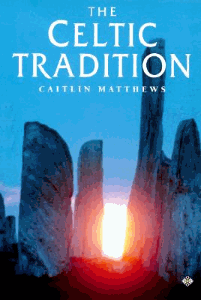

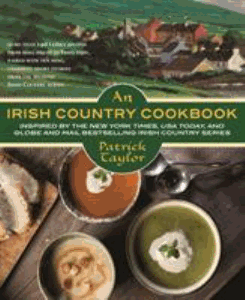
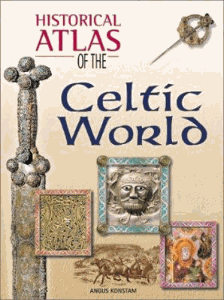
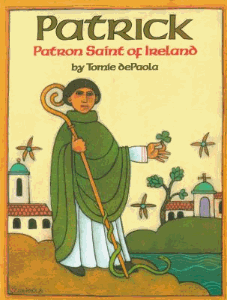
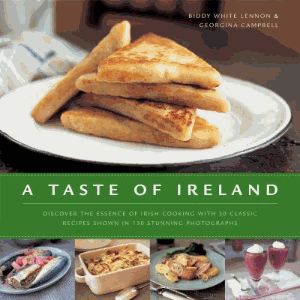
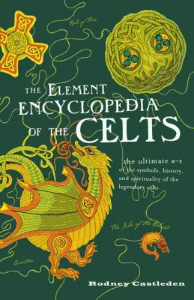

Irish Heritage Month
March is Irish Heritage Month at your School Library. Millions of Canadians can trace their roots to Ireland, and many millions more around the world are a part of the “Irish Diaspora.” Come down to your School Library in person, and check us out online, to celebrate with us as we learn more about all things Irish.
Imbolc
Imbolc is celebrated February 1 to 2. The traditions of Imbolc reach back deep into the pagan history of the Celtic peoples of Ireland and its neighbours. With the Christianization of Ireland, Imbolc was replaced by St. Brigid’s Day . Imbolc as a cultural event has seen a resurgence in recent years, mainly in the neo-pagan community. Imbolc has also grown in popularity amongst others who desire to celebrate traditional Irish/Celtic culture, particularly in regards to the connections with nature and the cycles of the year.
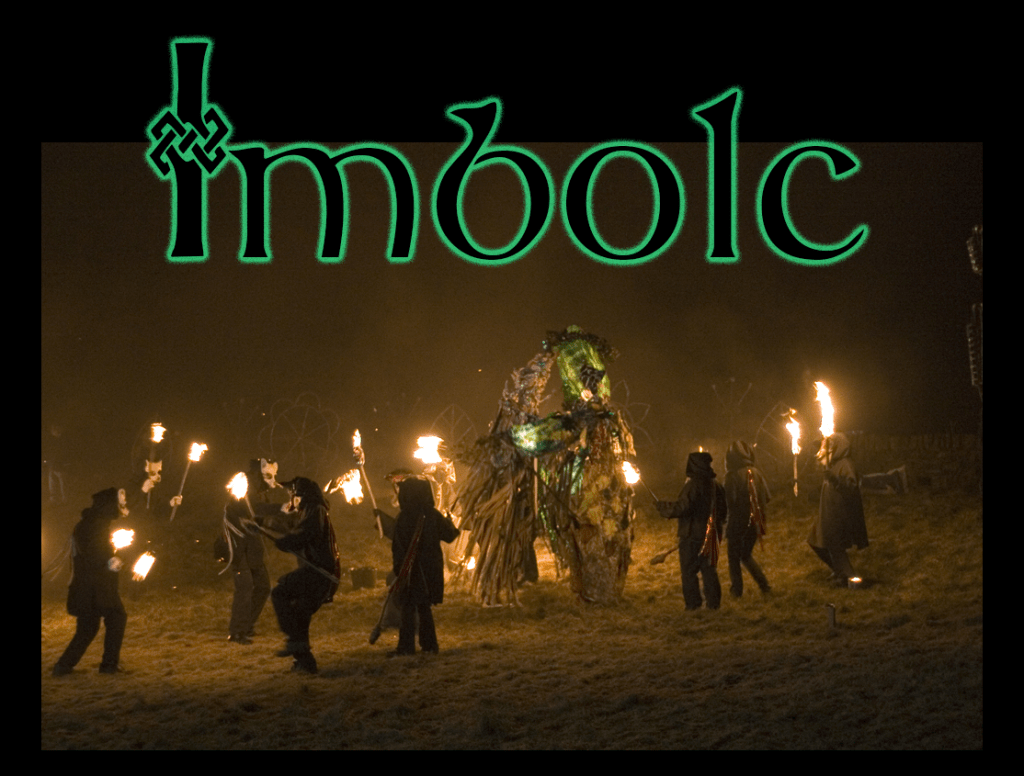
Roughly halfway between the winter solstice and the spring equinox, Imbolc was celebrated as the start of Spring. Imbolc was associated with new life and fertility, particularly the arrival of lambs. Imbolc was also strongly associated with the Goddess Brigid. When Christianity arrived in Ireland in the early 5th, pagan traditions were often adapted to the new beliefs. Imbolc became known as St. Brigid’s Day. Along with St, Patrick and St. Columba, St. Brigid was a patron saint of Ireland. She may or may not have been a real person, and many historians believe that real person or not, her name was borrowed directly from the pagan goddess.
Find out more:
Imbolc
Imbolc is celebrated February 1 to 2. The traditions of Imbolc reach back deep into the pagan history of the Celtic peoples of Ireland and its neighbours. With the Christianization of Ireland, Imbolc was replaced by St. Brigid’s Day . Imbolc as a cultural event has seen a resurgence in recent years, mainly in the neo-pagan community. Imbolc has also grown in popularity amongst others who desire to celebrate traditional Irish/Celtic culture, particularly in regards to the connections with nature and the cycles of the year.
Roughly halfway between the winter solstice and the spring equinox, Imbolc was celebrated as the start of Spring. Imbolc was associated with new life and fertility, particularly the arrival of lambs. Imbolc was also strongly associated with the Goddess Brigid. When Christianity arrived in Ireland in the early 5th, pagan traditions were often adapted to the new beliefs. Imbolc became known as St. Brigid’s Day. Along with St, Patrick and St. Columba, St. Brigid was a patron saint of Ireland. She may or may not have been a real person, and many historians believe that real person or not, her name was borrowed directly from the pagan goddess.
Find out more:
 Lord Tweedsmuir Secondary School Library