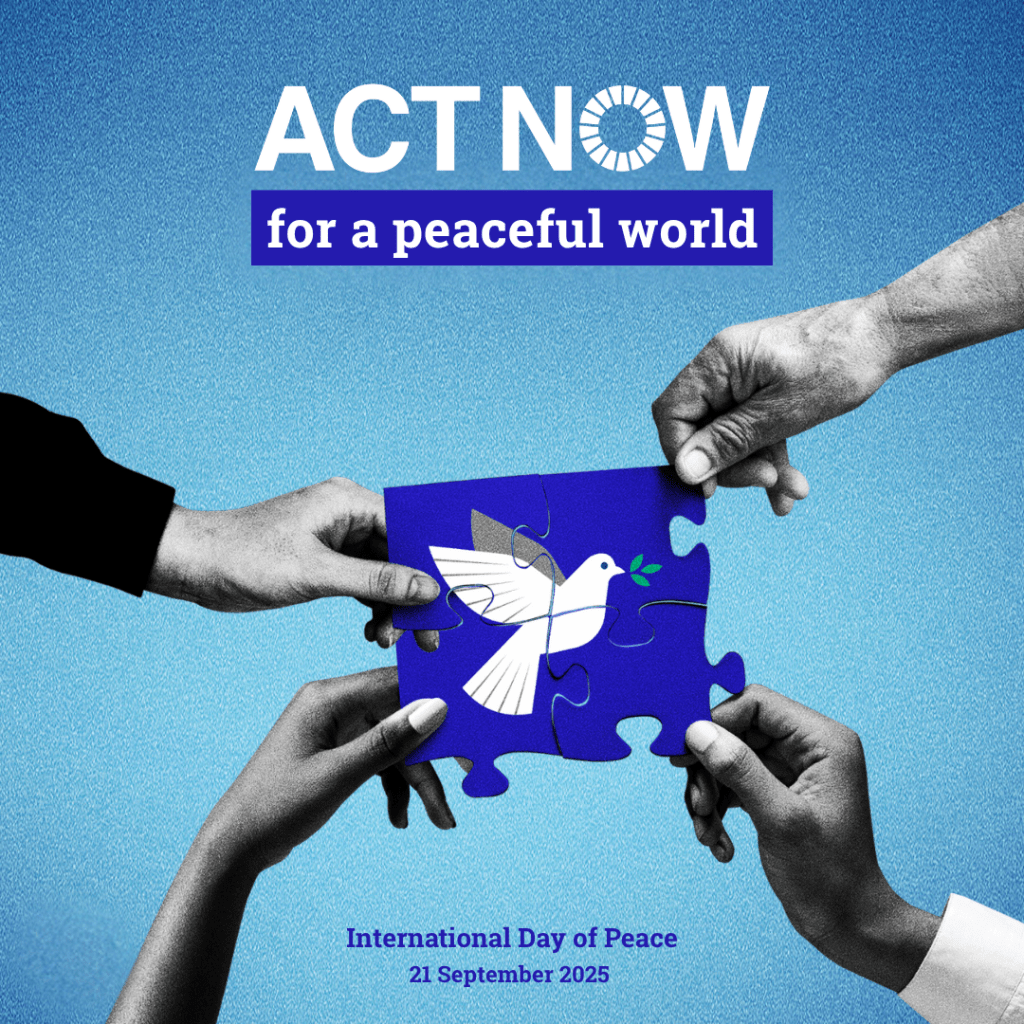
Peace Day is observed every September 21. The International Day of Peace is a celebration of those who have worked for peace in our, and who continue to seek a peaceful future. However, the day is also a stark reminder of how far we have fallen short of the quest for lasting peace for humanity. Our world continues to be ravaged by war, including, in our current day, some of the most horrific acts of inhumanity imaginable. Learn more about the International Day of Peace and join in the movement.
Happy Thanksgiving to all of our American friends, family and neighbours! Along with Turkey and football games, another staple of American Thanksgiving for many is listening to the 18 minute classic, “Alice’s Restaurant.”
November has been Peace month in the School Library, with an emphasis on understanding peace education, the antiwar movements, civil disobedience and other non-violent means of social change. Such themes overlap with American Thanksgiving in “Alice’s Restaurant.”
Originally released in 1967, Arlo Guthrie’s 18 minute long recording of “Alice’s Restaurant” has become on of the most famous protest songs against the Vietnam War. The events described in the song, beginning with a Thanksgiving celebration amongst friends during the sixties, were the inspiration for a film which was released in 1969.
More than 50 years later Guthrie’s signature song is a staple of classic rock radio stations on and around American Thanksgiving.
Bob Dylan has written many songs that are prominent in lists of the greatest protest songs of all time. One of his greatest is “Blowin’ in the Wind” from 1962.
How many roads must a man walk down Before you call him a man? Yes, ’n’ how many seas must a white dove sail Before she sleeps in the sand? Yes, ’n’ how many times must the cannonballs fly Before they’re forever banned? The answer, my friend, is blowin’ in the wind The answer is blowin’ in the wind
How many years can a mountain exist Before it’s washed to the sea? Yes, ’n’ how many years can some people exist Before they’re allowed to be free? Yes, ’n’ how many times can a man turn his head Pretending he just doesn’t see? The answer, my friend, is blowin’ in the wind The answer is blowin’ in the wind
How many times must a man look up Before he can see the sky? Yes, ’n’ how many ears must one man have Before he can hear people cry? Yes, ’n’ how many deaths will it take till he knows That too many people have died? The answer, my friend, is blowin’ in the wind The answer is blowin’ in the wind
Over the years song has been performed with some iconic covers. In fact, just weeks after Dylan’s version debuted, Peter, Paul and Mary released their cover.
Other great cover versions include those from Stevie Wonder, Sam Cooke, and Joan Baez, who has performed and recorded solo versions and duets with Bob Dylan.
Fans of metal and hard rock know that some of the most overt anti-war songs have come from bands such as Metallica, Megadeth and Iron Maiden. Going way back to the roots of metal, in 1970 Black Sabbath gave us “War Pigs,” a scathing indictment of war.
Generals gathered in their masses Just like witches at black masses Evil minds that plot destruction Sorcerer of death’s construction
In the fields, the bodies burning As the war machine keeps turning Death and hatred to mankind Poisoning their brainwashed minds Oh lord, yeah!
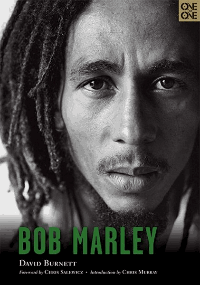
Many of Bob Marley’s Songs show up on lists of the greatest songs about peace and critiques of war. We previously featured “One Love.” In 1971 Bob Marley and the Wailers gave us “Fussing and Fighting.” The lyrics are simple but the message combined with the music is deeply compelling.
We should really love each other In peace and harmony, ooh Instead, we’re fussing and fighting And them workin’ iniquity
Rage Against the Machine have many titles that could be picked for lists of the greatest protest songs. One of the most overtly antiwar tracks is “Bulls on Parade.” (1996).
Weapons not food, not homes, not shoes Not need, just feed the war cannibal animal I walk the corner to the rubble that used to be a library Line up to the mind cemetery now What we don’t know keeps the contracts alive and movin’ They don’t gotta burn the books they just remove ’em While arms warehouses fill as quick as the cells Rally ’round the family, pockets full of shells
“Hero of War” is a 2009 song by the American band, Rise Against. Many of the most well known peace and antiwar songs that are most prominent in popular culture come from the 1960s and 1970s, particularly protest songs against the American war in Vietnam. However, there are also many other more recent songs that look critically at more contemporary wars, including the U.S. wars in Iraq and Afghanistan. Have a listen, and spend some time thinking about your response. What do antiwar songs, and songs of peace and alternatives to violence, have to say to us in 2023?
One of the most famous and influential songs of the antiwar movement of the 1960s and early 1970s is “Ohio”, written by Neil Young and performed by Crosby, Stills, Nash and Young. So many aspects of youth counter-culture, protests against the Vietnam War, and deep divisions within American society came together tragically as four university students were shot dead, and nine more wounded, at Kent State University in Ohio when the National Guard opened fire against student protestors. Neil Young wrote “Ohio” in reaction to the tragedy at Kent State, and the song was released in June of 1970. It has grown to become known as one the anthems of protest and antiwar activism.
“Zombie” by The Cranberries was released in 1994. Led by the late Dolores O’Riordan (1971-2018), The Cranberries were one of Ireland’s greatest alternative rock bands, especially during the 90’s.
Zombie is an anti-war song written to protest the ongoing violence of “The Troubles,” sectarian conflict in Ireland with its roots going back deep into Irish history and continuing to rear its ugly head even into the 1990’s.
War, huh, yeah What is it good for? Absolutely nothing, uhh
Written by Barrett Strong / Norman Whitfield
Originally written for The Temptations, “War” was eventually released as a single by Edwin Starr. Although the song has been covered by many artists, including Bruce Springsteen, the preeminent version remains that of Edwin Starr. Originally written as part of the protests against the Vietnam War, Edwin Starr’s peformance of “War” has stood the test of time and remains one of the most famous anti-war anthems to this day.
Join us in your school library this month as we explore and celebrate November’s themes: Peace, non-violence, and alternatives to war.
We previously featured “Give Peace a Chance” by John Lennon on a Songs of Peace post. “Imagine” is arguably his greatest song with or without the Beatles, and certainly one of the most loved and most played songs of the 20th Century.