Jackie Robinson Day

jro

On April 15, 1947, Jackie Robinson played his first game for the Brooklyn Dodgers. In doing so, he became the first African-American to play in the major leagues of baseball, breaking the racist colour barriers that shamefully tarnish the history of the great game of baseball.

Jackie Robinson was a wonderfully talented player who earned the praise of fans for his play on the field. He also earned praise for his courage and determination in the face of a racist society that continued to resist the equal participation of non-whites in the game and in the everyday life of the nation. Robinson faced racial taunting and violence on the field, and untold indignities and threats away from the ballpark.

Thankfully his determination led the way for more black players to follow and helped our society move along the long slow path towards changing attitudes, promoting acceptance and tolerance, and the goal of eliminating racism.

Today in all MLB parks, players will wear #42 in honour of Jackie Robinson. However, the current political and social upheaval that is causing so much pain for so many has raised troubling questions as we attempt to honour #42. The actions of the current administration, particularly in its war on diversity, equity and inclusion, have even brought into question, for some, the viability of events like Jackie Robinson Day.

To celebrate the achievements Jackie Robinson, we also need to acknowledge the painful history of racism in America that kept men like Jackie out for so long. We need to acknowledge the racism of America that has continued to place barriers for the full participation of Black Americans in the “Great American Pastime.” Is Major League Baseball fully committed to honouring Jackie Robinson, not just with words but with action? Will Major League Baseball stand up those elements who want to whitewash history and pretend that racism isn’t an issue today?

Jackie Robinson was a great baseball player who was able to show the world how great he was only when baseball began to acknowledge that the racist policies of segregation were wrong. To do that people had to know their history, not just to celebrate the good, but to acknowledge what was bad, and then strive for better. That process didn’t start and end in 1947. We must continue with that process today.


Find out more:

JackieRobinson.org

Jackie Robinson Museum

MLB: Jackie Robinson Day

Jackie Robinson Day: MLB finds itself in crosshairs of DEI purges.


International Holocaust Remembrance Day

January 27 is International Holocaust Remembrance Day. Join with us as we take this day to remember the many millions who died during the Holocaust, to learn more about what happened, and resolve to fight against anti-Semitism, racism and other forms of hate and violent oppression.

The term “Holocaust” refers to the period in history in which the Nazi regime of Germany murdered over 6 million Jews, as well as millions of other victims, including Roma, homosexuals, people with physical and mental disabilities, and more. The Nazi persecution of the Jews began in the early 1930’s and reached its most horrific and brutal peak during the period of 1941-1945, as the Nazis adopted as official policy the “Final Solution,” the attempt at completely annihilating the entire Jewish population.
Holocaust RemembranceSource: CC / Sienda
Source: CC / Sienda

The Holocaust is not the only example of genocide in human history. What makes the Holocaust stand out amongst the long and plentiful list of human atrocities and evil?  Germany was amongst the most powerful nations of the world and a leader in science, technology, medicine and engineering.  The German contributions to art, music, literature and philosophy put German culture at the heart of what we would call Western Civilization. And yet this supposedly civilized people turned their great achievements and progress towards planning and carrying out ruthless genocidal murder with scientific and economic efficiency.

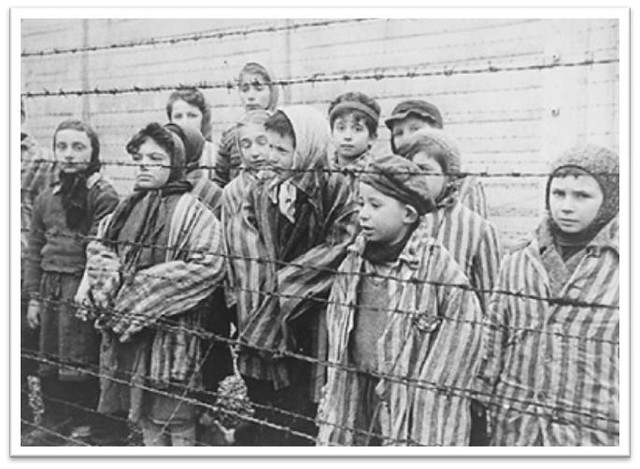
Children selected for extermination
source: wikimedia commons / public domain

The date of January 27 was chosen for this solemn observance as the death camp of Auschwitz-Birkenau was liberated on January 27, 1945.
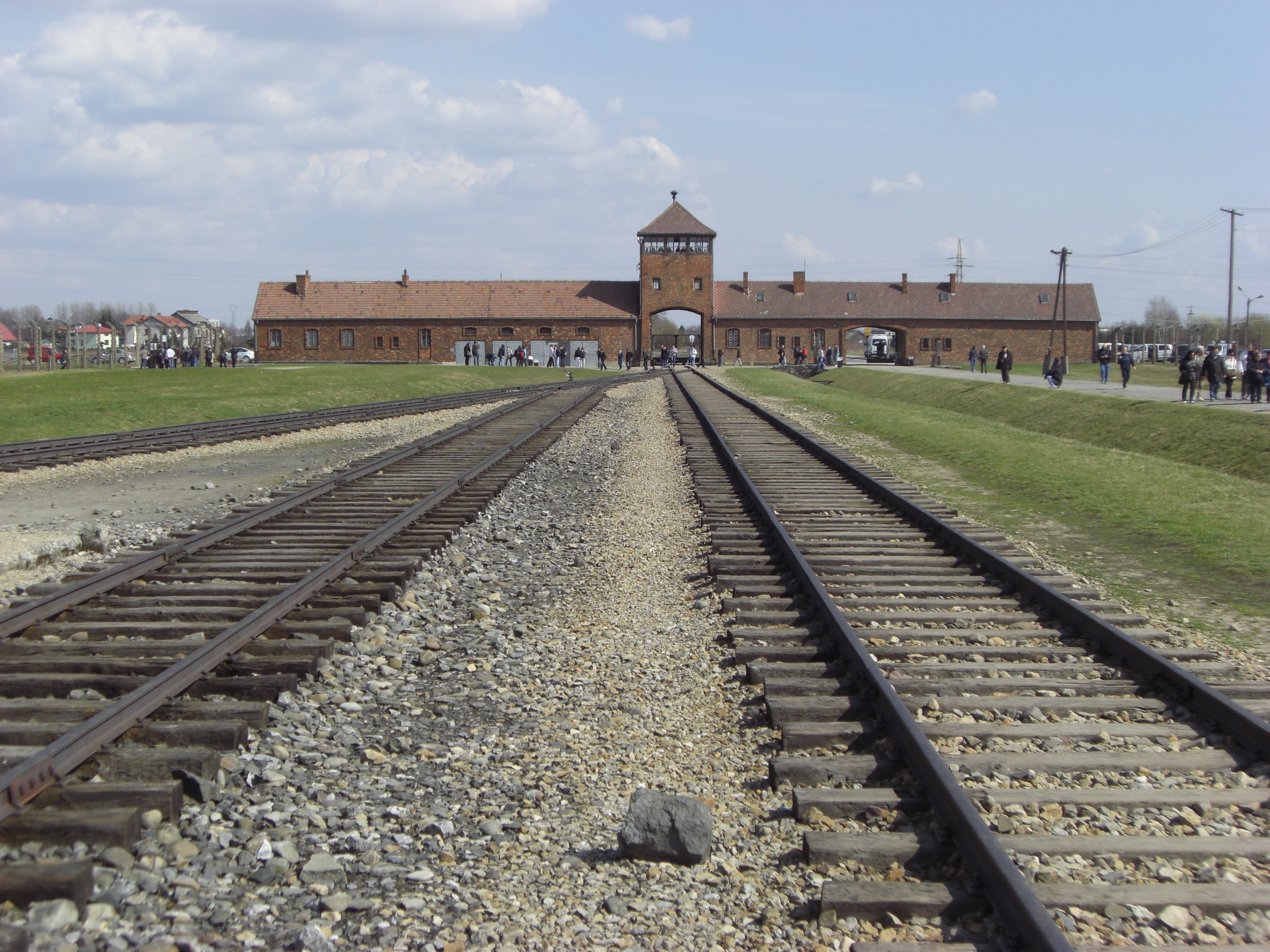
Auschwitz Death Camp
source: Diego Delso, Wikimedia Commons, License CC-BY-SA 3.0

For more on the Holocaust:

Yad Veshem

US Holocaust Memorial Museum

Jewish Virtual Library

Vancouver Holocaust Education Centre

United Nations / UNESCO

International Holocaust Remembrance Day

January 27 is International Holocaust Remembrance Day. Join with us as we take this day to remember the many millions who died during the Holocaust, to learn more about what happened, and resolve to fight against anti-Semitism, racism and other forms of hate and violent oppression.

The term “Holocaust” refers to the period in history in which the Nazi regime of Germany murdered over 6 million Jews, as well as millions of other victims, including Roma, homosexuals, people with physical and mental disabilities, and more. The Nazi persecution of the Jews began in the early 1930’s and reached its most horrific and brutal peak during the period of 1941-1945, as the Nazis adopted as official policy the “Final Solution,” the attempt at completely annihilating the entire Jewish population.

Holocaust RemembranceSource: CC / Sienda
Source: CC / Sienda

The Holocaust is not the only example of genocide in human history. What makes the Holocaust stand out amongst the long and plentiful list of human atrocities and evil?  Germany was amongst the most powerful nations of the world and a leader in science, technology, medicine and engineering.  The German contributions to art, music, literature and philosophy put German culture at the heart of what we would call Western Civilization. And yet this supposedly civilized people turned their great achievements and progress towards planning and carrying out ruthless genocidal murder with scientific and economic efficiency.

Children selected for extermination
source: wikimedia commons / public domain

The date of January 27 was chosen for this solemn observance as the death camp of Auschwitz-Birkenau was liberated on January 27, 1945.

Auschwitz Death Camp
source: Diego Delso, Wikimedia Commons, License CC-BY-SA 3.0

For more on the Holocaust:

Yad Veshem

US Holocaust Memorial Museum

Jewish Virtual Library

Vancouver Holocaust Education Centre

United Nations / UNESCO

International Holocaust Remembrance Day

January 27 is International Holocaust Remembrance Day. Join with us as we take this day to remember the many millions who died during the Holocaust, to learn more about what happened, and resolve to fight against anti-Semitism, racism and other forms of hate and violent oppression.

The term “Holocaust” refers to the period in history in which the Nazi regime of Germany murdered over 6 million Jews, as well as millions of other victims, including Roma, homosexuals, people with physical and mental disabilities, and more. The Nazi persecution of the Jews began in the early 1930’s and reached its most horrific and brutal peak during the period of 1941-1945, as the Nazis adopted as official policy the “Final Solution,” the attempt at completely annihilating the entire Jewish population.

Holocaust RemembranceSource: CC / Sienda
Source: CC / Sienda

The Holocaust is not the only example of genocide in human history. What makes the Holocaust stand out amongst the long and plentiful list of human atrocities and evil?  Germany was amongst the most powerful nations of the world and a leader in science, technology, medicine and engineering.  The German contributions to art, music, literature and philosophy put German culture at the heart of what we would call Western Civilization. And yet this supposedly civilized people turned their great achievements and progress towards planning and carrying out ruthless genocidal murder with scientific and economic efficiency.

Children selected for extermination
source: wikimedia commons / public domain

The date of January 27 was chosen for this solemn observance as the death camp of Auschwitz-Birkenau was liberated on January 27, 1945.

Auschwitz Death Camp
source: Diego Delso, Wikimedia Commons, License CC-BY-SA 3.0

For more on the Holocaust:

Yad Veshem

US Holocaust Memorial Museum

Jewish Virtual Library

Vancouver Holocaust Education Centre

United Nations / UNESCO

International Holocaust Remembrance Day

January 27 is International Holocaust Remembrance Day. Join with us as we take this day to remember the many millions who died during the Holocaust, to learn more about what happened, and resolve to fight against anti-Semitism, racism and other forms of hate and violent oppression.

The term “Holocaust” refers to the period in history in which the Nazi regime of Germany murdered over 6 million Jews, as well as millions of other victims, including Roma, homosexuals, people with physical and mental disabilities, and more. The Nazi persecution of the Jews began in the early 1930’s and reached its most horrific and brutal peak during the period of 1941-1945, as the Nazis adopted as official policy the “Final Solution,” the attempt at completely annihilating the entire Jewish population.

Holocaust RemembranceSource: CC / Sienda
Source: CC / Sienda

The Holocaust is not the only example of genocide in human history. What makes the Holocaust stand out amongst the long and plentiful list of human atrocities and evil?  Germany was amongst the most powerful nations of the world and a leader in science, technology, medicine and engineering.  The German contributions to art, music, literature and philosophy put German culture at the heart of what we would call Western Civilization. And yet this supposedly civilized people turned their great achievements and progress towards planning and carrying out ruthless genocidal murder with scientific and economic efficiency.

Children selected for extermination
source: wikimedia commons / public domain

The date of January 27 was chosen for this solemn observance as the death camp of Auschwitz-Birkenau was liberated on January 27, 1945.

Auschwitz Death Camp
source: Diego Delso, Wikimedia Commons, License CC-BY-SA 3.0

For more on the Holocaust:

Yad Veshem

US Holocaust Memorial Museum

Jewish Virtual Library

Vancouver Holocaust Education Centre

United Nations / UNESCO

Malcolm X


Born on this day in 1925, Malcolm Little grew up in poverty and lived a life of crime. While in prison he worked to self-educate and converted to Islam, Publicly he became known as Malcolm X, dropping what he referred to as his “slave name.” Intelligent, articulate and charismatic, Malcolm X would become one of the leading figures of the fight for equality for African-Americans. In contrast to Martin Luther King who called for non-violent protest, Malcolm X believed that violence would be necessary for black people to gain their rights. Early on he was considered to be a black-supremacist who believed that blacks and whites could never live together. However, he would eventually disavow that position, and would preach the equality of all people and express a hope for peaceful coexistence. In the years prior to his death, he began to reach out with a willingness to work with other Civil Rights groups and leaders. In particular it was after the Hajj, the pilgrimage to Mecca required of all Muslims, where he experienced the coming together of people of all races and backgrounds, that he embraced the possibility of peaceful change rather than inevitable violence. Tragically, he wouldn’t live long in pursuit of those dreams. He was assassinated in 1965 by members of the group he formerly led, the Nation of Islam.

For more on the life of Malcolm X:

MalcolmX.com (official website of the estate of Malcolm X)

The Malcolm X Project at Columbia University

American Experience: Timeline of Malcolm X

Malcolm

International Holocaust Remembrance Day

In 2005 the United Nations designated January 27 as International Holocaust Remembrance Day. The term “Holocaust” refers to the period in history in which the Nazi regime of Germany murdered over 6 million Jews, as well as millions of other victims, including Roma, homosexuals, people with physical and mental disabilities, and more. The Nazi persecution of the Jews began in the early 1930’s and reached its most horrific and brutal peak during the period of 1941-1945, as the Nazis adopted as official policy the “Final Solution,” the attempt at completely annihilating the entire Jewish population.

Holocaust RemembranceSource: CC / Sienda
Source: CC / Sienda

The Holocaust is not the only example of genocide in human history. What makes the Holocaust stand out amongst the long and plentiful list of human atrocities and evil?  Germany was amongst the most powerful nations of the world and a leader in science, technology, medicine and engineering.  The German contributions to art, music, literature and philosophy put German culture at the heart of what we would call Western Civilization. And yet this supposedly civilized people turned their great achievements and progress towards planning and carrying out ruthless genocidal murder with scientific and economic efficiency.

Children selected for extermination
source: wikimedia commons / public domain

The date of January 27 was chosen for this solemn observance as the death camp of Auschwitz-Birkenau was liberated on January 27, 1945.

Auschwitz Death Camp
source: Diego Delso, Wikimedia Commons, License CC-BY-SA 3.0

For more on the Holocaust:

Yad Veshem

US Holocaust Memorial Museum

Jewish Virtual Library

Vancouver Holocaust Education Centre

United Nations / UNESCO

Jackie Robinson Day

jroOn April 15, 1947, Jackie Robinson played his first game for the Brooklyn Dodgers. In doing so, he became the first African-American to play in the major leagues of baseball, breaking the racist colour barriers that shamefully tarnish the history of the great game of baseball. Jackie Robinson was a wonderfully talented player who earned the praise of fans for his play on the field. He also earned praise for his courage and determination in the face of a racist society that continued to resist the equal participation of non-whites in the game and in the everyday life of the nation. Robinson faced racial taunting and violence on the field, and untold indignities and threats away from the ballpark. Thankfully his determination led the way for more black players to follow and helped our society move along the long slow path towards changing attitudes, promoting acceptance and tolerance, and the goal of eliminating racism. Today in all MLB parks, players will wear #42 in honour of Jackie Robinson.

Jackie Robinson Day

jroOn April 15, 1947, Jackie Robinson played his first game for the Brooklyn Dodgers. In doing so, he became the first African-American to play in the major leagues of baseball, breaking the racist colour barriers that shamefully tarnish the history of the great game of baseball. Jackie Robinson was a wonderfully talented player who earned the praise of fans for his play on the field. He also earned praise for his courage and determination in the face of a racist society that continued to resist the equal participation of non-whites in the game and in the everyday life of the nation. Robinson faced racial taunting and violence on the field, and untold indignities and threats away from the ballpark. Thankfully his determination led the way for more black players to follow and helped our society move along the long slow path towards changing attitudes, promoting acceptance and tolerance, and the goal of eliminating racism. Today in all MLB parks, players will wear #42 in honour of Jackie Robinson.

Jackie Robinson Day

jroOn April 15, 1947, Jackie Robinson played his first game for the Brooklyn Dodgers. In doing so, he became the first African-American to play in the major leagues of baseball, breaking the racist colour barriers that shamefully tarnish the history of the great game of baseball. Jackie Robinson was a wonderfully talented player who earned the praise of fans for his play on the field. He also earned praise for his courage and determination in the face of a racist society that continued to resist the equal participation of non-whites in the game and in the everyday life of the nation. Robinson faced racial taunting and violence on the field, and untold indignities and threats away from the ballpark. Thankfully his determination led the way for more black players to follow and helped our society move along the long slow path towards changing attitudes, promoting acceptance and tolerance, and the goal of eliminating racism. Today in all MLB parks, players will wear #42 in honour of Jackie Robinson.

On this day in history: Hank Aaron Became the Home Run King

It is difficult for us today to understand the significance of April 8, 1974.  On that day in Atlanta, Henry Aaron hit his 715th career home run in Major League Baseball. In doing so Aaron surpassed the record of the legendary Babe Ruth, a record that had stood for 40 years.

That it was the Bambino`s record that was broken was massive. Babe Ruth still holds a place in the pantheon of Baseball icons.  However, in 1974 the Babe was, in the minds of most Americans, the greatest ball player, if not the greatest athlete, of all time. The home run mark of 714 seemed unassailable when it was set in the 1930`s. But even more significant than the record was the colour of the skin of the man who broke it. Hank Aaron was black.  For an African-American, a negro as he would have been known for most of his career, to break the greatest record in sports, was unthinkable. Hank Aaron still has the letters to prove it:

Hank Aaron has the letters tucked away in his attic, preserved these last 40 years. He’s not ready to let them go.

He almost has them memorized by now, but still he carefully opens them up and reads every word, as if he wants to feel the pain.

“You are (not) going to break this record established by the great Babe Ruth if I can help it,” one of them reads. “Whites are far more superior than jungle bunnies. My gun is watching your every black move.”

Yes, Aaron even saved the death threats, the ones that vowed to end his life if he dared break Ruth’s cherished all-time home run record. (USA TODAY)

Read the rest of the article