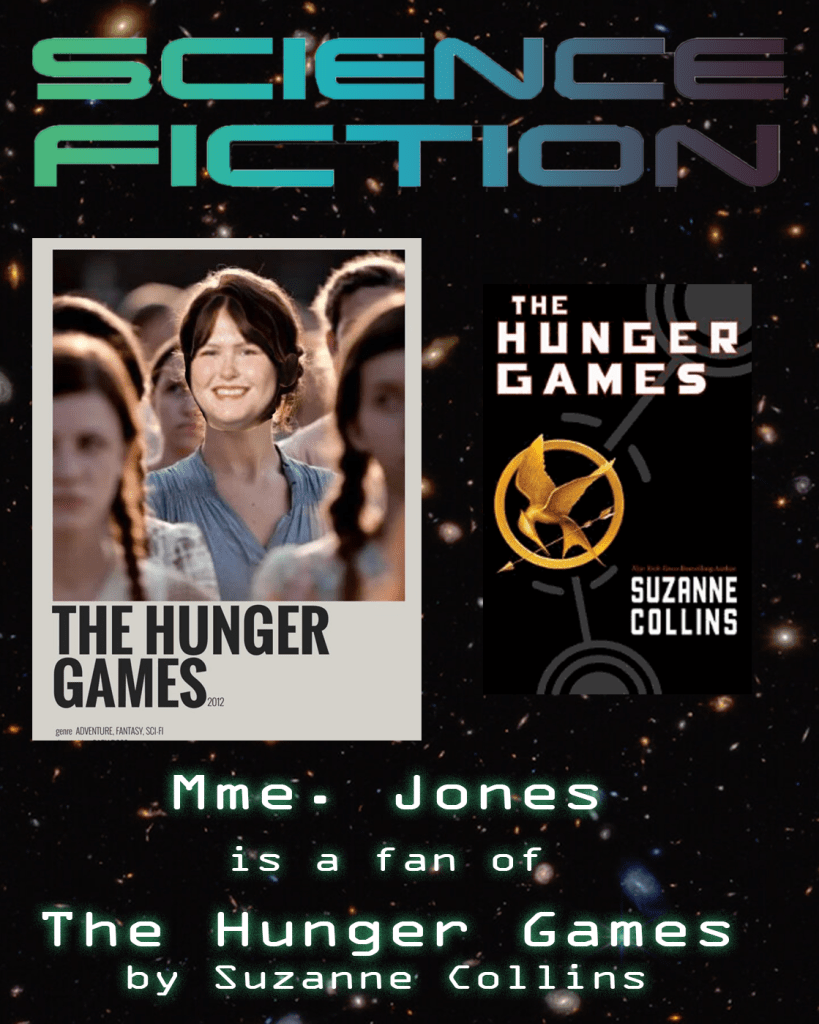
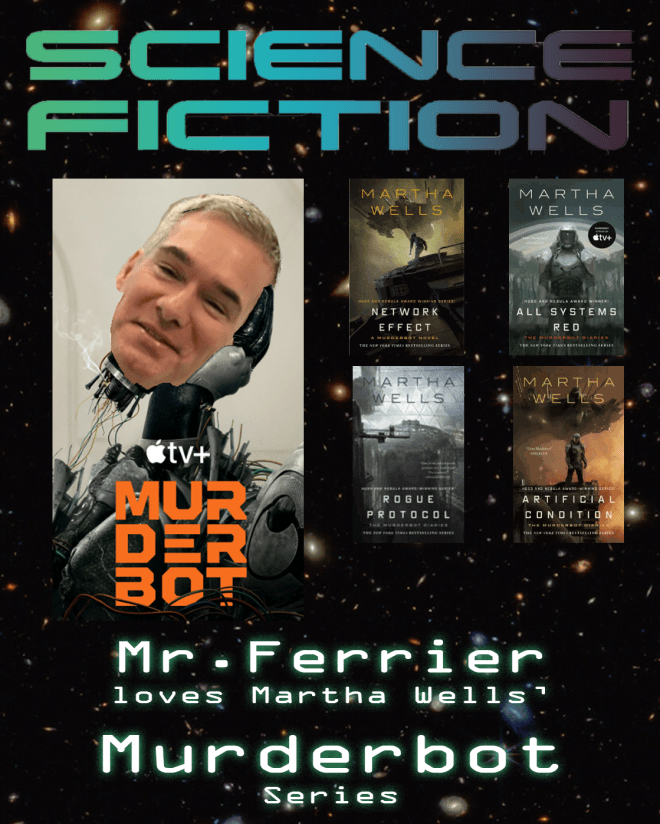
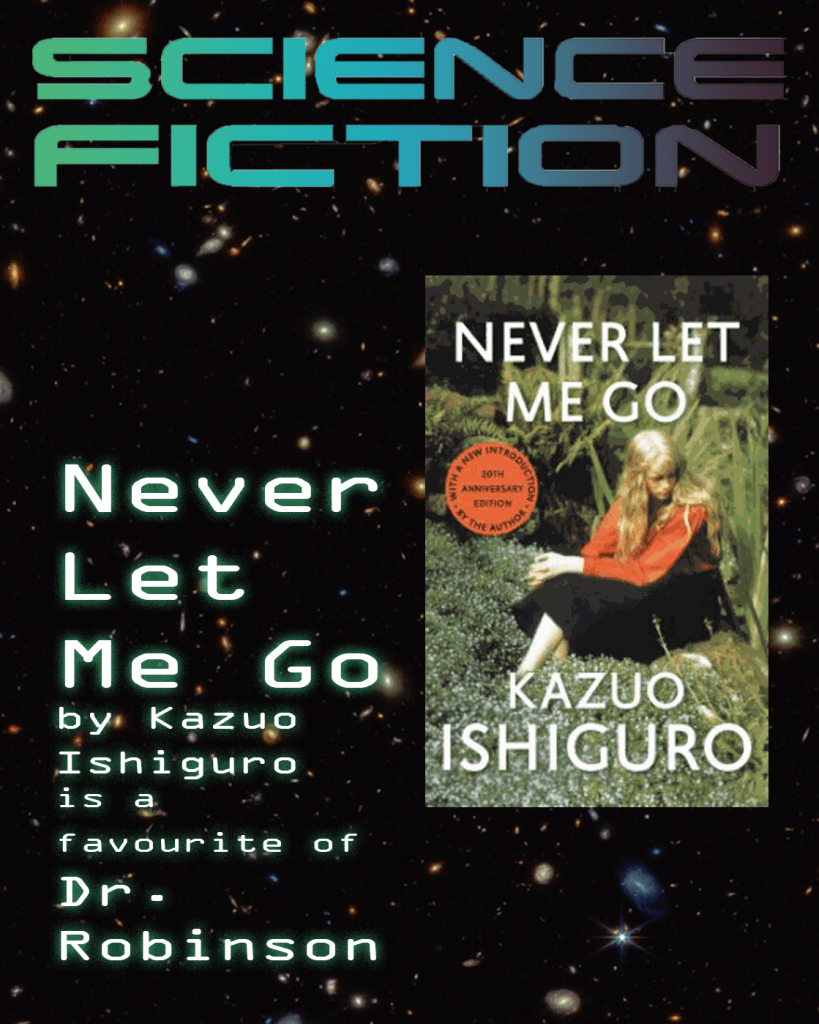
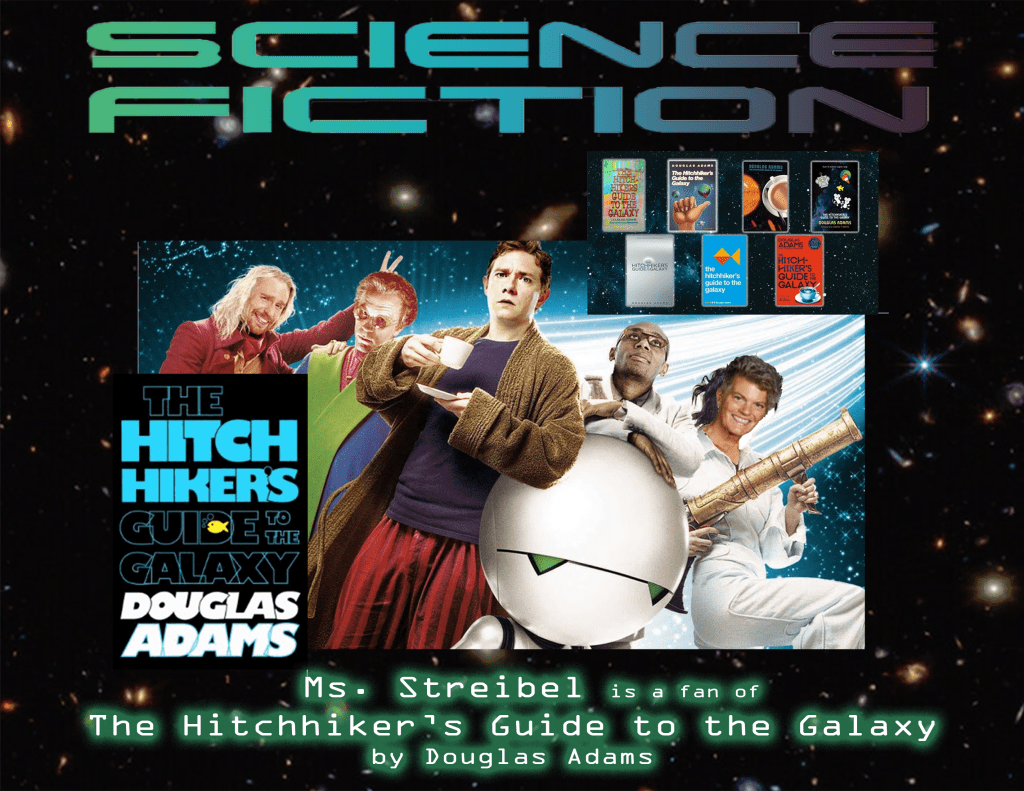
What is Sci-Fi?

What is science fiction? There are many different books, films, games and other media that can fall into the genre of sci-fi. There are many different definitions, many different sub-genres, and many different elements that can make something “sci-fi.” It wouldn’t be possible to come up with one definition that all Science Fiction writers and creators would agree upon. Having said that, we can examine some common themes and elements.


Science Fiction is a genre which can fit under the umbrella of Speculative Fiction, alongside, and often overlapping with, Fantasy and Horror. Science Fiction tends to be futuristic, imagining advances in technology and scientific achievement beyond our current levels. Robots, cyborgs and technologically modified humans are common in SF. Sci-fi often includes elements such as space travel, aliens, life on other planets or in other galaxies. However, sci-fi can also stay here on earth, exploring such things as utopia, dystopia, alternative histories, and post-apocalyptic scenarios. There can be an emphasis on science, with stories set in very realistic situations based on real scientific research, but can also extend into levels of conjecture that may try to extrapolate or predict where we are headed with science. In fact, SF can stray from hard science, abandoning realism altogether as it explores the paranormal and the fantastic.

Isaac Asimov

One of the giants of science fiction. and one of the great minds of the 20th Century, Isaac Asimov was born on this day in 1920. His work and the work of other great sci-fi writers, film makers and game developers is celebrated on this day, unofficially known as “International Science Fiction Day.” Here in your School Library we are going to be celebrating Sci-Fi all month long– so stay posted, and visit us in person, to find out more.

Summer Solstice

Tomorrow is the first day of Summer. The Summer Solstice will take place in the Northern Hemisphere at 7:57 AM on June 21st (Pacific Daylight Time). The Summer Solstice is also called the estival solstice and occurs in the Northern Hemisphere when the North Pole is at its most extreme tilt towards the sun. The result is the longest day (and shortest night) of the year. The Solstice is also the first day of the season of Summer– although, confusingly, festivals known as Midsummer, take place around the same time, often on June 24.

By Bengt Nyman from Vaxholm, Sweden – DIMG_5456, CC BY 2.0,

Chernobyl Disaster

DAVID HOLT, CC BY-SA 2.0 via Wikimedia Commons

On this date in 1986, in what is now the Ukraine, what was then part of the Soviet Union, the Chernobyl Disaster began. This was the world’s worst nuclear power plant accident, resulting in incredible environmental destruction, hundreds of lives lost in the immediate disaster, and untold thousands of humans deaths as long term consequences unfolded over the years.

Find out more:

International Atomic Energy Agency

UNSCEAR (United Nations)

Chernobyl: National Geographic

World Health Organization

United Nations Chernobyl Disaster Remembrance

Let’s Talk Science

YaleEnvironment360

Wired: Nuclear Power

Greenpeace

Is nuclear power a feasible alternative to fossil fuels? The contribution of the burning of fossil fuels to the crisis of climate change must be accounted for, but are the risks associated with nuclear power too great? Check out the websites and books listed above, and then look for more resources to dig deeper to find out where scientists stand on these issues. Get informed and be a positive part of the decisions that will affect our future.

April is Earth Month at your School Library. Visit us to find out more.

Book Spotlight: Earth Day

Come down to your School Library to find out more about Earth Day and all the issues that we face in terms of protecting life on this planet.

If you are looking for a quick introduction to the scientific understanding of the issues of climate change, this is a great place to start: This is Climate Change: A Visual Guide to the Facts: See for Yourself How the Planet is Warming and What it Means for Us, by David Nelles & Christian Serrer.
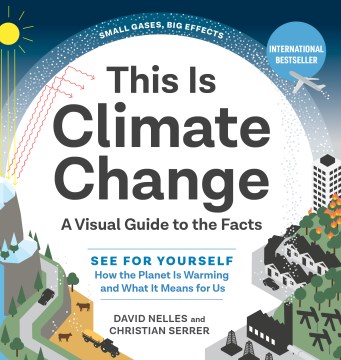

What they (the authors) were hoping to find was a book that explained the nuts and bolts of climate change and presented the scientific evidence in a way that was concise and enjoyable to read. After a long and fruitless search, they eventually gave up and instead decided to write it themselves.

“Who’s Behind the Book”, Nelles and Serrer, 128)

An excellent feature of the book is the comprehensive bibliography that can be reached by QR code or by using the given URL. Go here to see the Bibliography.

Autumnal Equinox


This year the Autumnal Equinox, also known as the September, Autumn or Fall Equinox, takes place at 6:03 PM (PDT) on September 22.  The sun will appear directly over the equator at that time.

Summer ends.

Autumn begins.


source: National Geographic

Find out more: