At least in this library they will.
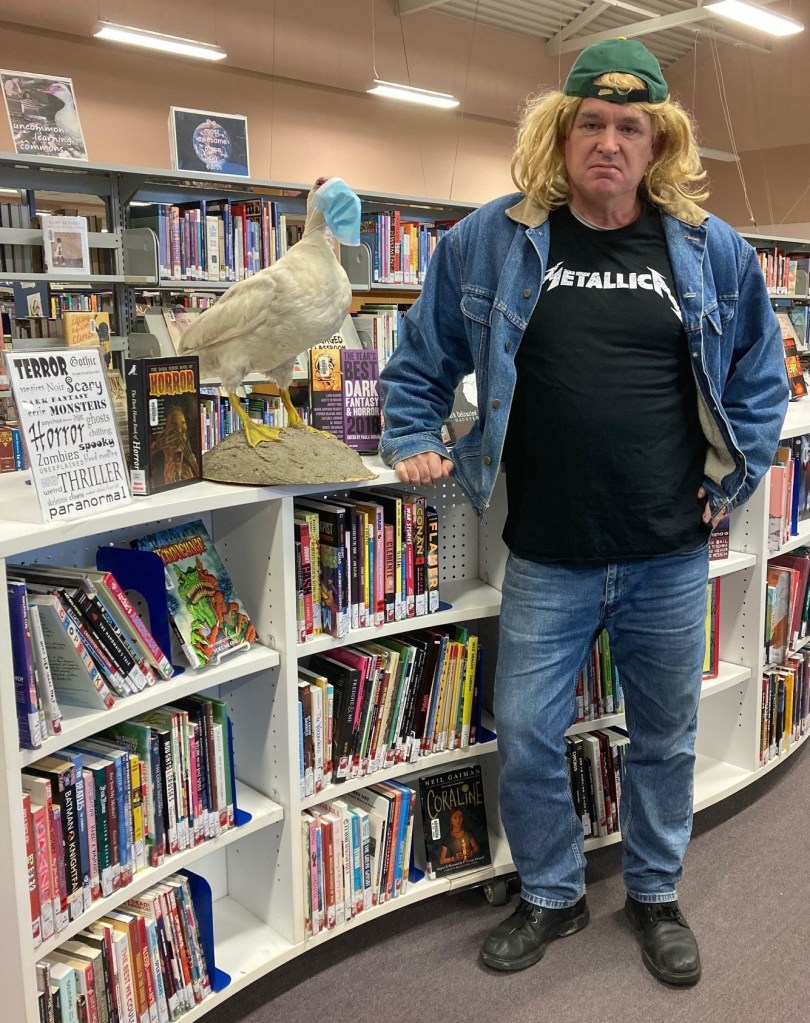
Have a FUN and SAFE Halloween.
At least in this library they will.
Have a FUN and SAFE Halloween.
Teachers and staff at Lord Tweedsmuir share the stories that scared them the most. Use the comments below if you want to add your scariest story to the list.
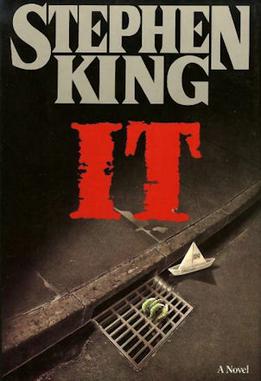
Ms. Robinson shares:
“I literally slept with the lights on for WEEKS and ALWAYS look twice at storm drains…”
Ms. Miller says:
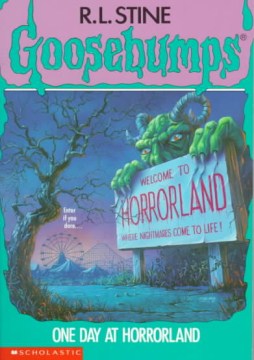
“The idea of being passive-aggressively locked in an amusement park against my will with a bunch of monsters is terrifying!!”
Welcome to Horrorland, part of the “Goosebumps” series by R.L. Stine

Mr. Eckert named this book..
No explanation given.
Must be too scary to talk about…
Mr. Buist tells us:
“Here is the Context: I was reading this in my grandparents old farmhouse on a windy night. My Aunt has a cat ( but I didn’t know that the cat was in the house or that its favourite sleeping place was the bed that I was sleeping in that night. I finish the story, am trying to sleep, cat jumps on my bed then crawls onto my back…
the horror… the horror…”

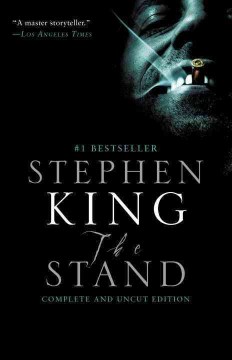
Ms. Harding shares:
“The scariest book I ever read was The Stand by Stephen King. I was in high school at the time, and was home sick with the flu when I read it.”
Ms. Nicholls adds:
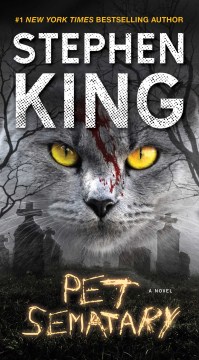
Pet Semetary by Stephen King
Dr. Louis Creed and his wife, Rachel, relocate from Boston to rural Maine with their two young children. The couple soon discover a mysterious burial ground hidden deep in the woods near their new home
Mr. Ferrier writes:
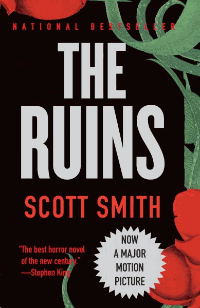
“What to Expect When You’re Expecting.
Just kidding.
The Ruins – by Scott Smith. I don’t really have a favorite scary book. I found this one entertaining enough, even if it is a little predictable. There’s even a movie!”
Mr. Cameron says:
“Definitely IT. I read the book while in University and I literally couldn’t read it at night if I was alone in my apartment.
What made it scary was simply Pennywise the Clown. King’s description of Pennywise was so vivid and just reading “Beep Beep Ritchie” terrified me.
Also, back then I read a lot of Stephen King novels and he would add Pennywise in a different novel (Tommyknockers) in just one sentence to let the reader know, Pennywise was still around even if it was a completely different novel.”
Ms. Barnes adds:
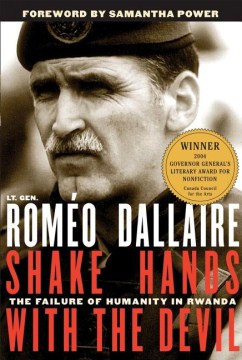
“Romeo Dallaire’s Shake Hands With the Devil is not traditionally scary. Took a long time to get through.
I will never forget it.”
Ms. Turgeon shares:
“Cujo was scary because of the reality of that scenario and Mr. King’s descriptive skills. I won’t ruin the ending but its emotional impact has stuck with me through the years. “

Mr. Ghuman reveals:
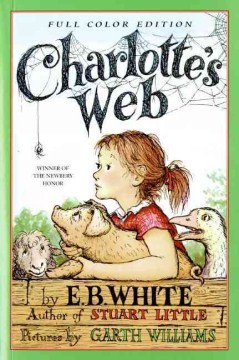
“This book scares me so much. Pigs, geese and other farm animals talking to each other is FREAKY. And a spider that can write? I can’t even.”
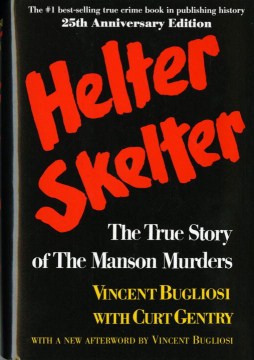
Mr. Hoelzley adds this classic of true crime:
Helter Skelter by Vincent Bugliosi
People need to read books for book banning to even be a thing. This idea has been expressed in many different ways.
So Read. Keep reading. Read some more. Read what you want to read. Read what you decide to read.
Read for information. Read to learn. Read for fun. Read to escape. Read for entertainment. Read to experience the world from the point of view of different people. Read to cry. Read to be scared. Read to laugh.
Read to understand. Read to learn new things. Read to learn more about things you already know.
Read to learn the point of view of people that you might disagree with, even when you are certain that you will disagree with them. Read to consider new information, new evidence, new perspectives. Read critically, even skeptically, but read with an openness to change your mind when faced with rational and logical reasons to do so.
Read for whatever reason you decide. Stand up for your freedom to decide for yourself what you want to read.
That doesn’t mean you should read anything and everything. People that care about you might know why reading some things, at certain times, might not be so good for you. You might decide not read some books because of your age, maturity, or history. Some books might not be right for you because of your current mental or emotional health. Perhaps some material has nothing to offer you of any value. But that is for you to decide in cooperation with the people that you trust. That is not for other people, other groups, organizations or governments to decide for you.
People try to ban books because they don’t want you to read those books. If you don’t read books to begin with, you are doing their work for them.
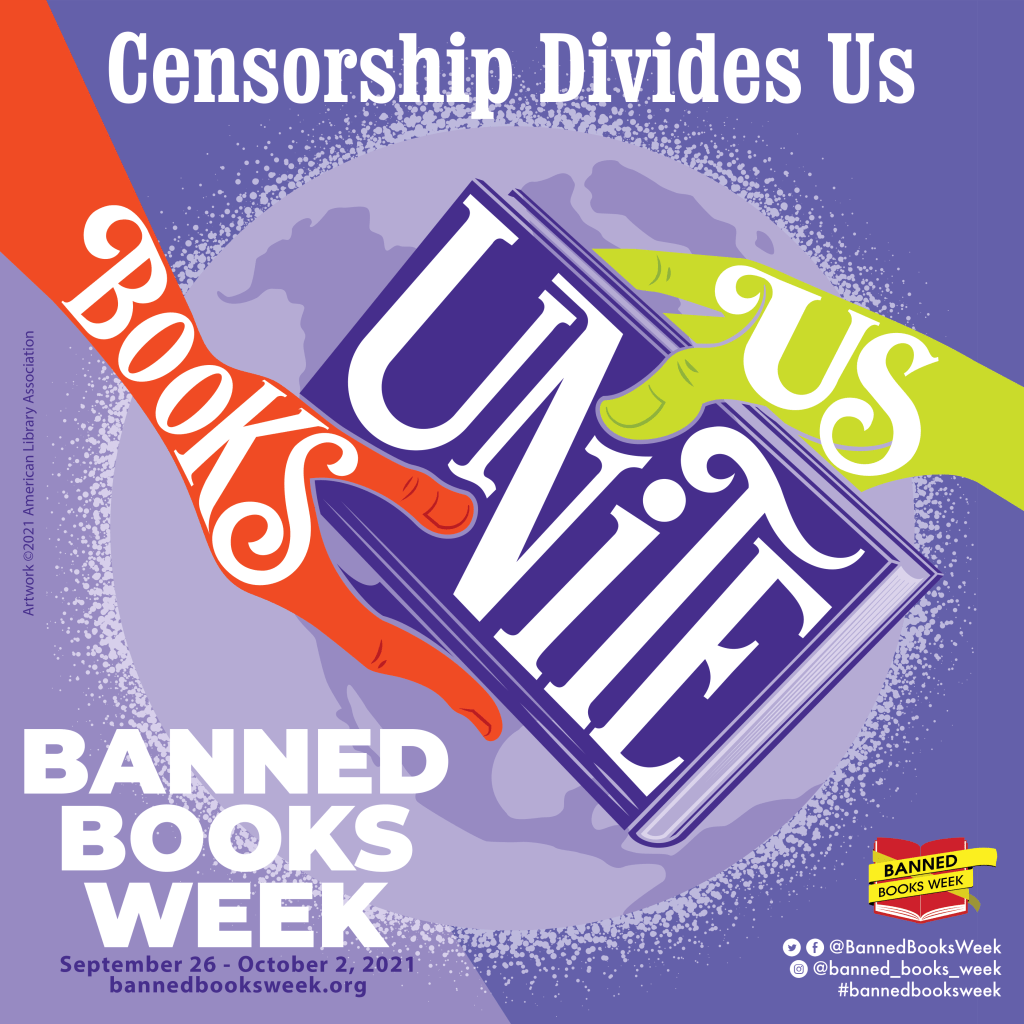
It can be tempting to think of the banning of books as something that happened in the past, only by extremely conservative types, or in authoritarian regimes. Sadly, book banning is alive and well here and now. Sure, it is not shocking that anti-democratic governments in places like China, Russia, Iran, Hungary or Venezuela strictly control the flow of information and literature. Yet in our society, where we make claims on being champions of democracy and freedom, book banning is on the rise.
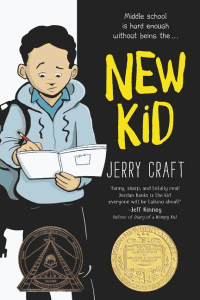
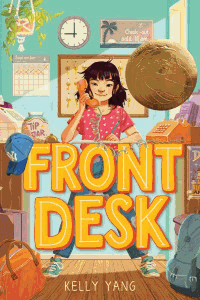
Kara Yorio writes in School Library Journal: “It has been a busy Banned Books Week, as the stepped-up challenges to books and their authors continue, with books by kid lit creators Jerry Craft and Kelly Yang added to the list of titles some parents claim are objectionable.” Read the rest of this article.

Meanwhile “Ruby Bridges Goes to School” has been targeted by book banners as well. Author Ruby Bridges recounts the true story of her experiences as a 6 year old girl who became the first black student to attend a formerly whites only public school. An organized group of parents wanted their local school board to ban this book, “for supposedly “explicit and implicit anti-American, anti-white” bias (source).” Read more in this Miami Herald article.
Here are four of the most challenged books from the last year, all available in our school library:

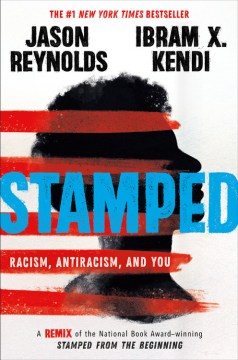

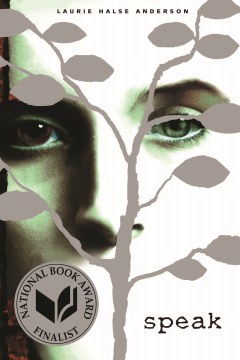
Read the rest of the “The Top 10 Challenged Books of 2020” from the American Library Association.
 Lord Tweedsmuir Secondary School Library