Imbolc

Imbolc is celebrated February 1 to 2. The traditions of Imbolc reach back deep into the pagan history of the Celtic peoples of Ireland and its neighbours. With the Christianization of Ireland, Imbolc was replaced by St. Brigid’s Day . Imbolc as a cultural event has seen a resurgence in recent years, mainly in the neo-pagan community. Imbolc has also grown in popularity amongst others who desire to celebrate traditional Irish/Celtic culture, particularly in regards to the connections with nature and the cycles of the year.
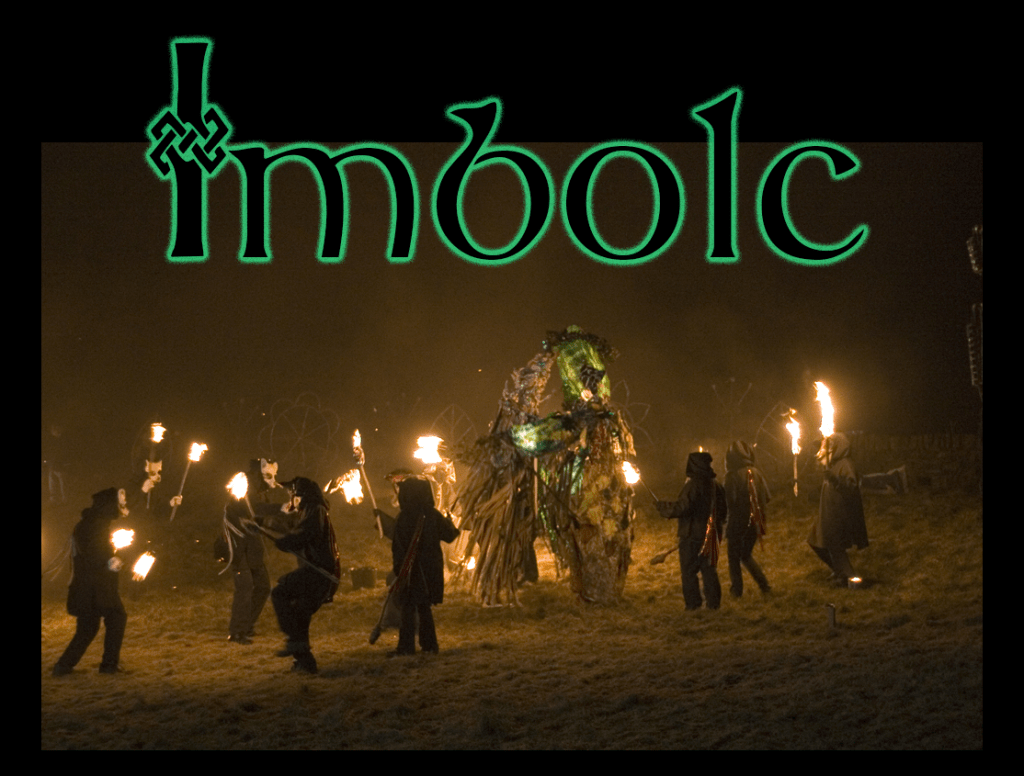
<a href="http://steven earnshaw, CC BY 2.0 source


Roughly halfway between the winter solstice and the spring equinox, Imbolc was celebrated as the start of Spring. Imbolc was associated with new life and fertility, particularly the arrival of lambs. Imbolc was also strongly associated with the Goddess Brigid. When Christianity arrived in Ireland in the early 5th, pagan traditions were often adapted to the new beliefs. Imbolc became known as St. Brigid’s Day. Along with St, Patrick and St. Columba, St. Brigid was a patron saint of Ireland. She may or may not have been a real person, and many historians believe that real person or not, her name was borrowed directly from the pagan goddess.

Find out more:

The Year of the Snake

Happy Lunar New Year!

In 2025 the Lunar New Year, also known as , the Spring Festival, Chinese New Year, and many other names, begins on January 29 and will continue for several weeks all over the globe. Canadians join with many millions of people in Asia, and millions more of Asian Heritage around the world, to celebrate the Year of the Snake.


The celebrations around this event include many different local practices and are known by many names around the world, including Tet (Vietnam); Seollal (Korea); Koshogatsu or “Little New Year” (Japan).  Multiday, and even multiweek festivals will take place around the world on the days and weeks of late January and early February. The Lantern Festival is an example of an associated event that takes place several weeks into the new year.

In North America it is often called Chinese New Year, although the Chinese themselves are more likely to refer to it as the Spring Festival. Moreover, the term “Lunar New Year” is more reflective of the multi-ethnic and multicultural nature of the celebrations. In Canada this is especially important, as many Canadians trace their roots to many different parts of the world, including China, but also to many other places in East Asia such as Korea, the Philippines, Vietnam and Japan.

Find out more:

LunarFest Vancouver

The Lunar New Year in Canada

Korean New Year

Chinese New Year

Tet

BBC Lunar New Year

Guru Gobind Singh

On January 6, 2025, Sikhs in Canada and around the world celebrate Guru Gobind Singh Jayanti, a chance to observe and celebrate the birth of Guru Gobind Singh. The Guru was born in 1666 in Patna, India. He was the 10th and last of the (human) Gurus of Sikhism. He established the Khalsa, the organization of men and women baptized into the Sikh faith. He also established the Guru Granth Sahib, the holy book of Sikhism, as the final Guru for the Sikh people.

GuruGobindSingh
source: discoversikhism.com

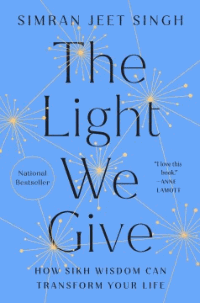
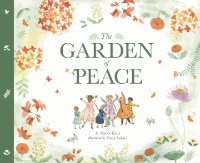
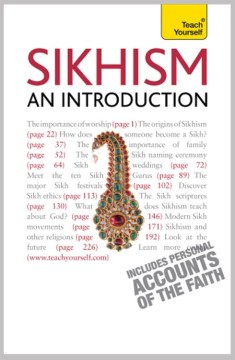
For more on Guru Gobind Singh and the Sikh faith, check out: