Bodhi Day

Rohatsu/ Laba/ Bodhi Day: December 8


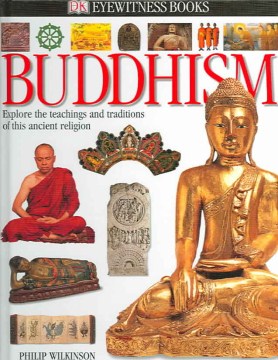
Rohatsu, Laba and Bodhi Day are all different names for the celebration of the Enlightenment of the the Buddha.

In much of the world is is known as Bodhi Day. In China it is known as the festival of Laba, while in Japan it is known as Rohatsu.

The religion known as Buddhism dates back to the 6th or 5th Century BCE, when the Indian Prince Siddhartha Gautama became the “Buddha,” literally, “the Enlightened One.” The followers of the Mahayana branch of Buddhism observe Rohatsu, Laba, or Bodhi Day, in celebration of the day that the Buddha sat below the Bodhi Tree and meditated on the meaning of life. 

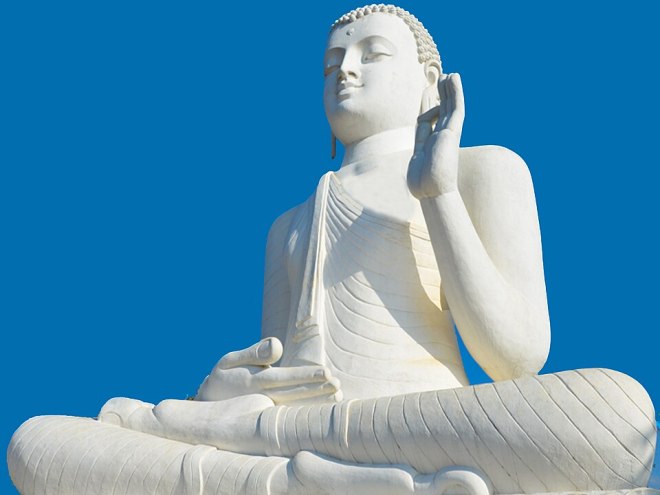
The Great Buddha at  Kōtoku-in, Kamakura, Japan
source: Wikimedia Commons; Bgabel at wikivoyage shared, CC BY-SA 3.0

This day is celebrated mainly by the Buddhists of northern and eastern Asia, and in countries to which those people have immigrated (such as Canada). To many this holiday is known as Bodhi Day and it occurs on the 8th day of the 12th month of the lunar year. With the Japanese adoption of the western calendar (Gregorian) Rohatsu is fixed on December 8th.

For more on Rohutsu and the life of the Buddha:

and these books in your School Library:

Las Posadas

Las Posadas: December 16-24


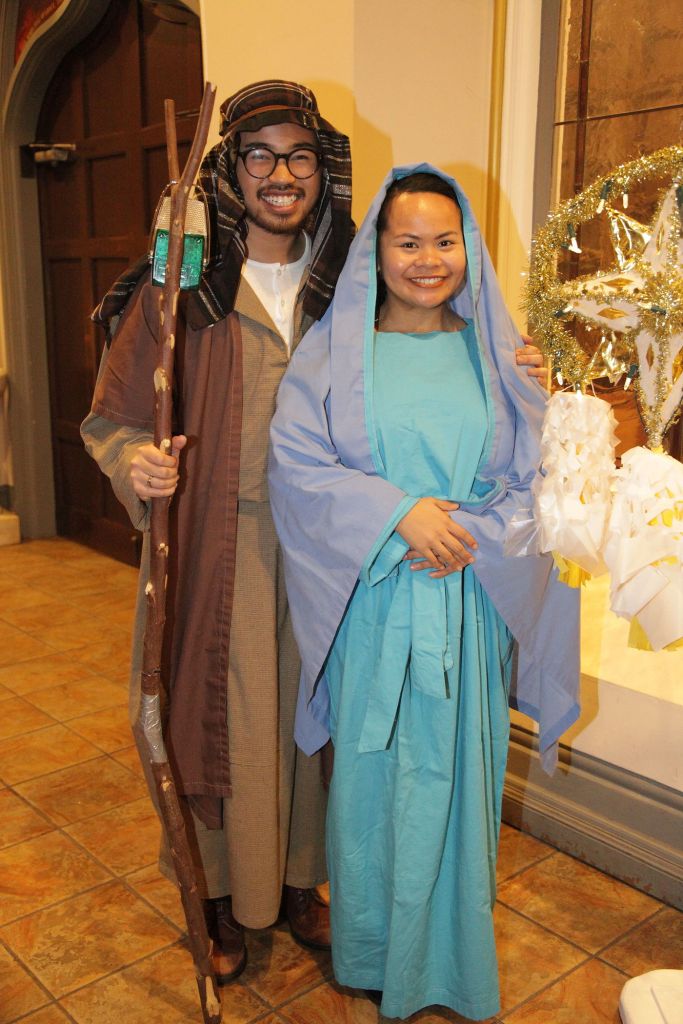
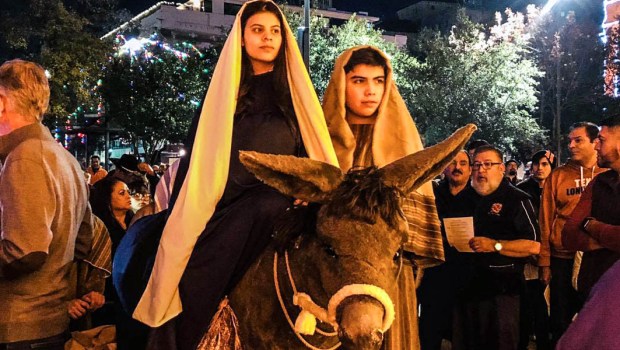
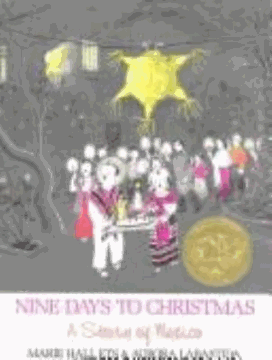
This 9 day festival is central to Navidad (Christmas) celebrations in Mexico. This is a neighbourhood festival that commemorates the journey of Mary and Joseph, who could not find posadas, (Spanish for “lodging”) before the birth of Jesus. A procession, including people dressed as Angels, Saints and the Holy Family, marches through the neighbourhood, knocking on doors looking for a place to stay. Like Mary and Joseph, they are refused, until finally the parade ends at one home where they are welcomed in. Feasting ensues, including a pinata for the children.


Find out more:


Be sure to check out our display, “Holidays & Holy Days,” at your School Library.

St. Nicholas Day

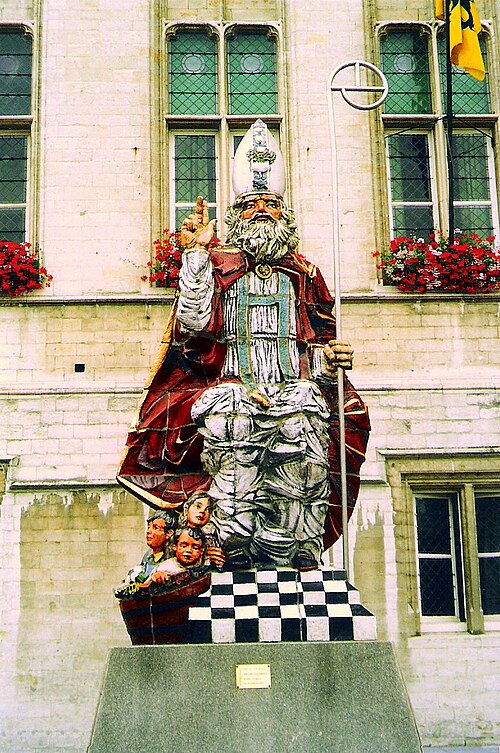
stnickIf people tell you that Santa Claus isn’t real, tell them to think again! Saint Nicholas lived in the 3rd and 4th Centuries AD(CE). He lived in what is now known as Turkey, but what was then a Greek area of the Roman Empire. The legends surrounding his life grew and evolved over the years, eventually leading to our modern picture of Santa.

In much of Europe and in many parts of the world, St. Nicholas Day is celebrated on December 6, or on another date other than Christmas.

For more information, check out the St. Nicholas Centre.

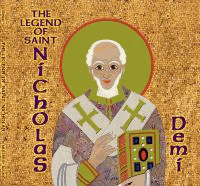
You can also check out these books about St. Nicholas AKA Kris Kringle AKA Santa Claus, at your School Library:

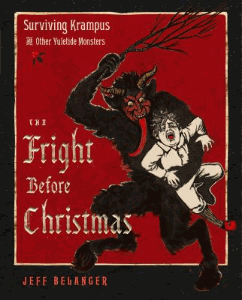
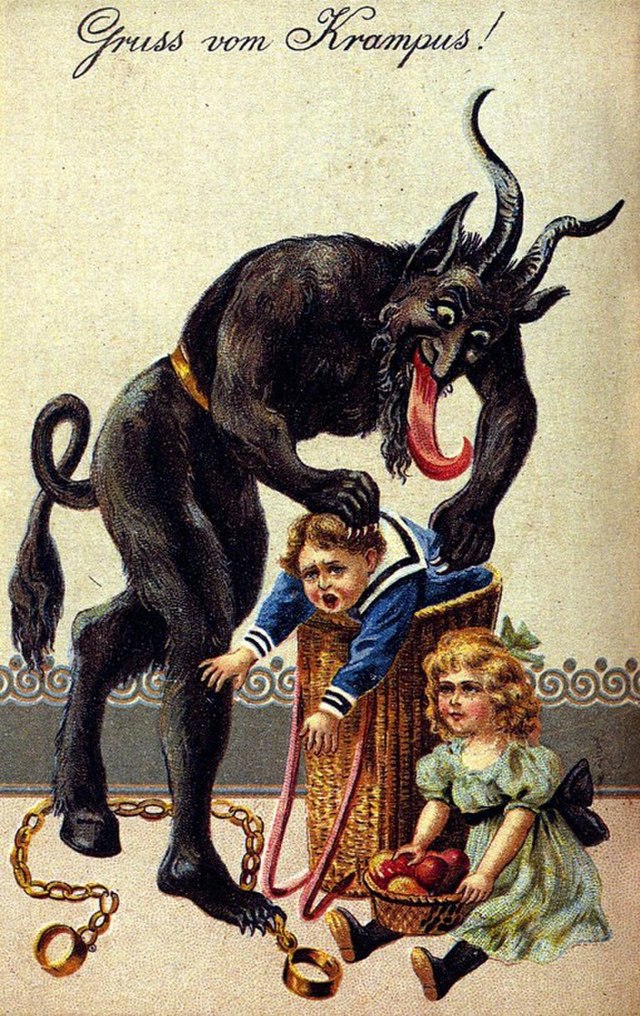
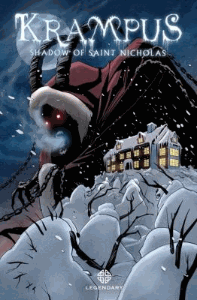
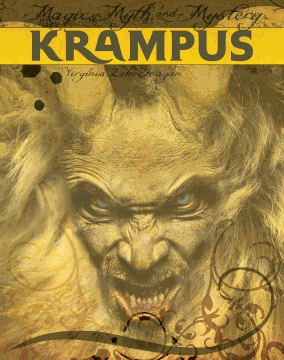
Krampusnacht


Krampus is coming to give you what you deserve, bad little boys and girls!

Many people all across Europe celebrate St. Nicholas Day on December 6 each year, as do some people in Canada who have roots in Europe. St. Nicholas comes during the night and leaves presents for good girls and boys. (Look for tomorrow’s post more more information on St. Nicholas.)

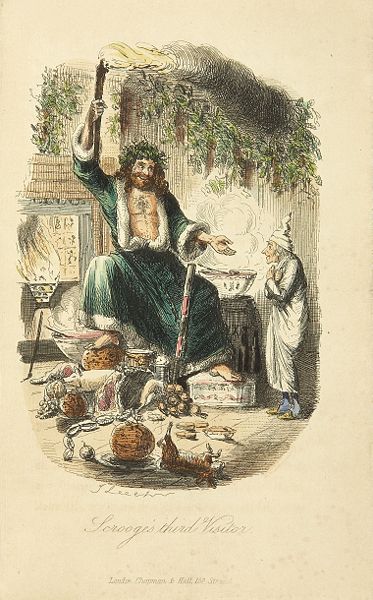
In some places, tradition holds that St. Nicholas had a helper– or at least a counterpart, who visited the bad children. Krampus.

In Germany, Austria and other Alpine countries, Krampus became a part of the St. Nicholas story. Half goat, half demon, Krampus is a nightmarish figure who comes for those overlooked by St. Nicholas, who has gifts for the good (or in some cases, the intelligent!) At best Krampus might deliver coal or twigs. But children fear far worse, that Krampus will punish them, torture them, even kidnap them and carry them away to his lair– or to Hell!

Krampusnacht is is observed in many places on December 5, with parades and other celebrations, including the Krampuslauf, or Krampus Run, in which young people dress up like Krampus.

Find out more:

The Holiday Season 2025

Here are just some of the observances, festivals, celebrations and special days that take place in the coming month or so of holidays and holy days, known to many as “The Holiday Season.”

  • November 30: Advent (first Sunday)
  • December 1: Gita Jayanti
  • December 2: Giving Tuesday
  • December 5: Krampusnacht
  • December 6: St. Nicholas Day
  • December 7: Advent (second Sunday)
  • December 8: Bodhi Day / Rohatsu
  • December 8: Feast of the Immaculate Conception
  • December 10: International Human Rights Day
  • December 11: Feast of Masa’il
  • December 14: Advent (third Sunday)
  • December 14 (evening): Hanukkah begins
  • December 16: Simbang Gabi / Los Posadas
  • December 21: Winter Solstice / Yule / Grianstad an Gheimhridh
  • December 21: Advent (fourth Sunday)
  • December 22: Hanukkah concludes
  • December 23: Festivus
  • December 24: Christmas Eve
  • December 25: Christmas Day
  • December 26: St. Stephen’s Day
  • December 26: Kwanzaa begins
  • December 31: New Year’s Eve
  • December 31: Hogmanay
  • January 1: New Year’s Day
  • January 1: Kwanzaa concludes
  • January 5: Guru Gobind Singh Jayanti
  • January 5: 12th Night / Christmastide concludes
  • January 6: Epiphany / King’s Day
  • January 7: Orthodox Christmas
  • January 13: Yule (First Full Moon after Solstice)
  • January 13: Maghi / Lohri

Visit your School Library, in person and online, to find out more about this season of Holidays and Holy Days.

Gita Jayanti

Gita Jayanti is a Hindu observance that celebrates the Bhagavad Gita, one of the holy books of Hinduism.  The Bhagavad Gita is presented as a dialogue between Arjuna, a prince, and Krishna, the embodiment of God. In 2025 this day takes place on December 1, however local festivals may take place at different times, and can last several weeks.

source: wikimedia commons / public domain

Find out more:

Gita Mahotsav

Hindu Calendar for Surrey BC


December is a month of Holidays & Holy Days. Visit your school library to find out more.

Advent

Advent Wreath and Candles.  source: Clemens PFEIFFER, Vienna (CC / wikimedia)

The Holiday Season in the western world has traditionally been synonymous with Advent, literally the period of expectation of an important arrival. For Christians the season of Advent is about the anticipation of Christmas, the celebration of the birth of Christ. In the Christian Church, on each of the four Sundays leading up to Christmas, candles are lit as symbols of Advent.

In 2025 the four Sundays of Advent are November 30, December 7, December 14 and December 21.

Holidays & Holy Days


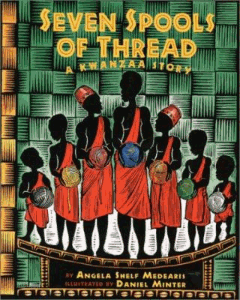
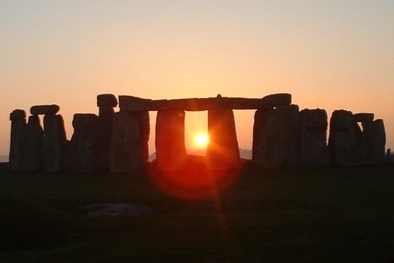
Happy Holidays! We have entered another season of feasts and festivals, holy days and holidays, in and around December. Visit your School Library, in person or online, to learn more about Christmas, Hanukkah, Kwanzaa, Yule, St. Nicholas Day, Simbang Gabi, Festivus, the Nativity, the Winter Solstice, Krampusnacht, New Year’s Eve, Advent, Bodhi, Boxing Day and more.

Remembrance Day


Remembrance Day is November 11. Today at LTSS we will observe Remembrance Day Assemblies.

Armistice Day was established to honour the fallen soldiers of Canada in “The Great War” of 1914-1918. Later, the name of the day was changed to Remembrance Day. Despite the horrors of “The War to End All Wars,” Canadians would go on to serve, and die, in another World War, as well as other conflicts and peacekeeping missions around the globe. Remembrance Day is a national holiday to honour the memory of those Canadians who have fallen in war.

Remembrance Day is not meant to celebrate war or glorify war. War has brought untold suffering and pain to the world. Those who have experienced war, especially those that have lost loved ones in war, know that war is not something to celebrate. Instead, we pay our respects to those whose lives were cut short by the horror of war.

Please take some time to reflect on what Remembrance Day is all about. On November 11th at 11:00 AM, plan to take some time to honour those that have died and those that have served. Whether you attend a ceremony in person, or check out the television coverage of the ceremony in Ottawa or other parts of Canada, take some time for Remembrance.

Samhain

The Gaelic Festival of Samhain marks the end of the harvest season and the beginning of winter. Samhain begins at sundown on October 31 and goes until sundown on November 1.

source: wikimedia commons

The roots of Samhain stretch back deep into the prehistoric development of Celtic pagan beliefs. With the arrival of Christianity in what we now know as Ireland and Scotland, the practices of Samhain and All-Saints Day merged over time. Halloween traces many of its roots back to both Samhain and “All-Hallows Eve,” — the night before All Saints Day.

There has been a modern revival in celebrations of Samhain, in part due to the practices of Wiccans and other neo-pagans, as well other people who see it as a as a way to incorporate Celtic rituals into their belief systems. Many others see it as a way to celebrate Irish culture and history. Samhain is often celebrated with feasting and giant bonfires.


Find out more:

Is Reading Horror Good for You?

Why do so many people take delight in getting spooked? Why are Horror books and movies so popular? Here are some articles that attempt to explain why there may be some good reasons for scaring yourself with Horror fiction.


October is Halloween Month. Come down to your School Library to browse our collection of Horror Fiction.