Library Hall of Fame

October is Canadian Library Month and International School Library Month. Today we are highlighting a few noteworthy librarians who are the first inductees into our “Library Hall of Fame.”


Zoia Horn

source: Peter Brantley from El Cerrito, CC BY-SA 2.0 via Wikimedia Commons

Zoia Horn (1918-2014) was a librarian who went to jail rather than abandon her professional integrity and steadfast commitment to intellectual freedom. Horn was pressured by authorities to testify against anti-war activists charged with conspiracy during the Vietnam War. Horn refused, and was jailed for three weeks for contempt, the first time that has happened to a librarian in the United States. The California Library Association presents an annual Zoia Horn Intellectual Freedom Award in honour of her legacy.


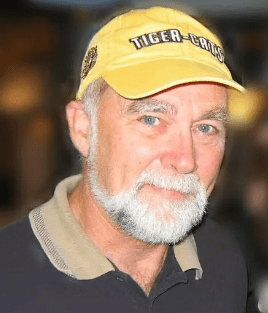
Brian Deer

source: The Eastern Door

Brian Deer (1945–2019), a Mohawk from the First Nations Territory of Kahnawake in Quebec, was one of the first Indigenous librarians in Canada. Deer developed an original library classification system that expresses Indigenous knowledge structures. The Brian Deer Classification System has been adapted for use in libraries across Canada, including the indigenous library at UBC,  the Xwi7xwa Library.


Nancy Pearl

source: Seattle City Council from Seattle, CC0, via Wikimedia Commons

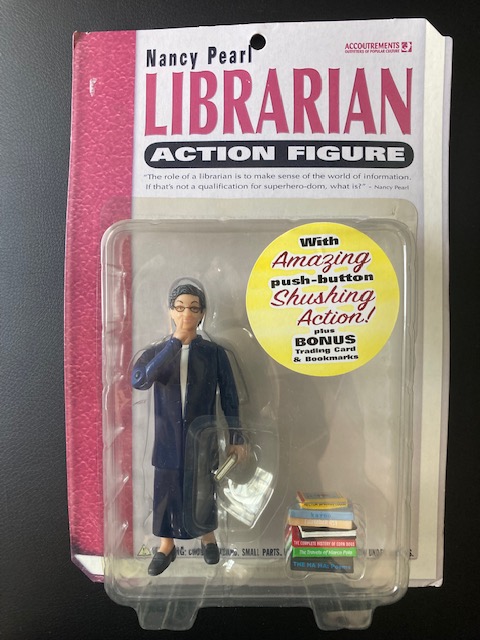
Probably the most famous living librarian in the world. Nancy Pearl rose to fame in Seattle while working for the Seattle Public Library. Her fame grew rapidly with the success of her books. Today is she is well known around the continent, and even the world, for her presence on public radio, podcasts, public appearances and more. She has won numerous awards, including Library Journal‘s Librarian of the Year Award in 2011. Her crowning achievement, however, may be the phenomenal success of the Nancy Pearl Librarian Action Figure.


Find Out More

Nancy Pearl:


Check back here in upcoming posts for more additions to the “Library Hall of Fame.”

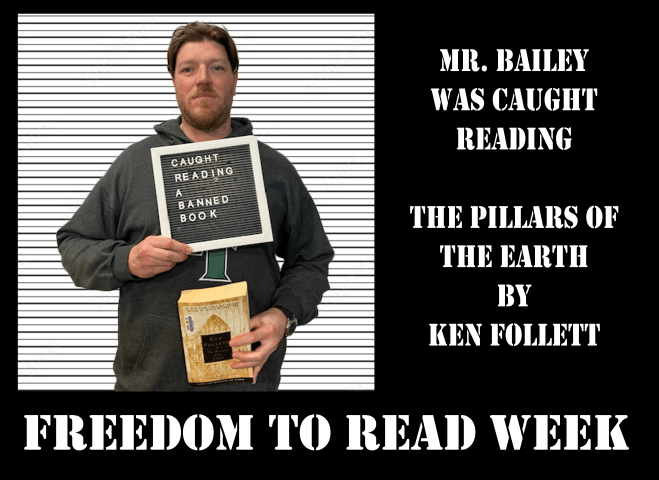
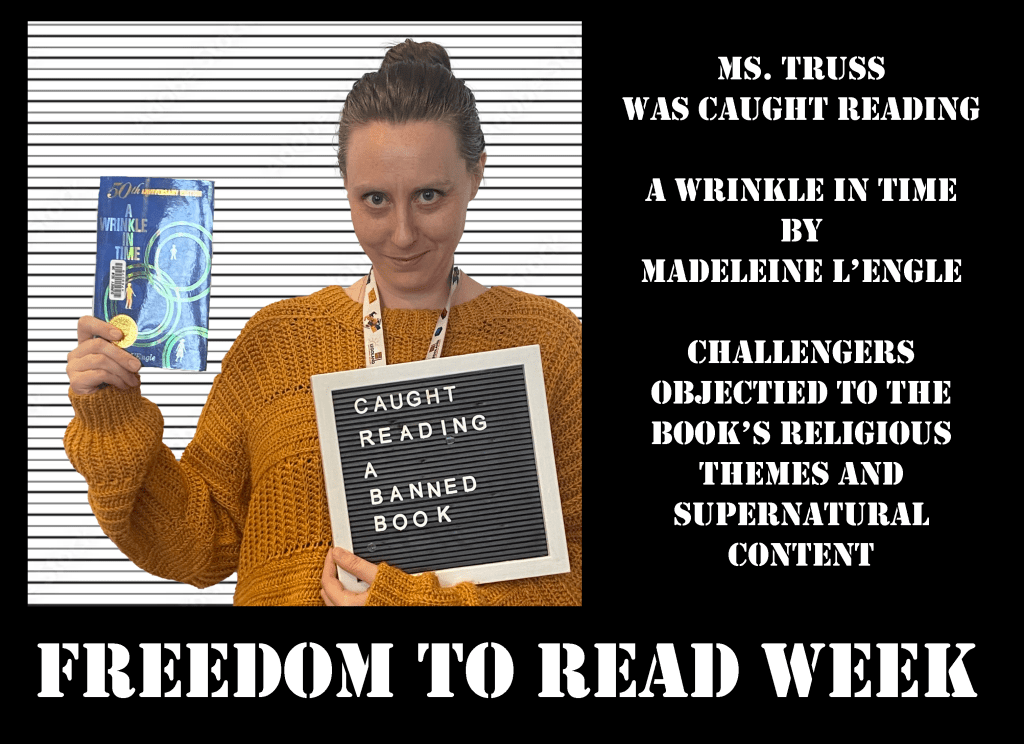
Book Banning: Not Just History but Current Events


It can be tempting to think of the banning of books as something that happened in the past, only by extremely conservative types, or in authoritarian regimes. Sadly, book banning is alive and well here and now. Sure, it is not shocking that anti-democratic governments in places like China, Russia, Iran, Hungary or Venezuela strictly control the flow of information and literature. Yet in our society, where we make claims on being champions of democracy and freedom, book banning is on the rise.

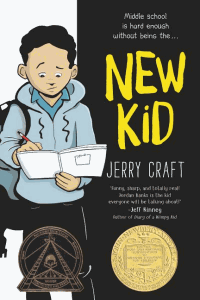
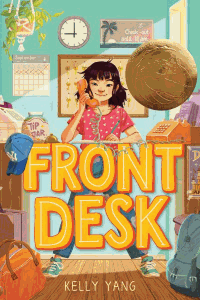
Kara Yorio writes in School Library Journal: “It has been a busy Banned Books Week, as the stepped-up challenges to books and their authors continue,  with books by kid lit creators Jerry Craft and Kelly Yang added to the list of titles some parents claim are objectionable.” Read the rest of this article.

Meanwhile “Ruby Bridges Goes to School” has been targeted by book banners as well. Author Ruby Bridges recounts the true story of her experiences as a 6 year old girl who became the first black student to attend a formerly whites only public school. An organized group of parents wanted their local school board to ban this book, “for supposedly “explicit and implicit anti-American, anti-white” bias (source).” Read more in this Miami Herald article.

Here are four of the most challenged books from the last year, all available in our school library:

  • George by Alex Gino. Challenged, banned, and restricted for LGBTQIA+ content, conflicting with a religious viewpoint, and not reflecting “the values of our community.”
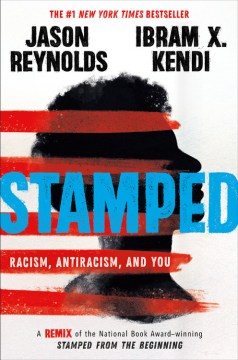
  • Stamped: Racism, Antiracism, and You by Ibram X. Kendi and Jason Reynolds. Banned and challenged because of the author’s public statements and because of claims that the book contains “selective storytelling incidents” and does not encompass racism against all people.
  • All American Boys by Jason Reynolds and Brendan Kiely. Banned and challenged for profanity, drug use, and alcoholism and because it was thought to promote antipolice views, contain divisive topics, and be “too much of a sensitive matter right now.”
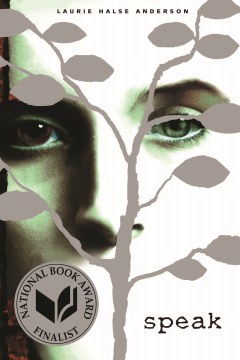
  • Speak by Laurie Halse Anderson. Banned, challenged, and restricted because it was thought to contain a political viewpoint, it was claimed to be biased against male students, and it included rape and profanity.

Read the rest of the “The Top 10 Challenged Books of 2020” from the American Library Association.

Library Themed Links

In keeping with the continuing celebration of all things library during International School Library Month and Canadian Library Month, here are some links to some interesting library themed content. Enjoy!

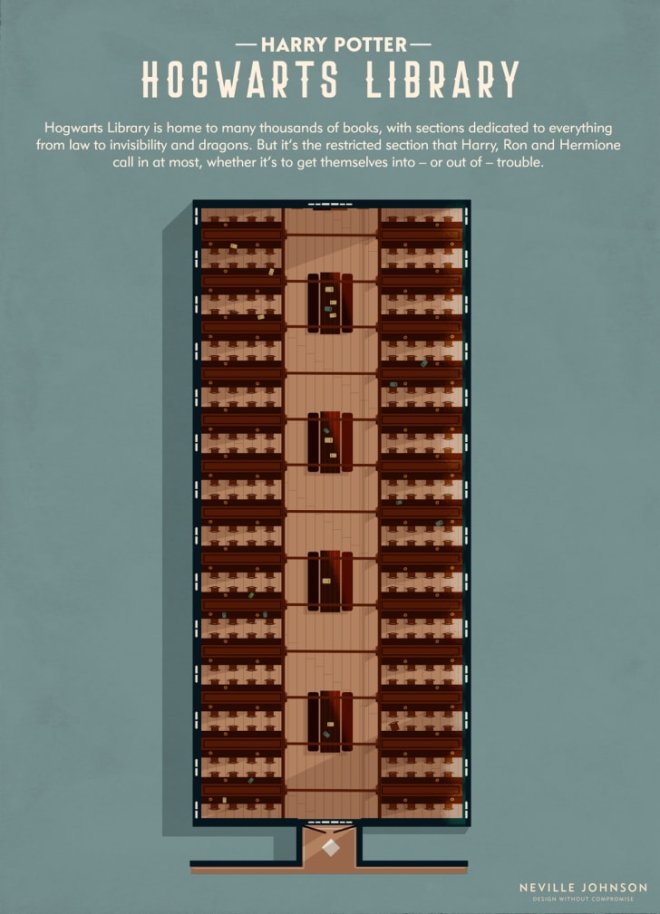
source: Neville Johnson / Mental Floss


October is International School Library Month
and Canadian Library Month.