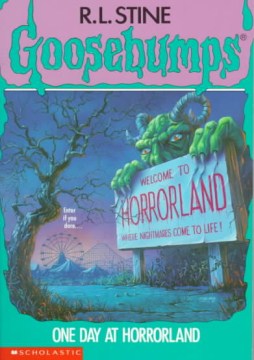
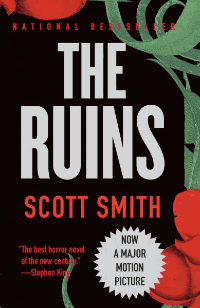
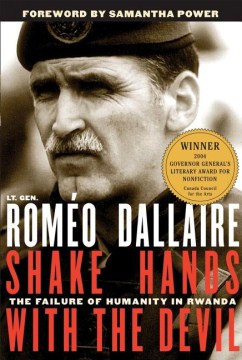
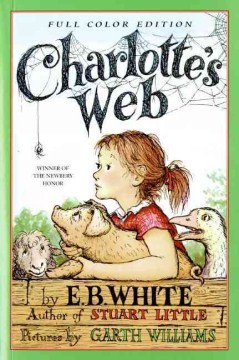
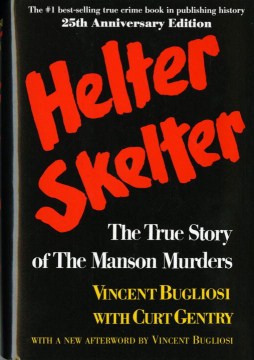
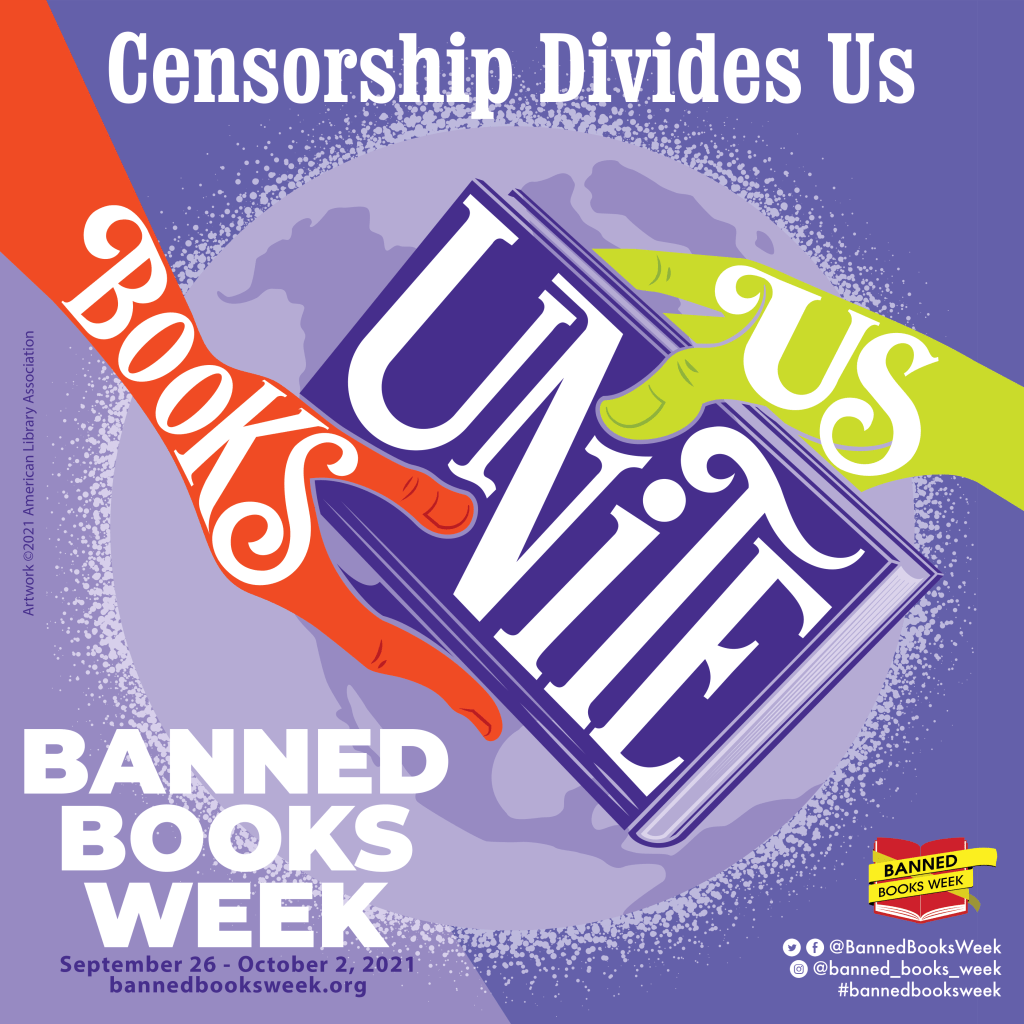
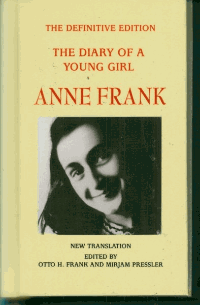
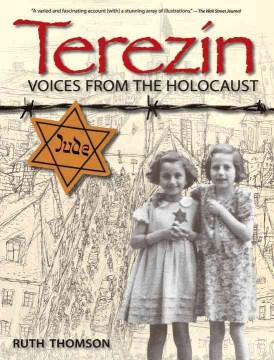
If you don’t read, they don’t need to ban books.


People need to read books for book banning to even be a thing. This idea has been expressed in many different ways.

So Read. Keep reading. Read some more. Read what you want to read. Read what you decide to read.

Read for information. Read to learn. Read for fun. Read to escape. Read for entertainment. Read to experience the world from the point of view of different people. Read to cry. Read to be scared. Read to laugh.

Read to understand. Read to learn new things. Read to learn more about things you already know.

Read to learn the point of view of people that you might disagree with, even when you are certain that you will disagree with them. Read to consider new information, new evidence, new perspectives. Read critically, even skeptically, but read with an openness to change your mind when faced with rational and logical reasons to do so.

Read for whatever reason you decide. Stand up for your freedom to decide for yourself what you want to read.

That doesn’t mean you should read anything and everything. People that care about you might know why reading some things, at certain times, might not be so good for you. You might decide not read some books because of your age, maturity, or history. Some books might not be right for you because of your current mental or emotional health. Perhaps some material has nothing to offer you of any value. But that is for you to decide in cooperation with the people that you trust. That is not for other people, other groups, organizations or governments to decide for you.

People try to ban books because they don’t want you to read those books. If you don’t read books to begin with, you are doing their work for them.
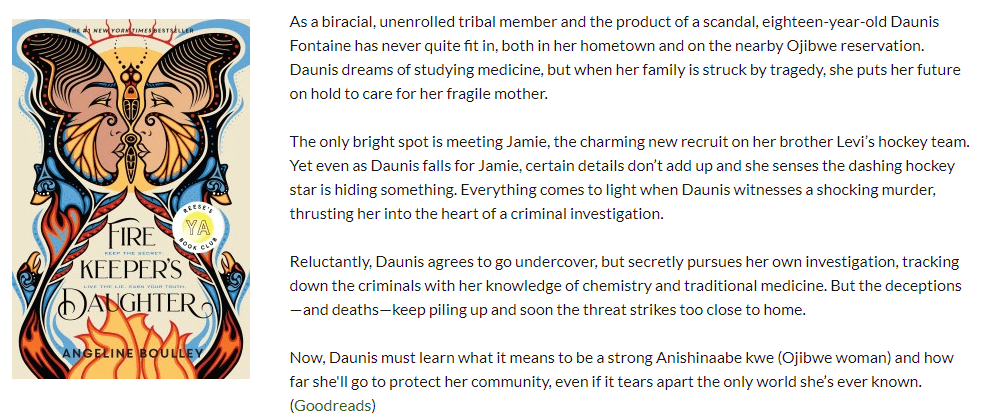
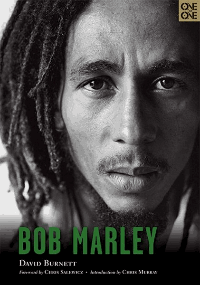
Book Banning: Not Just History but Current Events


It can be tempting to think of the banning of books as something that happened in the past, only by extremely conservative types, or in authoritarian regimes. Sadly, book banning is alive and well here and now. Sure, it is not shocking that anti-democratic governments in places like China, Russia, Iran, Hungary or Venezuela strictly control the flow of information and literature. Yet in our society, where we make claims on being champions of democracy and freedom, book banning is on the rise.

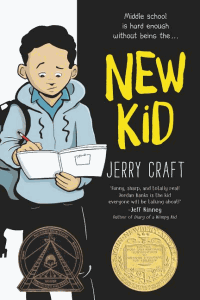
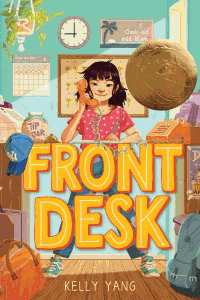
Kara Yorio writes in School Library Journal: “It has been a busy Banned Books Week, as the stepped-up challenges to books and their authors continue,  with books by kid lit creators Jerry Craft and Kelly Yang added to the list of titles some parents claim are objectionable.” Read the rest of this article.

Meanwhile “Ruby Bridges Goes to School” has been targeted by book banners as well. Author Ruby Bridges recounts the true story of her experiences as a 6 year old girl who became the first black student to attend a formerly whites only public school. An organized group of parents wanted their local school board to ban this book, “for supposedly “explicit and implicit anti-American, anti-white” bias (source).” Read more in this Miami Herald article.

Here are four of the most challenged books from the last year, all available in our school library:

  • George by Alex Gino. Challenged, banned, and restricted for LGBTQIA+ content, conflicting with a religious viewpoint, and not reflecting “the values of our community.”
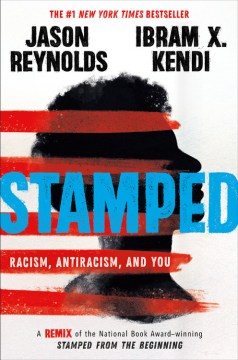
  • Stamped: Racism, Antiracism, and You by Ibram X. Kendi and Jason Reynolds. Banned and challenged because of the author’s public statements and because of claims that the book contains “selective storytelling incidents” and does not encompass racism against all people.
  • All American Boys by Jason Reynolds and Brendan Kiely. Banned and challenged for profanity, drug use, and alcoholism and because it was thought to promote antipolice views, contain divisive topics, and be “too much of a sensitive matter right now.”
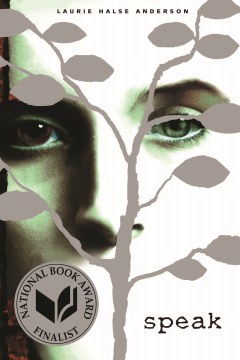
  • Speak by Laurie Halse Anderson. Banned, challenged, and restricted because it was thought to contain a political viewpoint, it was claimed to be biased against male students, and it included rape and profanity.

Read the rest of the “The Top 10 Challenged Books of 2020” from the American Library Association.

Wear a mask. Wear it correctly.

If your mask is hanging below your nose, you are doing it wrong.


Too many students are walking the halls with masks hanging down too far. Sort it out!

And since we are on the topic, are you vaccinated?

Unless you have medical reasons why you shouldn’t get the shot, or aren’t eligible, why aren’t you vaccinated by now? Get to it.

Mask Up


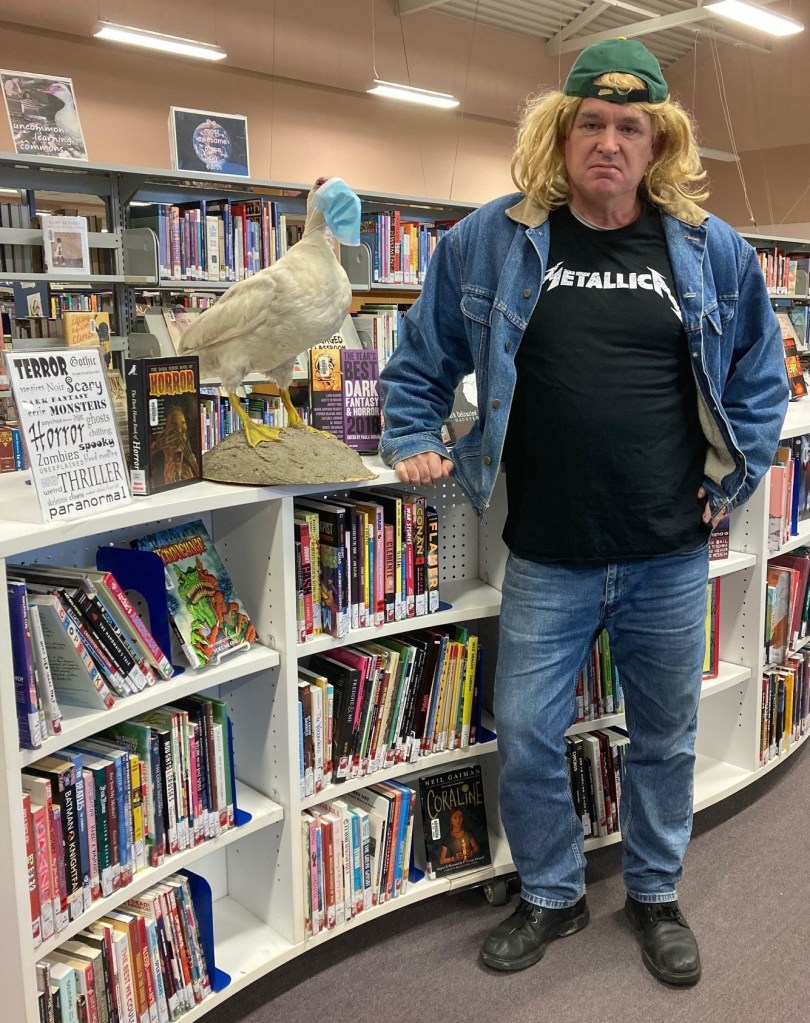
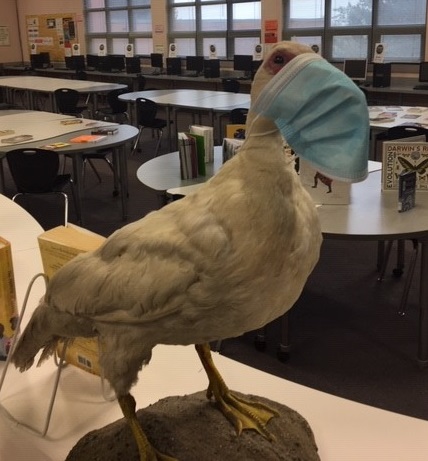
Buck the Library Duck has a message for you:

“If everyone who could get a Covid vaccine would get one, we would be on our way to getting through this mess. In the meantime, Covid is still enough of a problem that all of us, including the vaccinated, have to wear masks.”


So come down to the school library, enjoy all that we have to offer… just be sure to wear that mask.

Documenting the Holocaust

The Holocaust is one of the most well documented events in history. Yet despite this, there are some who seek to distort or deny the facts of this terrible blight on human history. We must continue to fight against the evil that the Holocaust represents. To do so we must fight against lies, distortions and ignorance to ensure that the facts are preserved, as horrifying as the facts are, so that future generations know what happened, and what must never happen again.

#ProtectTheFacts is just one of many organizations dedicated to preserving the historical facts of the Holocaust, and fighting against the evil that is Holocaust denial or distortion. See more in the links below.


Come to the school library to find out more about the Holocaust. Check out some of the following resources:


Find out more:

International Holocaust Remembrance Day

United Nations Outreach Programme on the Holocaust

Auschwitz-Birkenau Memorial and Museum

Yad Veshem World Holocaust Remembrance Center

Lest We Forget Photo Exhibition

International Holocaust Remembrance Alliance

Real News

There are many good resources available to help students learn more about how to find reliable sources of information. One of those is the BBC’s “Real News” which has materials that “aim to help secondary school students (11 to 18-year-olds) examine critically information they receive online through websites, social media, pictures and data and to develop skills and methods to help determine what is real.”

Go here to find out more: BBC Real News

source: BBC

Surrey Teens Read: Blood Water Paint


Come down to the School Library to have a look at Blood Water Paint by Joy McCullough, and the other Surrey Teens Read selections for 2020-2021.  You can also go online and borrow many of them as e-Books and/or Digital Audiobooks.

Click here to find out more about our e-Books and Digital Audiobooks
Click here to find out more about Surrey Teens Read

Surrey Teens Read: Aurora Rising


Come down to the School Library to have a look at Aurora Rising by Amie Kaufman & Jay Kristoff, and the other Surrey Teens Read selections for 2020-2021.  You can also go online and borrow many of them as e-Books and/or Digital Audiobooks.

Click here to find out more about our e-Books and Digital Audiobooks
Click here to find out more about Surrey Teens Read

Democracy v. Fascism

Our students will leave our school and soon become the adults who will hold the future of democracy in their hands.  We must educate and equip our students to recognize the rights and responsibilities of democratic citizenship.  We must help them see the precious nature of the democratic traditions that have been handed to them by previous generations. We must help them see the fragile nature of those institutions and the peril that is represented by those forces that are at work to undermine democracy.

Most pressingly, we must help our students to recognize the rise of fascism, both in the world and in our own backyard.  We must equip our students to denounce fascist ideology and to defeat fascist attempts to destroy our democracy.

The politics of fear, division, and hate will fight for the souls of our students.  We must counter those dark forces with hope, unity and love.  Forces are at work undermining the foundations of democracy, including the rule of law, freedom of the press, public education, respect for science and reason, confidence in free and fair elections, and peaceful transitions of power. We must build up faith in those ideals in our kids, and equip them to demand them as their rightful expectation for a civil society.

Polarizing forces are at work which divide us, resulting in extreme “othering” to the point of dehumanization. We must find ways to help the next generation to reconcile that which divides us, or at least to find respectful and peaceful ways to engage with those divisions.  Somehow we must find common ground with our beliefs about truth. We must find some way to agree on “the facts” even if we don’t agree on what do with those facts.

Please check out our display of items related to the struggle between democracy and fascism.