Jackie Robinson Day

jro

On April 15, 1947, Jackie Robinson played his first game for the Brooklyn Dodgers. In doing so, he became the first African-American to play in the major leagues of baseball, breaking the racist colour barriers that shamefully tarnish the history of the great game of baseball.

Jackie Robinson was a wonderfully talented player who earned the praise of fans for his play on the field. He also earned praise for his courage and determination in the face of a racist society that continued to resist the equal participation of non-whites in the game and in the everyday life of the nation. Robinson faced racial taunting and violence on the field, and untold indignities and threats away from the ballpark.

Thankfully his determination led the way for more black players to follow and helped our society move along the long slow path towards changing attitudes, promoting acceptance and tolerance, and the goal of eliminating racism.

Today in all MLB parks, players will wear #42 in honour of Jackie Robinson. However, the current political and social upheaval that is causing so much pain for so many has raised troubling questions as we attempt to honour #42. The actions of the current administration, particularly in its war on diversity, equity and inclusion, have even brought into question, for some, the viability of events like Jackie Robinson Day.

To celebrate the achievements Jackie Robinson, we also need to acknowledge the painful history of racism in America that kept men like Jackie out for so long. We need to acknowledge the racism of America that has continued to place barriers for the full participation of Black Americans in the “Great American Pastime.” Is Major League Baseball fully committed to honouring Jackie Robinson, not just with words but with action? Will Major League Baseball stand up those elements who want to whitewash history and pretend that racism isn’t an issue today?

Jackie Robinson was a great baseball player who was able to show the world how great he was only when baseball began to acknowledge that the racist policies of segregation were wrong. To do that people had to know their history, not just to celebrate the good, but to acknowledge what was bad, and then strive for better. That process didn’t start and end in 1947. We must continue with that process today.


Find out more:

JackieRobinson.org

Jackie Robinson Museum

MLB: Jackie Robinson Day

Jackie Robinson Day: MLB finds itself in crosshairs of DEI purges.


Hank Aaron

Henry “Hank” Aaron was born on this day in 1934. Hank Aaron was one of the greats of the sport of baseball. He was a legendary home run hitter who would also win multiple Gold Gloves. Hank Aaron was a World Series Champion, a National League MVP, and was selected for an incredible 25 All-Star Games. More than that, he was a great human being.

The legendary Muhammad Ali, in his day considered by many to be the world’s most famous, if not greatest, athlete, said of Aaron, that he was the “only man I idolize more than myself.” (Baseball Hall of Fame).

In 1973 Aaron hit his 715th home run to pass the iconic Babe Ruth with the most ever. Aaron was under intense scrutiny as he approached the record, all the more because he was a black man who was about to break the record of a white hero, something that was unacceptable to the white supremacist ethos. Aaron faced intense racism, including death threats against him and his family. Remarkably, even in the face of such despicable conditions, he continued to perform on the field, crushing the all-time record, holding it for more than 30 years. For all who knew him personally, it was not surprising that off the field he continued to live a life of humility, dignity and integrity. Hank Aaron was an outspoken supporter of the Civil Rights movement, and spent his post-playing days working for many humanitarian and philanthropic causes.

Find out more about Hank Aaron:

Baseball Hall of Fame

Hank Aaron’s Legacy…

Civil Rights Walk of Fame

Hank Aaron’s Lasting Impact

Hank Aaron: Home Run Hero

Rosa Parks

One of the icons of the US Civil Rights movement looked an unlikely hero but proved to be someone whose strength of character belied her appearance. Rosa Parks was born on this day in 1934.  In the face of the overt racism of 1950’s America, Rosa famously refused to give up her seat on the bus, as black people were expected to do for white people. She was arrested, and the resulting Montgomery Bus Boycott proved to be one of foundational events of the Civil Rights Movement.

source: wikimedia commons

For more on Rosa Parks:

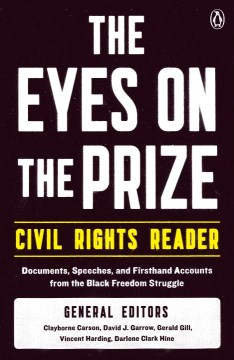
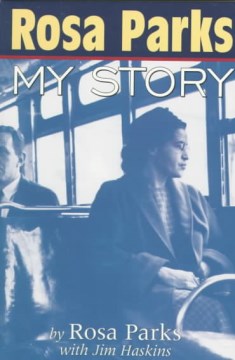
Come down to the School Library to check out our titles on Rosa Parks and other books for Black History Month:

MLK Day

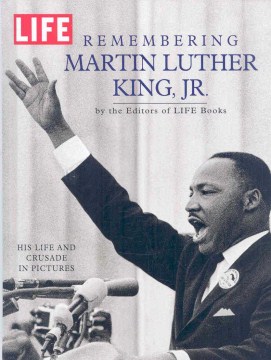
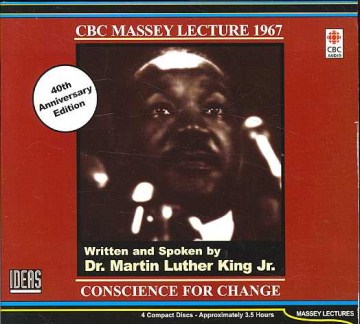
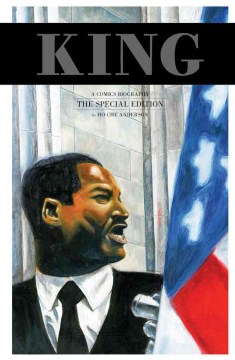
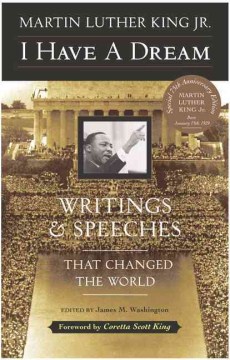
Martin Luther King Jr. Day is observed on the 3rd Monday of January as a Federal Holiday in the United States. The day is observed in celebration of Dr. King’s birthday, January 15, 1929. In 2025 MLK Day is observed on Monday, January 20.


Martin Luther King Jr. was the leading figure of the Civil Rights Movement of the 1950’s and 1960’s in the USA. In life Dr. King was at the forefront of the fight against segregation, discrimination and other forms of racism, especially as entrenched in state and federal law. Tragically assassinated in 1967, the legacy of King has continued to inspire those who fight against racism and other forms of social injustice.

Martin Luther King Jr. was committed to the principles of non-violence. King was convinced that the only way to fight against the hate and violence and injustice of racsim was to counter it with peaceful resistance and non-violent protest. Perhaps more than anything else, this is why Dr. King is a hero to millions of people in the US, in Canada, and around the world.
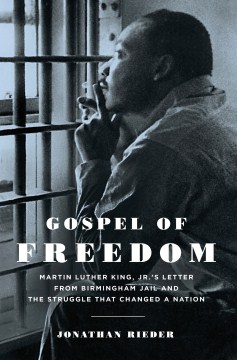


Image Source: editor Eugenio Hansen, OFS, CC BY-SA 4.0 OTFW, editor Eugenio Hansen, OFS, CC BY-SA 4.0, via wikimedia

Hank Aaron

Henry “Hank” Aaron was born on this day in 1934. Hank Aaron was one of the greats of the sport of baseball. He was a legendary home run hitter who would also win multiple Gold Gloves. Hank Aaron was a World Series Champion, a National League MVP, and was selected for an incredible 25 All-Star Games. More than that, he was a great human being.

The legendary Muhammad Ali, in his day considered by many to be the world’s most famous, if not greatest, athlete, said of Aaron, that he was the “only man I idolize more than myself.” (Baseball Hall of Fame).

In 1973 Aaron hit his 715th home run to pass the iconic Babe Ruth with the most ever. Aaron was under intense scrutiny as he approached the record, all the more because he was a black man who was about to break the record of a white hero, something that was unacceptable to the white supremacist ethos. Aaron faced intense racism, including death threats against him and his family. Remarkably, even in the face of such despicable conditions, he continued to perform on the field, crushing the all-time record, holding it for more than 30 years. For all who knew him personally, it was not surprising that off the field he continued to live a life of humility, dignity and integrity. Hank Aaron was an outspoken supporter of the Civil Rights movement, and spent his post-playing days working for many humanitarian and philanthropic causes.

Find out more about Hank Aaron:

Baseball Hall of Fame

Hank Aaron’s Legacy…

Civil Rights Walk of Fame

Hank Aaron’s Lasting Impact

Hank Aaron: Home Run Hero

Rosa Parks

One of the icons of the US Civil Rights movement looked an unlikely hero but proved to be someone whose strength of character belied her appearance. Rosa Parks was born on this day in 1934.  In the face of the overt racism of 1950’s America, Rosa famously refused to give up her seat on the bus, as black people were expected to do for white people. She was arrested, and the resulting Montgomery Bus Boycott proved to be one of foundational events of the Civil Rights Movement.

source: wikimedia commons

For more on Rosa Parks:

Come down to the School Library to check out our titles on Rosa Parks and other books for Black History Month:

MLK Day

Martin Luther King Jr. Day is observed on the 3rd Monday of January as a Federal Holiday in the United States. The day is observed in celebration of Dr. King’s birthday, January 15, 1929. In 2024 MLK Day is observed on his actual birthday.


Martin Luther King Jr. was the leading figure of the Civil Rights Movement of the 1950’s and 1960’s in the USA. In life Dr. King was at the forefront of the fight against segregation, discrimination and other forms of racism, especially as entrenched in state and federal law. Tragically assassinated in 1967, the legacy of King has continued to inspire those who fight against racism and other forms of social injustice.

Martin Luther King Jr. was committed to the principles of non-violence. King was convinced that the only way to fight against the hate and violence and injustice of racsim was to counter it with peaceful resistance and non-violent protest. Perhaps more than anything else, this is why Dr. King is a hero to millions of people in the US, in Canada, and around the world.


Image Source: editor Eugenio Hansen, OFS, CC BY-SA 4.0 OTFW, editor Eugenio Hansen, OFS, CC BY-SA 4.0, via wikimedia

MLK Day

Martin Luther King Jr. Day is observed on the 3rd Monday of January as a Federal Holiday in the United States. The day is observed in celebration of Dr. King’s birthday, January 15, 1929. In 2023 the date of MLK Day is January 16.


Martin Luther King Jr. was the leading figure of the Civil Rights Movement of the 1950’s and 1960’s in the USA. In life Dr. King was at the forefront of the fight against segregation, discrimination and other forms of racism, especially as entrenched in state and federal law. Tragically assassinated in 1967, the legacy of King has continued to inspire those who fight against racism and other forms of social injustice.

Martin Luther King Jr. was committed to the principles of non-violence. King was convinced that the only way to fight against the hate and violence and injustice of racsim was to counter it with peaceful resistance and non-violent protest. Perhaps more than anything else, this is why Dr. King is a hero to millions of people in the US, in Canada, and around the world.


Image Source: editor Eugenio Hansen, OFS, CC BY-SA 4.0 OTFW, editor Eugenio Hansen, OFS, CC BY-SA 4.0, via wikimedia

Freedom to Read Week


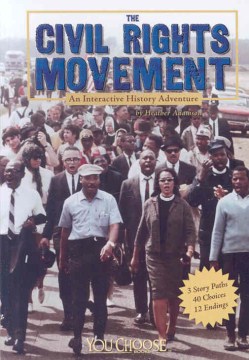
Do you see any common themes amongst all these books?

These are just some of the books that have been challenged, banned and removed from school libraries in the USA, just this year. The freedom to read what you want to read is a fundamental cornerstone of democracy. However, just as democracy itself is under siege around the world, the freedom to read cannot be taken for granted. Anti-democratic forces are always at work to undermine your freedom to read and other democratic rights. You must stand up for those rights.

Is it a coincidence that the books seen above deal with themes such as discrimination, racism, and oppression, or have central characters that come from marginalized groups?

What do you think?

Find out more: FreedomtoRead.ca


Books for Black History Month


Here is just a small sample of books that we have to help you learn more about Black Canadians, African-Americans, and other people in the African Diaspora, as we observe and celebrate Black History Month.

I Have a Dream


Monday was MLK Day in the United States, a wonderful opportunity for people around the world to remember Dr. King and what he stood and fought for. The “I Have a Dream Speech,” delivered at the “March on Washington” in 1963, is one of the most important speeches ever made, and just one of the many incredible achievements of Dr. King. Here is a video of that speech.


A few highlights of the speech by Martin Luther King Jr:

“I have a dream that one day this nation will rise up, live out the true meaning of its creed: “We hold these truths to be self-evident, that all men are created equal.”

“I have a dream that one day on the red hills of Georgia sons of former slaves and the sons of former slave-owners will be able to sit down together at the table of brother- hood.”

“I have a dream that my four little children will one day live in a nation where they will not be judged by the color of their skin but by the content of their character. I have a dream.”

“I have a dream that… one day right there in Alabama little black boys and black girls will be able to join hands with little white boys and white girls as sisters and brothers.”

“In the process of gaining our rightful place we must not be guilty of wrongful deeds. Let us not seek to satisfy our thirst for freedom by drinking from the cup of bitterness and hatred.”

“When we allow freedom to ring — when we let it ring from every city and every hamlet, from every state and every city, we will be able to speed up that day when all of God’s children, black men and white men, Jews and Gentiles, Protestants and Catholics, will be able to join hands and sing in the words of the old Negro spiritual, “Free at last, Free at last, Great God almighty, We are free at last.”