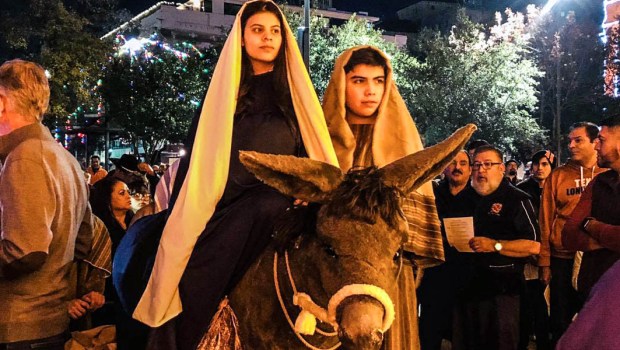
This 9 day festival is central to Navidad (Christmas) celebrations in Mexico. This is a neighbourhood festival that commemorates the journey of Mary and Joseph, who could not find posadas, (Spanish for “lodging”) before the birth of Jesus. A procession, including people dressed as Angels, Saints and the Holy Family, marches through the neighbourhood, knocking on doors looking for a place to stay. Like Mary and Joseph, they are refused, until finally the parade ends at one home where they are welcomed in. Feasting ensues, including a pinata for the children.
Here are just some of the observances, festivals, celebrations and special days that take place in the coming month or so of holidays and holy days, known to many as “The Holiday Season.”
November 30: Advent (first Sunday)
December 1: Gita Jayanti
December 2: Giving Tuesday
December 5: Krampusnacht
December 6: St. Nicholas Day
December 7: Advent (second Sunday)
December 8: Bodhi Day / Rohatsu
December 8: Feast of the Immaculate Conception
December 10: International Human Rights Day
December 11: Feast of Masa’il
December 14: Advent (third Sunday)
December 14 (evening): Hanukkah begins
December 16: Simbang Gabi / Los Posadas
December 21: Winter Solstice / Yule / Grianstad an Gheimhridh
December 21: Advent (fourth Sunday)
December 22: Hanukkah concludes
December 23: Festivus
December 24: Christmas Eve
December 25: Christmas Day
December 26: St. Stephen’s Day
December 26: Kwanzaa begins
December 31: New Year’s Eve
December 31: Hogmanay
January 1: New Year’s Day
January 1: Kwanzaa concludes
January 5: Guru Gobind Singh Jayanti
January 5: 12th Night / Christmastide concludes
January 6: Epiphany / King’s Day
January 7: Orthodox Christmas
January 13: Yule (First Full Moon after Solstice)
January 13: Maghi / Lohri
Visit your School Library, in person and online, to find out more about this season of Holidays and Holy Days.
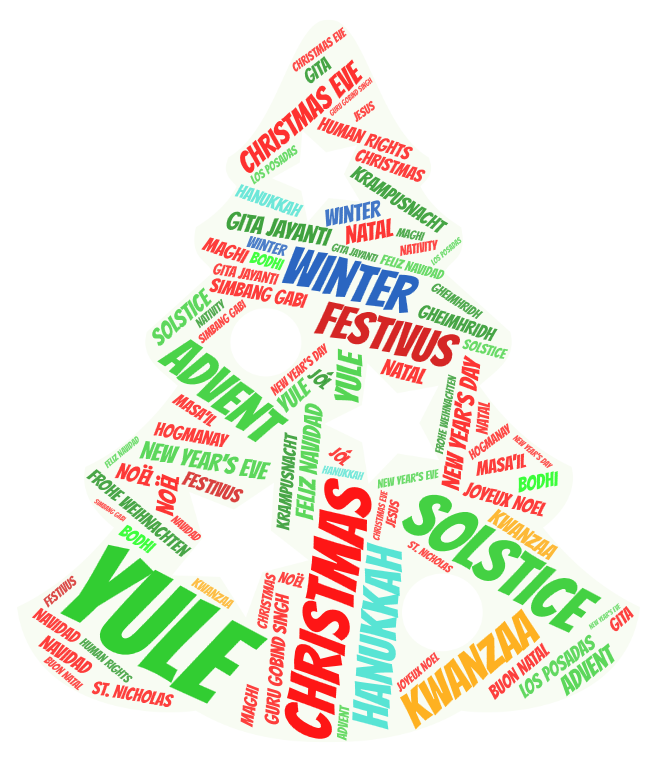
Happy Holidays! We have entered another season of feasts and festivals, holy days and holidays, in and around December. Visit your School Library, in person or online, to learn more about Christmas, Hanukkah, Kwanzaa, Yule, St. Nicholas Day, Simbang Gabi, Festivus, the Nativity, the Winter Solstice, Krampusnacht, New Year’s Eve, Advent, Bodhi, Boxing Day and more.
Here are just some of the observances, festivals, celebrations and special days that take place in the coming month or so of holidays and holy days, known to many as “The Holiday Season.”
December 1: Advent
December 3: Giving Tuesday
December 5: Krampusnacht
December 6: St. Nicholas Day
December 8: Bodhi Day / Rohatsu
December 8: Feast of the Immaculate Conception
December 8: Advent (second Sunday)
December 10: International Human Rights Day
December 11: Gita Jayanti
December 12: Feast of Masa’il
December 15: Advent (third Sunday)
December 16: Simbang Gabi / Los Posadas
December 21: Winter Solstice / Yule / Grianstad an Gheimhridh
Happy Thanksgiving to all of our American family, friends and neighbours. The American version of Thanksgiving marks the unofficial start to the “Holiday Season.” We look forward to a time of holiday cheer over the coming weeks. Be sure to visit us in your school library to find out more, especially in December when our theme is “Holidays and Holy Days.”
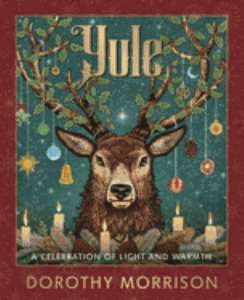
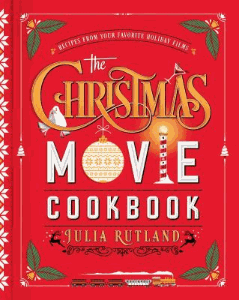
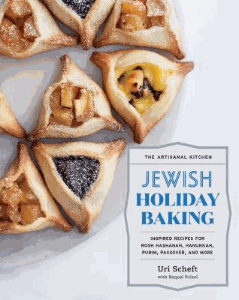
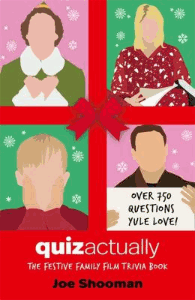
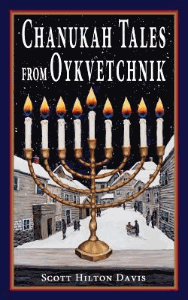
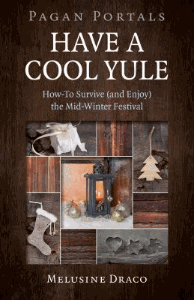
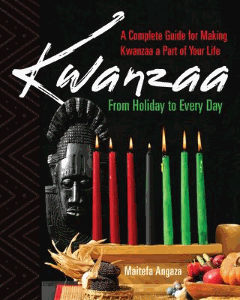
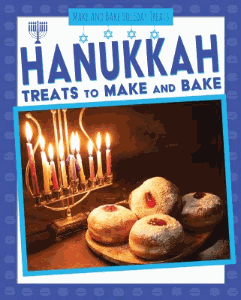
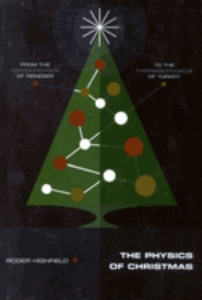
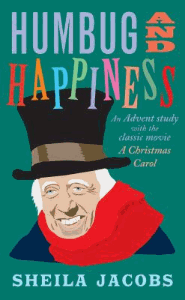
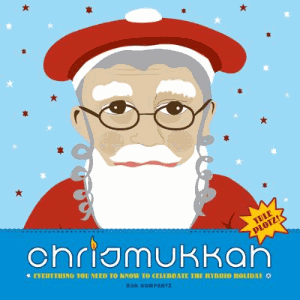
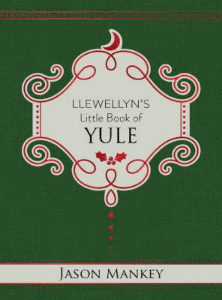
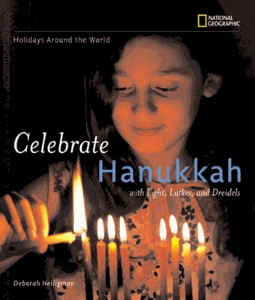
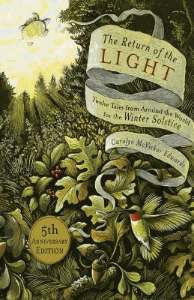
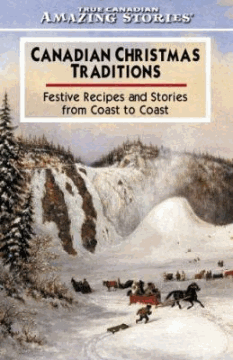
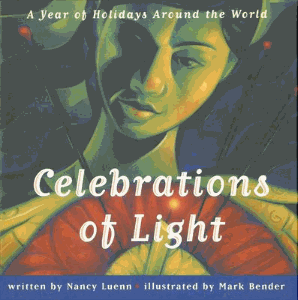
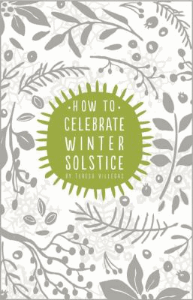
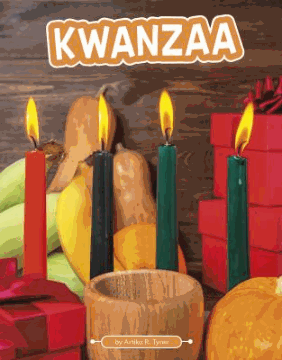
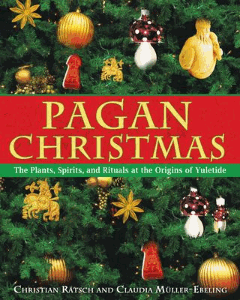
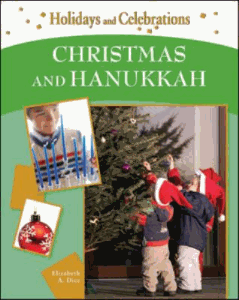
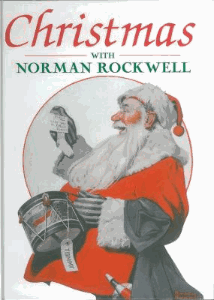
Check out some of our newest non-fiction titles related to Christmas, Hanukkah, Kwanzaa, Yule, the Winter Solstice, and the many celebrations at this glorious time of year!
It goes by many different names. The Holidays. The Festive Season. Yuletide. Winter Holidays. The Christmas Season. Advent. The Holiday Season. While there is no official start or end, in North America it is generally considered to run from American Thanksgiving, through December, and into the New Year.
Traditionally this season of the year was dominated by observances based on the Winter Solstice. Many cultures around the northern hemisphere developed celebrations that emphasize the contrast of the cold and darkness of winter with the promise of new light and life in the coming year.
These themes are central to the holy days and festivals of many faiths today.
In North America and Europe during the Christian Era, the season focused on holy days and the rituals around the Nativity of Christ. Often the traditional winter solstice festivals of the Celts, Saxons, Vikings and others were taken over by these Christmas celebrations.
For some, the season is secular in nature, without religious emphasis. The Holiday Season is a time for celebrating with family and friends, giving gifts, reflecting on the past year and looking forward to the new.
For many the Holiday Season can be about all of the above, as we combine a variety of traditions and new practices from the delightful mix of cultures and peoples from around the world.
There many different and wonderful Holidays and Holy Days in the coming weeks. Christmas tends to dominate, but it is imporant to learn about other observances and festivals, such as Hanukkah, Kwanzaa, Rohatsu and many more.
Join us in the School Library as we celebrate this “most wonderful time of the year.” Look for displays and other opportunities for learning about this season of “Holidays and Holy Days.”
Enjoy all that you and your family have brought to this holiday season. Perhaps in learning about other traditions and practices, you might find something new for you to enjoy at this time of year.
Happy American Thanksgiving to our southern neighbours and all the transplanted Americans who are in Canada getting a second Thanksgiving for the year.
US President Harry Truman welcomes a delegation of prominent Canadians for American Thanksgiving.
American Thanksgiving marks the unofficial start to the “Holiday Season.” Check back with us a the School Library as we begin our annual look at “Holidays & Holy Days” as 2022 comes to a close over the coming week.
The Holiday Season is here! Come down to the school library to check out our display of books and other library materials related to our theme of “Holidays and Holy Days.”
It goes by many different names. The Holidays. The Festive Season. Yuletide. Winter Holidays. The Christmas Season. Advent. The Holiday Season. While there is no official start or end, in North America it is generally considered to run from American Thanksgiving, through December, and into the New Year.
Traditionally this season of the year was dominated by observances based on the Winter Solstice. Many cultures around the northern hemisphere developed celebrations that emphasize the contrast of the cold and darkness of winter with the promise of new light and life in the coming year.
These themes are central to the holy days and festivals of many faiths today.
In North America and Europe during the Christian Era, the season focused on holy days and the rituals around the Nativity of Christ. Often the traditional winter solstice festivals of the Celts, Saxons, Vikings and others were taken over by these Christmas celebrations.
For some, the season is secular in nature, without religious emphasis. The Holiday Season is a time for celebrating with family and friends, giving gifts, reflecting on the past year and looking forward to the new.
For many the Holiday Season can be about all of the above, as we combine a variety of traditions and new practices from the delightful mix of cultures and peoples from around the world.
There many different and wonderful Holidays and Holy Days in the coming weeks. Christmas tends to dominate, but it is imporant to learn about other observances and festivals, such as Hanukkah, Kwanzaa, Rohatsu and many more.
Join us in the School Library as we celebrate this “most wonderful time of the year.” Look for displays and other opportunities for learning about this season of “Holidays and Holy Days.”
Enjoy all that you and your family have brought to this holiday season. Perhaps in learning about other traditions and practices, you might find something new for you to enjoy at this time of year.