January is Sci-Fi Month at your School Library. We asked teachers to share some of their favourites.
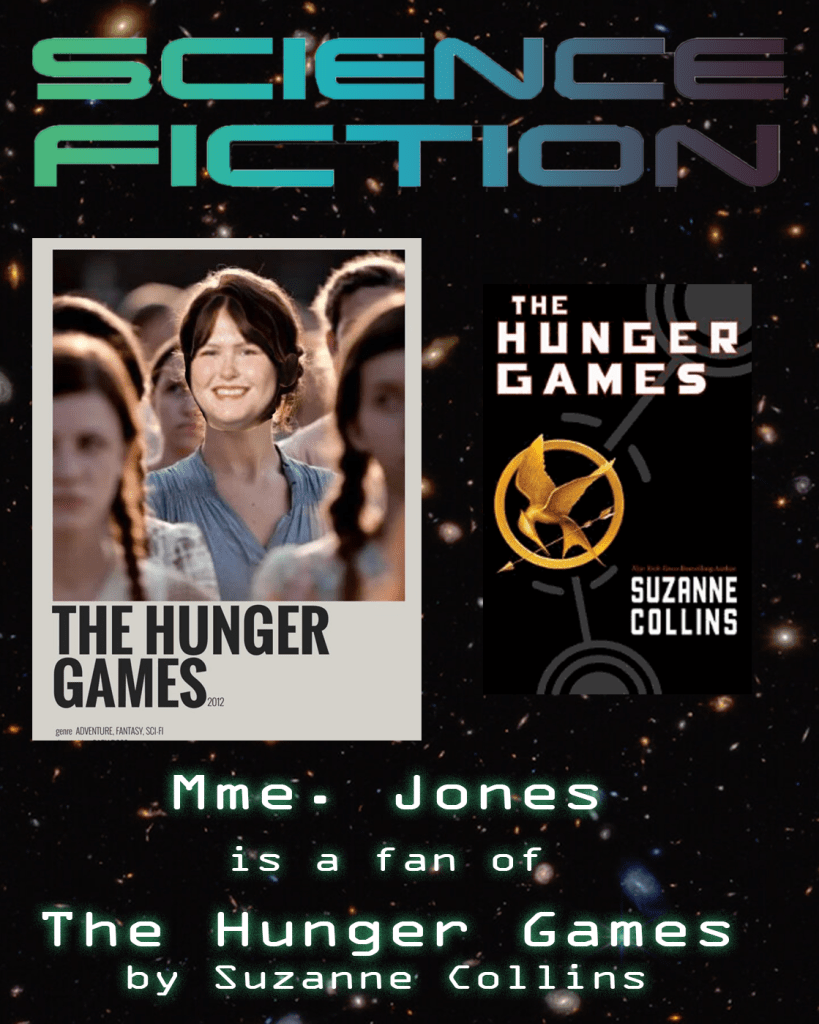
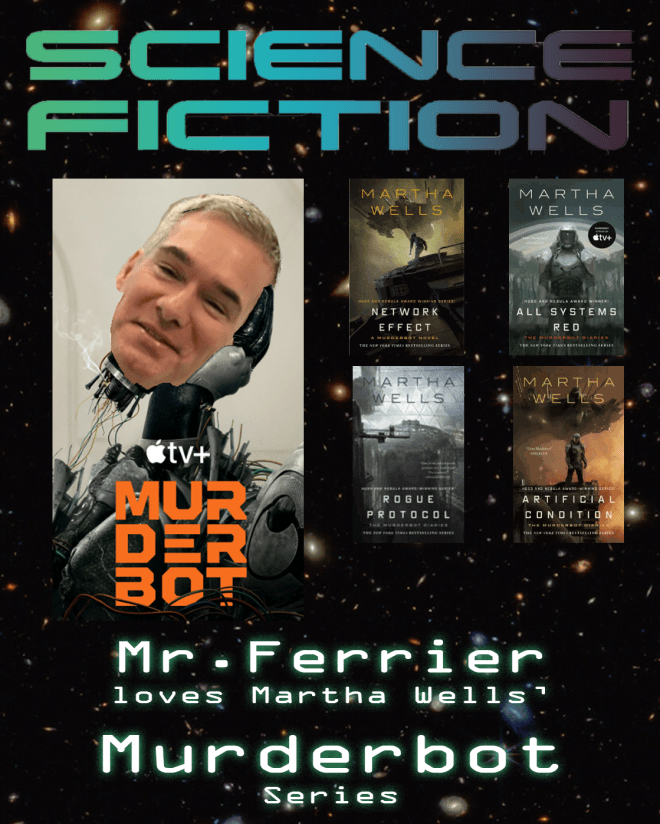
Come down to the School Library to find out more.
January is Sci-Fi Month at your School Library. We asked teachers to share some of their favourites.
Come down to the School Library to find out more.
January is Sci-Fi Month at your School Library. We asked teachers to share some of their favourites.

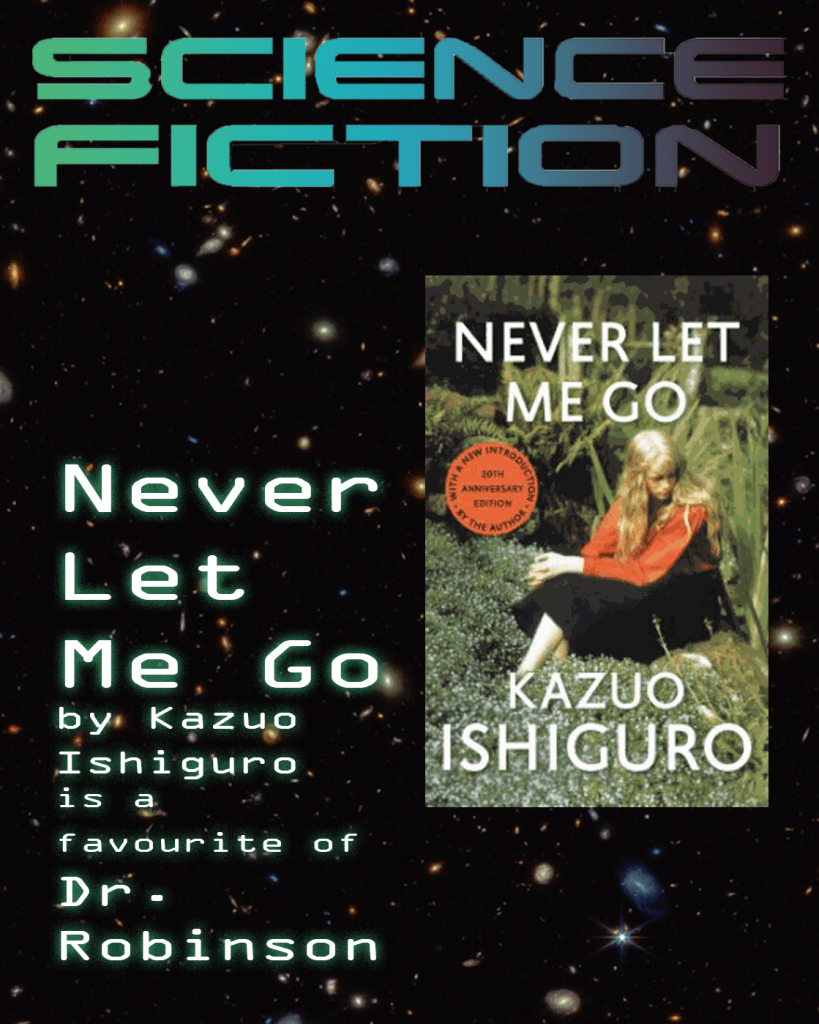
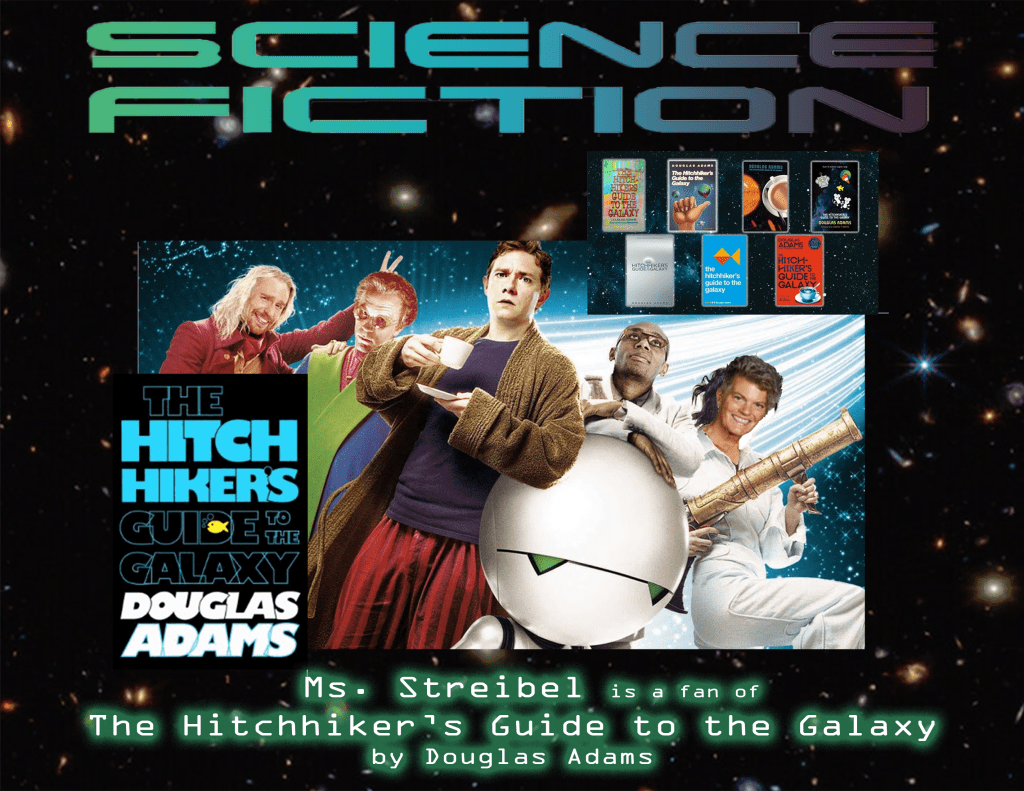
Come down to the School Library to find out more.
January is Science Fiction Month at your School Library. We asked teachers to share some of their favourite titles.
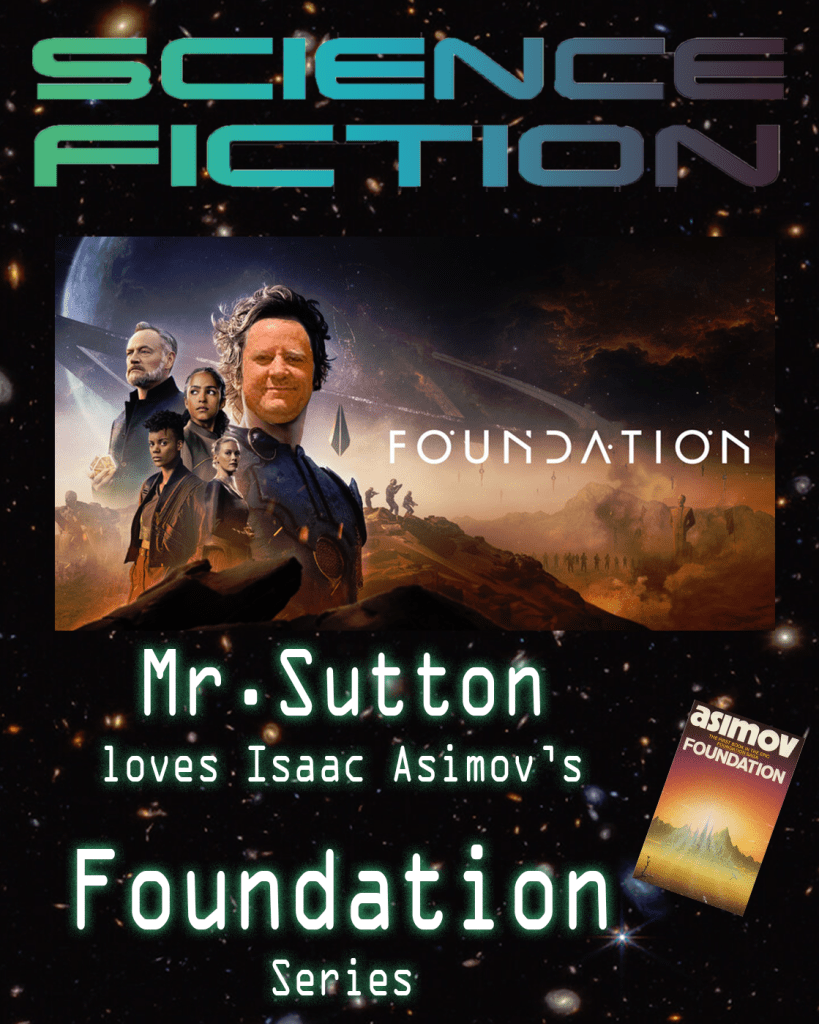
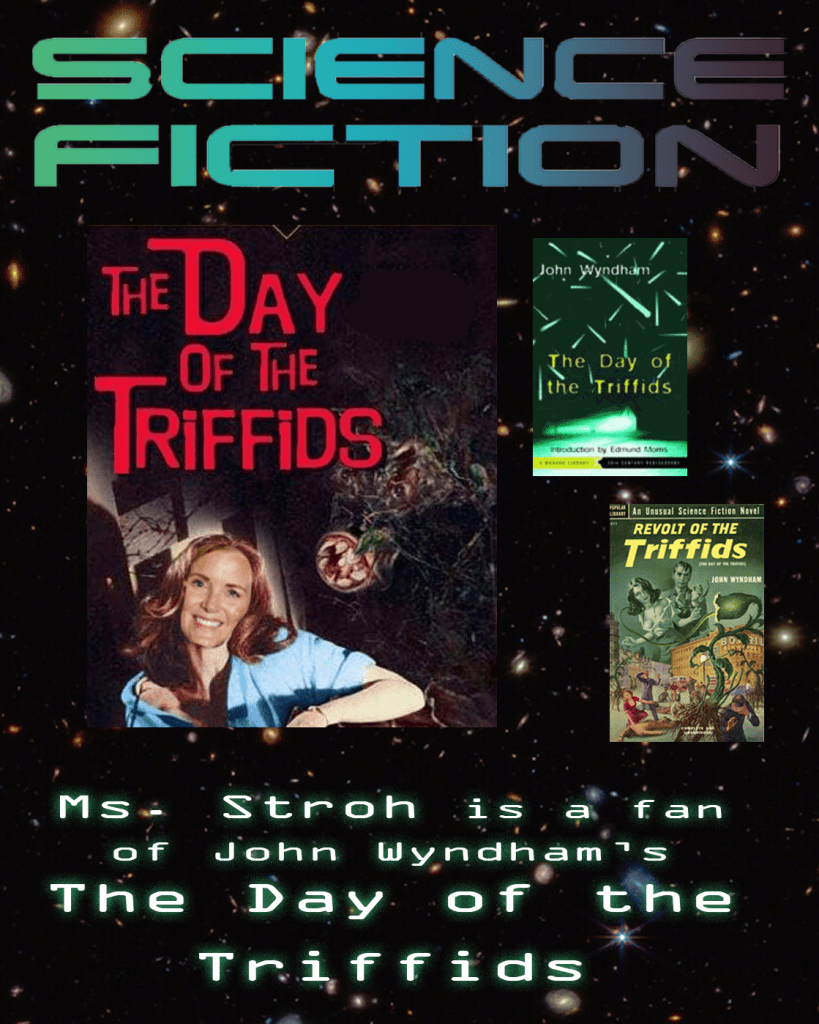
Come down to the School Library to find out more and to peruse our incredible selection of Sci-Fi books.

Come down to your School Library this month to check out our theme for January: Science Fiction. We have a huge selection of Sci-Fi novels for your enjoyment. On top of that we have Sci-Fi graphic novels, Sci-Fi themed magazines and Sci-Fi Short Story collections. We even have a large selection of non-fiction books that examine Science Fiction in all its forms, including novels, television, games, and movies. Be sure to come down and see what we have to offer.
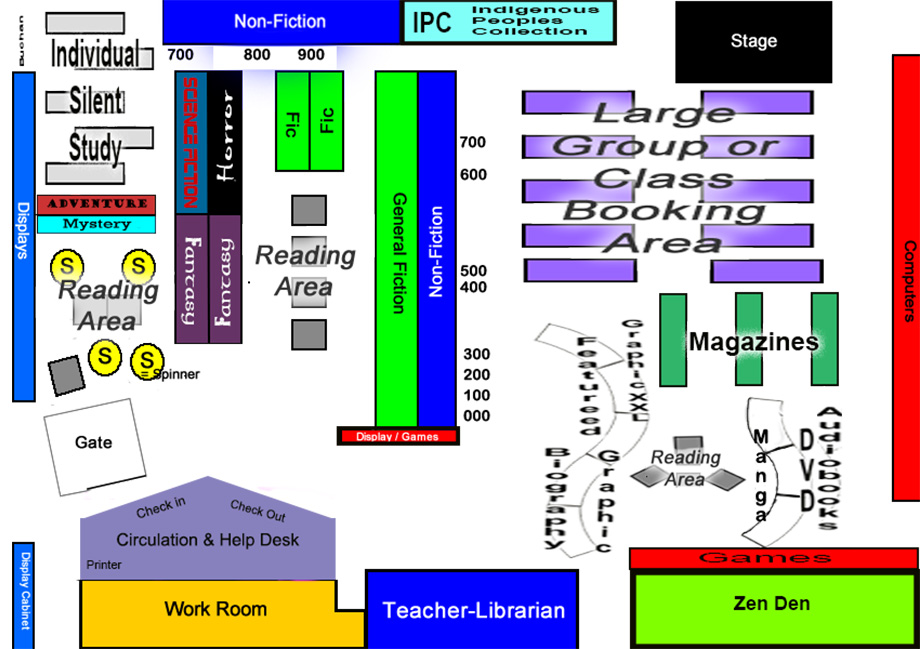
Come down to your School Library to see the reorganization of our fiction collection. We have moved Science Fiction, Fantasy, Horror, Mystery, and Adventure onto their own shelves. You can still find other genres, such as Young Adult, Historical Fiction, Classic, Adult Literacy, and more, on the “General Fiction” shelves.
We have also created a Biography section. Learn more about the lives of all sorts of people, some famous, some not-so-famous, some heroes, some villains… We have biographies (and autobiographies) of activists, athletes, singers, writers, leaders, scientists, actors, thinkers, musicians, artists, and more.
Click here to see our School Library Map
January is Science Fiction month at your School Library. We asked teachers at LTS to share some of their favourite sci-fi titles.
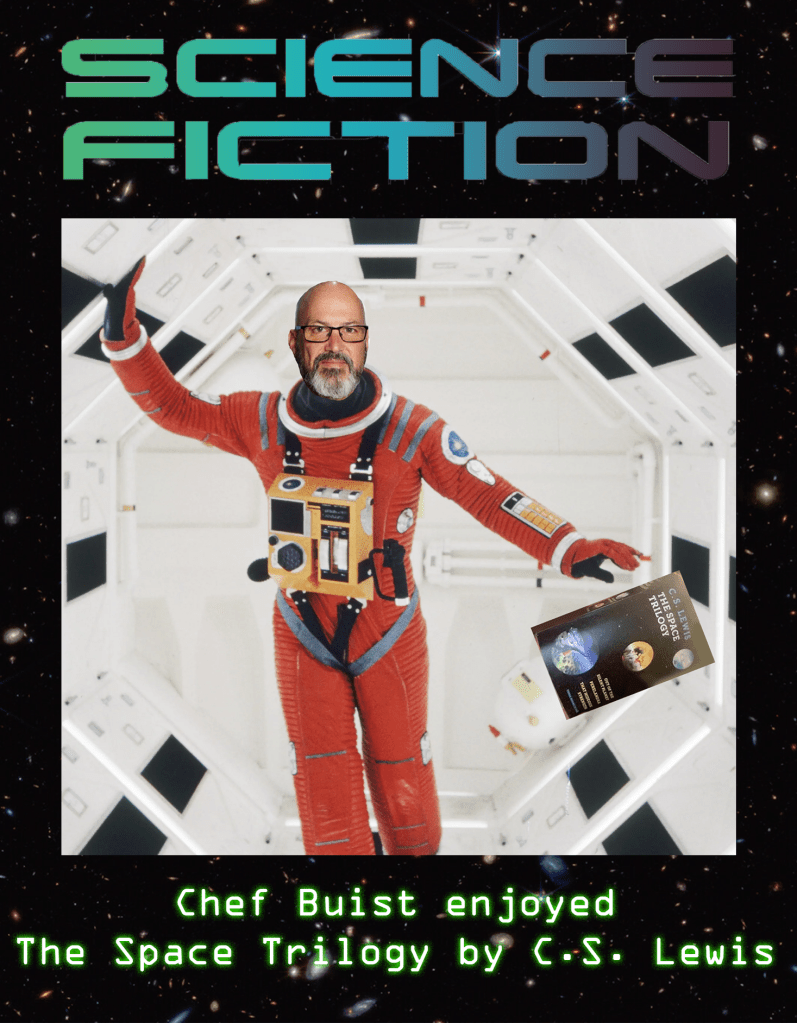
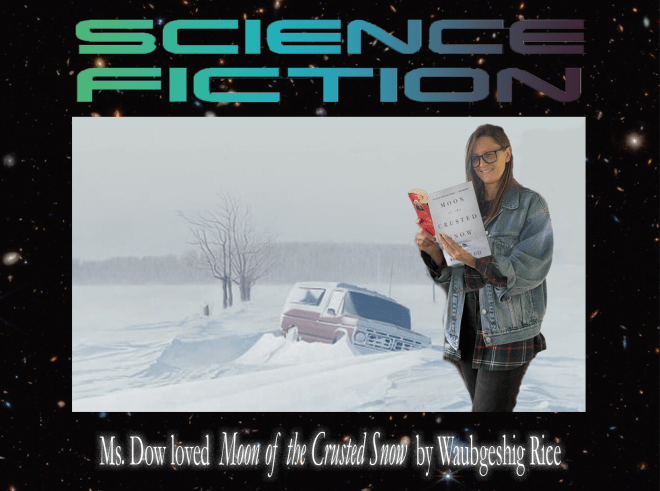
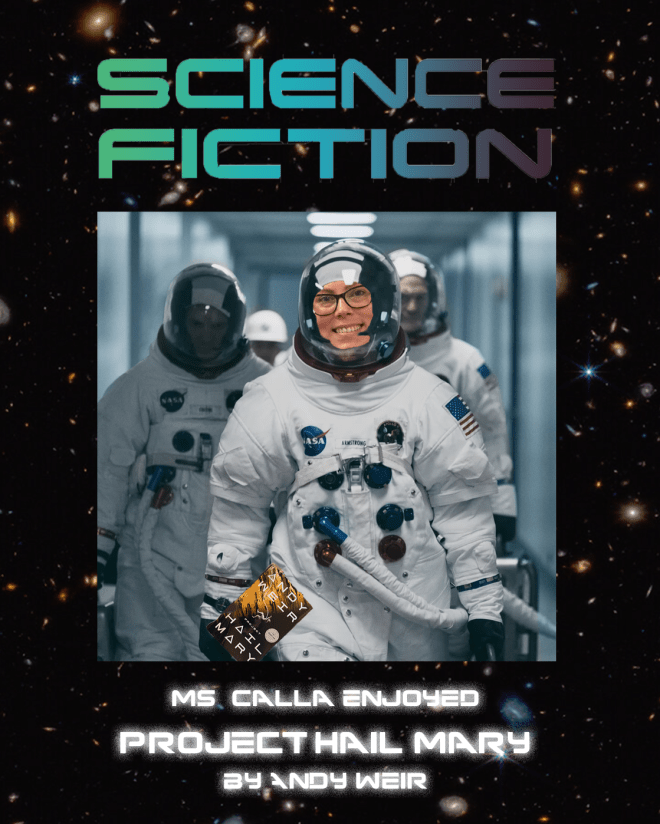
January is Science Fiction month at your School Library. We asked teachers at LTS to share some of their favourite sci-fi titles.
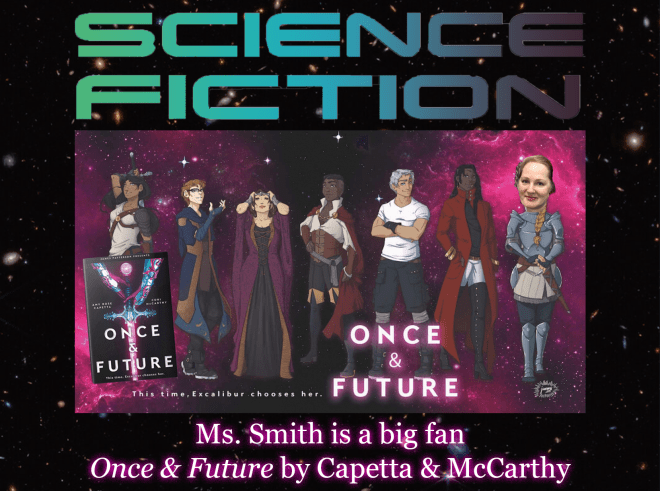
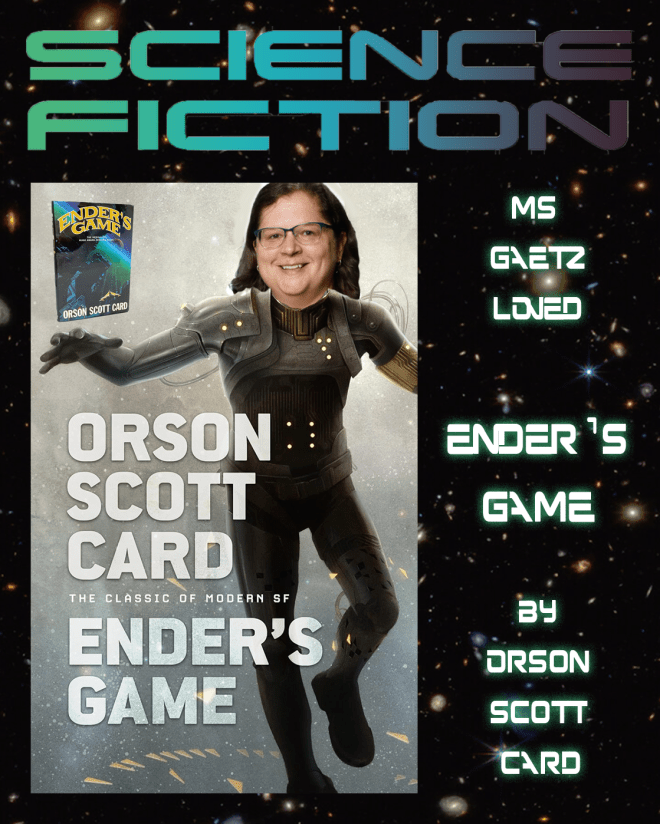
January is Science Fiction month at your School Library. We asked teachers at LTS to share some of their favourite sci-fi titles.
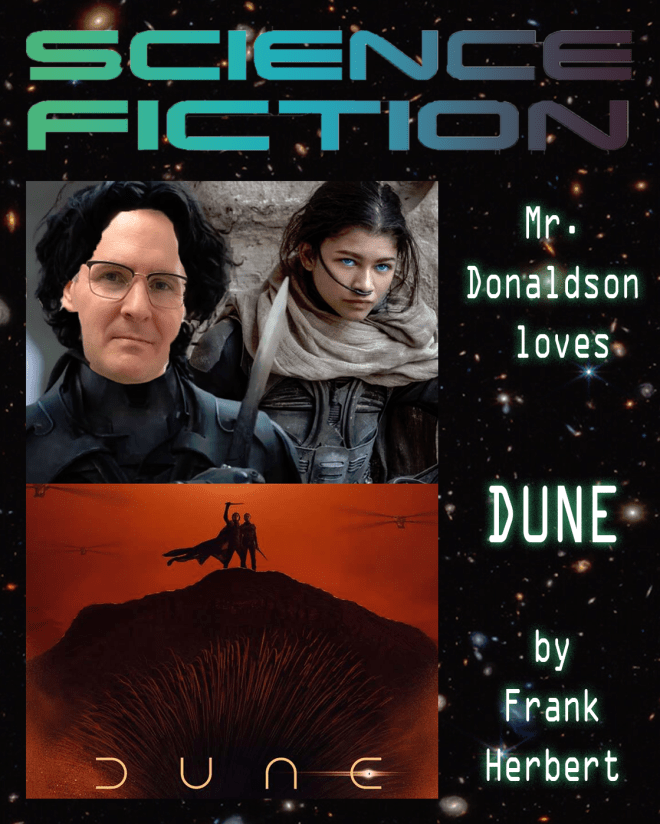
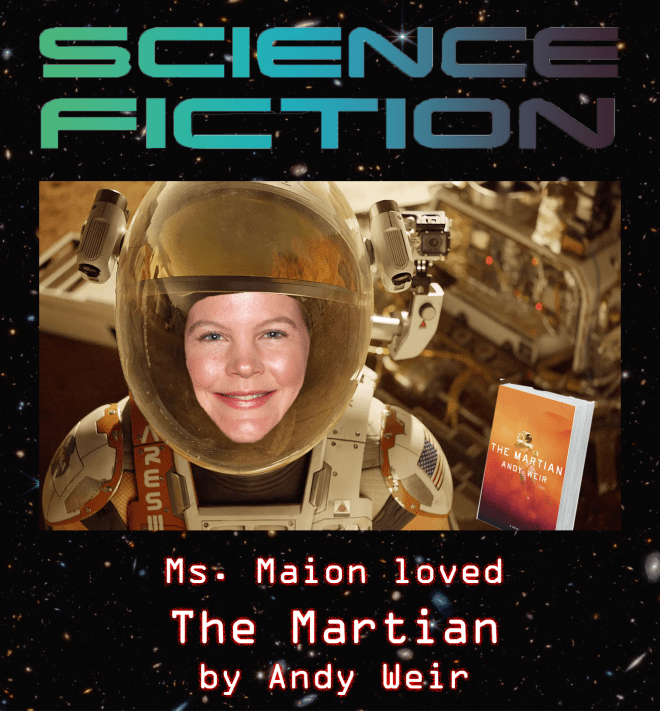
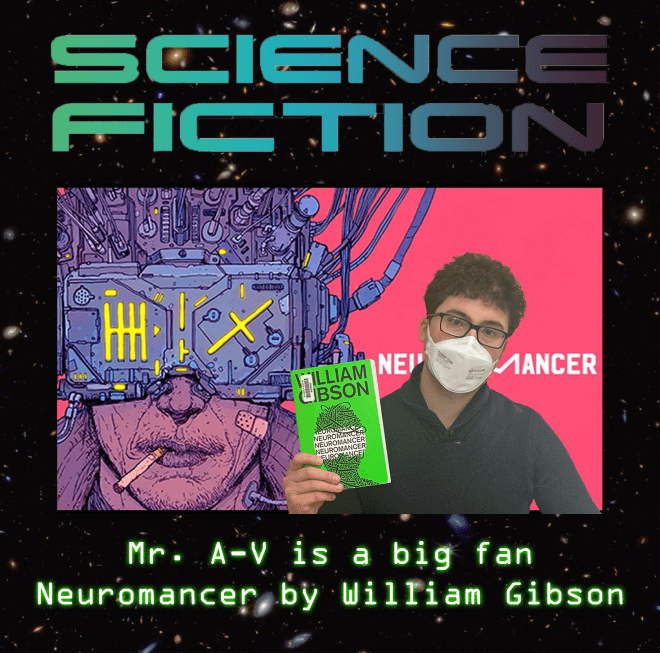
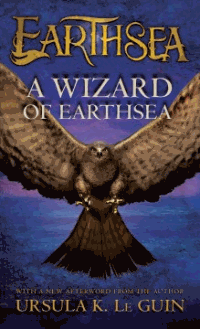
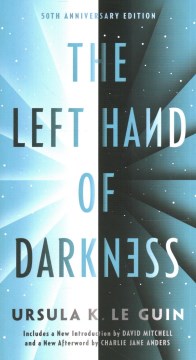
Legendary American writer Ursula K. Le Guin was born on this day in 1929. Le Guin is widely regarded as one of the greatest American writers of her generation. She is probably best known for her Fantasy novel A Wizard of Earthsea (1968). Le Guin was also a master of Science Fiction, winning numerous Hugo and Nebula Awards. Her novels The Left Hand of Darkness (1969) and The Dispossessed (1974), both achieved the double honour, winning both the Hugo and the Nebula. Ursula K. Le Guin died in 2018.



Frank Herbert, author of the Science Fiction classic novel Dune, and the series of Dune books, was born on this day in 1920.
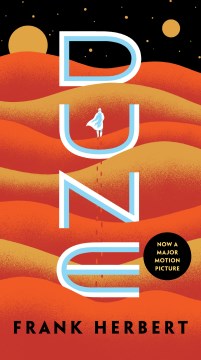

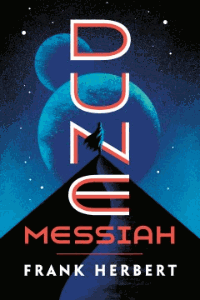


In the world of science fiction, the Hugo and the Nebula are the most prestigious awards that can be won by the author of a Sci-Fi novel. Here are those titles that achieved both distinctions and rank among the very best Sci-Fi works of all time.
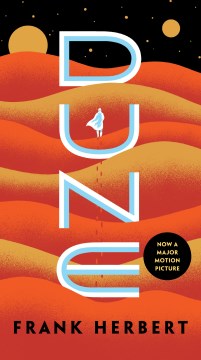
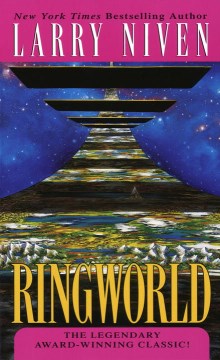

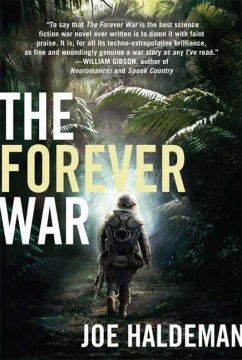

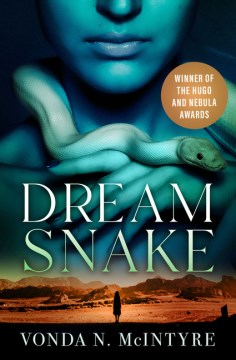


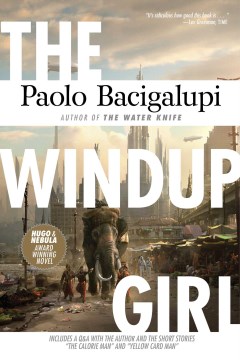

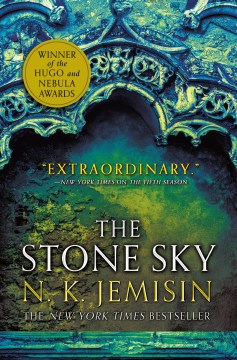
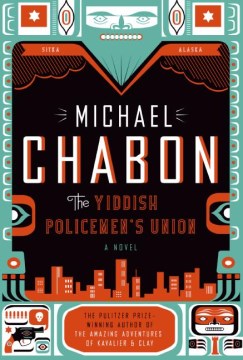
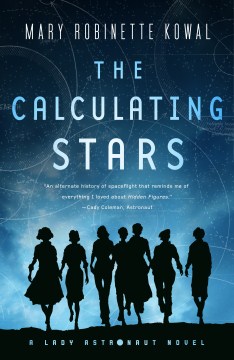
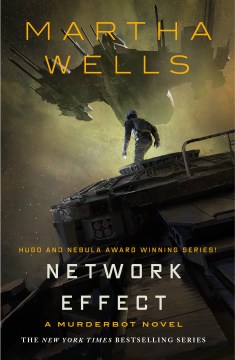
All of these novels can be found in your School Library. Come down to check them out.
 Writer Jo Walton was born on this day in Wales in 1964. She is the author of many different award winning fantasy, science fiction and speculative fiction books. Her novel Farthing, set in a Britain that has descended into the horrors of fascism, is the first book in an alternative history series that includes Ha’penny and Half a Crown. Walton has lived in Canada for more than a decade.
 Lord Tweedsmuir Secondary School Library