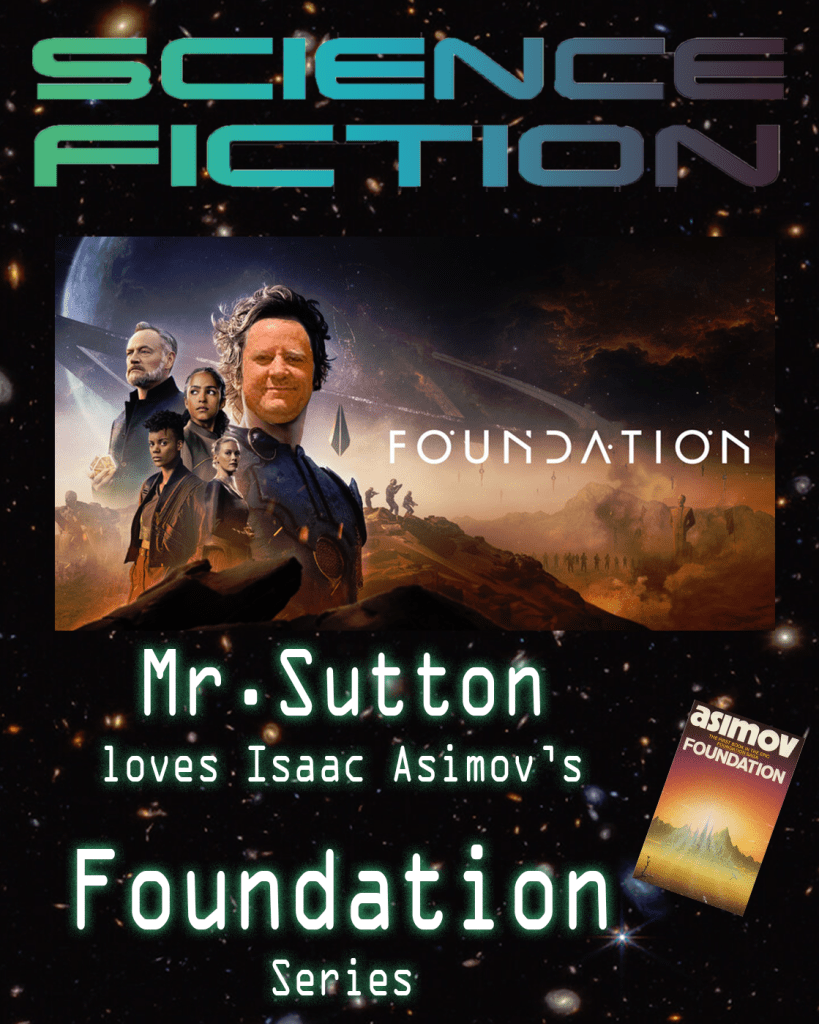
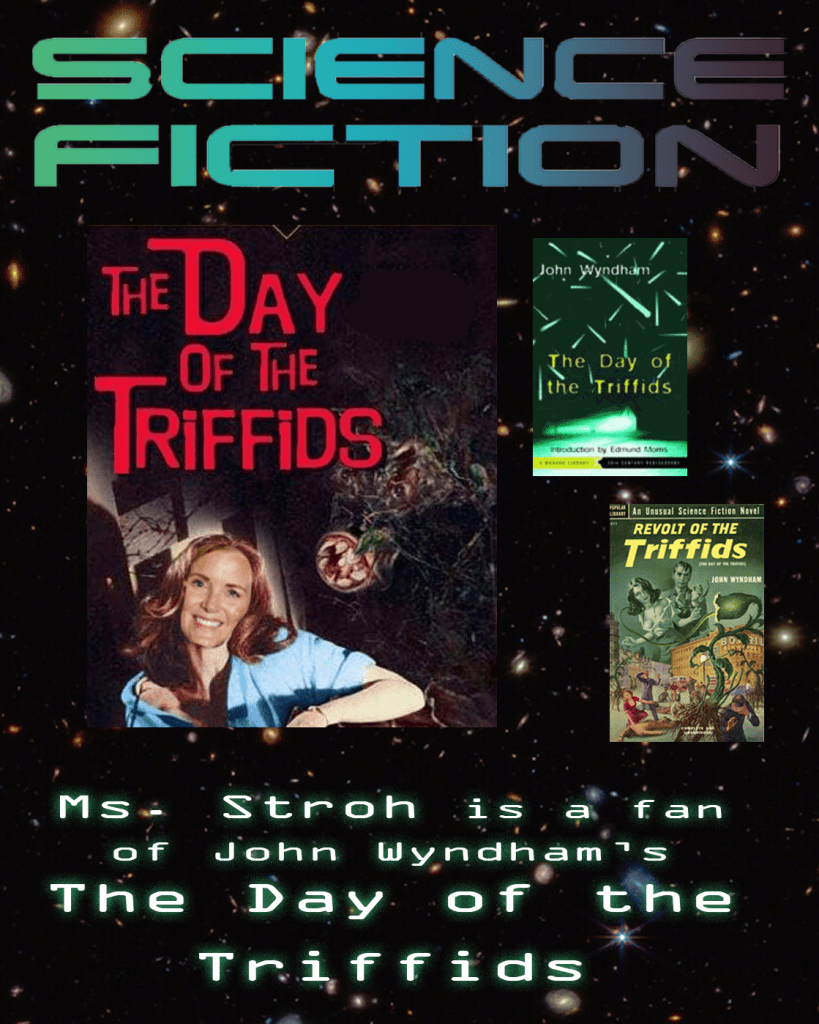
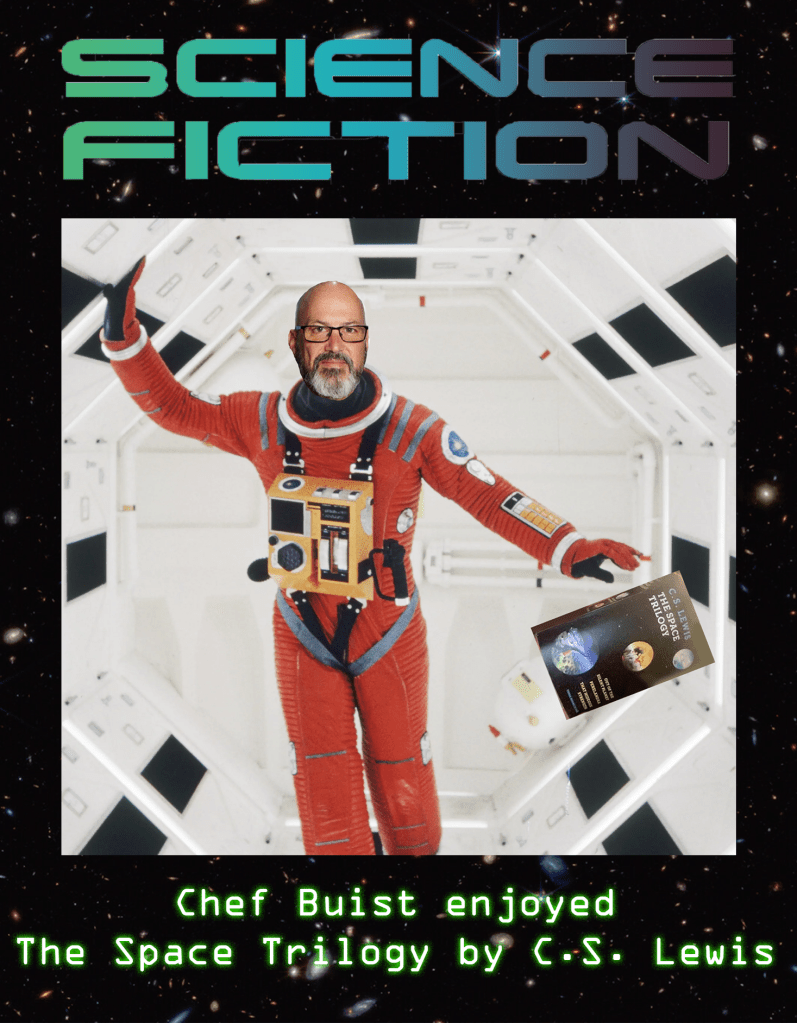
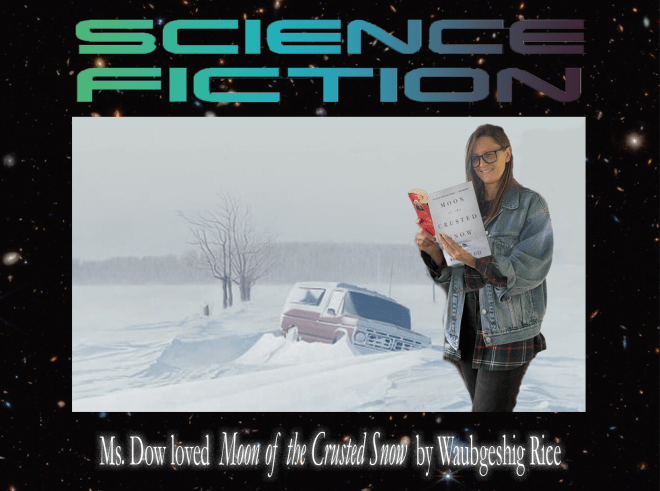
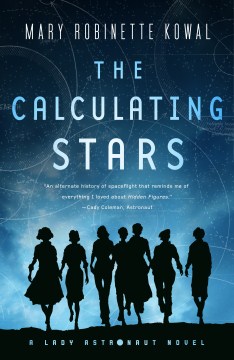
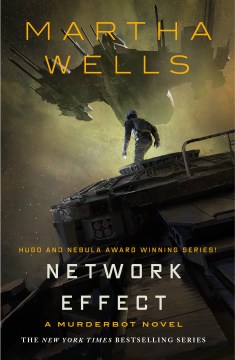
What is Sci-Fi?

What is science fiction? There are many different books, films, games and other media that can fall into the genre of sci-fi. There are many different definitions, many different sub-genres, and many different elements that can make something “sci-fi.” It wouldn’t be possible to come up with one definition that all Science Fiction writers and creators would agree upon. Having said that, we can examine some common themes and elements.


Science Fiction is a genre which can fit under the umbrella of Speculative Fiction, alongside, and often overlapping with, Fantasy and Horror. Science Fiction tends to be futuristic, imagining advances in technology and scientific achievement beyond our current levels. Robots, cyborgs and technologically modified humans are common in SF. Sci-fi often includes elements such as space travel, aliens, life on other planets or in other galaxies. However, sci-fi can also stay here on earth, exploring such things as utopia, dystopia, alternative histories, and post-apocalyptic scenarios. There can be an emphasis on science, with stories set in very realistic situations based on real scientific research, but can also extend into levels of conjecture that may try to extrapolate or predict where we are headed with science. In fact, SF can stray from hard science, abandoning realism altogether as it explores the paranormal and the fantastic.

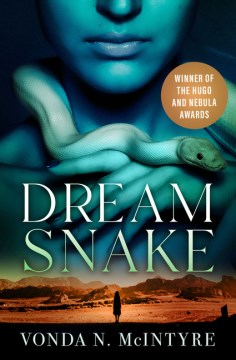
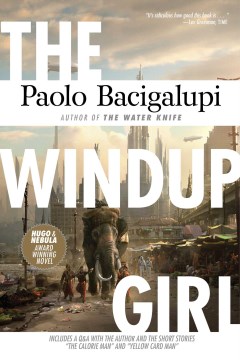
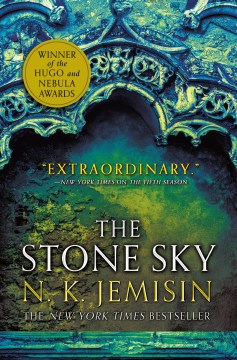
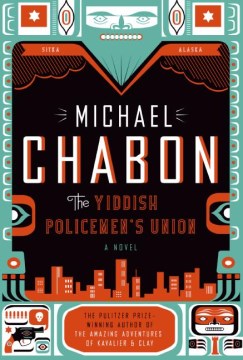
Hugo and Nebula Winners

In the world of science fiction, the Hugo and the Nebula are the most prestigious awards that can be won by the author of a Sci-Fi novel. Here are those titles that achieved both distinctions and rank among the very best Sci-Fi works of all time. 
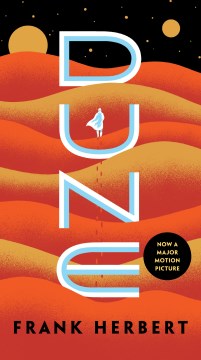

All of these novels can be found in your School Library. Come down to check them out.

Isaac Asimov

One of the giants of science fiction. and one of the great minds of the 20th Century, Isaac Asimov was born on this day in 1920. His work and the work of other great sci-fi writers, film makers and game developers is celebrated on this day, unofficially known as “International Science Fiction Day.” Here in your School Library we are going to be celebrating Sci-Fi all month long– so stay posted, and visit us in person, to find out more.

Isaac Asimov

asiConsidered one of the giants of science fiction, Isaac Asimov was born on this day in 1920. His work and the work of other great sci-fi writers, film makers and game developers is celebrated on this day, unofficially International Science Fiction Day. (If you get the chance, visit the Sci-Fi Museum in Seattle!) For more on the life of Isaac Asimov, click here.

Isaac Asimov

asiConsidered one of the giants of science fiction, Isaac Asimov was born on this day in 1920. His work and the work of other great sci-fi writers, film makers and game developers is celebrated on this day, unofficially International Science Fiction Day. (If you get the chance, visit the Sci-Fi Museum in Seattle!) For more on the life of Isaac Asimov, click here.

Isaac Asimov

source: wikimedia commons / GDFL Rowena Murrill

Considered one of the giants of science fiction, Isaac Asimov was born on this day in 1920. His work and the work of other great sci-fi writers, film makers and game developers is celebrated on this day, unofficially International Science Fiction Day. (If you get the chance, visit the Sci-Fi Museum in Seattle!) For more on the life of Isaac Asimov, click here.

Sci-Fi Greats

2001Two Science Fiction Masters were born on this day.  Arthur C. Clarke, the author of such great books as the landmark novel 2001: A Space Odyssey, was born in 1917 .  Philip K. Dick was born on this day in 1928. He is the author of numerous Sci-Fi cult favourites, including The Man in the High Castle, and Do Androids Dream of Electric Sheep (which was adapted for the screen as “Blade Runner.”)

For more on these great Sci-Fi writers, check out:

androshee