January is Science Fiction month at your School Library. We asked teachers at LTS to share some of their favourite sci-fi titles.
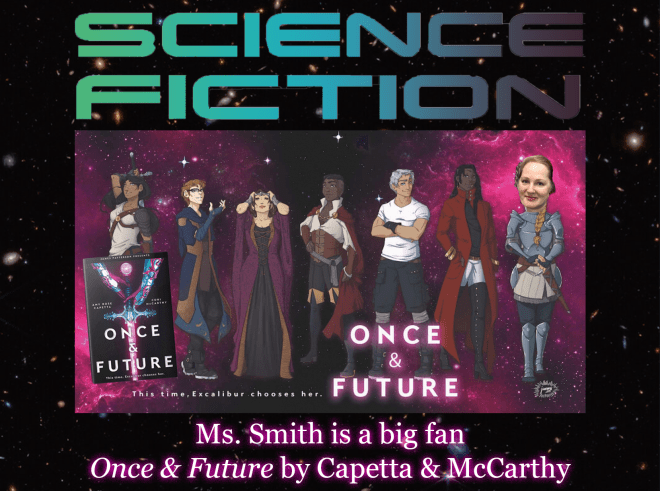
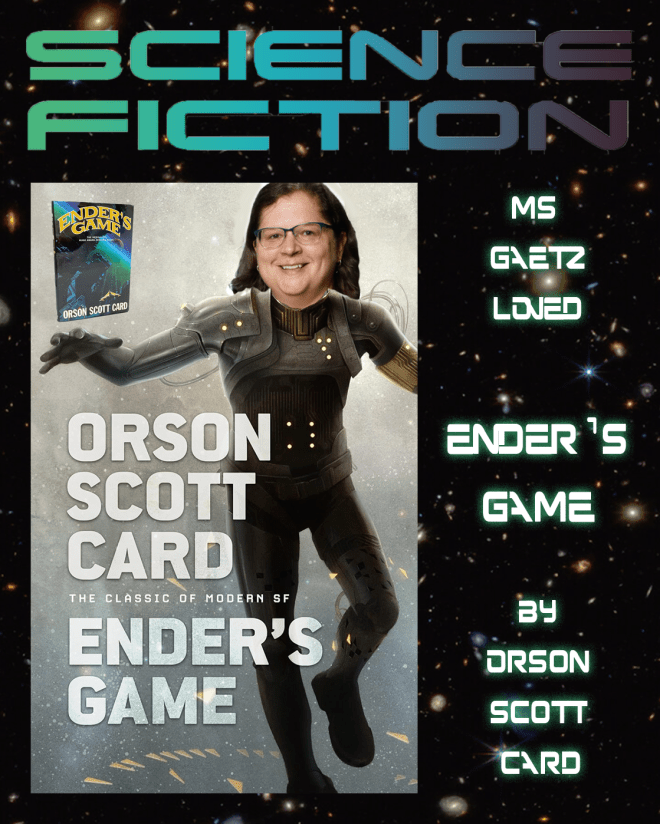
January is Science Fiction month at your School Library. We asked teachers at LTS to share some of their favourite sci-fi titles.
January is Science Fiction month at your School Library. We asked teachers at LTS to share some of their favourite sci-fi titles.
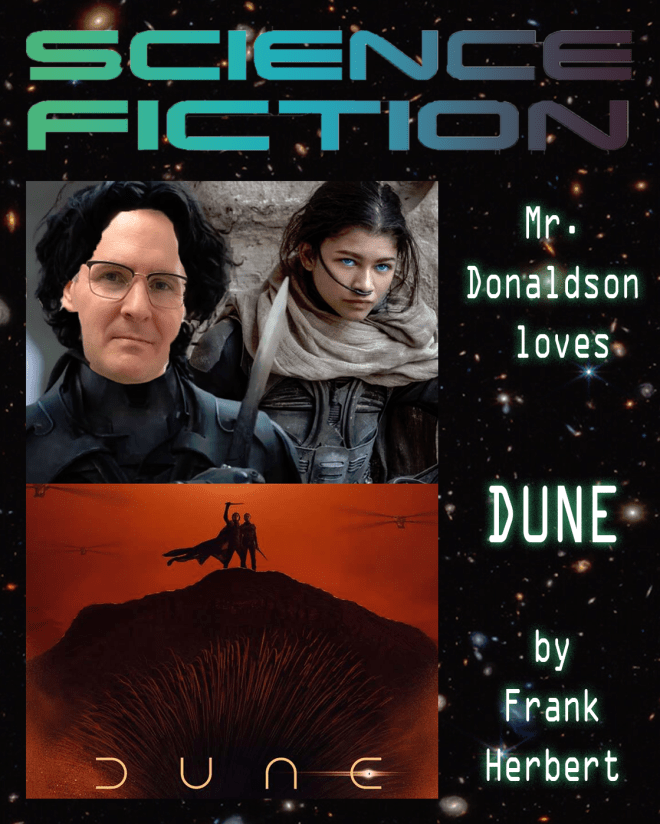
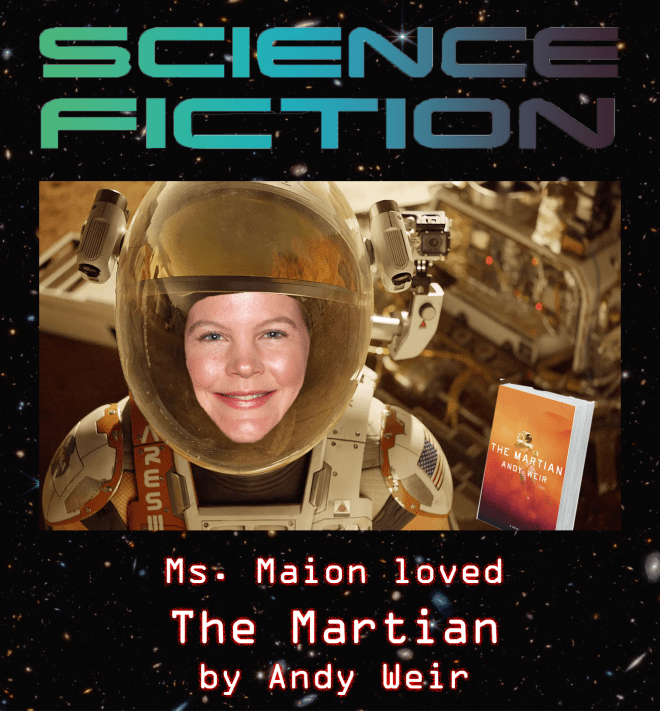
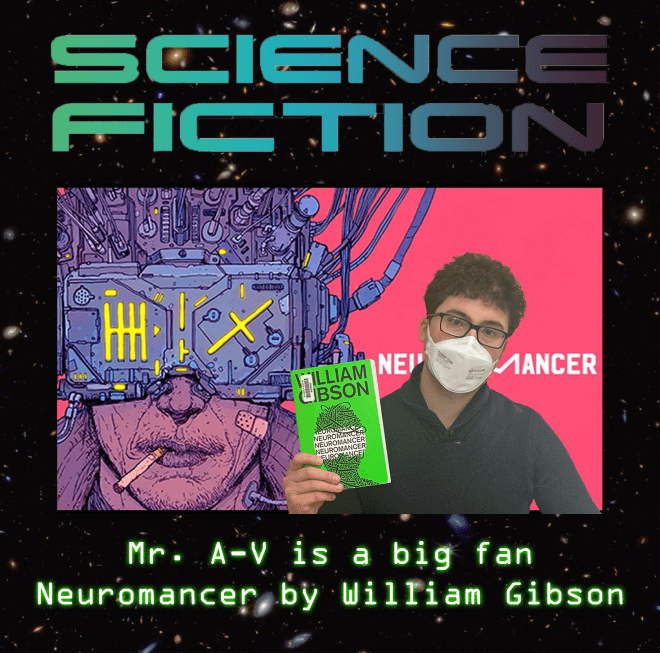
What is one of your favourite books? That is the question we asked teachers and other staff at Lord Tweedsmuir.

The response was excellent. There are some pretty cool books that were brought up. Ms. Perez loves Leo Tolstoy’s Anna Karenina. If you haven’t read it, maybe you should check it out. (We have it here in the school library for you to borrow.)
We’ve asked the adults in the building. How about the students? What are some of your favourite books?
Look for more examples of favourite books in the coming weeks.
In the world of science fiction, the Hugo and the Nebula are the most prestigious awards that can be won by the author of a Sci-Fi novel. Here are those titles that achieved both distinctions and rank among the very best Sci-Fi works of all time.
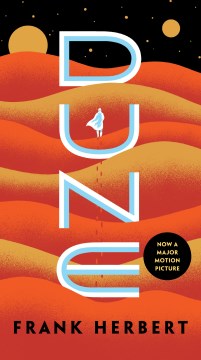
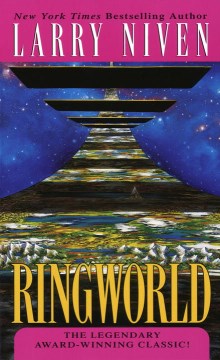

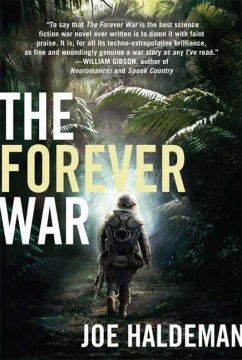

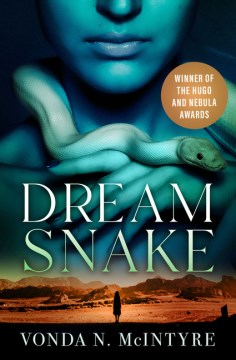


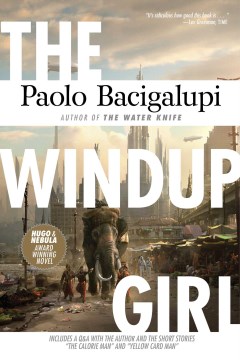

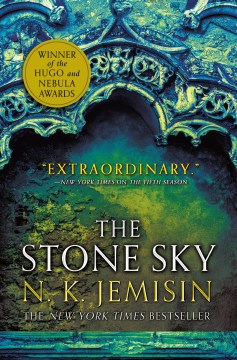
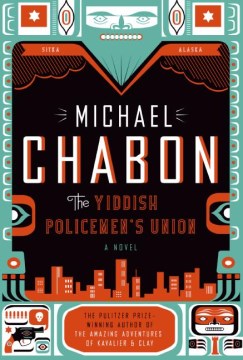
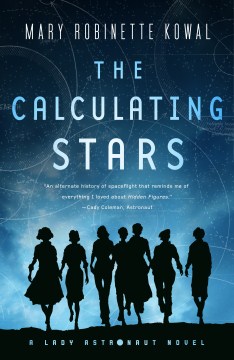
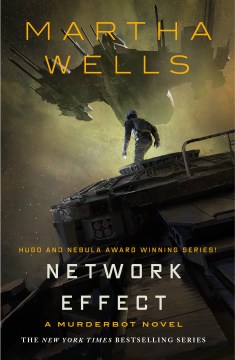
All of these novels can be found in your School Library. Come down to check them out.
Surrey Teens Read has some amazing books to check out. Here is one of them, On the Hook.

Come down to your school library to have a look at all ten of this year’s Surrey Teen Read selections, including by Francisco X. Stork’s On the Hook.
Come down to your School Library to find out more about Earth Day and all the issues that we face in terms of protecting life on this planet.
If you are looking for a quick introduction to the scientific understanding of the issues of climate change, this is a great place to start: This is Climate Change: A Visual Guide to the Facts: See for Yourself How the Planet is Warming and What it Means for Us, by David Nelles & Christian Serrer.
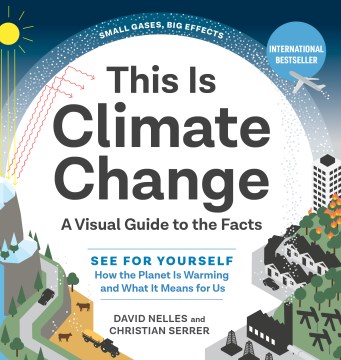
What they (the authors) were hoping to find was a book that explained the nuts and bolts of climate change and presented the scientific evidence in a way that was concise and enjoyable to read. After a long and fruitless search, they eventually gave up and instead decided to write it themselves.
“Who’s Behind the Book”, Nelles and Serrer, 128)
An excellent feature of the book is the comprehensive bibliography that can be reached by QR code or by using the given URL. Go here to see the Bibliography.
Surrey Teens Read always serves up great books for our students.
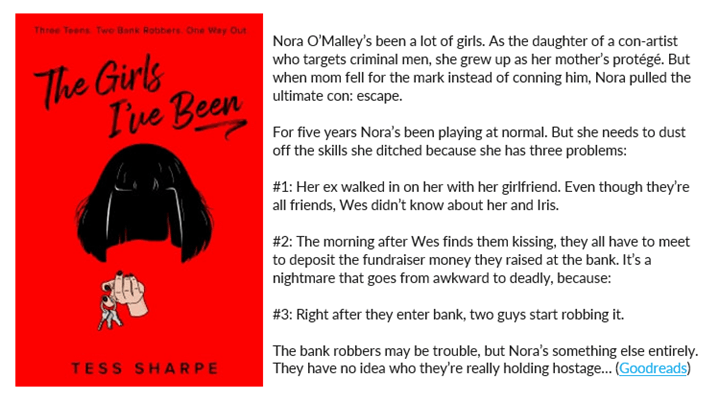
Come down to your school library to have a look at all ten of this year’s Surrey Teen Read selections, including Kyrie McCauley’s We Can Be Heroes.
Surrey Teens Read promises great reads for students in our district.

Not Here to Be Liked by Michelle Quach is one the ten amazing titles presented by Surrey Teens Read. Come down to your school library to have a look.
Check out this Surrey Teens Read nominee from author Ruta Septys.
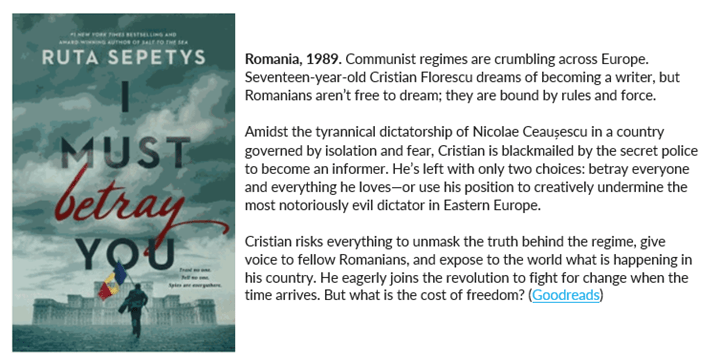
I Must Betray You is historical fiction filled with suspense, intrigue and themes that resonate in current evetns. Come down to your school library to check it out, and peruse all ten of this year’s Surrey Teen Read selections.
Surrey Teens Read has something for everyone. Here is Kyrie McCauley’s We Can Be Heroes.
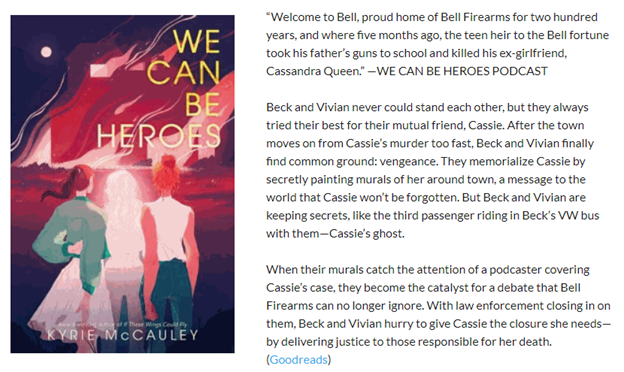
Come down to your school library to have a look at all ten of this year’s Surrey Teen Read selections.
How many Surrey Teens Read books have you read yet? You need to have a look at Iron Widow by Xiran Jay Zhao.

Come down to your School Library to check out Iron Widow, one of this year’s ten nominated titles from Surrey Teens Read.
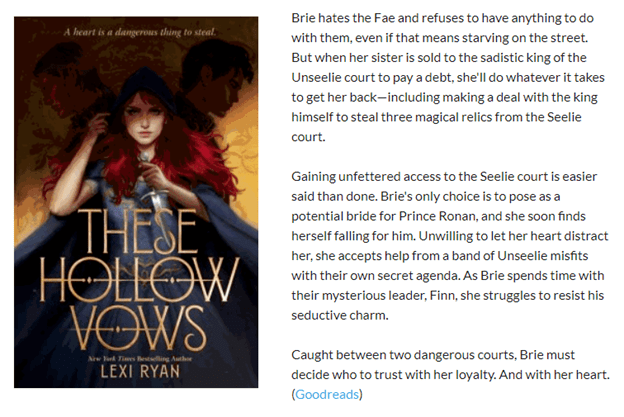
Come down to your School Library to check out Lexi Ryan’s These Hollow Vows, one of this year’s ten nominated titles from Surrey Teens Read
 Lord Tweedsmuir Secondary School Library