April is National Poetry Month in Canada. Visit us in your School Library to find out more!
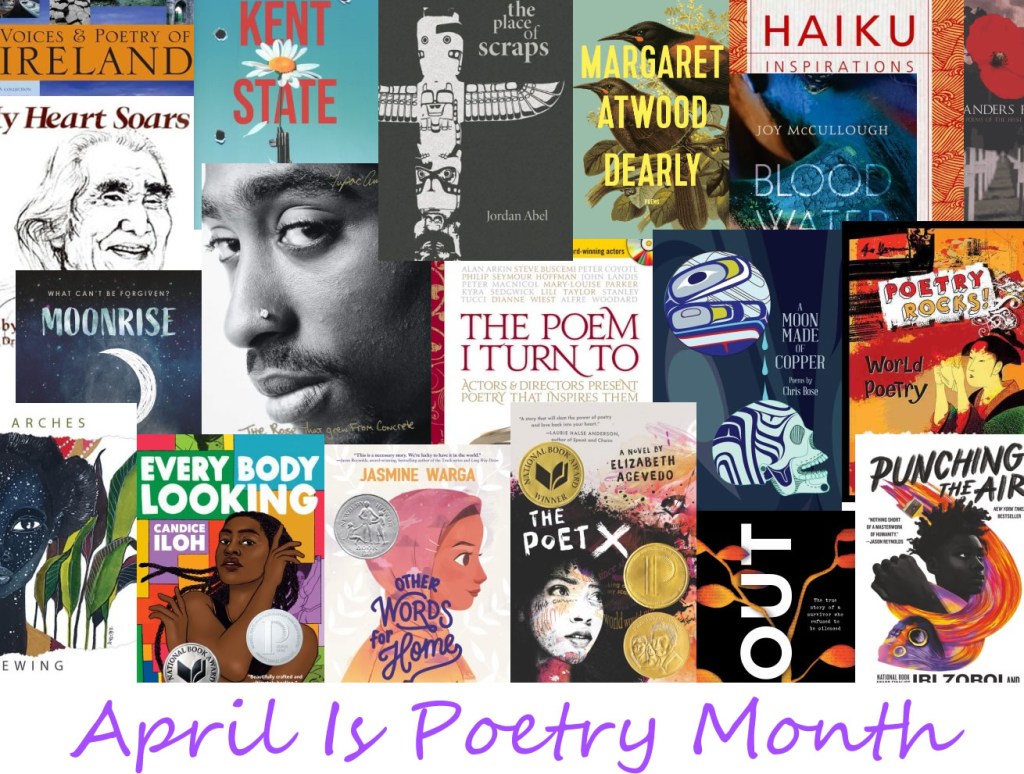
April is National Poetry Month in Canada. Visit us in your School Library to find out more!
The best way to celebrate Freedom to Read Week is to read.
Read freely.
Read regularly.
Read critically.
Read deeply.
Read thoughtfully.
Read widely.
There are people who want to take away your right to read what you choose to read. These people aren’t just in totalitarian states around the world. These people are in Canada, in your province and your city and your neighbourhood. They think that they know best about what you should read and what you shouldn’t read. The fight to protect your rights and freedoms is real.
However, all the fuss about rights, challenges, freedoms, censorship, book bans, literacy, etc — it means nothing if you don’t read. Freedom to Read Week is a waste of time if you don’t read. The forces working hard to take away your freedoms don’t need to bother if you don’t exercise your freedoms.
So read.
Read for fun.
Read to learn.
Read to escape.
Read to know things.
Read to be free.
Read what you choose to read.
Read.
Freedom to Read Week reminds us that our rights and freedoms are both precious and fragile. We must understand them, defend them, and exercise them. To understand the freedom to read, we must explore many overlapping issues including literacy, intellectual freedom, democracy, libraries, the Charter of Rights and Freedoms, citizenship, freedom of expression, access to information, public education, academic freedom, and more.
It is also sadly necessary for us to recognize understand, and defend ourselves from the attacks on our rights and freedoms. These take many forms, including censorship, book bans, fake news, disinformation and misinformation, science denial,anti-intellectualism, the defunding and degrading of public education, and more. All of these contribute the rise of authoriatarianism, fascism and other anti-democratic movements.
We must also exercise our freedom to read. Democratic citizenship is built upon such fundamentals as an educated and informed electorate. Democracy requires knowledgeable citizens who think critically about the issues and act accordingly. Free people are free to explore wherever their curiosity takes them. However, what good is the freedom to do something if we don’t do it?
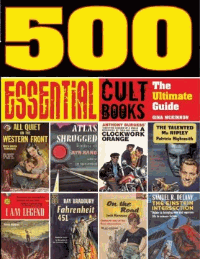
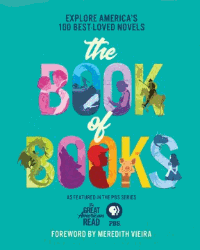
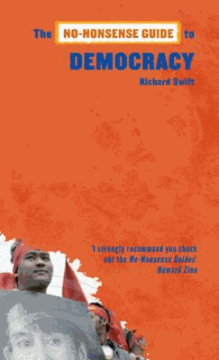
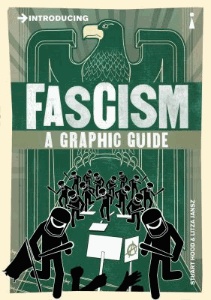
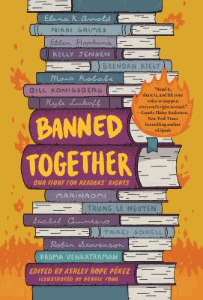
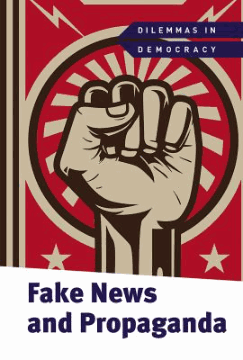
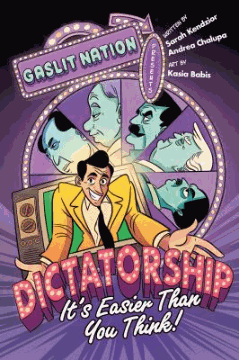
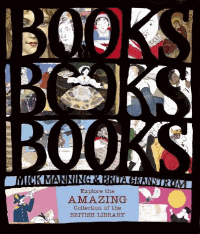
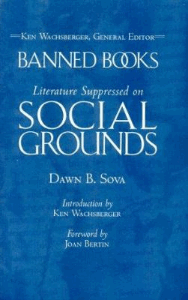
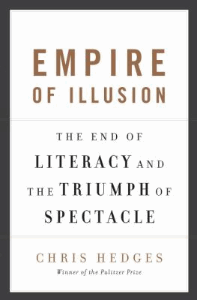
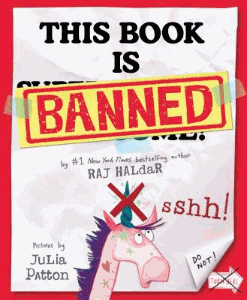
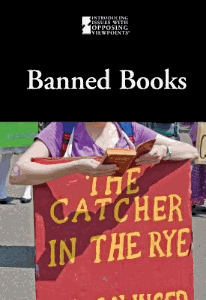
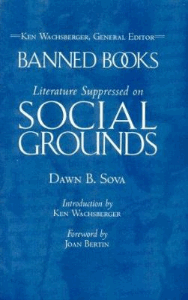
Here are some books to help you learn more about some of these issues.
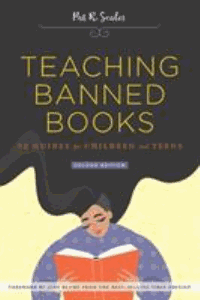
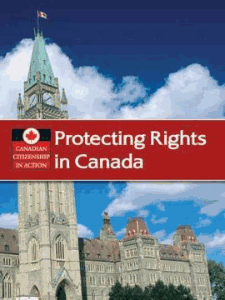
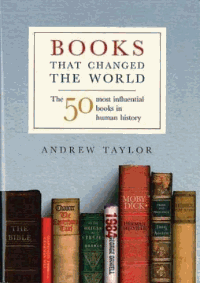
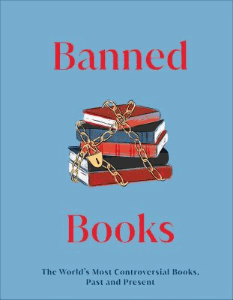
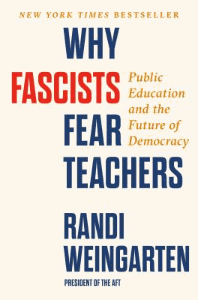
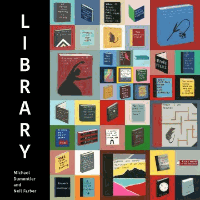
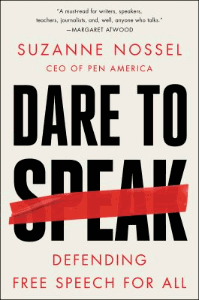

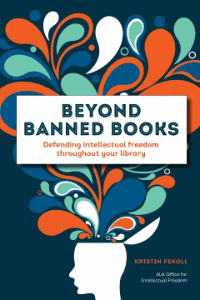
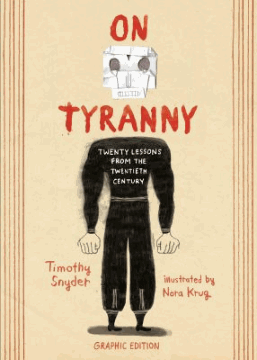

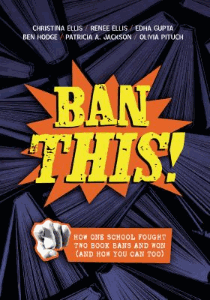
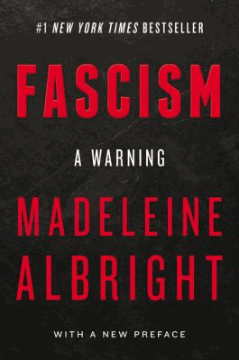
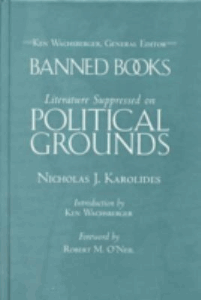


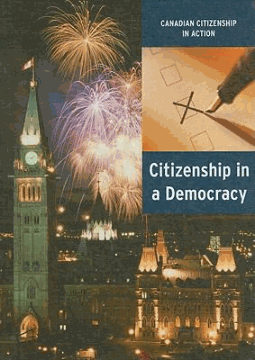
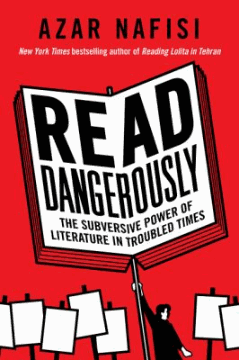
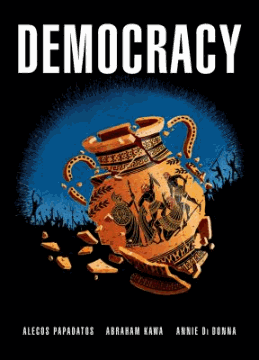

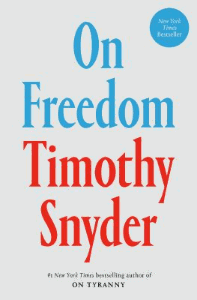
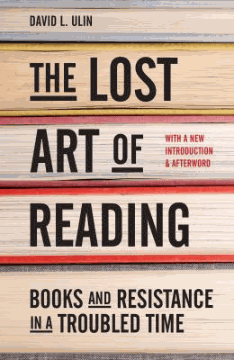
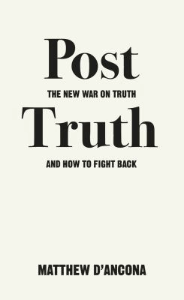
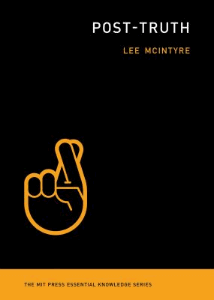
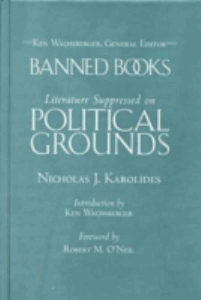
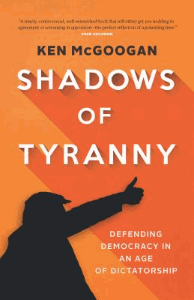
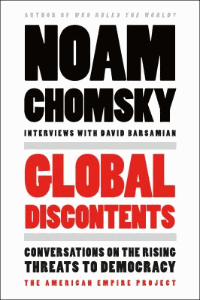

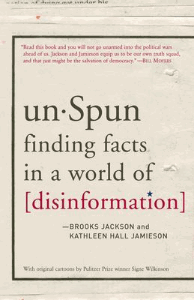
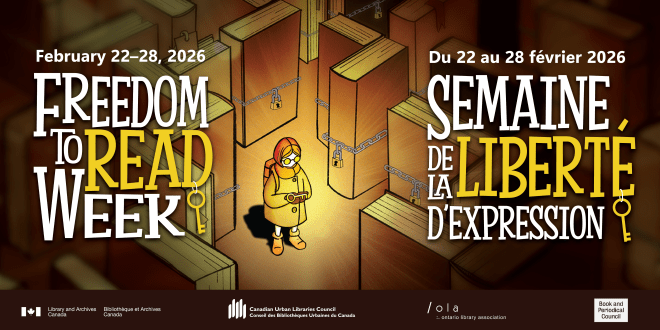
Freedom to Read Week in Canada is February 22 to 28, 2026
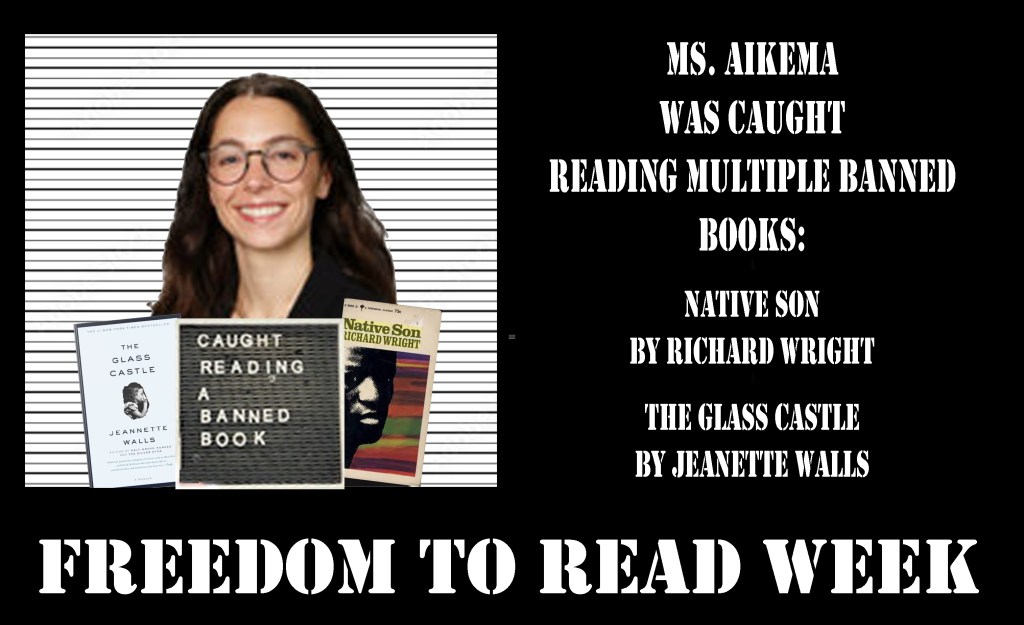
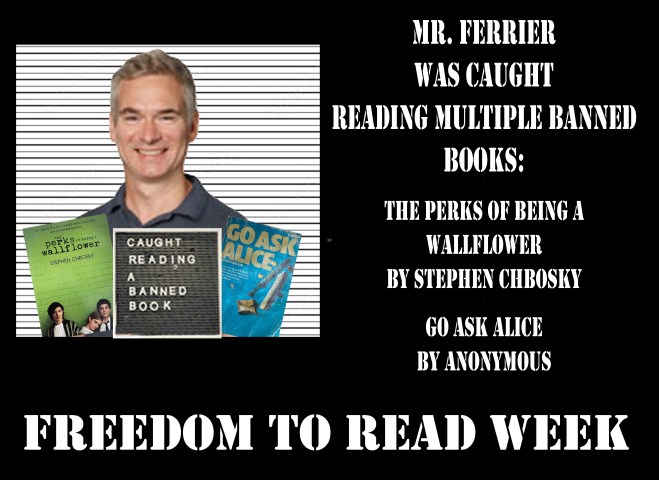
These teachers were caught reading books that are on lists of titles that have been challenged by those who want to take books out of libraries, schools, and even bookstores. There are forces at work in Canada today who want to decide for you what you can read. These teachers are standing up for your right to decide for yourself.
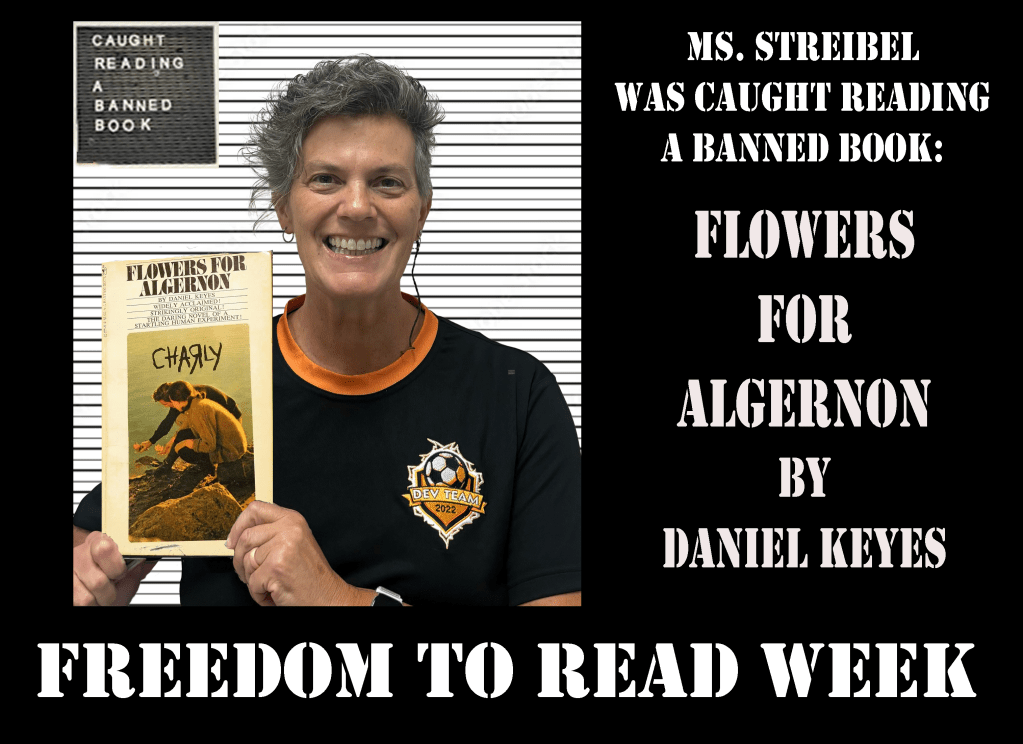
Freedom to Read Week in Canada in 2026 is February 22-28. Come down to your School Library to find out more.
Be sure to visit your School Library as we focus on our “Freedom to Read.” One of the most important weeks of the year, Freedom to Read Week, takes place Feb 22-28.
Join with us as we use this week to
From freedomtoread.ca:
Freedom to Read Week is an annual event that encourages Canadians to think about and reaffirm their commitment to intellectual freedom.
Freedom to Read Week provides an opportunity for Canadians to focus on issues of intellectual freedom as they affect your community, your province or territory, our country, and countries around the world.
January is Sci-Fi Month at your School Library. We asked teachers to share some of their favourites.
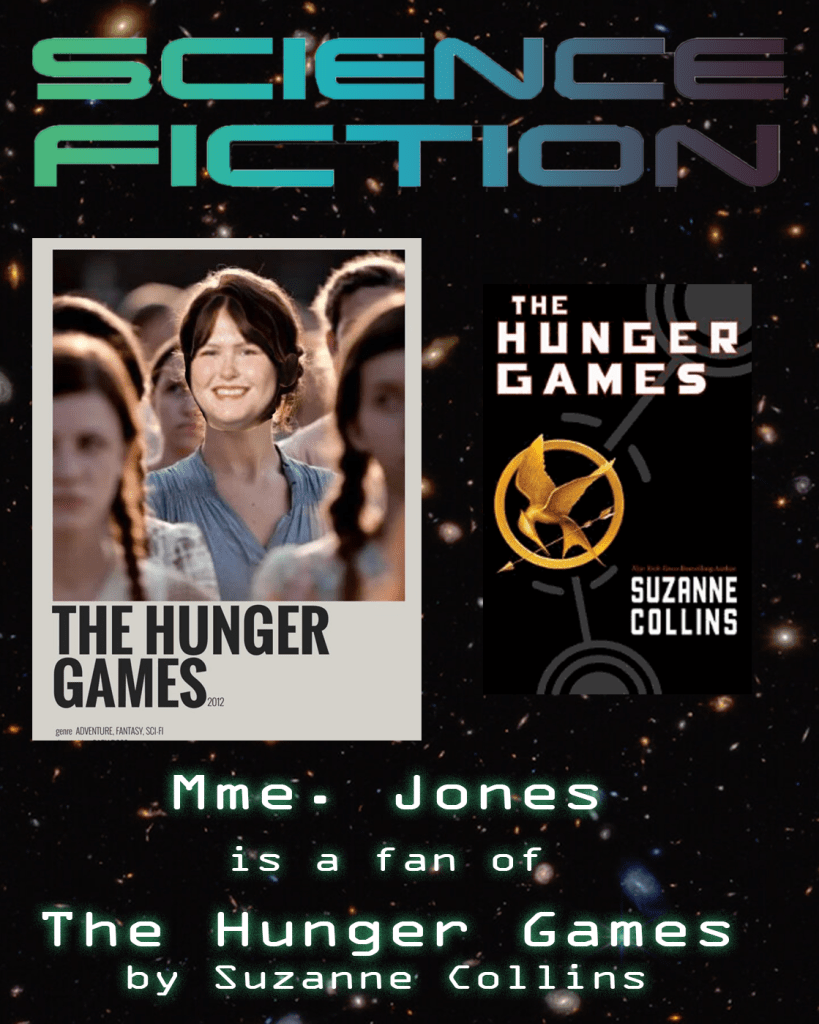

Come down to the School Library to find out more.
January is Sci-Fi Month at your School Library. We asked teachers to share some of their favourites.



Come down to the School Library to find out more.
January is Science Fiction Month at your School Library. We asked teachers to share some of their favourite titles.
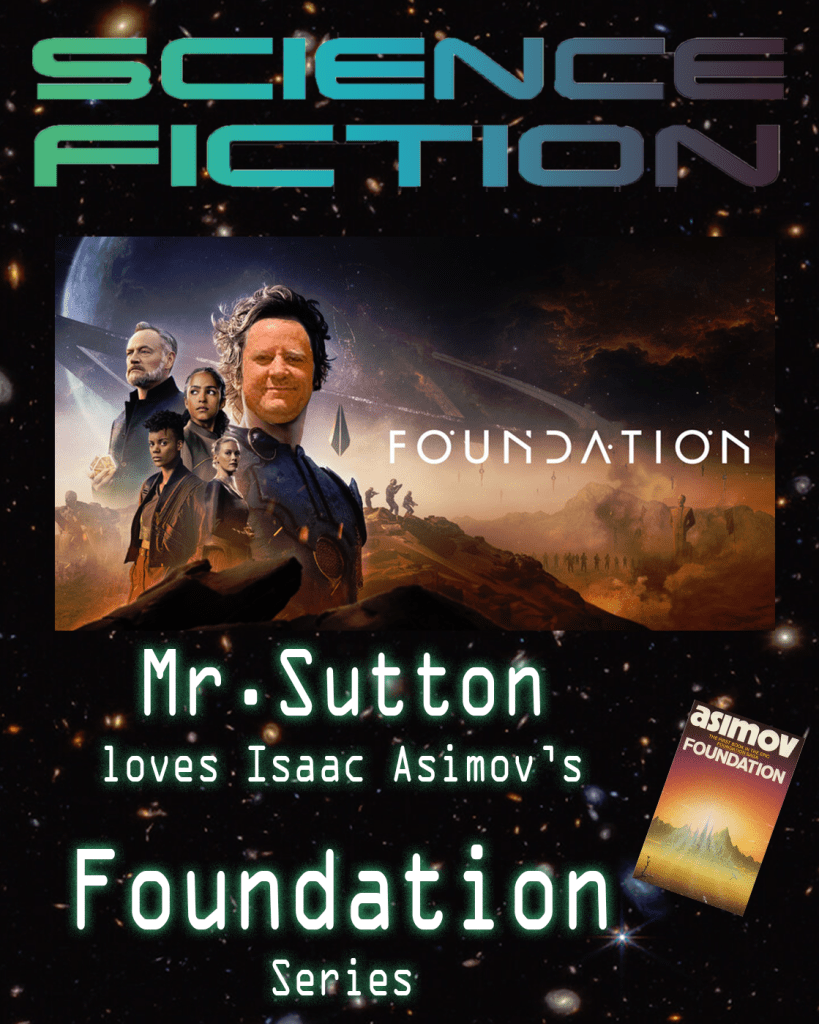

Come down to the School Library to find out more and to peruse our incredible selection of Sci-Fi books.
Today is Canada School Library Day, BC School Library Day, and the day of the annual DEAR Challenge: Drop Everything and Read.
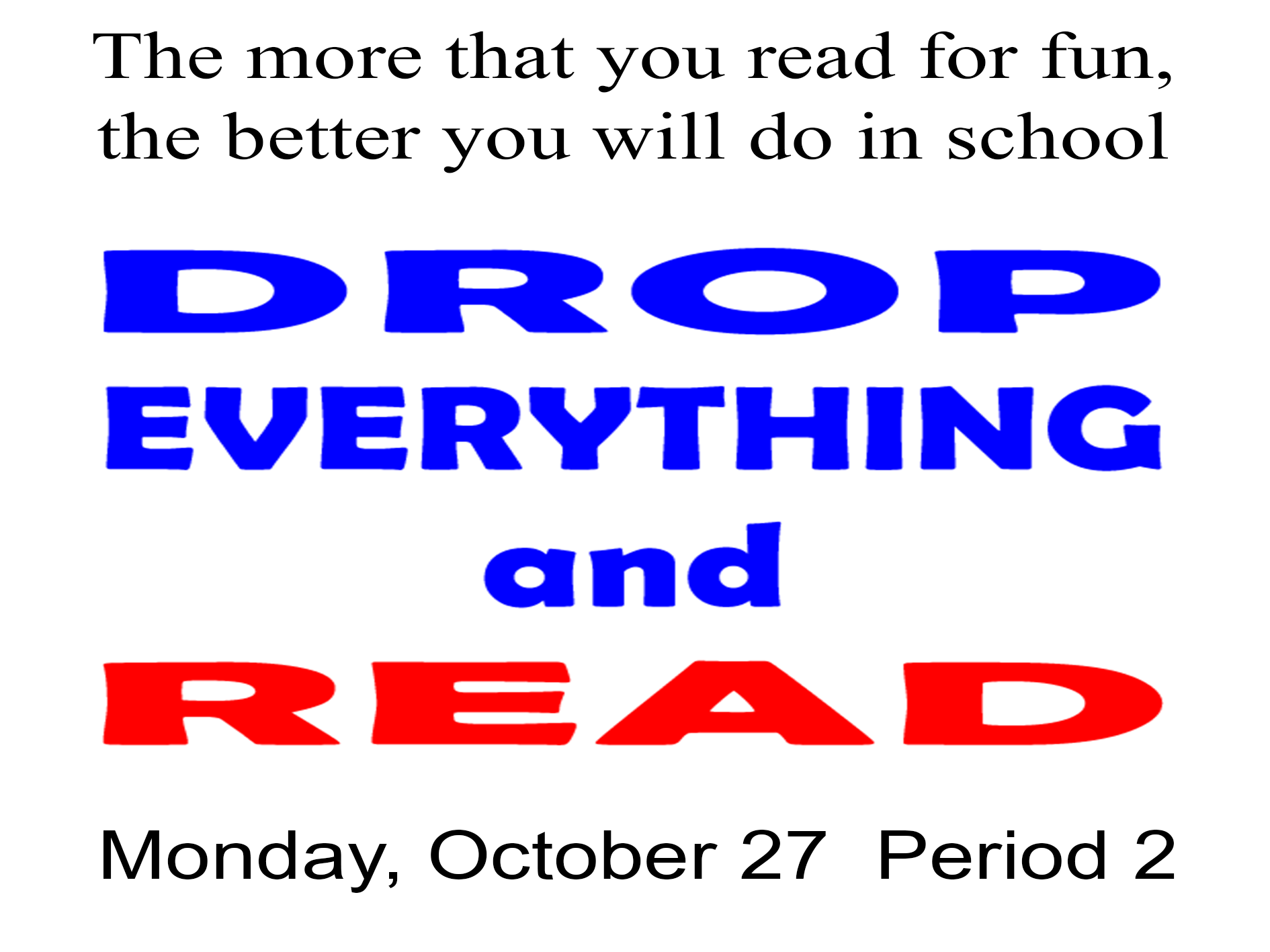

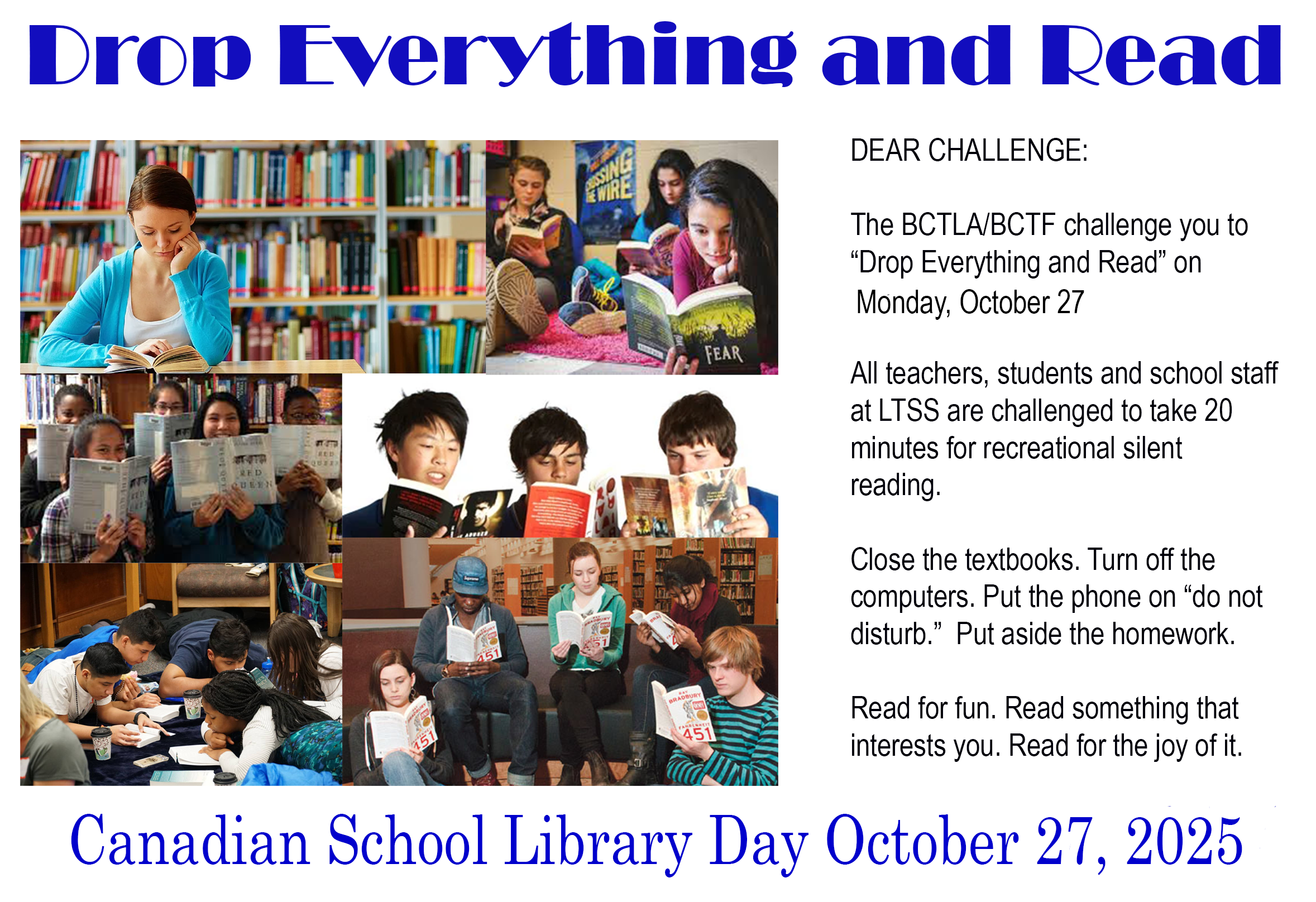
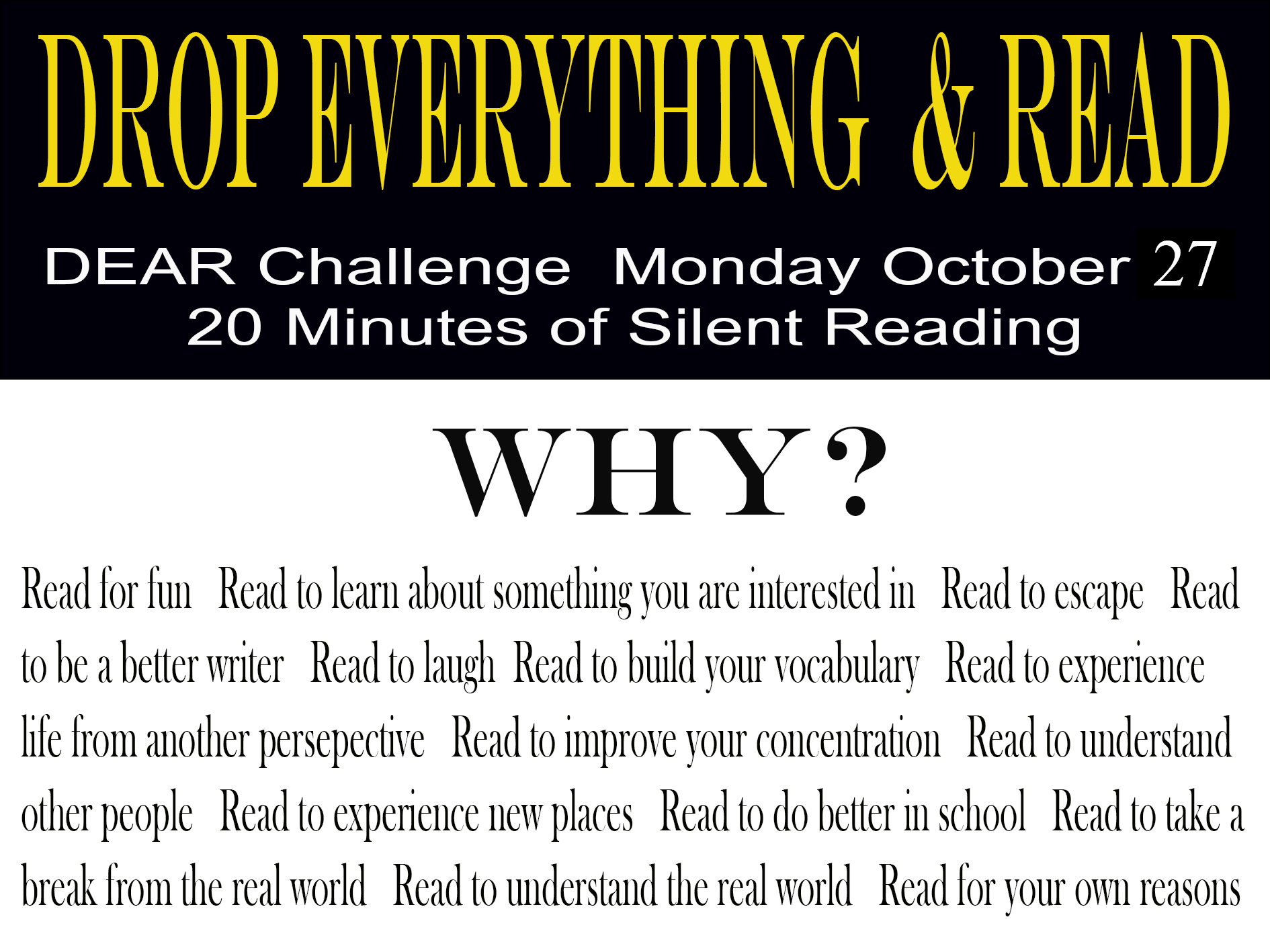
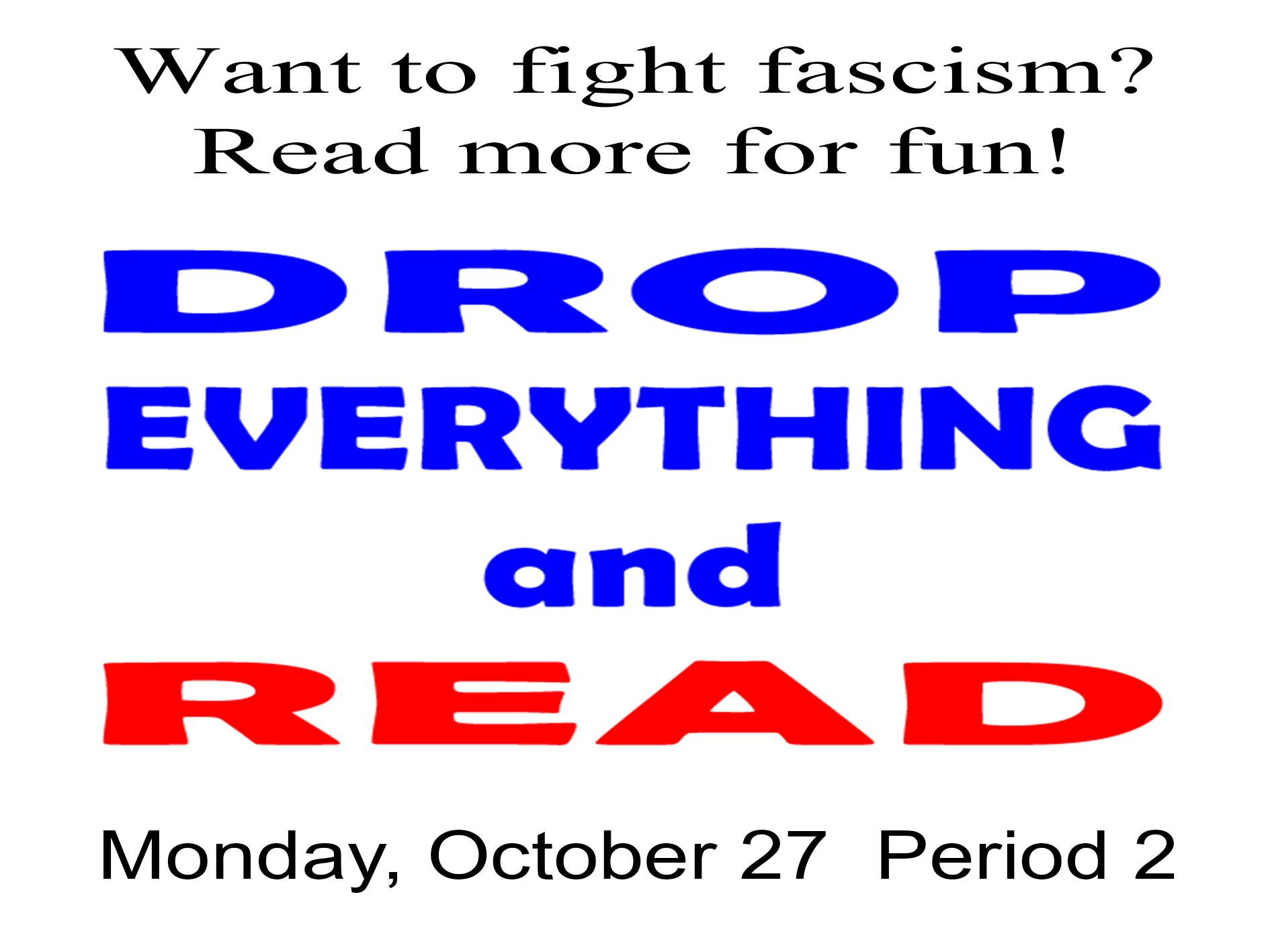
Next Monday the students and staff of our school will rise to the DEAR Challenge: Drop Everything and Read. During the long 2nd block (C block) everyone is challenged to read for 20 minutes.

October 27 is Canadian School Library Day & BC School Library Day. School Libraries are valuable in so many ways. Amongst the most important is how much school libraries can educate students and staff about the massive importance of recreational reading, and how vital school libraries are in supporting students by giving them access to books. We encourage everyone in our school– indeed, everyone in the community at large– to take up the challenge to Drop Everything and Read.
A new documentary explores how public school librarians are standing up for our rights in the fight against book bans and the rise of fascism.

Librarians emerge as first responders in the fight for democracy and our First Amendment Rights. As they well know, controlling the flow of ideas means control over communities.
“In Texas, the Krause List targets 850 books focused on race and LGBTQia+ stories – triggering sweeping book bans across the U.S. at an unprecedented rate. As tensions escalate, librarians connect the dots from heated school and library board meetings nationwide to lay bare the underpinnings of extremism fueling the censorship efforts. Despite facing harassment, threats, and laws aimed at criminalizing their work – the librarians’ rallying cry for freedom to read is a chilling cautionary tale. ” (thelibrariansfilm.com)
Find out more about the documentary film “The Librarians”
The fight against book bans by public school librarians shown in new documentary. Check out this story from PBS News.
October 5-11 is Banned Books Week
October is Canadian Library Month
October is International School Library Month
October 5-11 is the ALA’s “Banned Books Week.” Censorship and book banning is alive and well, and we need to fight it. In Canada, and other nations that claim to embrace democracy and freedom, fascism no longer just lurking in the shadows– it is here, out in the open, and seizing power where it can. Fascists seek to control information as a means of controlling the population, and the censorship of books and other reading materials is one prong in that attack.
In Canada we observe the similar “Freedom to Read Week” in the new year. However, we can also join with our American neighbours in recognizing Banned Books Week and the attacks on freedom and democracy that are posed by the massively sharp rise of book banning. The US has seen an especially concerted attack on books for teens about marginalized communities. We are not immune from such fascist tactics in Canada, as book challenges have risen in step with the rise of far right propaganda, and in most cases are centered on schools, classrooms and school libraries.
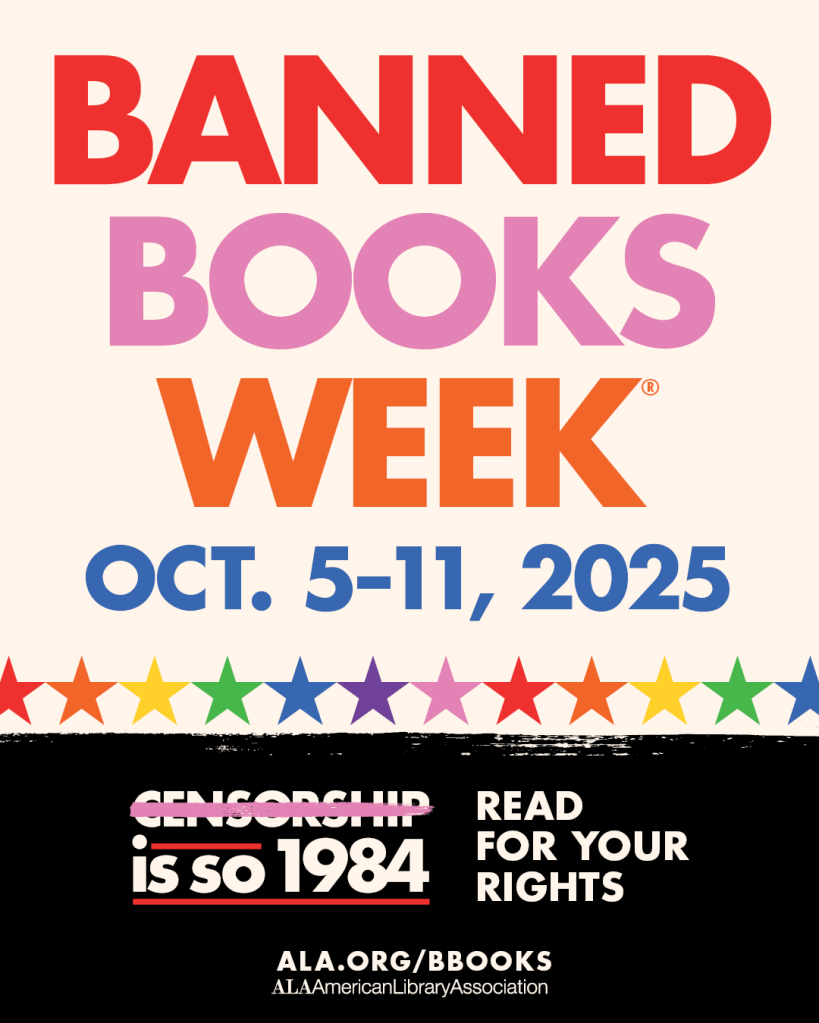
Find out more about Banned Books Week.
 Lord Tweedsmuir Secondary School Library