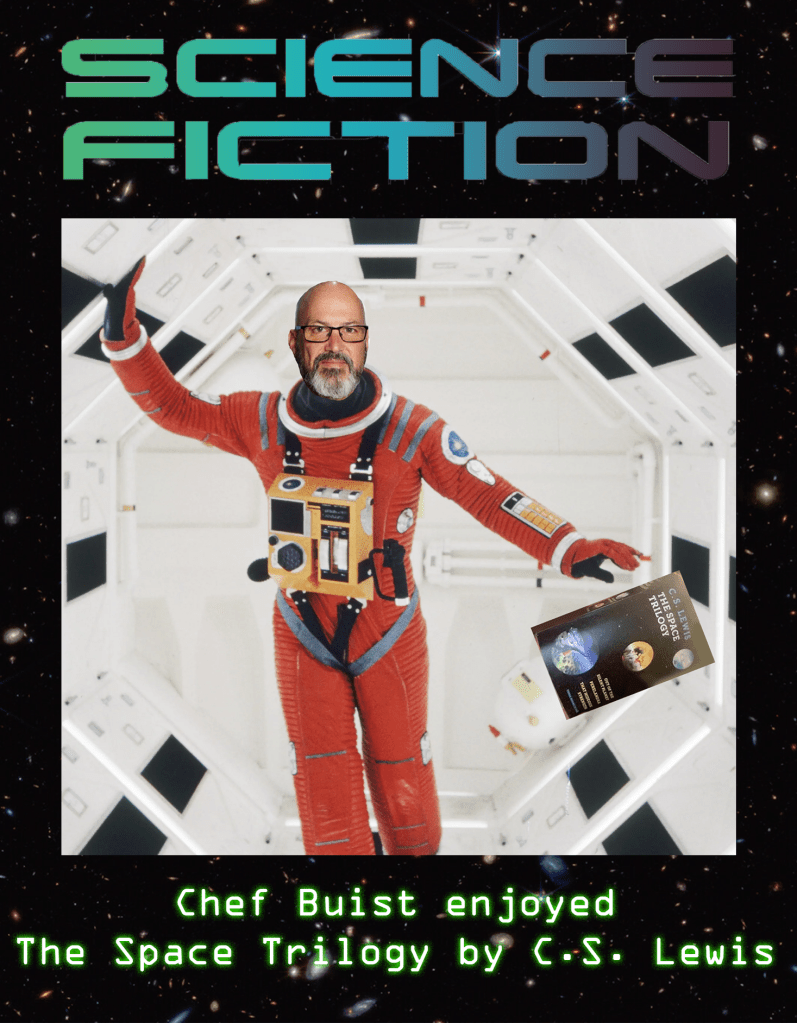
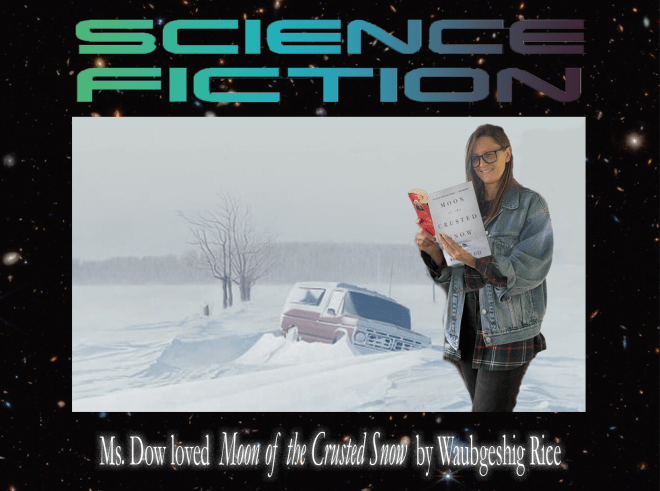
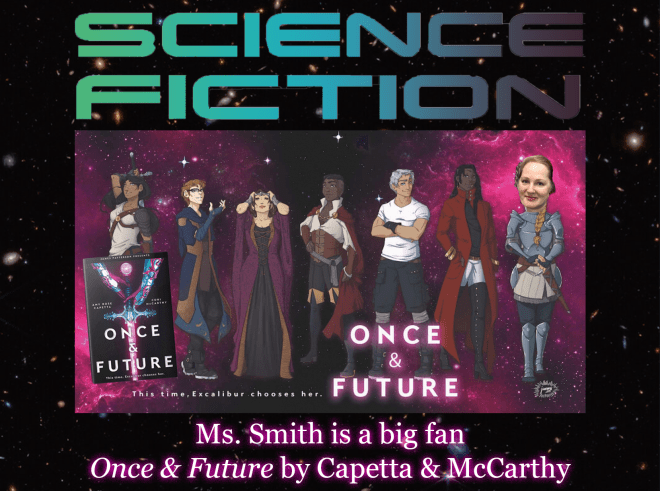
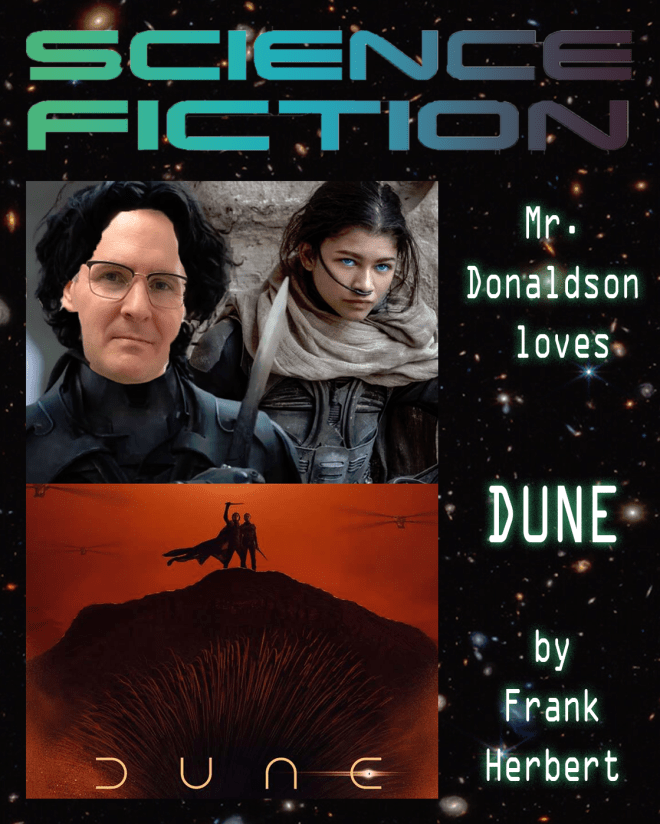
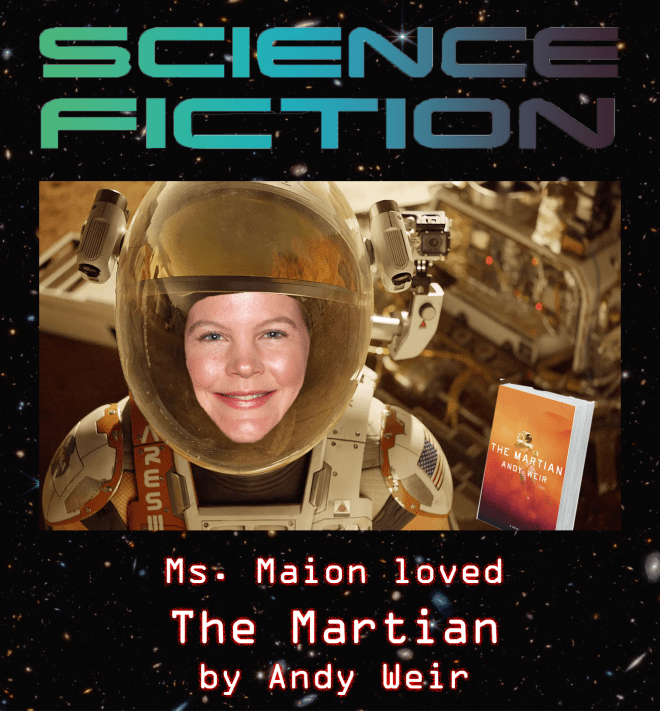
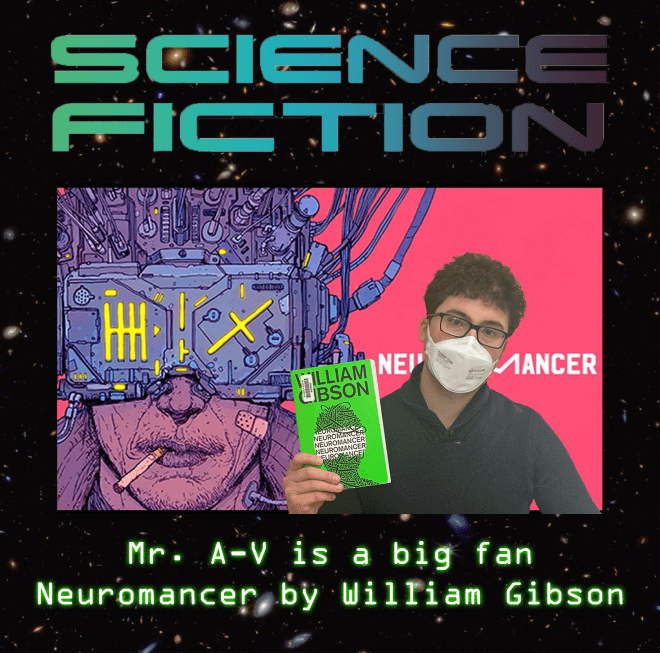
January is Science Fiction month at your School Library. We asked teachers at LTS to share some of their favourite sci-fi titles.


January is Science Fiction month at your School Library. We asked teachers at LTS to share some of their favourite sci-fi titles.


January is Science Fiction month at your School Library. We asked teachers at LTS to share some of their favourite sci-fi titles.


January is Science Fiction month at your School Library. We asked teachers at LTS to share some of their favourite sci-fi titles.


What is one of your favourite books? That is the question we asked teachers and other staff at Lord Tweedsmuir.

The response was excellent. There are some pretty cool books that were brought up. Ms. Perez loves Leo Tolstoy’s Anna Karenina. If you haven’t read it, maybe you should check it out. (We have it here in the school library for you to borrow.)
We’ve asked the adults in the building. How about the students? What are some of your favourite books?
Look for more examples of favourite books in the coming weeks.
“The man who does not read has no advantage over the man who cannot read.”
Source: Unknown*
The rights and freedoms of Canadians include the right to read what you want to read. Such rights and freedoms are fundamental to democracy. However, such rights and freedoms are meaningless unless citizens exercise these rights and freedoms.
There are authoritarian forces at work in our society that seek power by attacking your rights, including attempts to censor or limit your freedom to read. Totalitarian states know that uneducated and illiterate citizens are easier to control and oppress. Such forces can only celebrate that the work is much simpler when significant portions of the population choose not to read. Censorship becomes less pressing when “aliteracy” becomes prevalent.
A true democracy guarantees fundamental rights and freedoms to its citizens. But to work effectively, indeed, to survive, democracy requires that citizens exercise those rights. In particular, democracy breaks down if citizens aren’t educated, informed and active.
The rise of powerful new information technology in the last few decades has made it more important than ever that citizens are highly “information literate.” Citizens must not only have access to information, they must have the tools required to wade through increasingly destructive levels of misinformation, disinformation, propaganda, and outright lies. Citizens need to have access to information that is credible, accurate and trustworthy.
The rise of anti-intellectualism and anti-science movements, perhaps most recently represented by anti-vax conspiracies, are part of the wider breakdown of democratic institutions. There is little doubt that attacks on public education over many years have reaped some these results and are integral to the rise of authoritarianism.
It is not enough to celebrate the Freedom to Read. As citizens of democratic societies, we have an obligation to exercise our Freedom to Read, in part so that we are equipped to defend our democratic rights and freedoms.
It is clear that democracy is under attack, throughout the world, and in our back yard. We must act.

Find out more:
Note* The above quote, or variations on it, are often popularly attributed to Mark Twain. However the original source of this quote, or its variations, remains unclear.

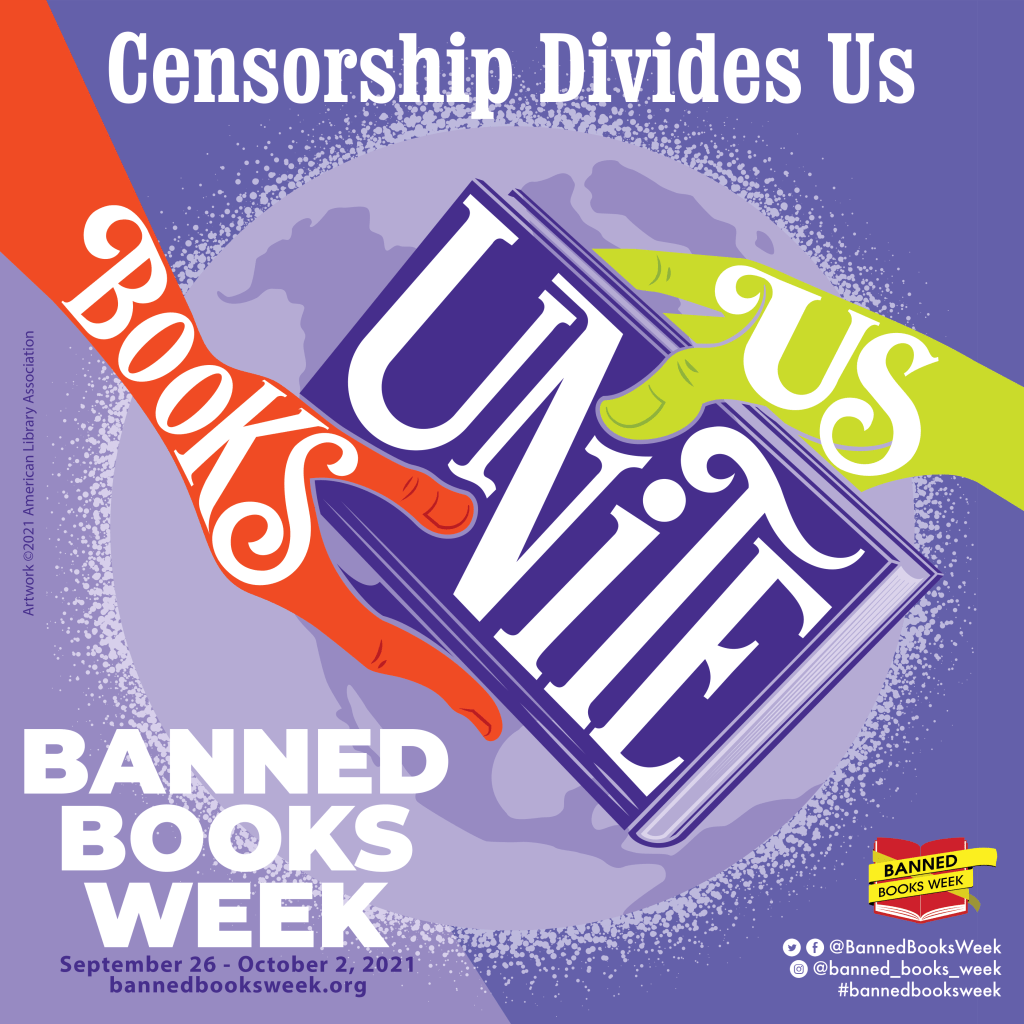
All students, grades 8 to 12, boys and girls, are invited to join the LTSS Book Club at the very first meeting, September 29th at lunch in the Library.
People need to read books for book banning to even be a thing. This idea has been expressed in many different ways.
So Read. Keep reading. Read some more. Read what you want to read. Read what you decide to read.
Read for information. Read to learn. Read for fun. Read to escape. Read for entertainment. Read to experience the world from the point of view of different people. Read to cry. Read to be scared. Read to laugh.
Read to understand. Read to learn new things. Read to learn more about things you already know.
Read to learn the point of view of people that you might disagree with, even when you are certain that you will disagree with them. Read to consider new information, new evidence, new perspectives. Read critically, even skeptically, but read with an openness to change your mind when faced with rational and logical reasons to do so.
Read for whatever reason you decide. Stand up for your freedom to decide for yourself what you want to read.
That doesn’t mean you should read anything and everything. People that care about you might know why reading some things, at certain times, might not be so good for you. You might decide not read some books because of your age, maturity, or history. Some books might not be right for you because of your current mental or emotional health. Perhaps some material has nothing to offer you of any value. But that is for you to decide in cooperation with the people that you trust. That is not for other people, other groups, organizations or governments to decide for you.
People try to ban books because they don’t want you to read those books. If you don’t read books to begin with, you are doing their work for them.

It can be tempting to think of the banning of books as something that happened in the past, only by extremely conservative types, or in authoritarian regimes. Sadly, book banning is alive and well here and now. Sure, it is not shocking that anti-democratic governments in places like China, Russia, Iran, Hungary or Venezuela strictly control the flow of information and literature. Yet in our society, where we make claims on being champions of democracy and freedom, book banning is on the rise.


Kara Yorio writes in School Library Journal: “It has been a busy Banned Books Week, as the stepped-up challenges to books and their authors continue, with books by kid lit creators Jerry Craft and Kelly Yang added to the list of titles some parents claim are objectionable.” Read the rest of this article.

Meanwhile “Ruby Bridges Goes to School” has been targeted by book banners as well. Author Ruby Bridges recounts the true story of her experiences as a 6 year old girl who became the first black student to attend a formerly whites only public school. An organized group of parents wanted their local school board to ban this book, “for supposedly “explicit and implicit anti-American, anti-white” bias (source).” Read more in this Miami Herald article.
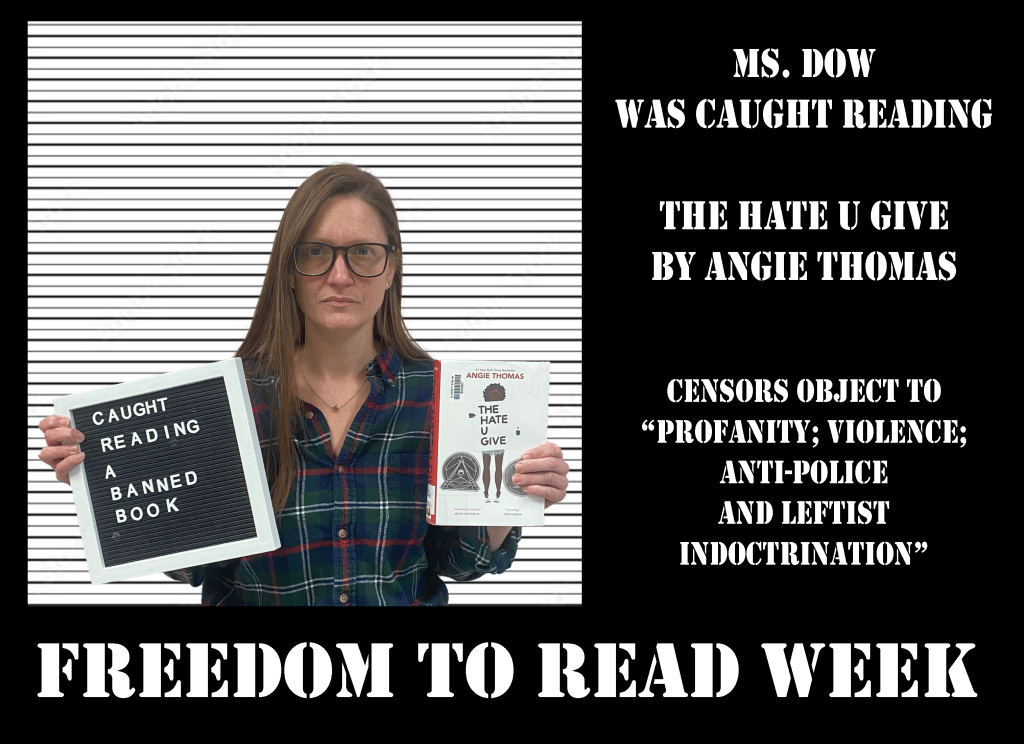
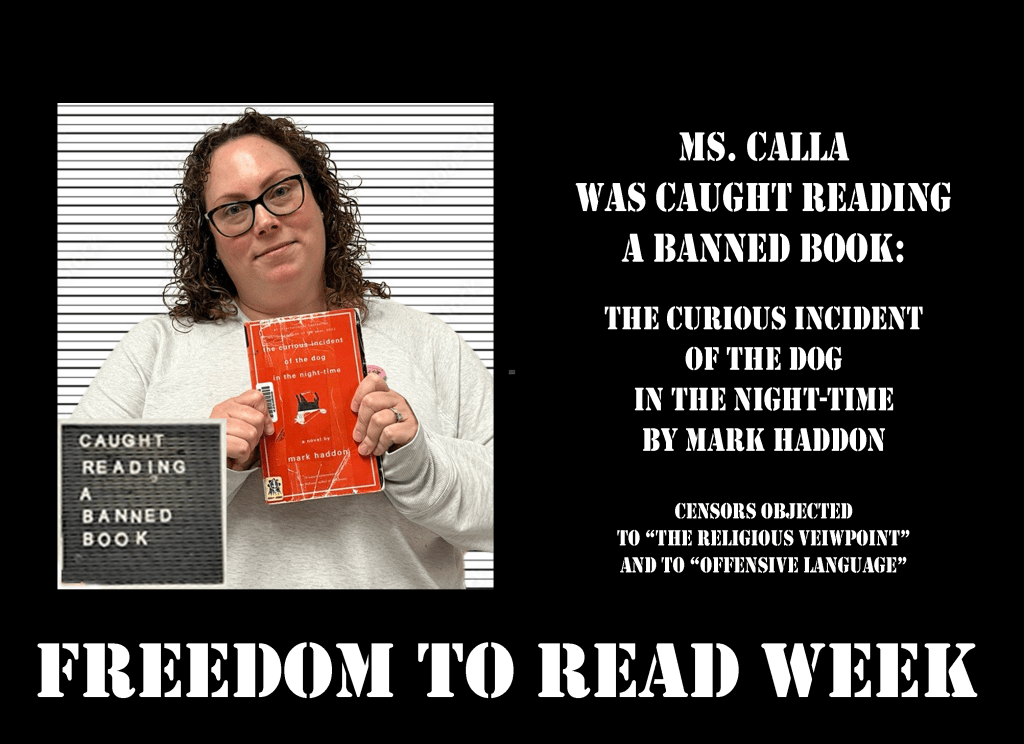
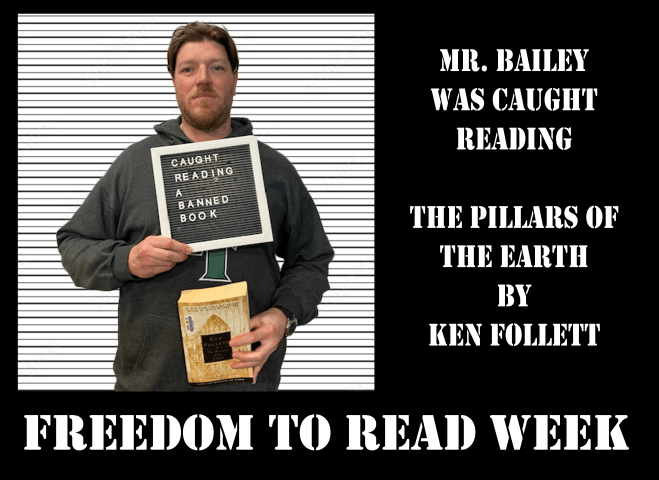
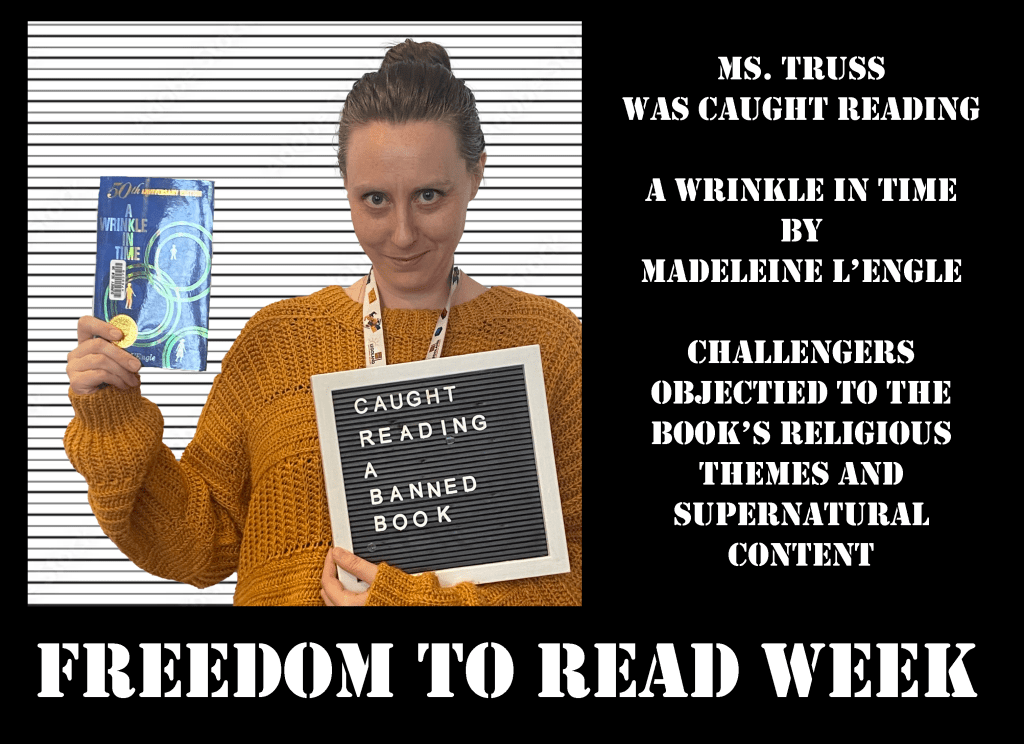
Here are four of the most challenged books from the last year, all available in our school library:


Read the rest of the “The Top 10 Challenged Books of 2020” from the American Library Association.
There are many good resources available to help students learn more about how to find reliable sources of information. One of those is the BBC’s “Real News” which has materials that “aim to help secondary school students (11 to 18-year-olds) examine critically information they receive online through websites, social media, pictures and data and to develop skills and methods to help determine what is real.”
Our students will leave our school and soon become the adults who will hold the future of democracy in their hands. We must educate and equip our students to recognize the rights and responsibilities of democratic citizenship. We must help them see the precious nature of the democratic traditions that have been handed to them by previous generations. We must help them see the fragile nature of those institutions and the peril that is represented by those forces that are at work to undermine democracy.
Most pressingly, we must help our students to recognize the rise of fascism, both in the world and in our own backyard. We must equip our students to denounce fascist ideology and to defeat fascist attempts to destroy our democracy.
The politics of fear, division, and hate will fight for the souls of our students. We must counter those dark forces with hope, unity and love. Forces are at work undermining the foundations of democracy, including the rule of law, freedom of the press, public education, respect for science and reason, confidence in free and fair elections, and peaceful transitions of power. We must build up faith in those ideals in our kids, and equip them to demand them as their rightful expectation for a civil society.
Polarizing forces are at work which divide us, resulting in extreme “othering” to the point of dehumanization. We must find ways to help the next generation to reconcile that which divides us, or at least to find respectful and peaceful ways to engage with those divisions. Somehow we must find common ground with our beliefs about truth. We must find some way to agree on “the facts” even if we don’t agree on what do with those facts.
Please check out our display of items related to the struggle between democracy and fascism.


In keeping with the continuing celebration of all things library during International School Library Month and Canadian Library Month, here are some links to some interesting library themed content. Enjoy!

October is International School Library Month
and Canadian Library Month.
Why read for pleasure?
Reason #1: Pleasure

There are countless reasons why people read. And there are countless ways that reading for pleasure can bring you pleasure.
People read to be entertained.
People read to escape.
People read to be pulled into a story.
People read to laugh.
People read to cry.
People read to be scared.
People read to be amazed.
People read to experience other times.
People read to experience other places.
People read to share in the experiences of other people.
People read to learn something.
People read to relax.
People read to get motivated.
People read to be inspired.
People read to be thrilled.
People read to understand.
People read to be challenged.
People read to be reassured.
People read to see something new.
People read to see something familiar.
People read for so many reasons.
People read and they don’t know why, they just like it.
Visit your school library to find a book to read for pleasure– that is the #1 reason we are here!
October is International School Library Month
and Canadian Library Month.