Santa is Real!


December 6 is St. Nicholas Day, celebrated in Europe, and many places around the world by people of European heritage, including some Canadians. For many, the tradition of gift giving that is usually associated with Christmas Day, or perhaps Christmas Eve, in North America, is instead part of St. Nicholas Day.

In many places children go to bed with the expectation that they will wake up to gifts from St. Nicholas, perhaps even money or treats placed in their shoes, left out for him the night before.
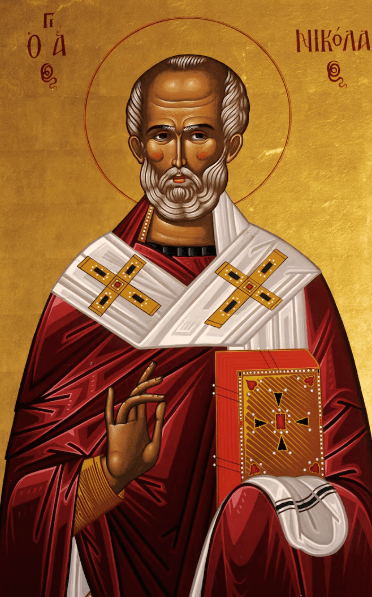
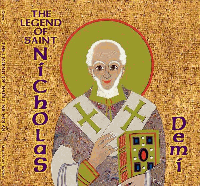
Nicholas lived in the 3rd and 4th Centuries CE (AD). He lived in what is now known as Turkey, but what was then a Greek area of the Roman Empire. What is factual about his life, and what is is myth, isn’t certain. Nicholas was associated with generosity and charity, especially for the poor and for children.


source: wikimedia commons

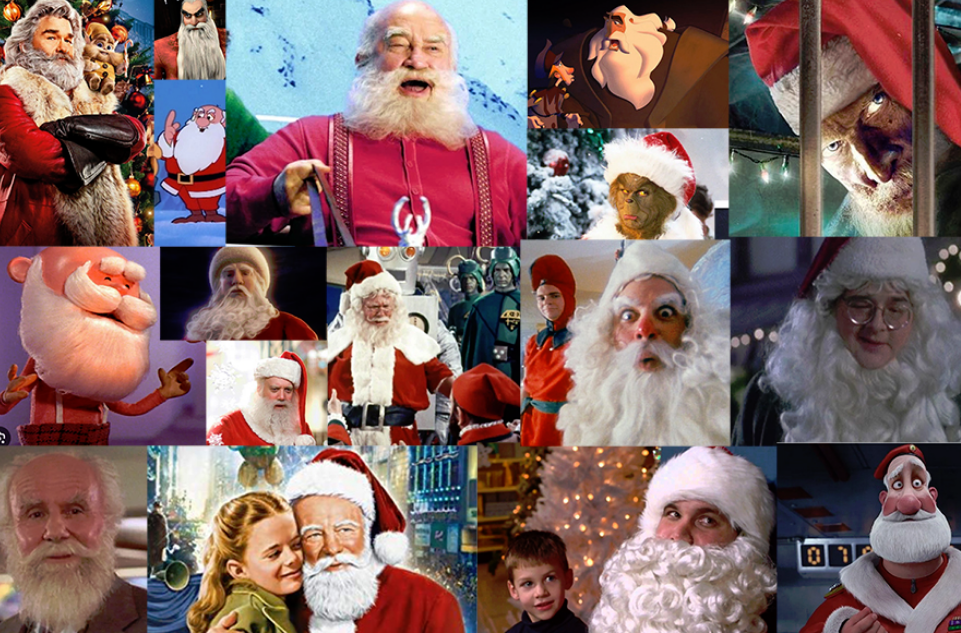
Nicholas became a Bishop in the early Christian Church. He was persecuted and imprisoned by the Roman Emperor, and after he died was eventually identified as a Saint. In the years since his legend has grown, and morphed into various forms. In modern times the figure of St. Nicholas has grown to be known by various guises and names, including Sinterklaas, Kris Kringle, Father Christmas, Pere Noel, and Santa Claus.
Find out more:

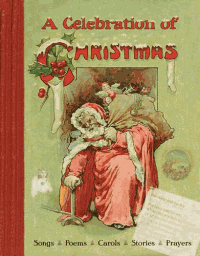
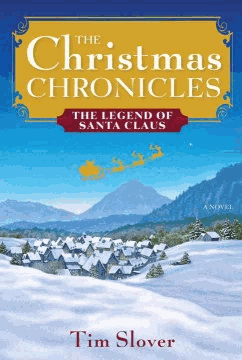
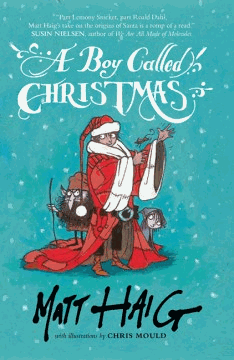
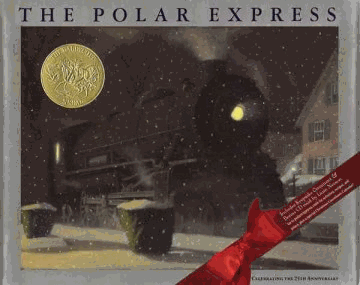
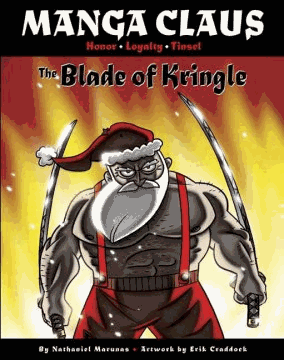
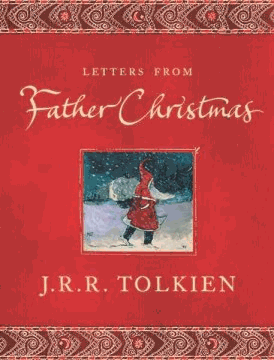
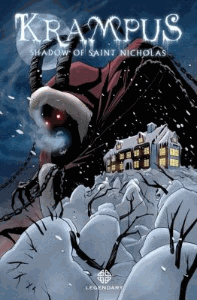
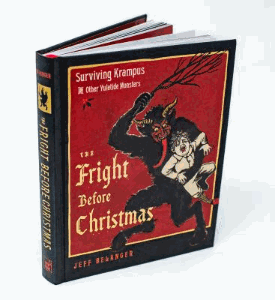
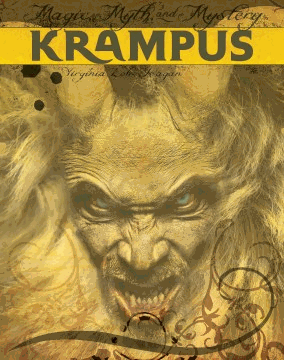
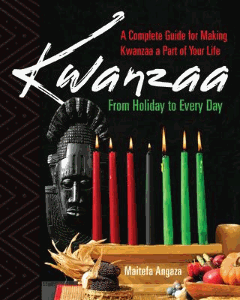
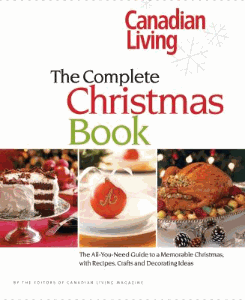
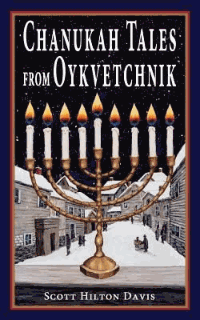
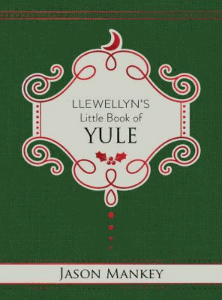
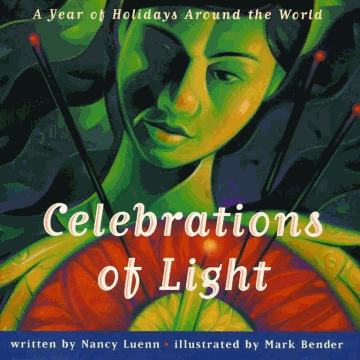
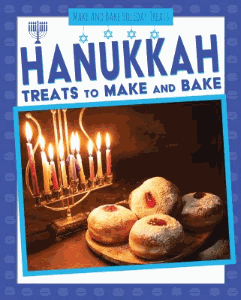
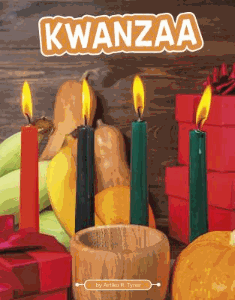
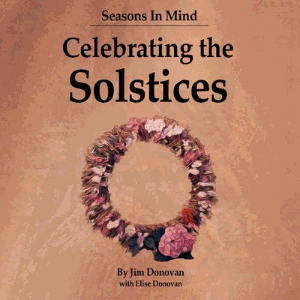
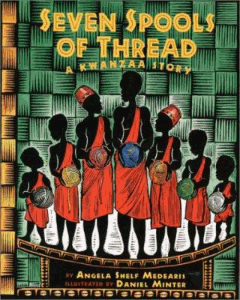
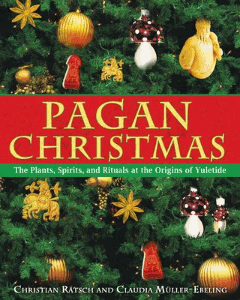
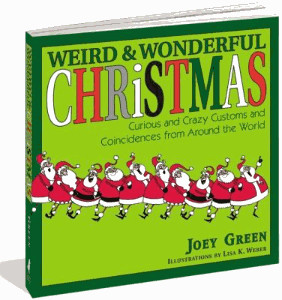
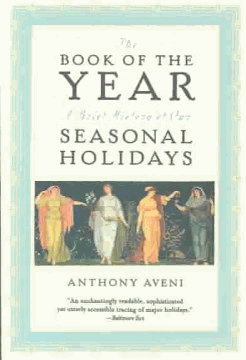
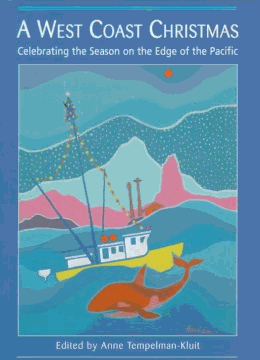
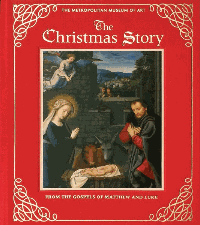
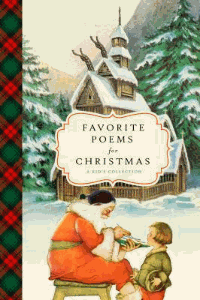
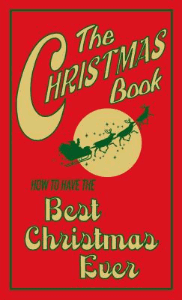
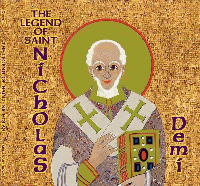
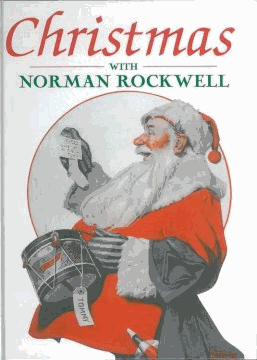
Check out these books in your school library, including both fiction and non-fiction:

Krampusnacht


Krampus is coming to give you what you deserve, bad little boys and girls!

Many people all across Europe celebrate St. Nicholas Day on December 6 each year, as do some people in Canada who have roots in Europe. St. Nicholas comes during the night and leaves presents for good girls and boys. (Look for tomorrow’s post more more information on St. Nicholas.)

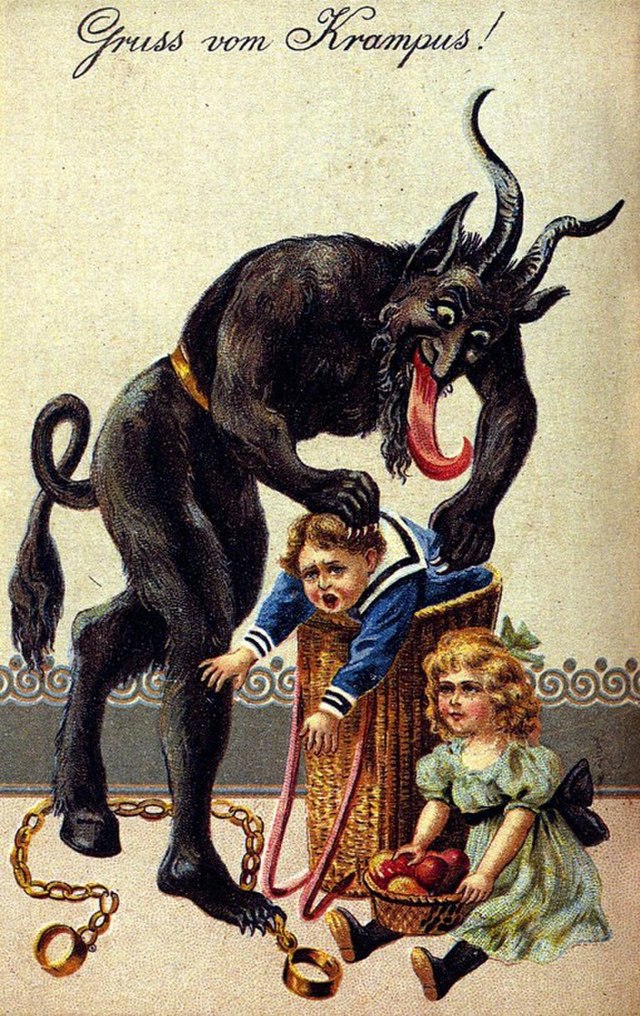
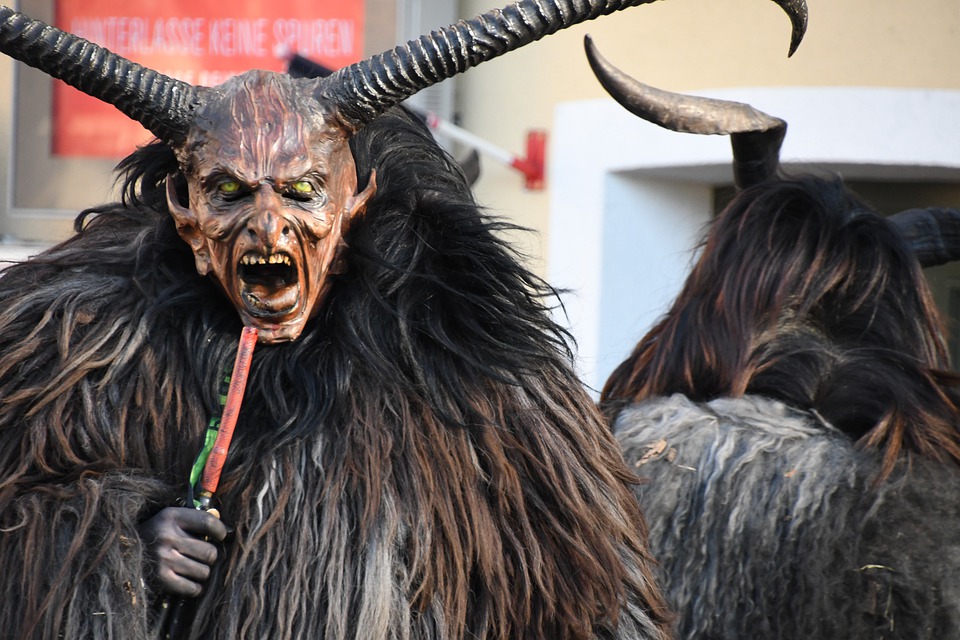
In some places, tradition holds that St. Nicholas had a helper– or at least a counterpart, who visited the bad children. Krampus.

In Germany, Austria and other Alpine countries, Krampus became a part of the St. Nicholas story. Half goat, half demon, Krampus is a nightmarish figure who comes for those overlooked by St. Nicholas, who has gifts for the good (or in some cases, the intelligent!) At best Krampus might deliver coal or twigs. But children fear far worse, that Krampus will punish them, torture them, even kidnap them and carry them away to his lair– or to Hell!

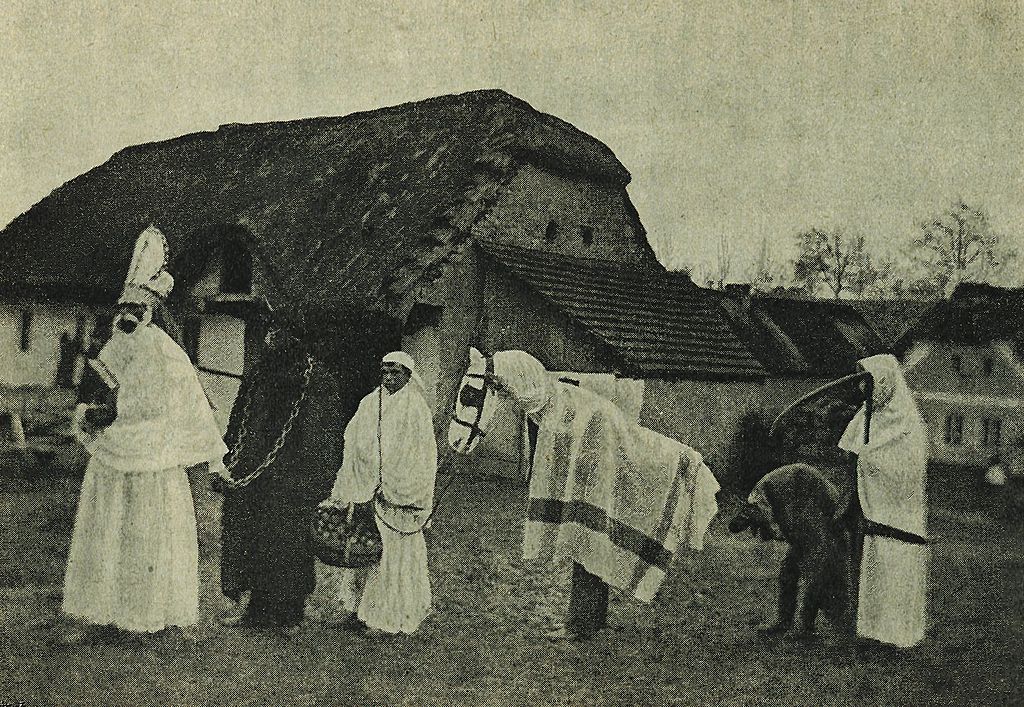
Krampusnacht is is observed in many places on December 5, with parades and other celebrations, including the Krampuslauf, or Krampus Run, in which young people dress up like Krampus.

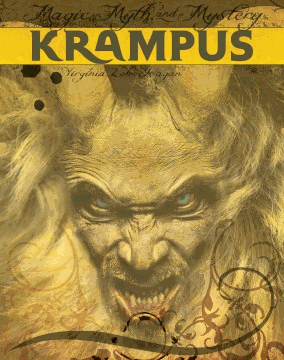
Find out more:

The Holiday Season

Here are just some of the observances, festivals, celebrations and special days that take place in the coming month or so of holidays and holy days, known to many as “The Holiday Season.”

  • December 1: Advent
  • December 3: Giving Tuesday
  • December 5: Krampusnacht
  • December 6: St. Nicholas Day
  • December 8: Bodhi Day / Rohatsu
  • December 8: Feast of the Immaculate Conception
  • December 8: Advent (second Sunday)
  • December 10: International Human Rights Day
  • December 11: Gita Jayanti
  • December 12: Feast of Masa’il
  • December 15: Advent (third Sunday)
  • December 16: Simbang Gabi / Los Posadas
  • December 21: Winter Solstice / Yule / Grianstad an Gheimhridh
  • December 22: Advent (fourth Sunday)
  • December 23: Festivus
  • December 24: Christmas Eve
  • December 25: Christmas Day
  • December 25 (evening): Hanukkah begins
  • December 26: St. Stephen’s Day
  • December 26: Kwanzaa begins
  • December 31: New Year’s Eve
  • December 31: Hogmanay
  • January 1: New Year’s Day
  • January 1: Kwanzaa concludes
  • January 2: Hanukkah concludes
  • January 7: Orthodox Christmas
  • January 13: Maghi
  • January 17: Guru Gobind Singh Jayanti

Holidays & Holy Days

December is a month of Holidays and Holy Days. In the northern hemisphere nights are longer, the darkness deepens, and the weather is colder. Many cultural and religious traditions developed around the winter solstice and the end of the agricultural year, with hope for light and warmth and new life to emerge in the coming months. Come down to your school library in person, or visit us online, to find out more about the many different festivals, celebrations and observances that take place at this time of year.

Advent

Advent Wreath and Candles.  source: Clemens PFEIFFER, Vienna (CC / wikimedia)

The Holiday Season in the western world has traditionally been synonymous with Advent, literally the period of expectation of an important arrival. For Christians the season of Advent is about the anticipation of Christmas, the celebration of the birth of Christ. In the Christian Church, on each of the four Sundays leading up to Christmas, candles are lit as symbols of Advent.

In 2024 the four Sundays of Advent are December 1, December 8, December 15 and December 22.