National Day for Truth & Reconciliation

The School Library, and Lord Tweedsmuir Secondary School, are closed on Tuesday, September 30, in observance of Canada’s National Day for Truth and Reconciliation. “The day honours the children who never returned home and Survivors of residential schools, as well as their families and communities. Public commemoration of the tragic and painful history and ongoing impacts of residential schools is a vital component of the reconciliation process.” (canada.ca). As always, we urge you to consider how “Truth & Reconciliation” can be pursued throughout the year beyond September 30.

Find out more:

Orange Shirt Day

Wear an orange shirt to school on Friday, September 26

September 30th is Truth and Reconciliation Day in Canada. Our school will be closed that day as the nation takes time to face the truth of our history and considers a path forward of reconciliation. As a school community, we continue to learn more about Truth and Reconciliation. At Lord Tweedsmuir Secondary, we encourage all students and staff to wear an orange shirt in school on Friday, September 26, as well as on September 30th.

source: Province of British Columbia


The National Day for Truth and Reconciliation was established as the Canadian government’s formal recognition of the importance of Orange Shirt Day, observed on September 30 over most of the last decade, as part of the overall effort of raising awareness and provoking discussion about the impact of Residential Schools in Canada, and finding the path toward reconciliation.

Shanah Tovah!


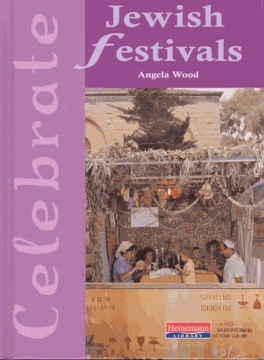
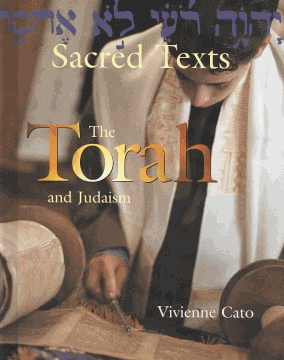
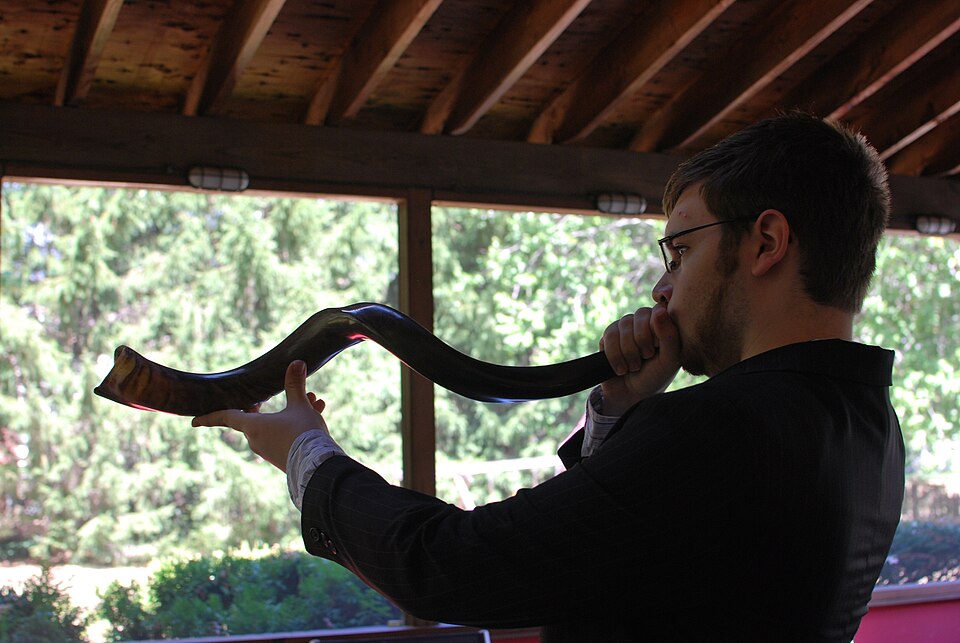
Rosh Hashanah is the Jewish New Year feast and celebration. It is the first of the “High Holy Days” of Judaism, and is followed closely by Yom Kippur.

source: CC BY 2.0 via Wikimedia Commons

The Jewish Calendar is a lunar calendar, therefor the dates of Rosh Hashanah and other Jewish holidays will vary according to the Gregorian Calendar (the standard calendar used in most of the world for politics, business and daily life.)  In 2025 Rosh Hashanah begins at Sundown on September 22 and ends at nightfall of September 24. According to the Jewish calendar, the year is 5786.

Shanah Tovah!


Find out more:

Rosh Hashanah 101

Chabad.org

History.com


International Day of Peace

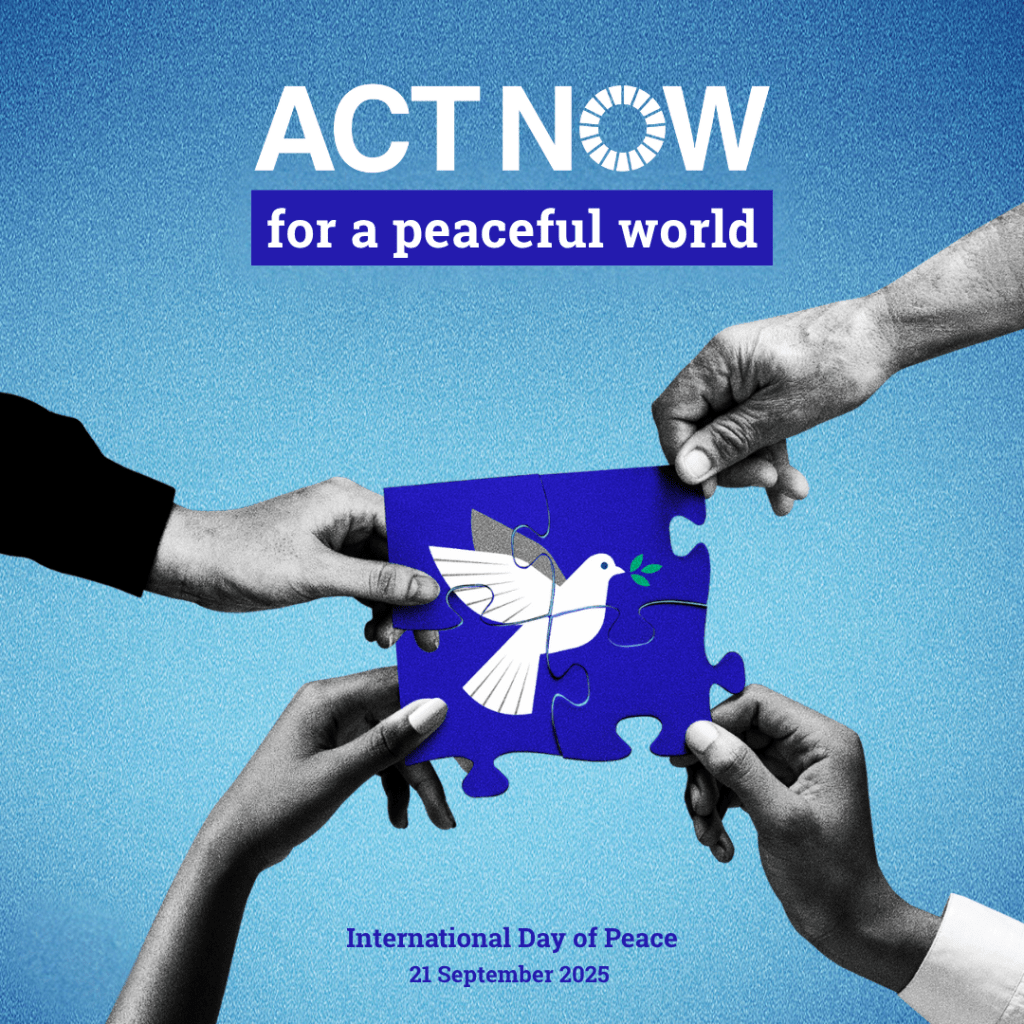
Peace Day is observed every September 21. The International Day of Peace is a celebration of those who have worked for peace in our, and who continue to seek a peaceful future. However, the day is also a stark reminder of how far we have fallen short of the quest for lasting peace for humanity. Our world continues to be ravaged by war, including, in our current day, some of the most horrific acts of inhumanity imaginable. Learn more about the International Day of Peace and join in the movement.


Learn more:

UN.org/Peaceday

Actions for a Peaceful World

Hear Us

Act Now for a Peaceful World

InternationalDayofPeace.org

National Indigenous Peoples Day


From the Government of Canada:

“June 21 is National Indigenous Peoples Day. This is a day for all Canadians to recognize and celebrate the unique heritage, diverse cultures and outstanding contributions of First Nations, Inuit and Métis peoples. The Canadian Constitution recognizes these three groups as Aboriginal peoples, also known as Indigenous peoples.

Although these groups share many similarities, they each have their own distinct heritage, language, cultural practices and spiritual beliefs.

In cooperation with Indigenous organizations, the Government of Canada chose June 21, the summer solstice, for National Aboriginal Day, now known as National Indigenous Peoples Day. For generations, many Indigenous peoples and communities have celebrated their culture and heritage on or near this day due to the significance of the summer solstice as the longest day of the year.”

Find out more:

 Crown-Indigenous Relations and Northern Affairs Canada

Indigenous Peoples and Communities

Indigenous arts, culture and heritage

Juneteenth

Also known by such names as Freedom Day and Jubilee Day, Juneteenth is a celebration of the end of slavery after the end of the American Civil War.

source: amny.com

Juneteenth has grown to be a day that is observed in the US and around the world, as it symbolizes not only the fight against the evil that is slavery, but also the fight against racism in all its forms. Slavery finally came to end in the US in 1865, but racism lies at the heart of so many of the evils that still haunt the United States, Canada, and indeed, humanity. Current issues such as Black Lives Matter, Critical Race Theory, and DEI, are all just part of the ongoing and centuries old struggle against racism.

Find out more about Juneteenth:

source: mosaictemplars.com

Beltane


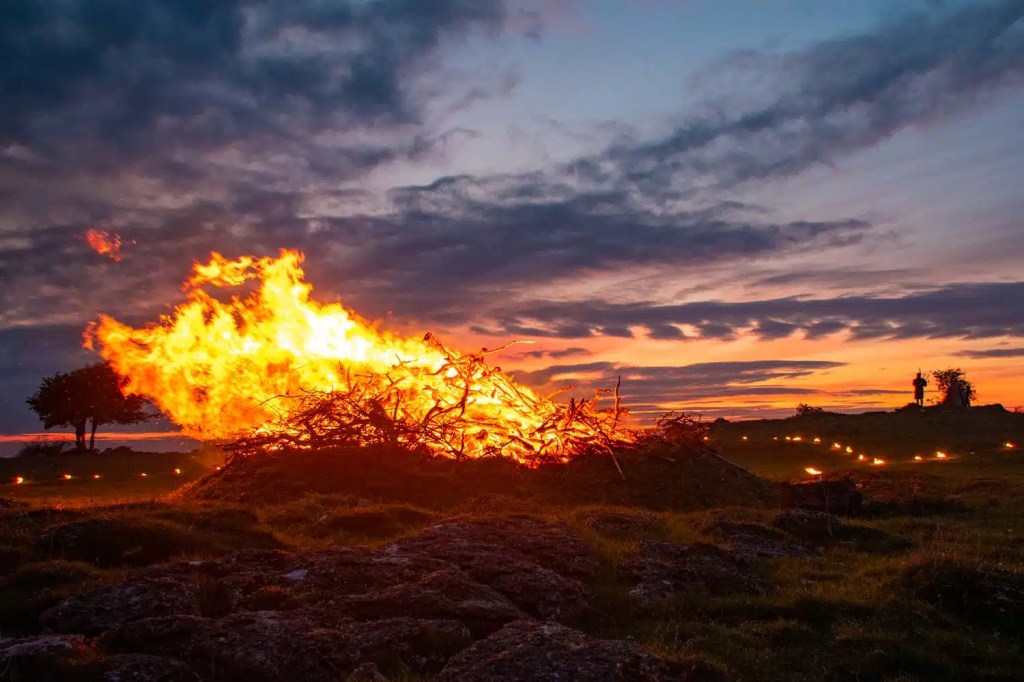
Beltane is the ancient Celtic festival marking the beginning of summer. Bealtaine, (or various other spellings) is old Irish for “bright fire” or “mouth of fire.” On Beltane great bonfires may be lit, so it also known as the Fire Festival. Beltane takes place on May 1st, although celebrations may take place in the days leading up to and following that. Beltane is celebrated in Ireland, Scotland and in other places where people have tried to revive Celtic festivals and observances. Remnants of Beltane traditions can be seen in many May Day festivals, including parts of Canada, such as Newfoundland.

source: uisneach.ie

Find out more:

RTE (Irish Radio & Television)

Uisneach

Newgrange: Beltane

Irish Culture and Customs

The Irish Independent

Your Irish Culture: Bealtaine


Jackie Robinson Day

jro

On April 15, 1947, Jackie Robinson played his first game for the Brooklyn Dodgers. In doing so, he became the first African-American to play in the major leagues of baseball, breaking the racist colour barriers that shamefully tarnish the history of the great game of baseball.

Jackie Robinson was a wonderfully talented player who earned the praise of fans for his play on the field. He also earned praise for his courage and determination in the face of a racist society that continued to resist the equal participation of non-whites in the game and in the everyday life of the nation. Robinson faced racial taunting and violence on the field, and untold indignities and threats away from the ballpark.

Thankfully his determination led the way for more black players to follow and helped our society move along the long slow path towards changing attitudes, promoting acceptance and tolerance, and the goal of eliminating racism.

Today in all MLB parks, players will wear #42 in honour of Jackie Robinson. However, the current political and social upheaval that is causing so much pain for so many has raised troubling questions as we attempt to honour #42. The actions of the current administration, particularly in its war on diversity, equity and inclusion, have even brought into question, for some, the viability of events like Jackie Robinson Day.

To celebrate the achievements Jackie Robinson, we also need to acknowledge the painful history of racism in America that kept men like Jackie out for so long. We need to acknowledge the racism of America that has continued to place barriers for the full participation of Black Americans in the “Great American Pastime.” Is Major League Baseball fully committed to honouring Jackie Robinson, not just with words but with action? Will Major League Baseball stand up those elements who want to whitewash history and pretend that racism isn’t an issue today?

Jackie Robinson was a great baseball player who was able to show the world how great he was only when baseball began to acknowledge that the racist policies of segregation were wrong. To do that people had to know their history, not just to celebrate the good, but to acknowledge what was bad, and then strive for better. That process didn’t start and end in 1947. We must continue with that process today.


Find out more:

JackieRobinson.org

Jackie Robinson Museum

MLB: Jackie Robinson Day

Jackie Robinson Day: MLB finds itself in crosshairs of DEI purges.


Celebrate Vaisakhi!

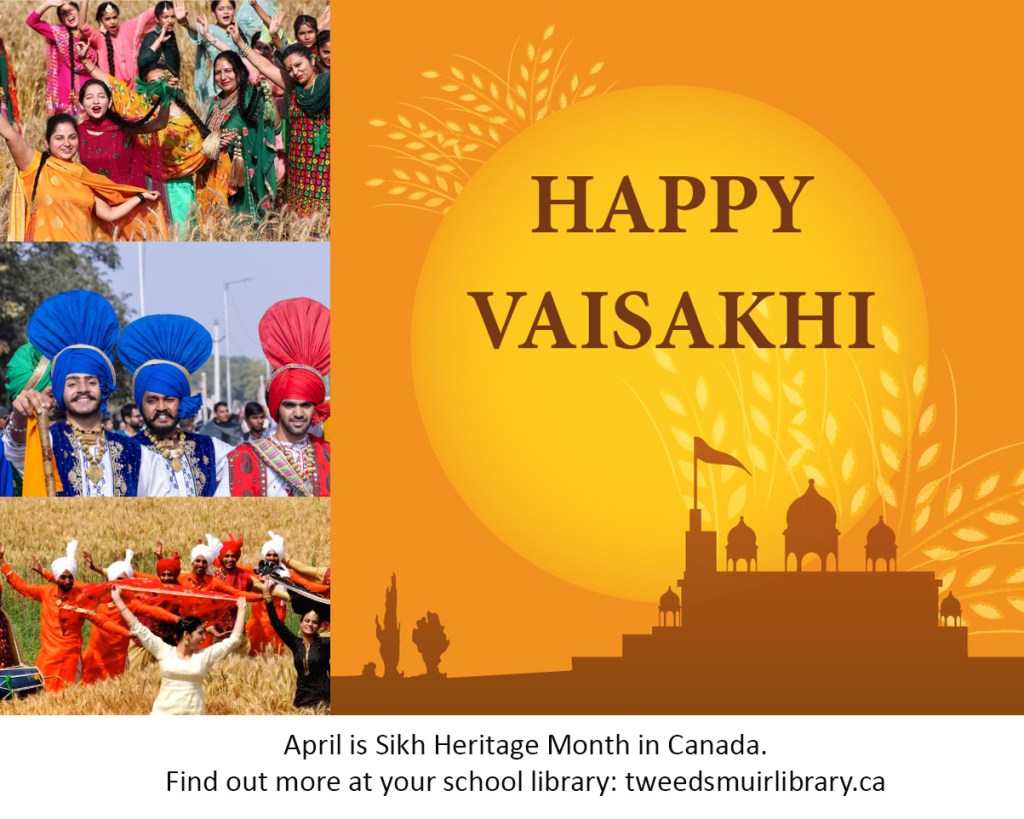
Tomorrow at our school we celebrate Vaisakhi. Be sure to join in on the festivities at lunch and throughout the day. The official date for Vaisakhi in 2025 is April 14.

Vaisakhi is a major festival on the Sikh calendar, and one of the most important days of the year. Sikhs in Canada, India, and around the world will celebrate the founding of the Khalsa, or the worldwide body of Sikhs, as established by Guru Gobind Singh in 1699. Sometimes Vaisakhi is referred to as Khalsa Day.

source: KaurArt.com, CC BY 2.0, via Wikimedia Commons

Vaisakhi, or Baisakhi, was traditionally a spring harvest festival, and for some, a New Year’s Day. All across northern India, particularly in the Punjab, many different groups will celebrate Vaisakhi for these various reasons, including Hindus and other non-Sikhs. Vaisakhi is traditionally observed on April 13 or 14, but may be celebrated on different days in different places. Vancouver will hold its Vaisakhi Parade on April 12, while Surrey will hold its parade, one of the largest in the world, on April 19.

The overwhelming majority of Indo-Canadians (people of South Asian origin) in our school and in our neighbourhoods are Sikhs. As such, Vaisakhi is a major holiday here in Surrey and other cities in British Columbia with concentrated populations of Sikhs, such as Vancouver and Abbotsford.

source: cbc.ca

Join with us in your School Library as we celebrate Sikh Heritage Month by learning more about Vaisakhi and other aspects of Sikh culture and history.


Find out more: