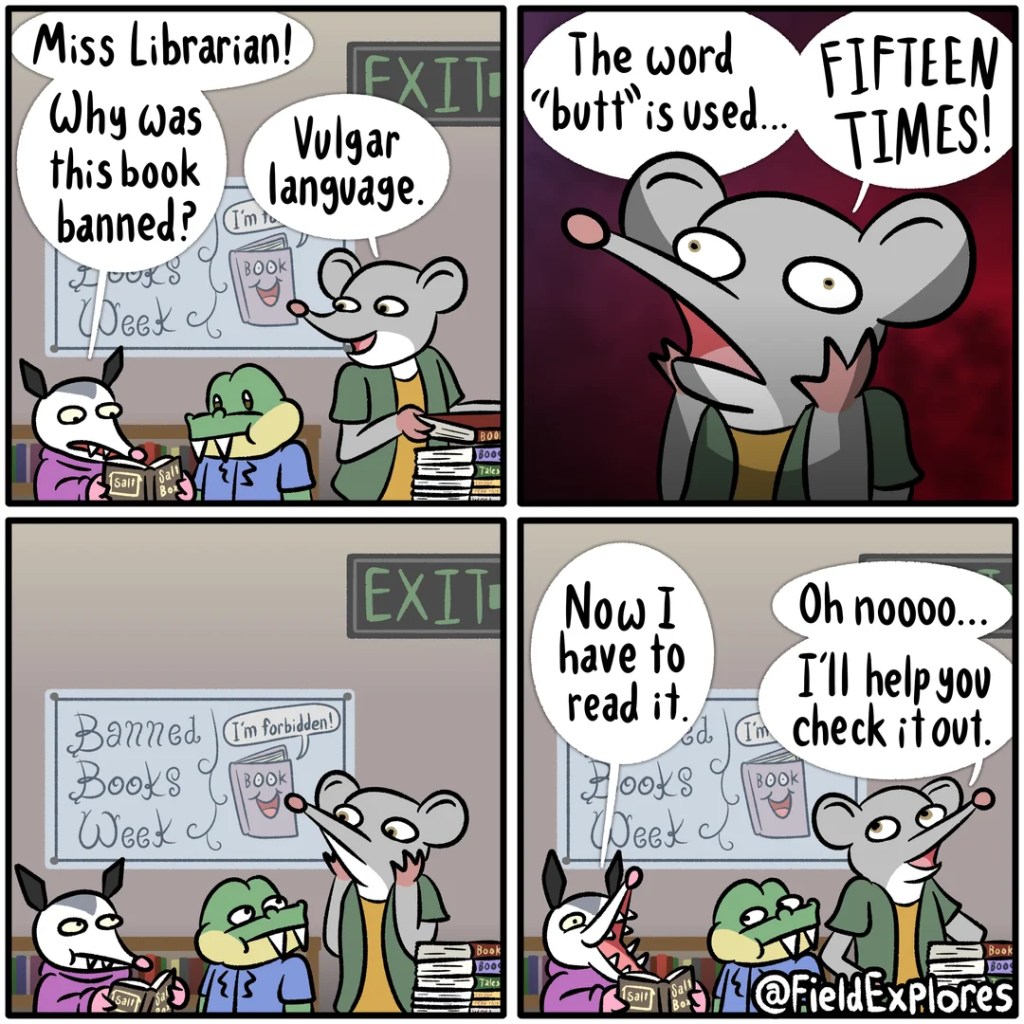
Read

The best way to celebrate Freedom to Read Week is to read.

Read freely.

Read regularly.

Read critically.

Read deeply.

Read thoughtfully.

Read widely.


There are people who want to take away your right to read what you choose to read. These people aren’t just in totalitarian states around the world. These people are in Canada, in your province and your city and your neighbourhood. They think that they know best about what you should read and what you shouldn’t read. The fight to protect your rights and freedoms is real.

However, all the fuss about rights, challenges, freedoms, censorship, book bans, literacy, etc — it means nothing if you don’t read. Freedom to Read Week is a waste of time if you don’t read. The forces working hard to take away your freedoms don’t need to bother if you don’t exercise your freedoms.


So read.

Read for fun.

Read to learn.

Read to escape.

Read to know things.

Read to be free.

Read what you choose to read.

Read.
Learn More: Freedom to Read

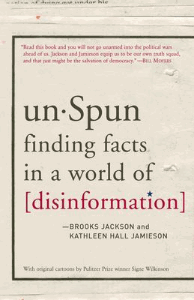
Freedom to Read Week reminds us that our rights and freedoms are both precious and fragile. We must understand them, defend them, and exercise them. To understand the freedom to read, we must explore many overlapping issues including literacy, intellectual freedom, democracy, libraries, the Charter of Rights and Freedoms, citizenship, freedom of expression, access to information, public education, academic freedom, and more.

It is also sadly necessary for us to recognize understand, and defend ourselves from the attacks on our rights and freedoms. These take many forms, including censorship, book bans, fake news, disinformation and misinformation, science denial,anti-intellectualism, the defunding and degrading of public education, and more. All of these contribute the rise of authoriatarianism, fascism and other anti-democratic movements.

We must also exercise our freedom to read. Democratic citizenship is built upon such fundamentals as an educated and informed electorate. Democracy requires knowledgeable citizens who think critically about the issues and act accordingly. Free people are free to explore wherever their curiosity takes them. However, what good is the freedom to do something if we don’t do it?

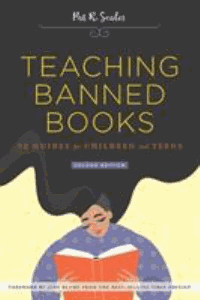
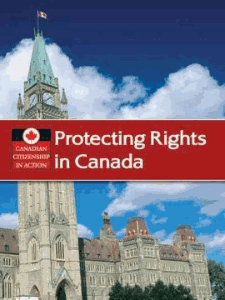
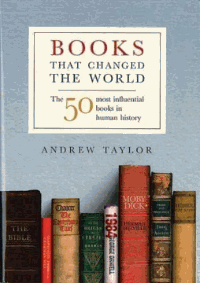
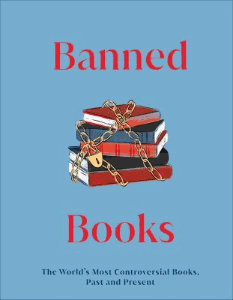
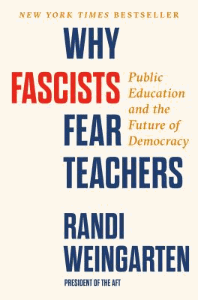
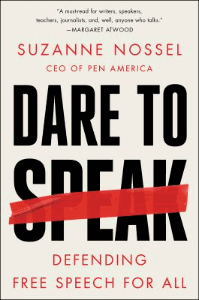
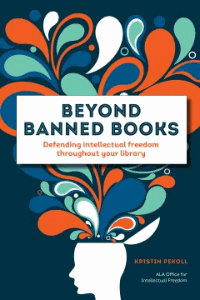
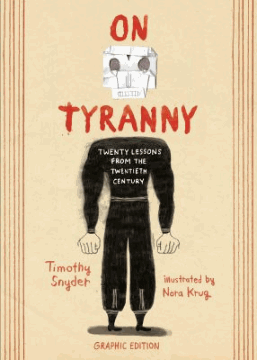
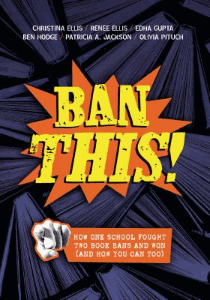
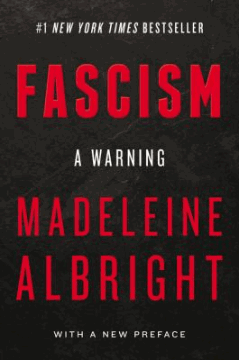
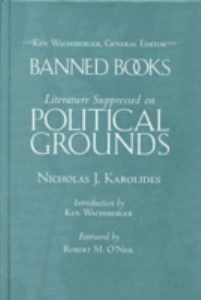
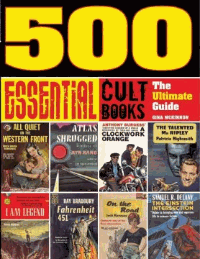
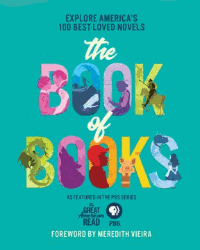
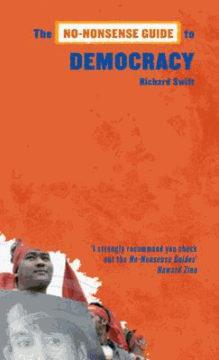
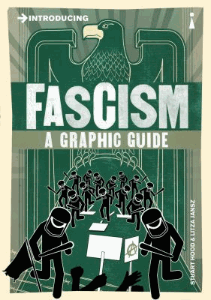
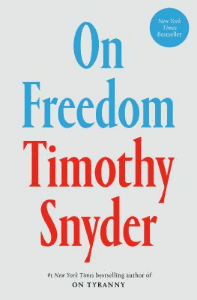
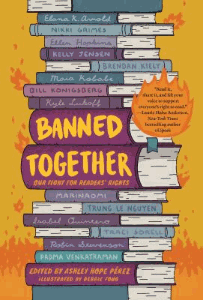
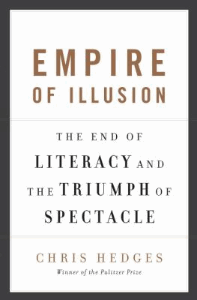
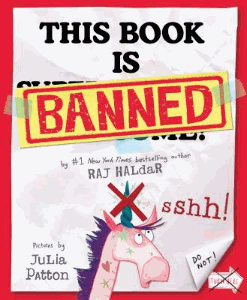
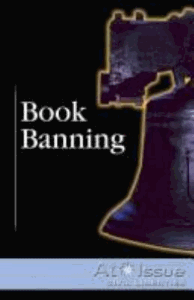
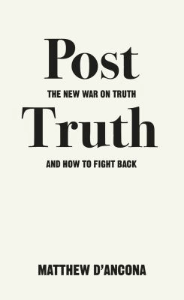
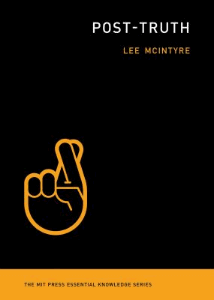
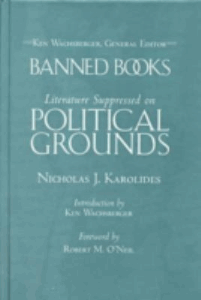
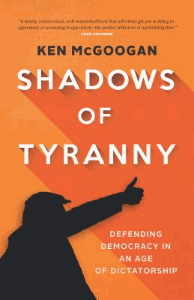
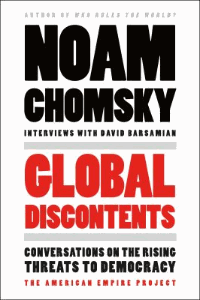
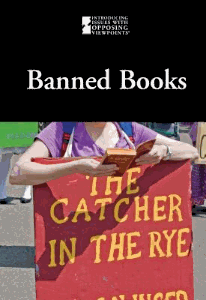
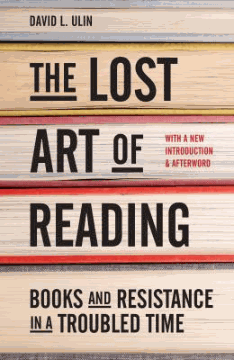
Here are some books to help you learn more about some of these issues.


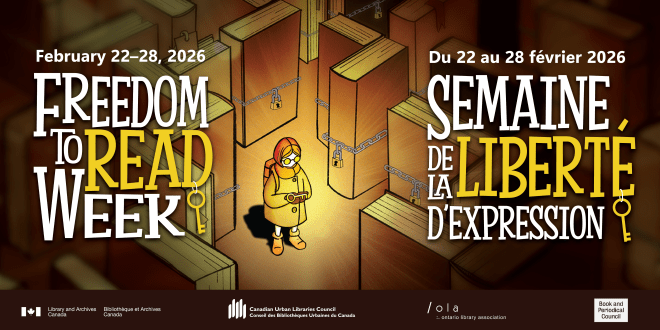
Freedom to Read Week in Canada is February 22 to 28, 2026

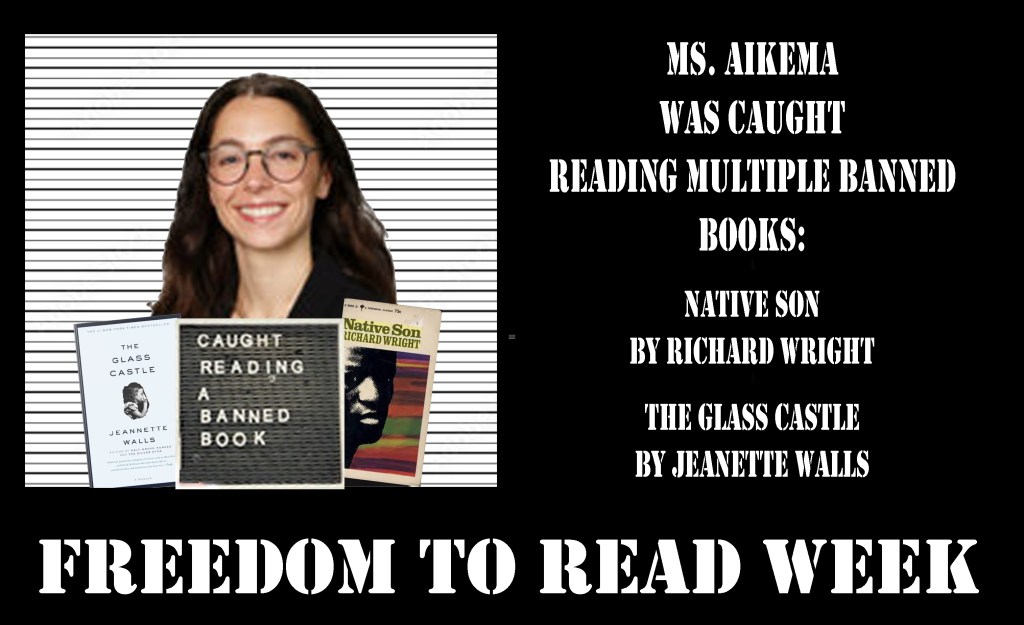
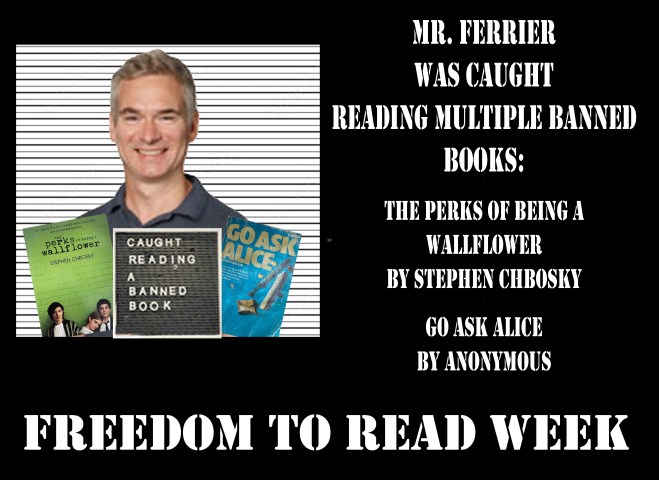
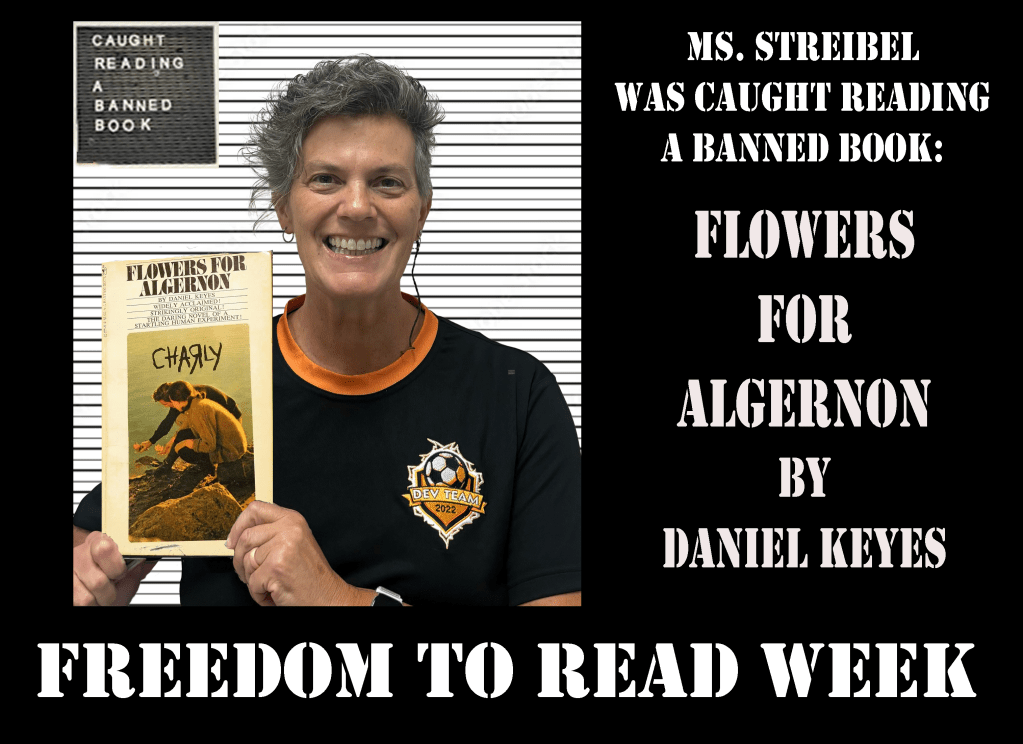
They Were Caught Reading Banned Books

These teachers were caught reading books that are on lists of titles that have been challenged by those who want to take books out of libraries, schools, and even bookstores. There are forces at work in Canada today who want to decide for you what you can read. These teachers are standing up for your right to decide for yourself.


Freedom to Read Week in Canada in 2026 is February 22-28. Come down to your School Library to find out more.

Freedom to Read Week

Be sure to visit your School Library as we focus on our “Freedom to Read.” One of the most important weeks of the year, Freedom to Read Week, takes place Feb 22-28.

Join with us as we use this week to

  • Learn more about our Rights and Freedoms, including our rights to information, inquiry, and expression.
  • Learn about the forces at work to erode and deny our rights and freedoms, including censorship and attempts to restrict or ban books and other media.
  • Celebrate the week by exercising our freedom to read the materials that we choose freely.

From freedomtoread.ca:

Freedom to Read Week is an annual event that encourages Canadians to think about and reaffirm their commitment to intellectual freedom.

Freedom to Read Week provides an opportunity for Canadians to focus on issues of intellectual freedom as they affect your community, your province or territory, our country, and countries around the world.

Library Hall of Fame

October is Canadian Library Month and International School Library Month. As we celebrate CLM and ISLM each year, we highlight notable librarians who have made significant contributions to libraries and librarianship. We also celebrate librarians who have raised the profile of libraries and librarianship with their fame in other fields. Here are the 2025 inductees into our Library Hall of Fame:

Shiela Egoff

(source)

Sheila Egoff (1918-2005) was one of Canada’s most outstanding librarians. Egoff worked in both public and academic libraries. Egoff was also a writer, a historian, a professor, a literary critic. Among her many accomplishments, Sheila Egoff was Canada’s first tenured Professor of Children’s Literature (at the University of British Columbia.) Egoff was named to the Order of Canada. The Sheila A. Egoff Children’s Literature Prize for excellence in children’s and young adult literature, has been awarded in her name since 1987.

Find out more:


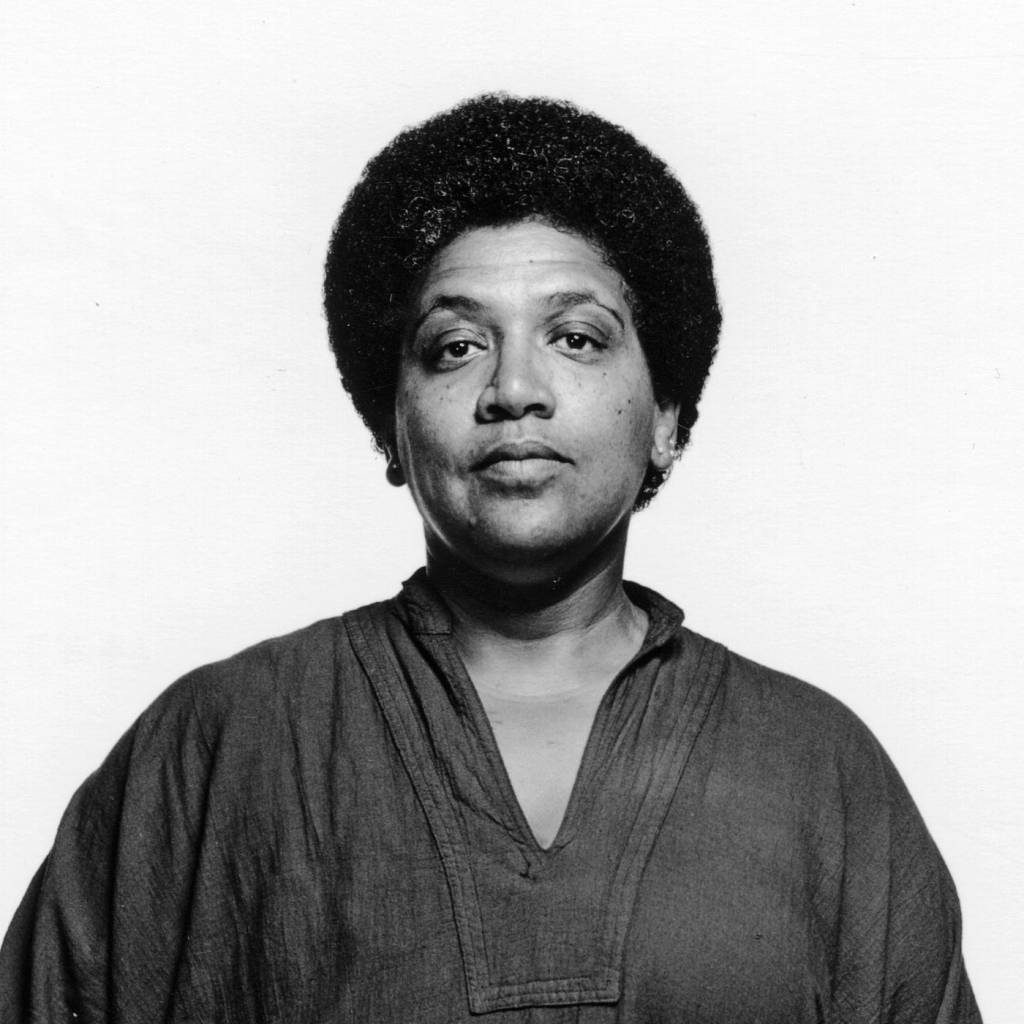
Audre Lorde

(source)

Audre Lorde (1934-1992) spent many of her early years as a teacher librarian in New York Public Schools, before garnering greater fame, and many honours, as a poet, academic, novelist, activist, philosopher, feminist, and more. Much of her work spoke to fight for the freedom and equality of the oppressed and marginalized, including the intersections of race, gender and sexual orientation.

Find out more:


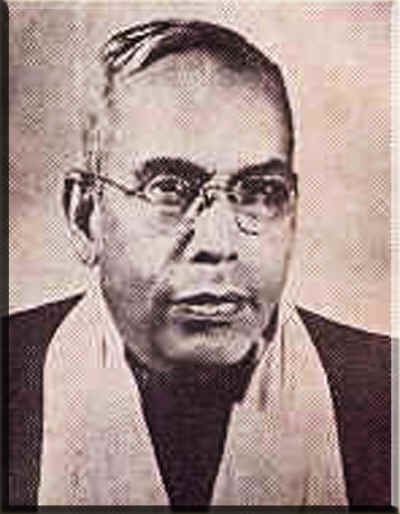
S.R. Ranganathan

(source)

S.R. Ranganathan (1892-1972) is known as the “Father of Library Science”in India. Best known for “The Five Laws of Library Science,” Ranganathan also developed the Colon Classification system. His work not only revolutionized the practices of libraries and librarians in India, but grew in influence throughout the world.

Find out more:


Previous Library Hall of Fame Inductees:

Brian Deer
Ed Greenwood
Zoia Horn
Gene Joseph
Nancy Pearl
Ken Roberts
Leslie Weir
Jessamyn West
Zenodotus


Drop Everything & Read on Monday

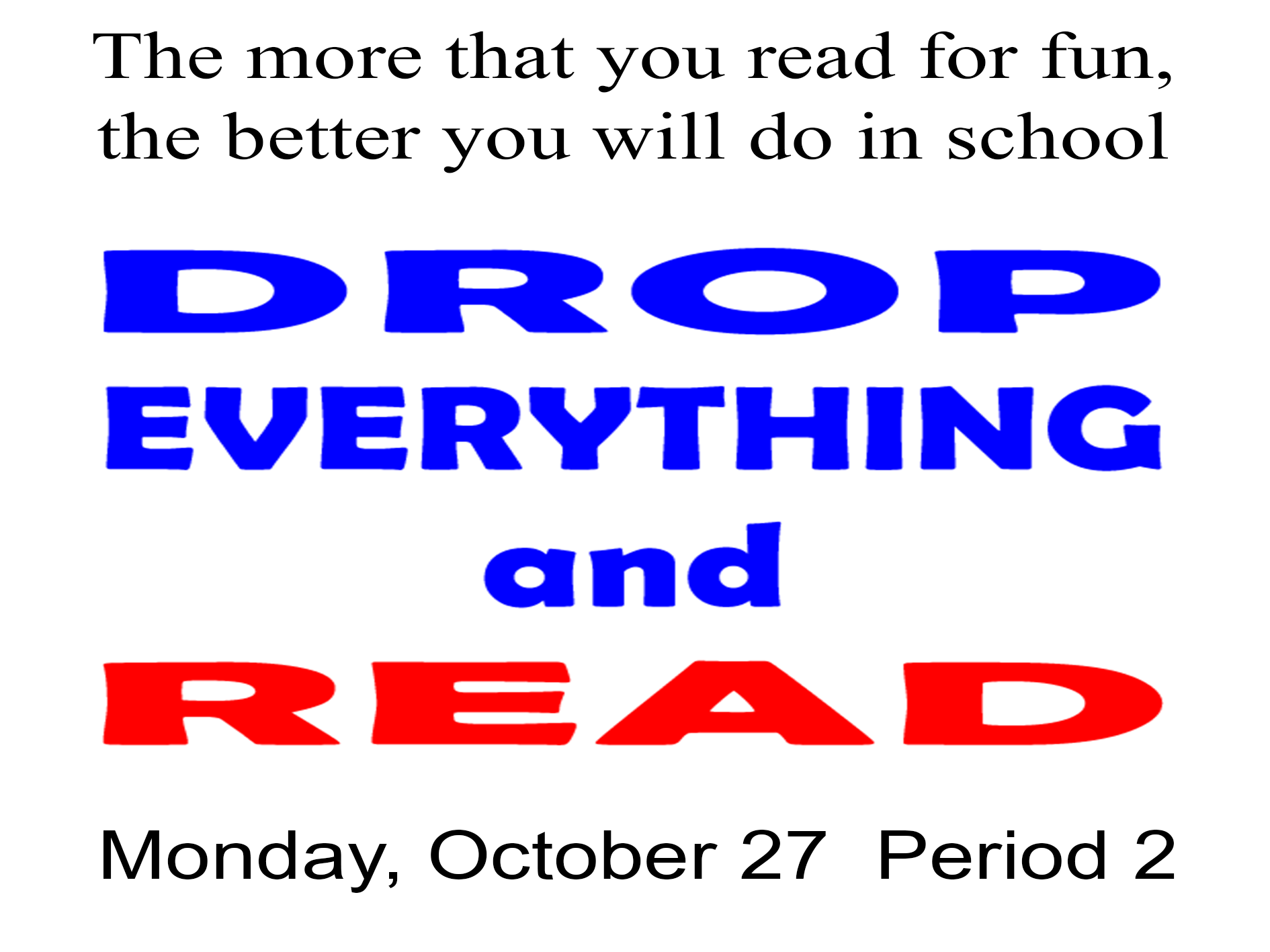
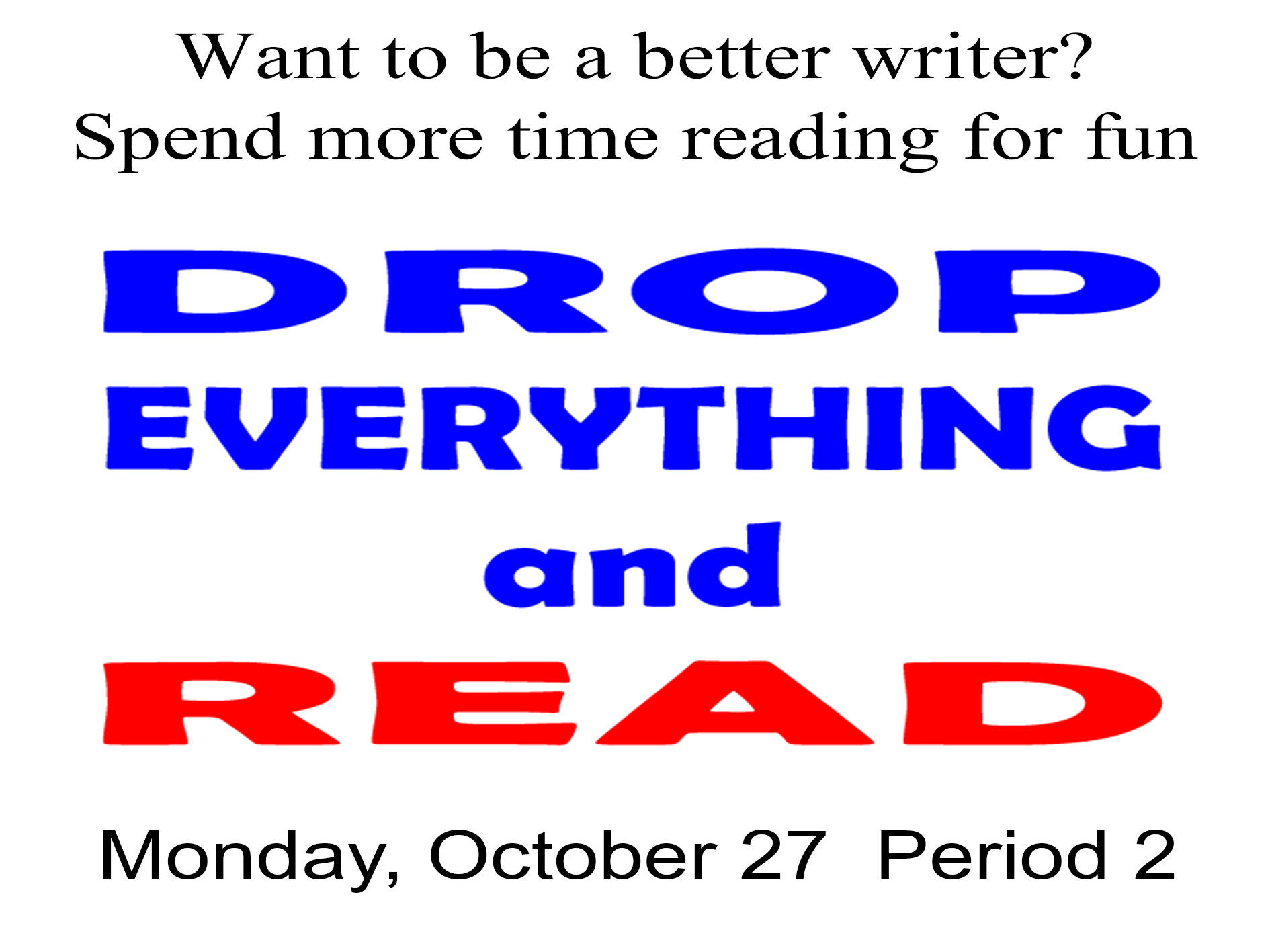
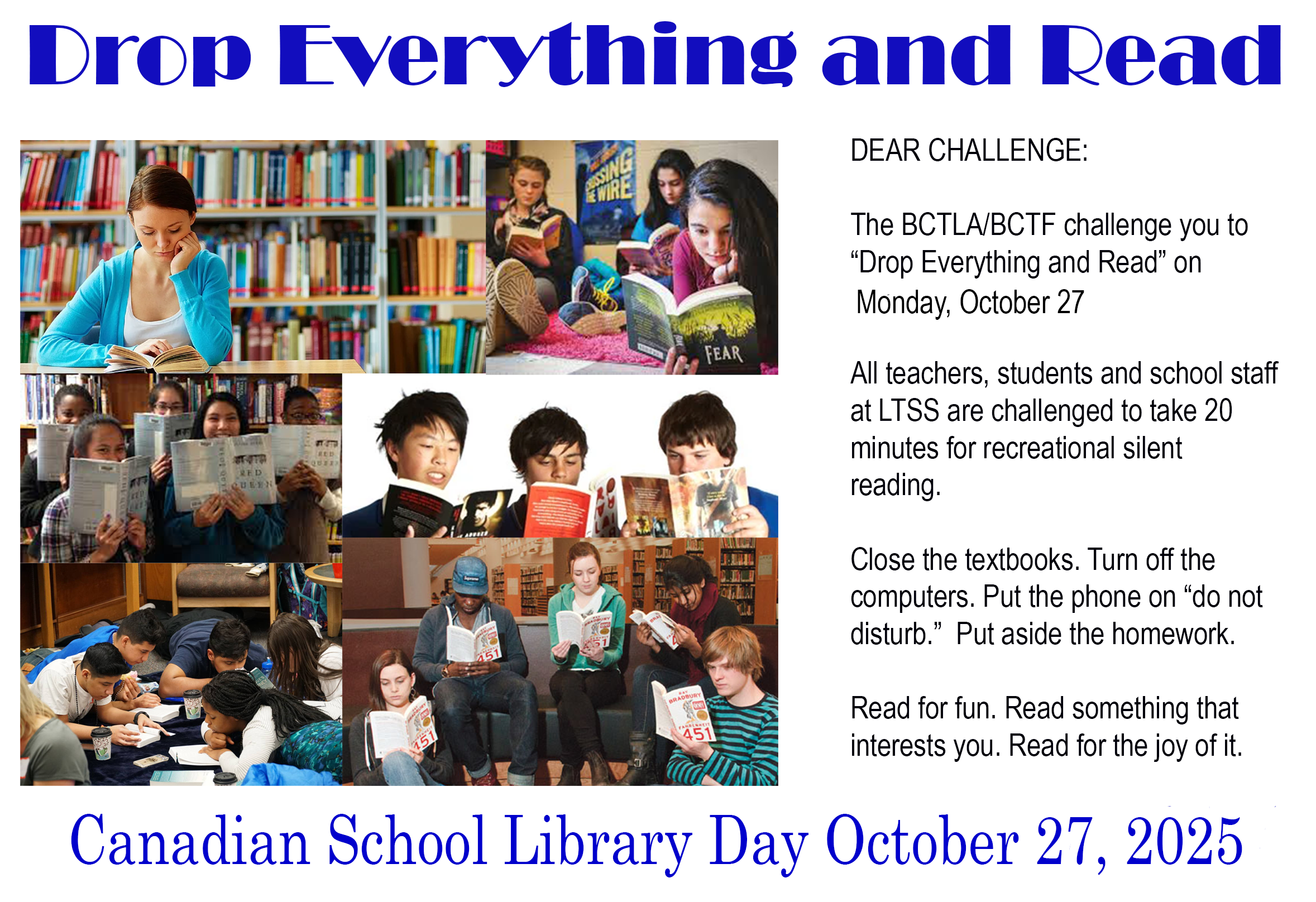
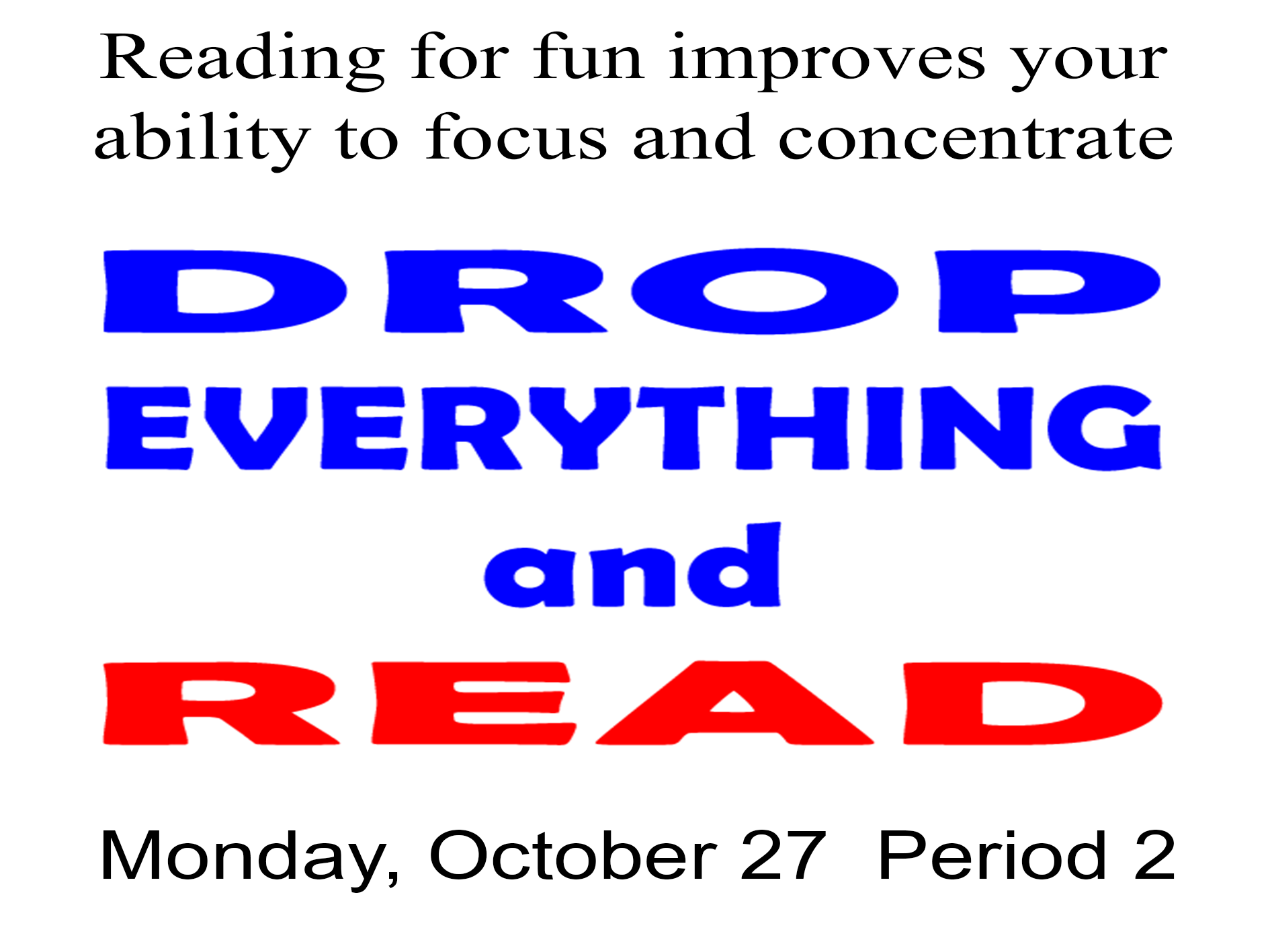
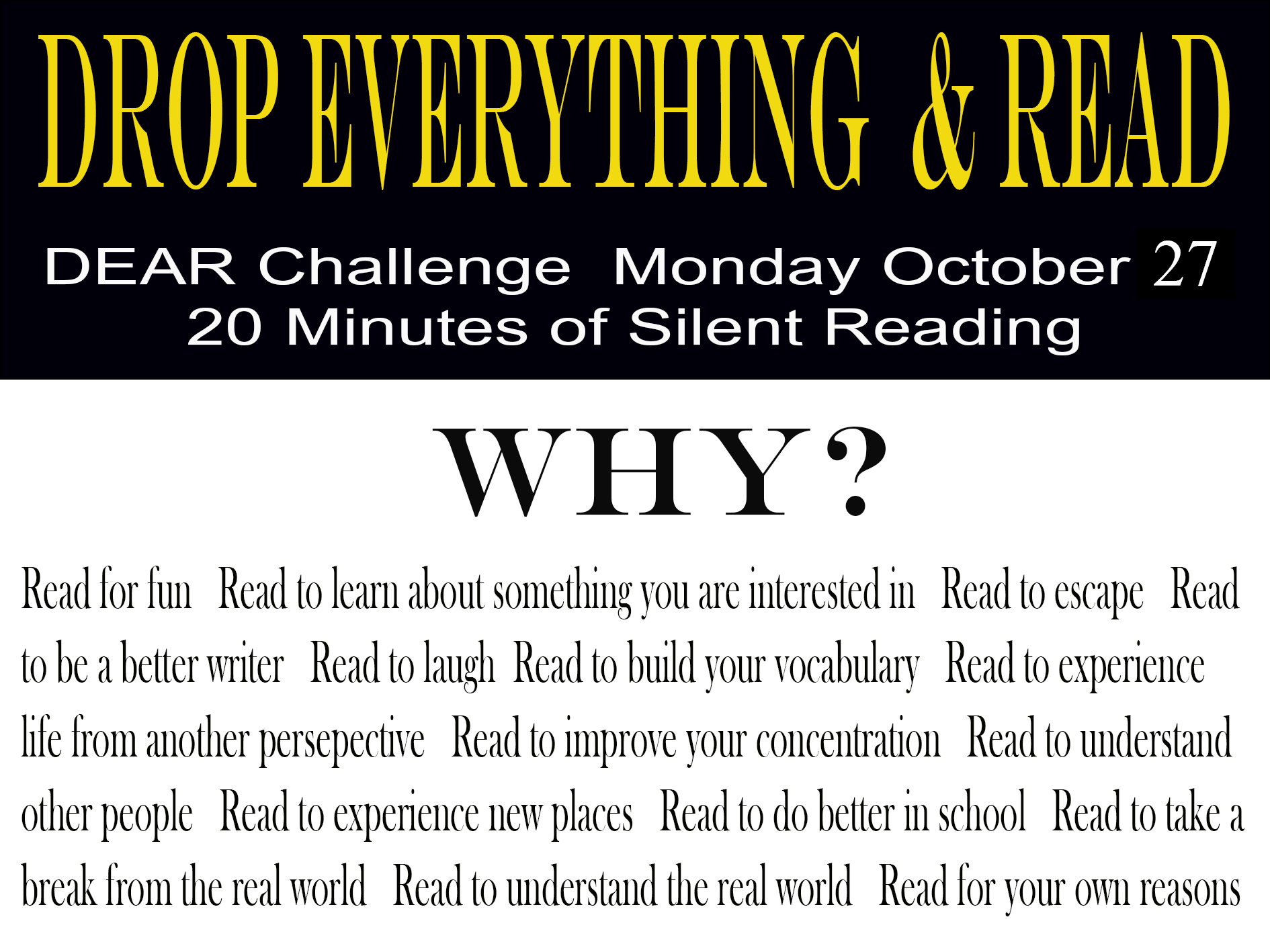
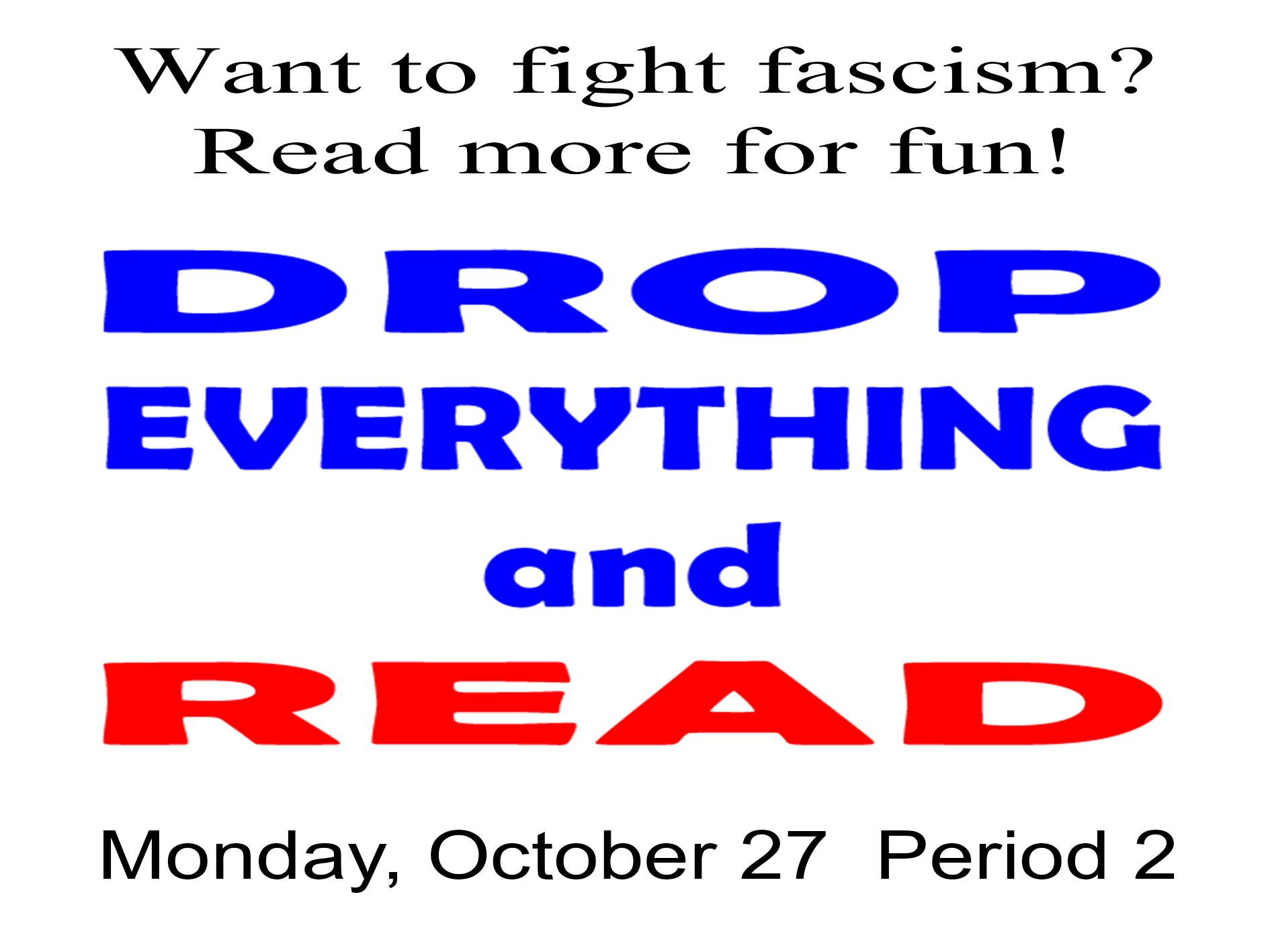
Next Monday the students and staff of our school will rise to the DEAR Challenge: Drop Everything and Read. During the long 2nd block (C block) everyone is challenged to read for 20 minutes.

October 27 is Canadian School Library Day & BC School Library Day. School Libraries are valuable in so many ways. Amongst the most important is how much school libraries can educate students and staff about the massive importance of recreational reading, and how vital school libraries are in supporting students by giving them access to books. We encourage everyone in our school– indeed, everyone in the community at large– to take up the challenge to Drop Everything and Read.
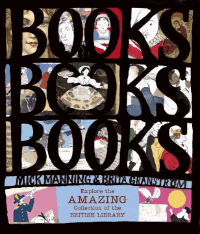
Canadian Library Workers Day

Happy Canadian Library Workers Day to the wonderful Volunteers and Library Science students. October is Canadian Library Month and on the third Friday each year we celebrate the vital role played by workers in all of libraries across the country, including school libraries, public libraries, and more.

October 17 is Canadian Library Workers Day
October 27 is Canadian School Library Day
October 27 is DEAR: The Drop Everything and Read Challenge
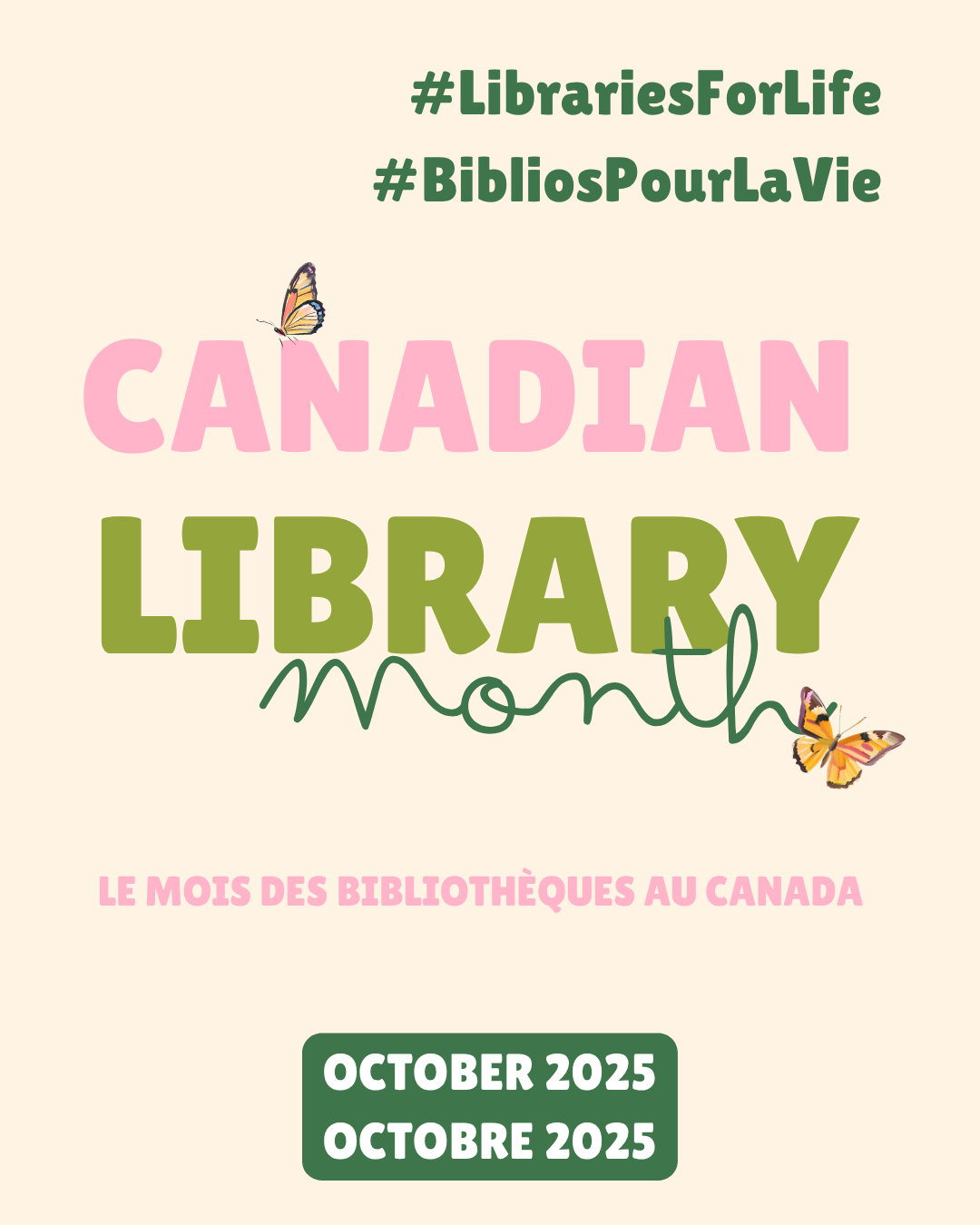
October is Canadian Library Month
October is International School Library Month

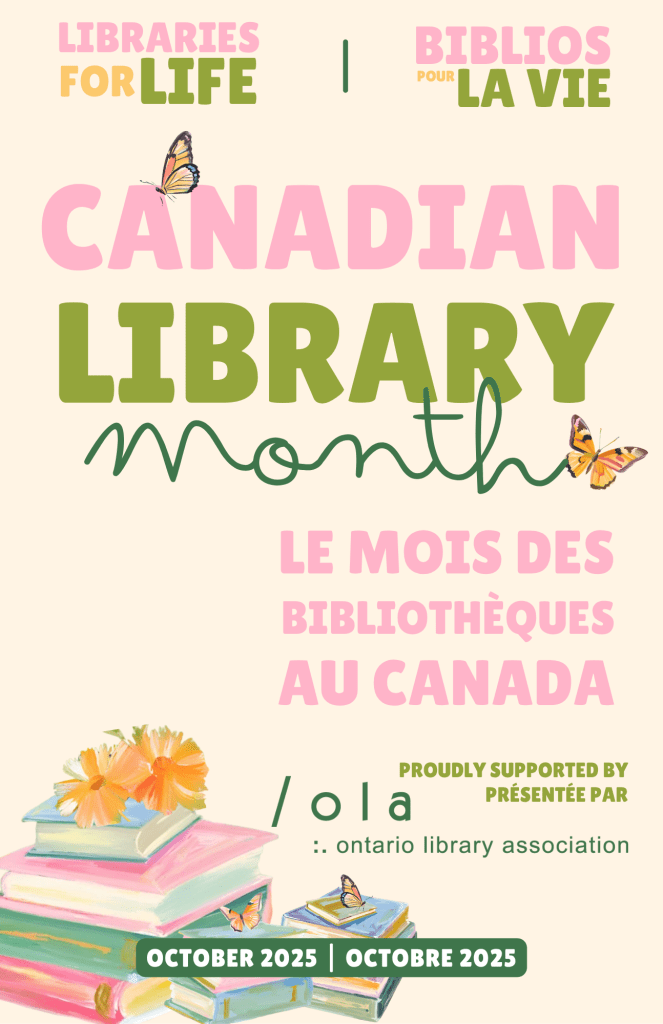
Canadian Library Month

Come down to your School Library this month to join us in celebrating Canadian Library Month. The theme for 2025 is “Libraries For Life.” We should all celebrate, enjoy, protect, support, and make use of libraries throughout our lives, from childhood to our golden years and every stage in between.

October is CLM and ISLM (International School Library Month): two good reasons among 18 billion other good reasons to visit your local library!