International Literacy Day 2024

source: UNESCO

September 8 is International Literacy Day. Literacy brings us joy and is a vital force for human rights, health, dignity and prosperity. Join with us in your School Library as we join with billions of people all over the planet in celebrating literacy and in standing together for the cause of improving literacy for all people.

From UNESCO:

Since 1967, the annual celebrations of International Literacy Day (ILD) have taken place on 8 September around the world to remind policy-makers, practitioners, and the public of the critical importance of literacy for creating more literate, just, peaceful, and sustainable society. 

Literacy is a fundamental human right for all. It opens the door to the enjoyment of other human rights, greater freedoms, and global citizenship. Literacy is a foundation for people to acquire broader knowledge, skills, values, attitudes, and behaviours to foster a culture of lasting peace based on respect for equality and non-discrimination, the rule of law, solidarity, justice, diversity, and tolerance and to build harmonious relations with oneself, other people and the planet. In 2022, however, at least one out of seven adults aged 15 and above (754 million) lacked basic literacy skills. Additionally, millions of children are struggling to acquire minimum levels of proficiency in reading, writing and numeracy, while some 250 million children of 6-18 years old are out of school. 

Read more from UNESCO


Six Scientific Benefits of Reading More

From Mental Floss, an article on “six scientific reasons you should be picking up more books.”


  • Reading reduces stress.
  • Reading (especially reading books) may add years to your life.
  • Reading improves your language skills and knowledge of the world.
  • Reading enhances empathy.
  • Reading boosts creativity and flexibility.
  • Reading can help you transform as a person.

Read the entire article at Mental Floss.

Freedom to Read is Useless if People Don’t Read

“The man who does not read has no advantage over the man who cannot read.”

Source: Unknown*

The rights and freedoms of Canadians include the right to read what you want to read. Such rights and freedoms are fundamental to democracy. However, such rights and freedoms are meaningless unless citizens exercise these rights and freedoms.

There are authoritarian forces at work in our society that seek power by attacking your rights, including attempts to censor or limit your freedom to read. Totalitarian states know that uneducated and illiterate citizens are easier to control and oppress. Such forces can only celebrate that the work is much simpler when significant portions of the population choose not to read. Censorship becomes less pressing when “aliteracy” becomes prevalent.

A true democracy guarantees fundamental rights and freedoms to its citizens. But to work effectively, indeed, to survive, democracy requires that citizens exercise those rights. In particular, democracy breaks down if citizens aren’t educated, informed and active.

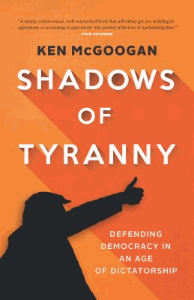
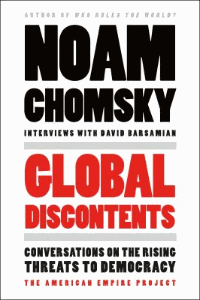
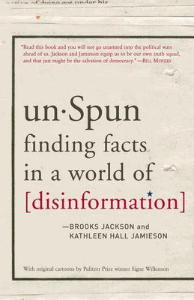
The rise of powerful new information technology in the last few decades has made it more important than ever that citizens are highly “information literate.” Citizens must not only have access to information, they must have the tools required to wade through increasingly destructive levels of misinformation, disinformation, propaganda, and outright lies. Citizens need to have access to information that is credible, accurate and trustworthy.

The rise of anti-intellectualism and anti-science movements, perhaps most recently represented by anti-vax conspiracies, are part of the wider breakdown of democratic institutions. There is little doubt that attacks on public education over many years have reaped some these results and are integral to the rise of authoritarianism.

It is not enough to celebrate the Freedom to Read. As citizens of democratic societies, we have an obligation to exercise our Freedom to Read, in part so that we are equipped to defend our democratic rights and freedoms.
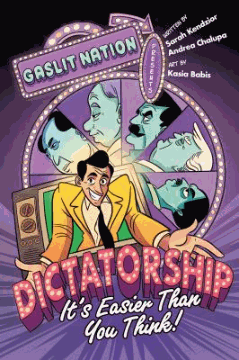
It is clear that democracy is under attack, throughout the world, and in our back yard. We must act.

Find out more:


Note* The above quote, or variations on it, are often popularly attributed to Mark Twain. However the original source of this quote, or its variations, remains unclear.

International Literacy Day

source: UNESCO

September 8 is International Literacy Day. Literacy brings us joy and is a vital force for human rights, health, dignity and prosperity. Join with us in your School Library as we join with billions of people all over the planet in celebrating literacy and in standing together for the cause of improving literacy for all people.

From UNESCO:

Since 1967, International Literacy Day (ILD) celebrations have taken place annually around the world to remind the public of the importance of literacy as a matter of dignity and human rights, and to advance the literacy agenda towards a more literate and sustainable society. 

Despite steady progress made across the world, literacy challenges persist with at least 763 million young people and adults lacking basic literacy skills in 2020. The recent COVID-19 crisis and other crisis, such as climate change and conflicts, have been exacerbating the challenges.

Read more from UNESCO


World Read Aloud Day

When parents read aloud to their children, they are making a profound contribution to the growth of their kids as readers, listeners and learners. Reading aloud to kids helps to introduce children to the wonders and magic of the world of stories. So many amazing things can happen when parents read to their kids. Parents reading to their kids is one of the most powerful factors in children becoming readers.

Source: School Library Journal
source: School Library Journal

Yet it doesn’t need to stop once kids learn to read to themselves. Indeed, it should never stop.  Adults, teens, people of all ages love being read to and reap the benefits when they get the chance to listen. High school teachers who give reading aloud a try almost always find that the kids love it and that it can be a powerful educational opportunity.

World Read Aloud Day is a chance to recognize the power of the joy of reading aloud.  Spread the word!

Find out more:

March Madness: Opening Round Results

As the 2022 March Madness YA Lit Tournament got underway at your School Library, the dream of 64 competitors was to become March Madness Champions. Instead, suddenly it was all over for half of them. 32 books who were eliminated. Sent packing. Dreams crushed.

Most of the contests were very decisive, and went according to expectations, with the higher seeds advancing to the next round. However, there were a few upsets, and a number of matchups went right down to the wire.

Highlights:

As expected, all the Regional #1 Seeds cruised to victory. Harry Potter, Little Women, The Fault in Our Stars, and The Hate U Give all advanced, with Angie Thomas’ novel crushing Speak, 97-3. However, that wasn’t the largest margin of victory. That distinction went to #2 seed The Hunger Games, which obliterated Song of the Lioness with a 100-0 shutout.

As one might expect, the 8 v 9 contests were very close. Shadow and Bone just edged past The Marrow Thieves, and If You Could Be Mine squeaked by Dumplin’, both match-ups going to the final buzzer and 51-49 scores. However, those weren’t the only contests to finish 51-49, as All the Bright Places scared #3 If I Was Your Girl before a heartbreaking finish, while #4 Simon vs. the Homo Sapiens Agenda was nearly upset by Dear Martin.

There were a few upsets. with two #10 seeds, Long Way Down and Infernal Devices advancing. The biggest upset of the round was #12 The Absolutely True Diary of a Part-Time Indian shocking #5 You Should See Me in a Crown.


Thanks to everyone who voted. We look forward to seeing how your votes give us some more surprises and tight match-ups in the Round of 32.

If you don’t read, they don’t need to ban books.


People need to read books for book banning to even be a thing. This idea has been expressed in many different ways.

So Read. Keep reading. Read some more. Read what you want to read. Read what you decide to read.
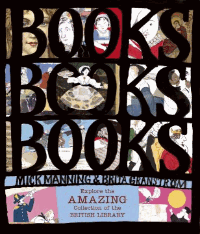
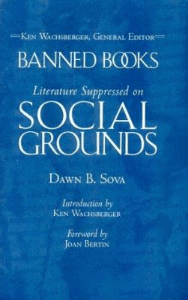
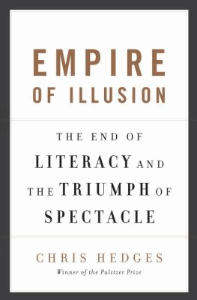
Read for information. Read to learn. Read for fun. Read to escape. Read for entertainment. Read to experience the world from the point of view of different people. Read to cry. Read to be scared. Read to laugh.
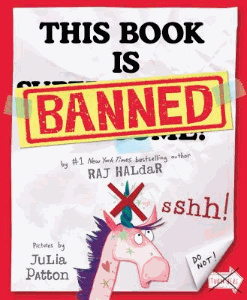
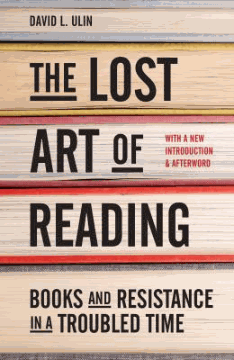
Read to understand. Read to learn new things. Read to learn more about things you already know.

Read to learn the point of view of people that you might disagree with, even when you are certain that you will disagree with them. Read to consider new information, new evidence, new perspectives. Read critically, even skeptically, but read with an openness to change your mind when faced with rational and logical reasons to do so.

Read for whatever reason you decide. Stand up for your freedom to decide for yourself what you want to read.

That doesn’t mean you should read anything and everything. People that care about you might know why reading some things, at certain times, might not be so good for you. You might decide not read some books because of your age, maturity, or history. Some books might not be right for you because of your current mental or emotional health. Perhaps some material has nothing to offer you of any value. But that is for you to decide in cooperation with the people that you trust. That is not for other people, other groups, organizations or governments to decide for you.

People try to ban books because they don’t want you to read those books. If you don’t read books to begin with, you are doing their work for them.


Book Banning: Not Just History but Current Events


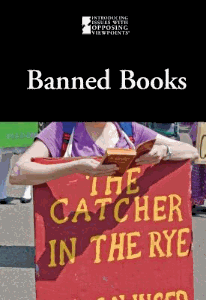
It can be tempting to think of the banning of books as something that happened in the past, only by extremely conservative types, or in authoritarian regimes. Sadly, book banning is alive and well here and now. Sure, it is not shocking that anti-democratic governments in places like China, Russia, Iran, Hungary or Venezuela strictly control the flow of information and literature. Yet in our society, where we make claims on being champions of democracy and freedom, book banning is on the rise.

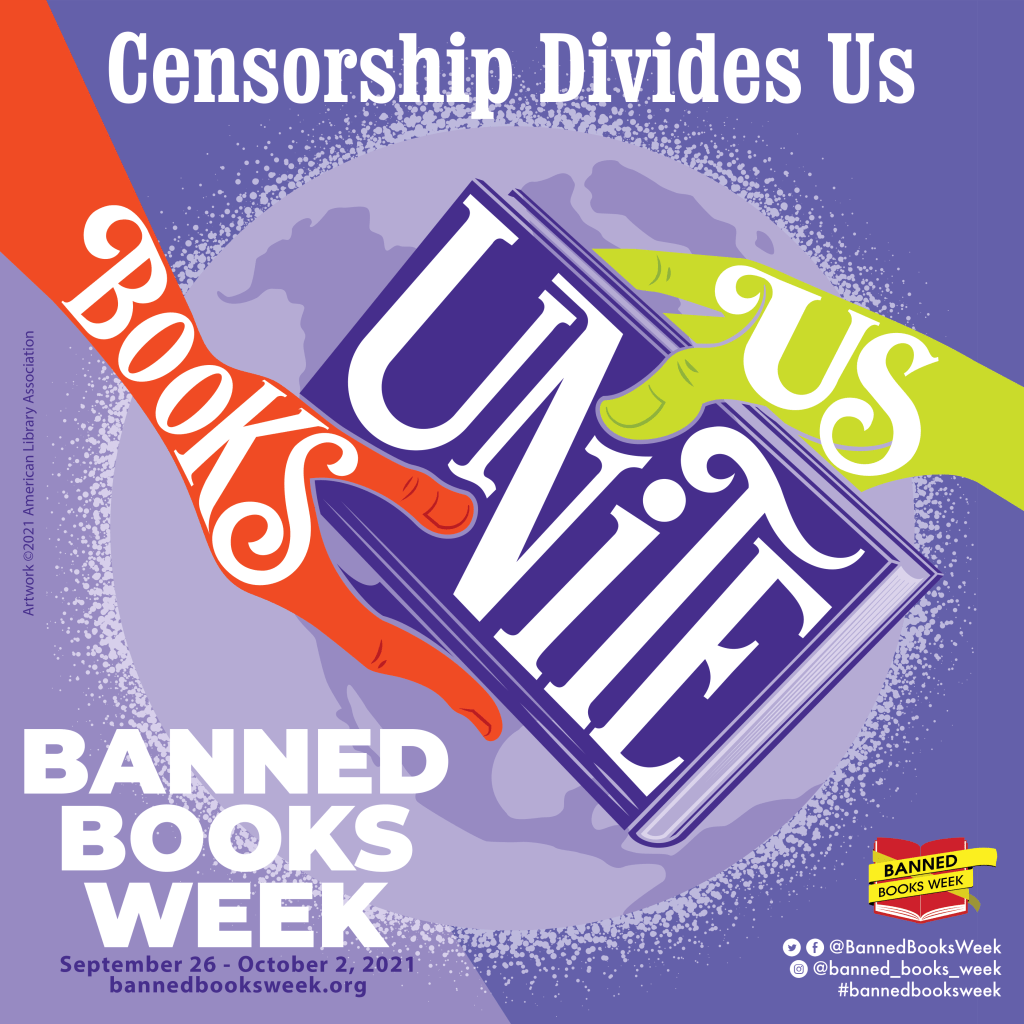
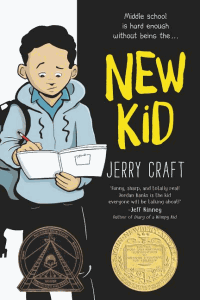
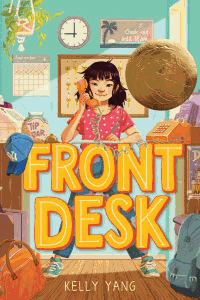
Kara Yorio writes in School Library Journal: “It has been a busy Banned Books Week, as the stepped-up challenges to books and their authors continue,  with books by kid lit creators Jerry Craft and Kelly Yang added to the list of titles some parents claim are objectionable.” Read the rest of this article.

Meanwhile “Ruby Bridges Goes to School” has been targeted by book banners as well. Author Ruby Bridges recounts the true story of her experiences as a 6 year old girl who became the first black student to attend a formerly whites only public school. An organized group of parents wanted their local school board to ban this book, “for supposedly “explicit and implicit anti-American, anti-white” bias (source).” Read more in this Miami Herald article.

Here are four of the most challenged books from the last year, all available in our school library:

  • George by Alex Gino. Challenged, banned, and restricted for LGBTQIA+ content, conflicting with a religious viewpoint, and not reflecting “the values of our community.”
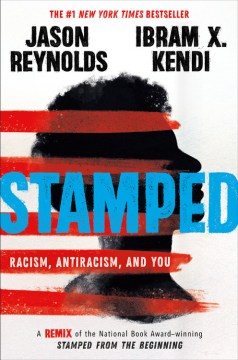
  • Stamped: Racism, Antiracism, and You by Ibram X. Kendi and Jason Reynolds. Banned and challenged because of the author’s public statements and because of claims that the book contains “selective storytelling incidents” and does not encompass racism against all people.
  • All American Boys by Jason Reynolds and Brendan Kiely. Banned and challenged for profanity, drug use, and alcoholism and because it was thought to promote antipolice views, contain divisive topics, and be “too much of a sensitive matter right now.”
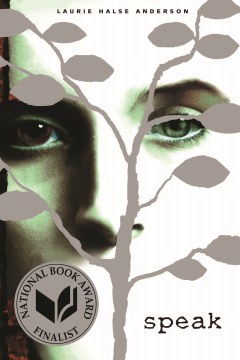
  • Speak by Laurie Halse Anderson. Banned, challenged, and restricted because it was thought to contain a political viewpoint, it was claimed to be biased against male students, and it included rape and profanity.

Read the rest of the “The Top 10 Challenged Books of 2020” from the American Library Association.

Libraries Rock Bigtime

Celebrate Libraries in October


October is a big month for libraries.

October is International School Library Month.

October is Canadian Library Month.

October 15 is Canadian Library Workers’ Day

October 22 is the BCTLA Conference

October 25 is BC School Library Day and Canada School Library Day

October 25 is Drop Everything and Read

Check back here for more info, and visit us in person, as we party all month in the School Library.


Freedom to Read; Obligation to Read

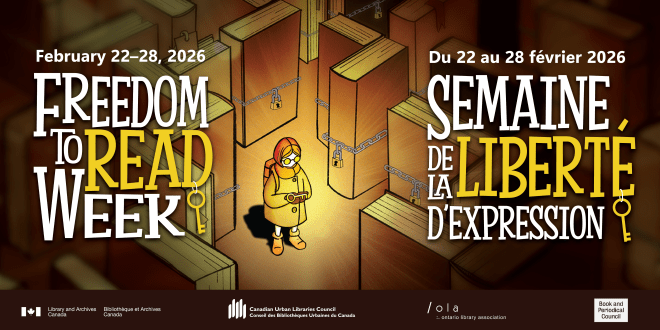
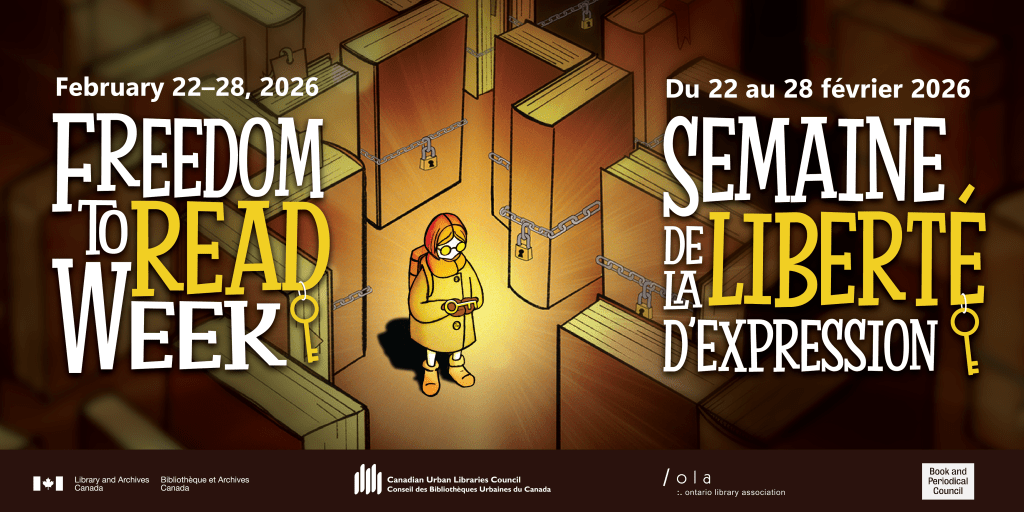
As Freedom to Read Week comes to an end, it bears considering that the freedom to read means nothing if citizens don’t exercise that that freedom.

“The man who does not read has no advantage over the man who cannot read.”

Source: Unknown*

The rights and freedoms of Canadians include the right to read what you want to read. Such rights and freedoms are fundamental to democracy. Yet there are forces at work in our society that seek power by attaching your rights, including attempts to censor or limit your freedom to read.

Authoritarian forces and totalitarian states know that uneducated and illiterate citizens are easier to control and oppress. Such forces can only celebrate that the work is much simpler when significant portions of the population choose not to read. Censorship becomes less pressing when “aliteracy” becomes prevalent.

A true democracy guarantees fundamental rights and freedoms to its citizens. But to work effectively, indeed, to survive, democracy requires that citizens exercise those rights. In particular, democracy breaks down if citizens aren’t educated, informed and active.

The rise of powerful new information technology in the last few decades has made it more important than ever that citizens are highly “information literate.” Citizens must not only have access to information, they must have the tools required to wade through increasingly destructive levels of misinformation, disinformation, propaganda, and outright lies. Citizens need to have access to information that is credible, accurate and trustworthy.

The rise of anti-intellectualism and anti-science movements, perhaps most recently represented by anti-vax conspiracies, are part of the wider breakdown of democratic institutions. There is little doubt that attacks on public education over many years have reaped some these results and are integral to the rise of authoritarianism.

It is not enough to celebrate the Freedom to Read. As citizens of democratic societies, we have an obligation to exercise our Freedom to Read, in part so that we are equipped to defend our democratic rights and freedoms.

It is clear that democracy is under attack, throughout the world, and in our back yard. We must act.


Note* The above quote, or variations on it, are often popularly attributed to Mark Twain. However the original source of this quote, or its variations, remains unclear.