Our second offering in a series of lunchtime concerts in your school library is comong up. Please note that the date has changed from what was originally advertised. Bring your lunch and join us on Friday, December 20 for Christmas Carols and other holiday songs!
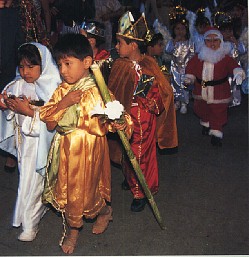
This 9 day festival is central to Navidad (Christmas) celebrations in Mexico. This is a neighbourhood festival that commemorates the journey of Mary and Joseph, who could not find posadas, (Spanish for “lodging”) before the birth of Jesus. A procession, including people dressed as Angels, Saints and the Holy Family, marches through the neighbourhood, knocking on doors looking for a place to stay. Like Mary and Joseph, they are refused, until finally the parade ends at one home where they are welcomed in. Feasting ensues, including a pinata for the children.
Be sure to check out our display, “Holidays & Holy Days.”
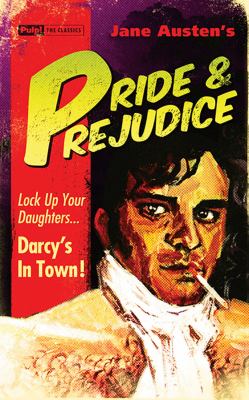
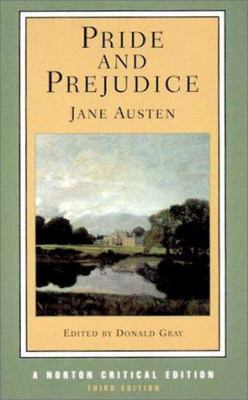
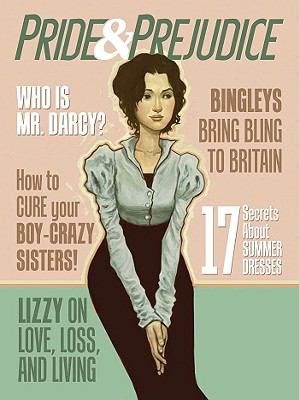
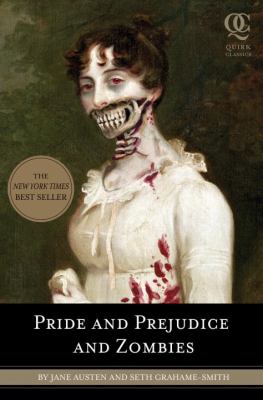
Jane Austen, one of English literature’s most beloved authors, was born on this day in 1775. Her novels are read and loved by people all over the world. Pride and Prejudice, Sense and Sensibility and Emma are among her most popular works. In the last decade or so there has been a massive surge in popularity for Austen’s novels. This has resulted in many films and television adaptations of her books. Moreover, another sign of Austen’s popularity is the plethora of new stories based on her works (e.g. Longbourn), including some strange mash-ups (e.g. Pride and Prejudice and Zombies), as well as many stories that are simply about the fans of Austen (e.g. Jane Austen Book Club).
My personal favourite among Austen’s novels is Pride and Prejudice.
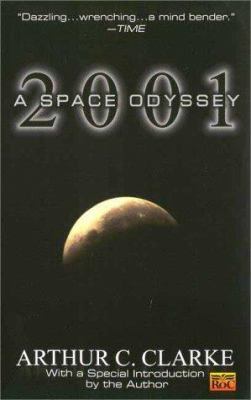
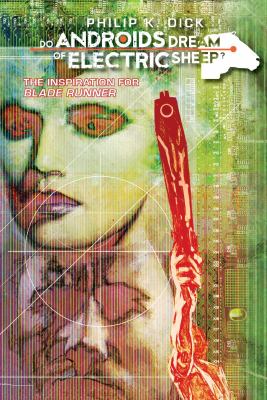
Two Science Fiction Masters were born on this day. Arthur C. Clarke, the author of such great books as the landmark novel 2001: A Space Odyssey, was born in 1917 . Philip K. Dick was born on this day in 1928. He is the author of numerous Sci-Fi cult favourites, including The Man in the High Castle, and Do Androids Dream of Electric Sheep (which was adapted for the screen as “Blade Runner.”)
For more on these great Sci-Fi writers, check out:
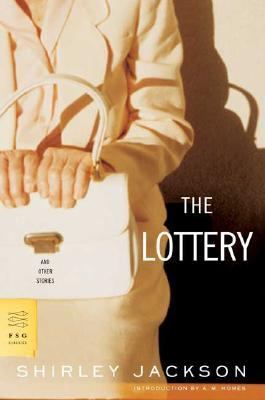
Writer Shirley Jackson was born on this day in 1916. She is probably best known for her novel, The Haunting of Hill House, and for her short stories, particularly “The Lottery.”
On this day in 1871, Emily Carr, an iconic figure in Canadian art and culture, was born in Victoria. Emily Carr is known all over the world, particularly for her paintings inspired by the forests of British Columbia and the indigenous people of Pacific coast. In addition to painting, Emily was also a writer and poet. Like most artists, she achieved her greatest fame and critical recognition later in life and after her death. For more on the life and work of this great Canadian, go to:
Bob Barker was born on this day in 1923. Barker is best known as the longtime host of the game show, “The Price is Right,” which was a fixture on daytime television for decades. Some consider his finest work, however, to be in the film “Happy Gilmore.” The fight scene between Adam Sandler and Barker is epic. The fact that Gilmore was wearing a Boston Bruins jersey while Bob taught him a lesson is particularly delightful to Canucks fans.
Our second offering in a series of lunchtime concerts in your school library is on tap for Thursday, December 19. Bring your lunch and join us for Christmas Carols and other holiday songs!
On this day in 1948 the Universal Declaration of Human Rights was adopted by the United Nations General Assembly.
Article 1.
All human beings are born free and equal in dignity and rights.They are endowed with reason and conscience and should act towards one another in a spirit of brotherhood
Article 2.
Everyone is entitled to all the rights and freedoms set forth in this Declaration, without distinction of any kind, such as race, colour, sex, language, religion, political or other opinion, national or social origin, property, birth or other status. Furthermore, no distinction shall be made on the basis of the political, jurisdictional or international status of the country or territory to which a person belongs, whether it be independent, trust, non-self-governing or under any other limitation of sovereignty
Article 3.
Everyone has the right to life, liberty and security of person.
The father of the Dewey Decimal System was born on this day in 1851. To learn more about the life of this influential librarian, reformer and educator, click here.
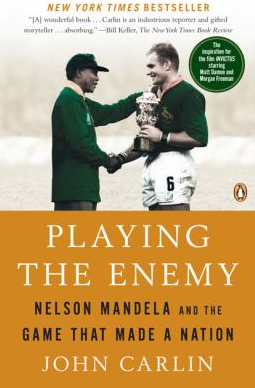
For the rugby players and fans of rugby football in our community, there is another compelling story related to the late Nelson Mandela. While soccer was a sport embraced by the black South African population, for most of the 20th century rugby was the sport of choice for white South Africans, so much so that very many blacks, rugby was a symbol of the racism and oppression of Apartheid. As much as anybody else, Nelson Mandela changed that. Mandela understood the importance of rugby to white South African culture. As he struggled to lead South Africa through the transition from Apartheid, Mandela understood that rugby might be a key factor in garnering support from the white community and perhaps even help step closer to the dream of a racially united “rainbow nation.” As South Africa prepared to host the 1995 World Cup of Rugby, Mandela became the Sprinboks’ number one fan. That the Boks went on to win the World Cup was the storybook ending. It was a truly memorable scene to witness Mandela, clad in his Springboks uniform, once a symbol of Apartheid, handing the Webb Ellis Cup to the Boks’ Captain, Francois Piennar.
To learn more about this fascinating intersection between sport, politics, culture and history, check out the following:
Playing the Enemy by John Carlin (2008).
“Invictus,” a film (2009) by Clint Eastwood, starring Morgan Freeman as Nelson Mandela and Matt Damon as Springboks’ Captain Francois Piennar. Based on Playing the Enemy.








 Lord Tweedsmuir Secondary School Library