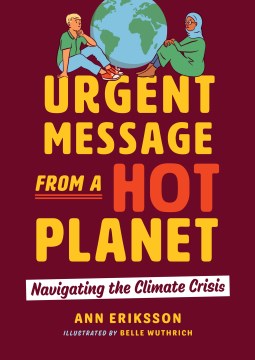
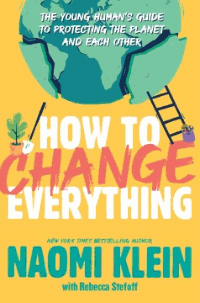
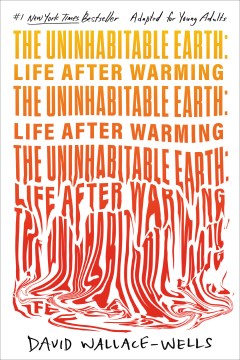
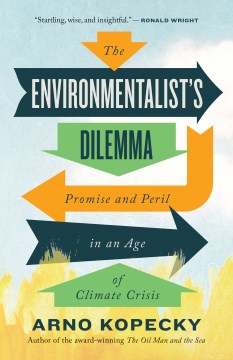
Earth Month: What Does Science Say?

Earth Month comes to a close but the end of April does not mean the end of the climate crisis. Find out more. Find out what science says about climate change. Consider what you can do, as a citizen of this planet. Earth is the only planet we have. Consider what we, the people of Earth, can do, together, to save our home.


Find out more:

Intergovernmental Panel on Climate Change

United Nations: Climate Action

Canada Climate Change

(US) National Oceanic and Atmospheric Administration

What is Climate Change (UK Met)

NASA Scientific Consensus

Freedom to Read is Useless if People Don’t Read

“The man who does not read has no advantage over the man who cannot read.”

Source: Unknown*

The rights and freedoms of Canadians include the right to read what you want to read. Such rights and freedoms are fundamental to democracy. However, such rights and freedoms are meaningless unless citizens exercise these rights and freedoms.

There are authoritarian forces at work in our society that seek power by attacking your rights, including attempts to censor or limit your freedom to read. Totalitarian states know that uneducated and illiterate citizens are easier to control and oppress. Such forces can only celebrate that the work is much simpler when significant portions of the population choose not to read. Censorship becomes less pressing when “aliteracy” becomes prevalent.

A true democracy guarantees fundamental rights and freedoms to its citizens. But to work effectively, indeed, to survive, democracy requires that citizens exercise those rights. In particular, democracy breaks down if citizens aren’t educated, informed and active.

The rise of powerful new information technology in the last few decades has made it more important than ever that citizens are highly “information literate.” Citizens must not only have access to information, they must have the tools required to wade through increasingly destructive levels of misinformation, disinformation, propaganda, and outright lies. Citizens need to have access to information that is credible, accurate and trustworthy.

The rise of anti-intellectualism and anti-science movements, perhaps most recently represented by anti-vax conspiracies, are part of the wider breakdown of democratic institutions. There is little doubt that attacks on public education over many years have reaped some these results and are integral to the rise of authoritarianism.

It is not enough to celebrate the Freedom to Read. As citizens of democratic societies, we have an obligation to exercise our Freedom to Read, in part so that we are equipped to defend our democratic rights and freedoms.

It is clear that democracy is under attack, throughout the world, and in our back yard. We must act.

Find out more:


Note* The above quote, or variations on it, are often popularly attributed to Mark Twain. However the original source of this quote, or its variations, remains unclear.

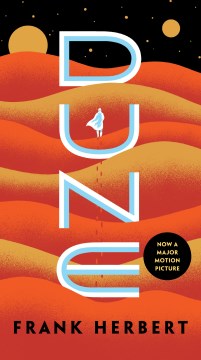
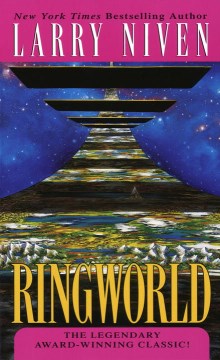
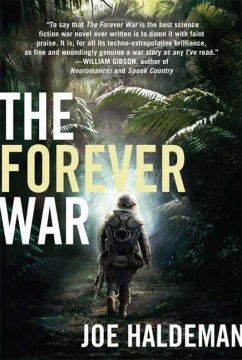
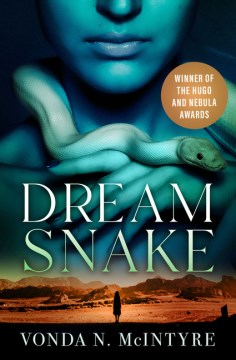
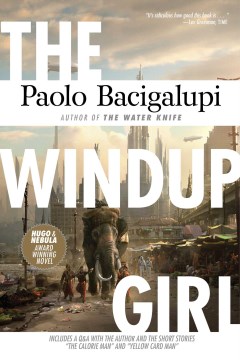
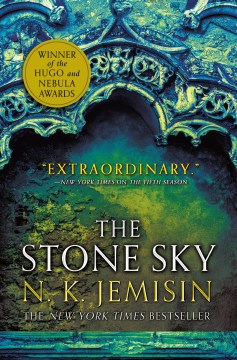
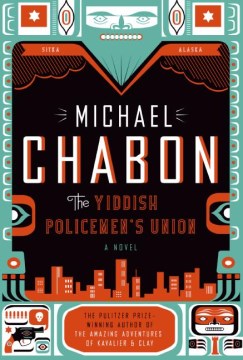
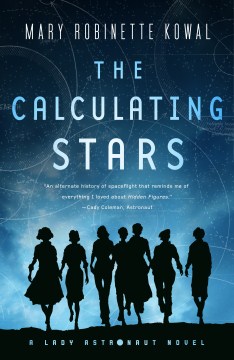
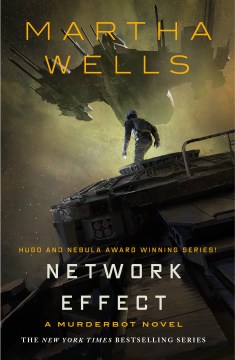
Hugo and Nebula Winners

In the world of science fiction, the Hugo and the Nebula are the most prestigious awards that can be won by the author of a Sci-Fi novel. Here are those titles that achieved both distinctions and rank among the very best Sci-Fi works of all time. 


All of these novels can be found in your School Library. Come down to check them out.

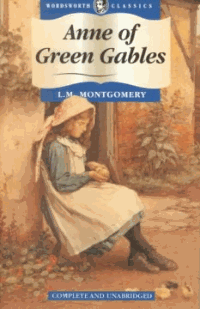
Lucy Maud Montgomery

Canadian writer Lucy Maud Montgomery was born on this day in 1874 on Prince Edward Island. Montgomery is best known the author of the beloved novel Anne of Green Gables. Montomgery wrote 20 novels, hundreds of poems and more. Perhaps her greatest honour came when Anne of Green Gables won the inaugural tournament of Young Adult Lit March Madness at LTSS in 2022.

Kids Play Games

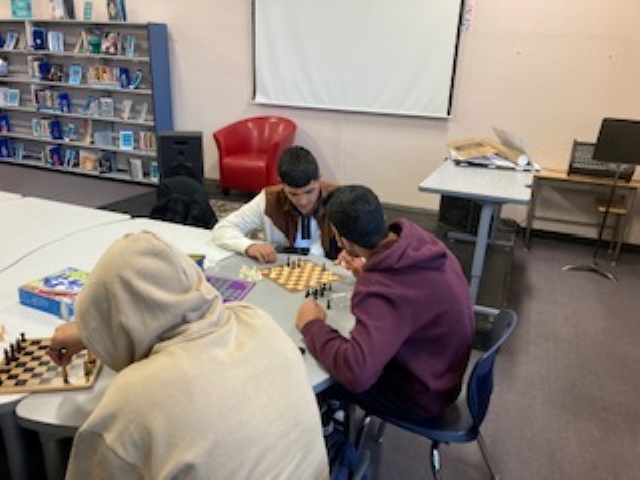
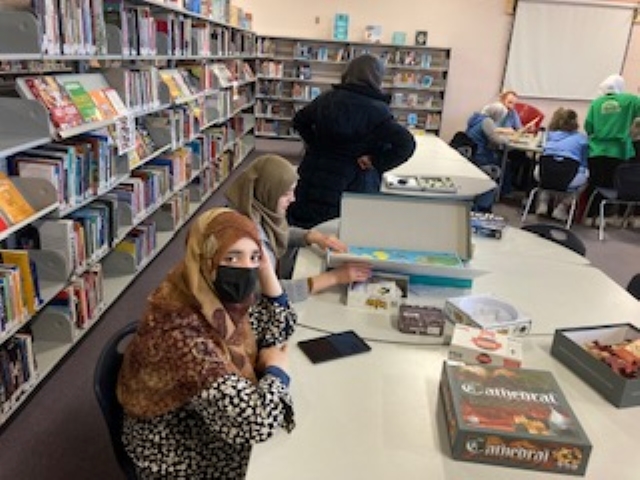
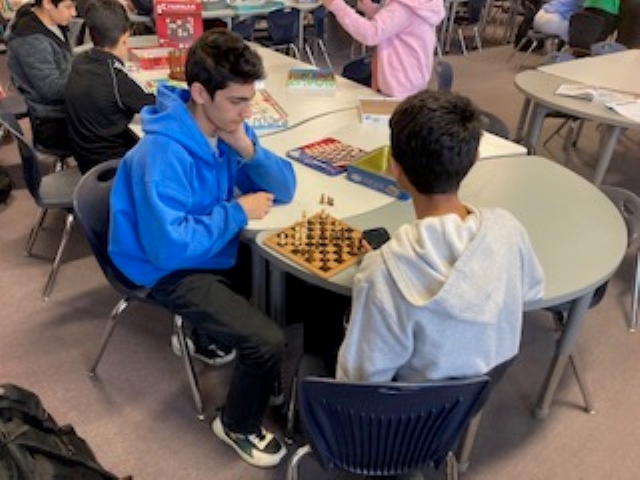
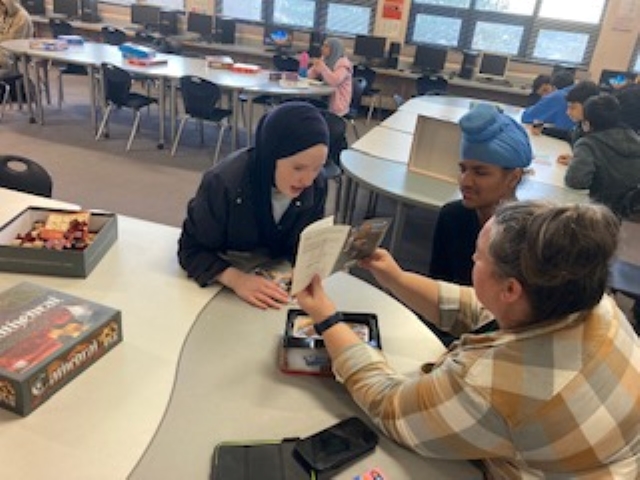
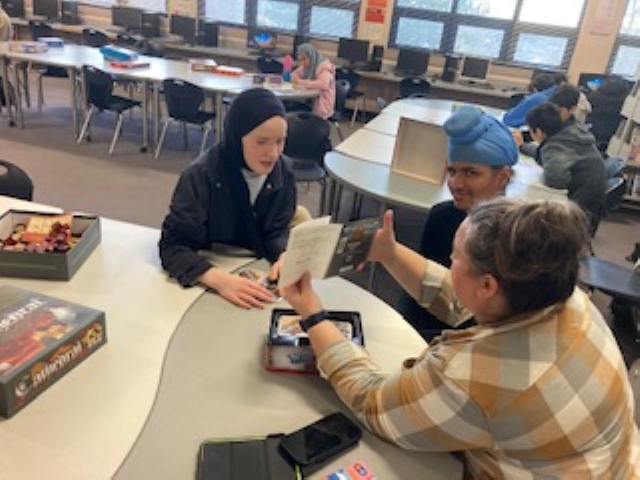
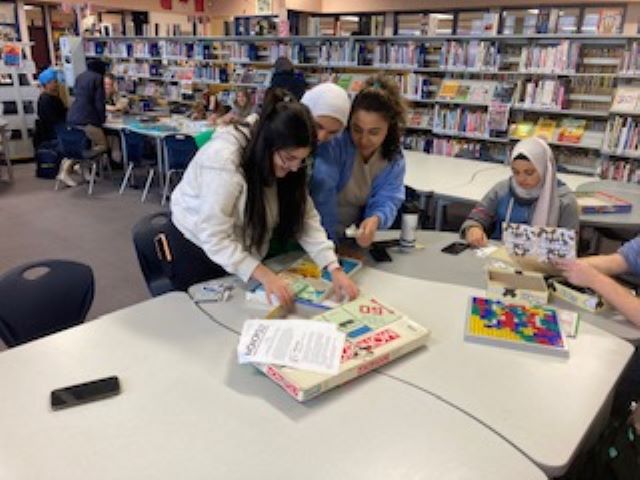
November is International Games Month @ Your Library. Classes have been invited down to the School Library to enjoy our selection of board games, card games, party games and other live and in-person games.


Thanks to Mr. Birnbaum for bringing his E.L.L. classes down. Games are a great way for these students to develop their language skills. More importantly, everyone was having fun.
Teachers Play Games


We asked LTSS Teachers and Staff about some of their favourite games to play. Here are some of the replies:

Mr. Ferrier played Axis & Allies when he was a kid. Now he loves Yahtzee, and the My Little Pony game, although his daughter beats him every time.


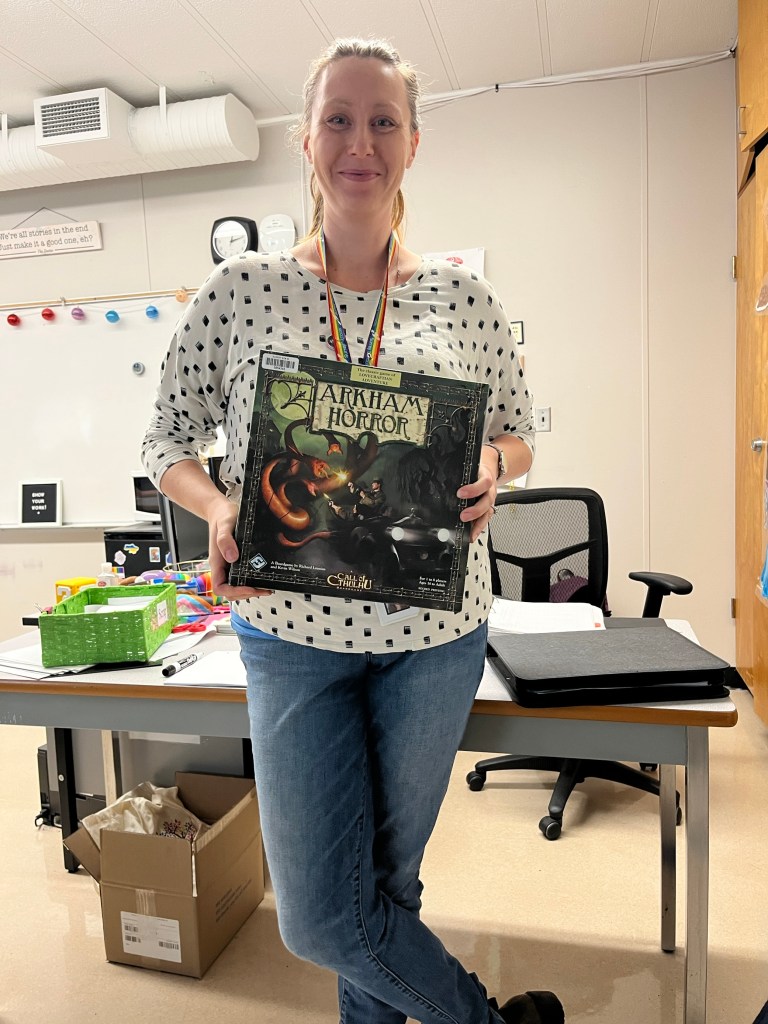
Ms. Truss loves Arkham Horror. She also mentioned Love Letter, Jaipur and Taco Cat.


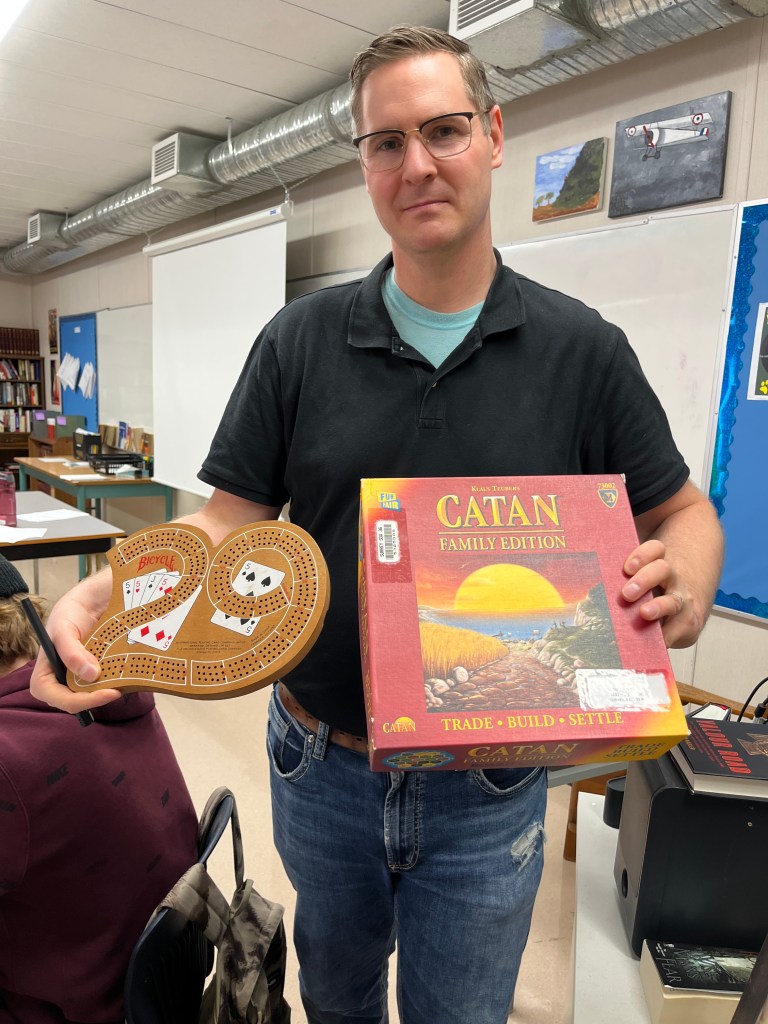
Mr. Donaldson’s favourites include Settlers of Catan, Sequence, Cribbage, D&D, Magic: The Gathering, and Chess


Other teacher favourites:

  • Mr. Birnbaum is a big fan of Dungeons and Dragons, Scum & Villainy, Dungeon World, and Blades in the Dark.
  • Ms. Calla plays Pandemic with family and friends, along with other favourites such as Catan, Ticket to Ride, Munchkin, Cards Against Humanity, and Cribbage.
  • Dr. Robinson says that Sorry taught her how to lose, and that Scrabble taught her how to lose to her Mother every time they played. She prefers lawn games like Bocce and Cornhole.
  • Ms. Newton likes to play Cribbage, Monopoly Deal, Dutch Blitz, Speed, Uzzle, Jenga, Mahjong and her ultimate favourite, Mancala!
  • Ms. Stroh likes to play Exploding Kittens with her kids. She also likes Sequence, Settlers of Catan, Monopoly Deal and Ticket to Ride.


November is International Games Month @ Your Library

Songs of Peace: “Bulls on Parade”

Rage Against the Machine have many titles that could be picked for lists of the greatest protest songs. One of the most overtly antiwar tracks is “Bulls on Parade.” (1996).

Weapons not food, not homes, not shoes
Not need, just feed the war cannibal animal
I walk the corner to the rubble that used to be a library
Line up to the mind cemetery now
What we don’t know keeps the contracts alive and movin’
They don’t gotta burn the books they just remove ’em
While arms warehouses fill as quick as the cells
Rally ’round the family, pockets full of shells


Other “Songs of Peace” in this series:

November is Peace Month at your School Library

Louis Riel

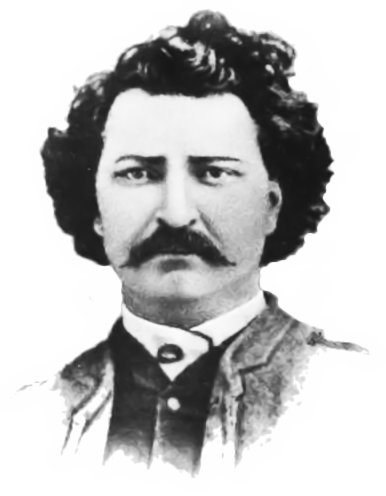
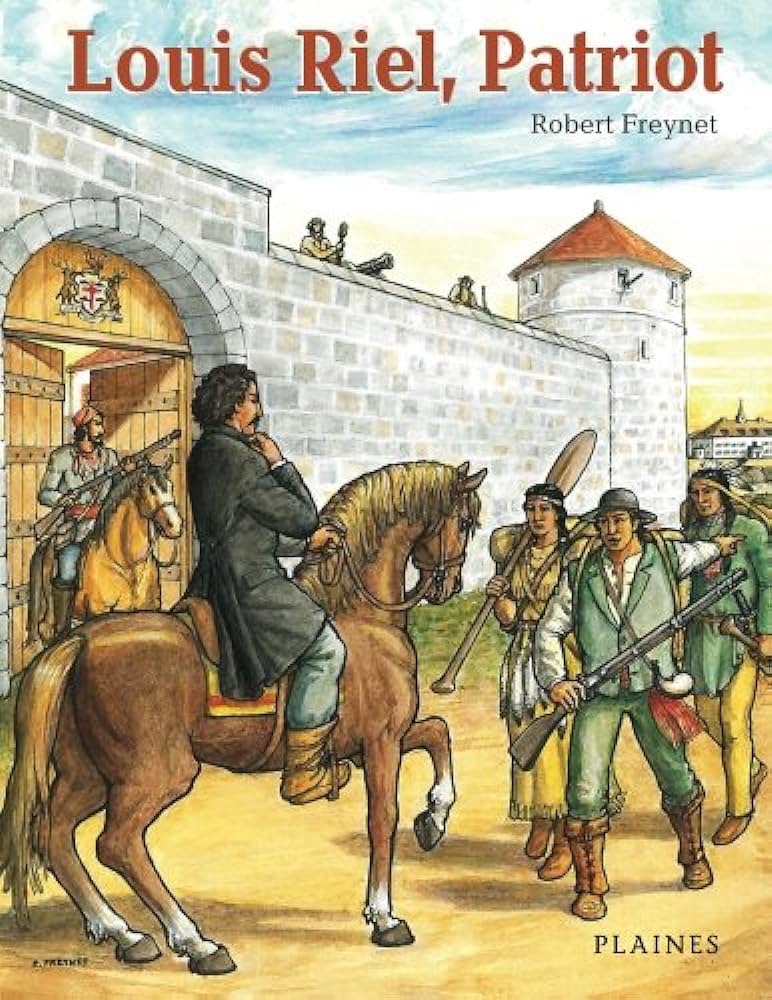
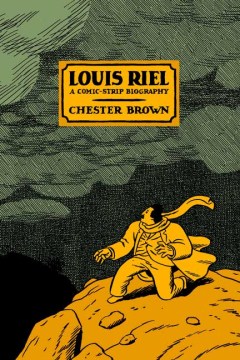
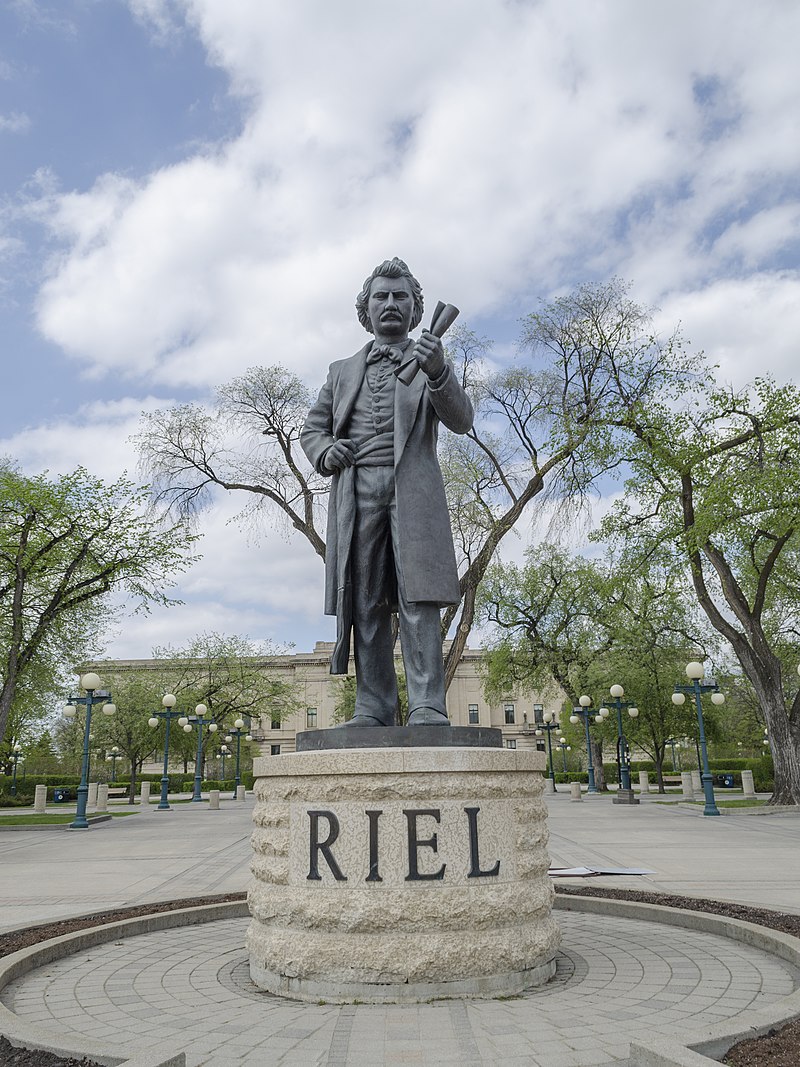
On this day in 1885, Louis Riel was hanged for High Treason by Canadian authorities. Riel was a Metis leader who led the resistance of his people against the Canadian government in the Red River Rebellion of 1869 and the North-West Rebellion of 1884. Few Canadians can come even close to Riel as a divisive figure in Canadian history. Riel was portrayed as an enemy of Canada by the government of John A. Macdonald, a view that was held by many anglophone Canadians for many years, and still by some today. On the other hand, Metis was a hero to the Metis, to indigenous people in general, and to many French Canadians, and anglophone Catholics. To them Riel represented those that would stand up against the elites whose vision of Canada was dominated by white people, English speakers, and Protestants of Anglo-Saxon heritage. Today more Canadians look favourably upon Riel, a complex figure whose life is entwined with so many problematic issues from Canada’s history that still challenge us today.


Find out more:


Songs of Peace: “Hero of War”


“Hero of War” is a 2009 song by the American band, Rise Against. Many of the most well known peace and antiwar songs that are most prominent in popular culture come from the 1960s and 1970s, particularly protest songs against the American war in Vietnam. However, there are also many other more recent songs that look critically at more contemporary wars, including the U.S. wars in Iraq and Afghanistan. Have a listen, and spend some time thinking about your response. What do antiwar songs, and songs of peace and alternatives to violence, have to say to us in 2023?


Other “Songs of Peace” in this series:

Kazuo Ishiguro

Nobel Prize winning author Kazuo Ishiguro was born on this day in 1954. Ishiguro was born in Japan, but moved to the U.K. with his parents when he was five years old. He grew up to become one of most critically acclaimed authors in the English language, winning a variety of prestigious awards including the Booker Prize in 1989 for his novel, The Remains of the Day, and, for his entire body of work, the Nobel Prize in Literature in 2017.


Find out more:

Songs of Peace: Ohio

One of the most famous and influential songs of the antiwar movement of the 1960s and early 1970s is “Ohio”, written by Neil Young and performed by Crosby, Stills, Nash and Young. So many aspects of youth counter-culture, protests against the Vietnam War, and deep divisions within American society came together tragically as four university students were shot dead, and nine more wounded, at Kent State University in Ohio when the National Guard opened fire against student protestors. Neil Young wrote “Ohio” in reaction to the tragedy at Kent State, and the song was released in June of 1970. It has grown to become known as one the anthems of protest and antiwar activism.


November is Peace Month at your School Library.


Other “Songs of Peace” in this series: