Here is just a small sample of books that we have to help you learn more about Black Canadians, African-Americans, and other people in the African Diaspora, as we observe and celebrate Black History Month.


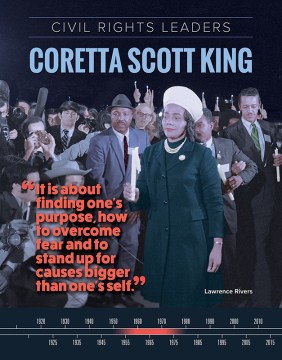
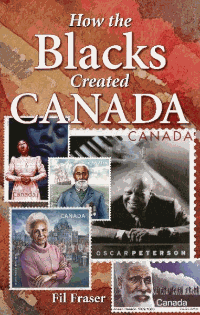
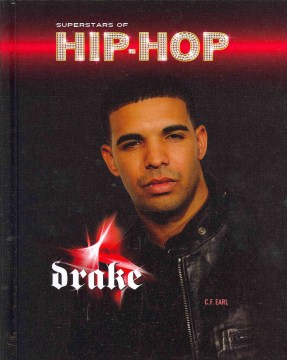
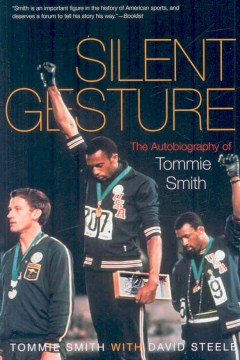

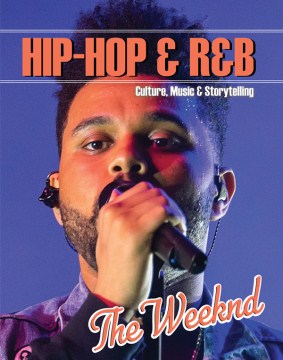
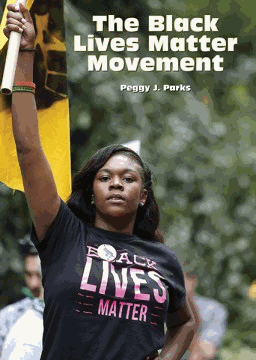
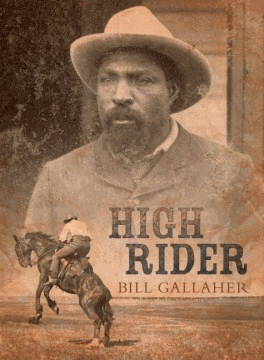


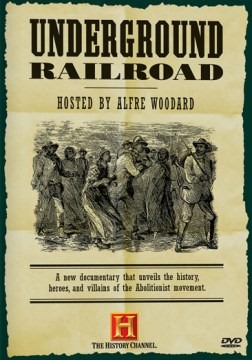


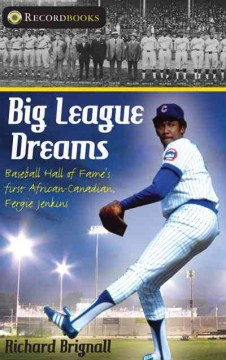
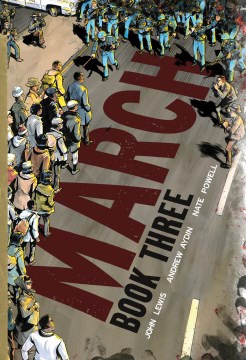

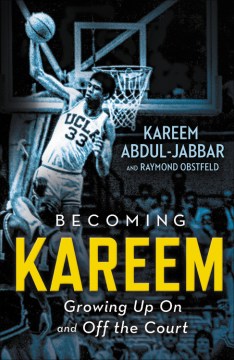
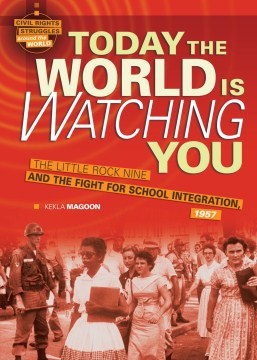

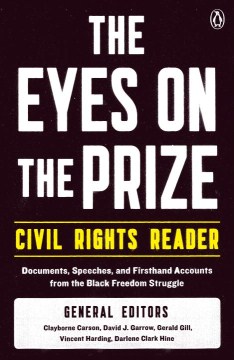
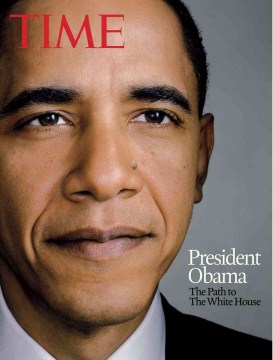
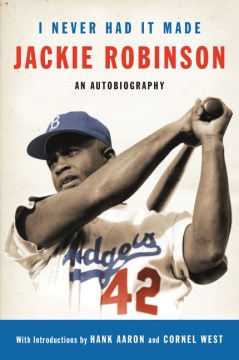

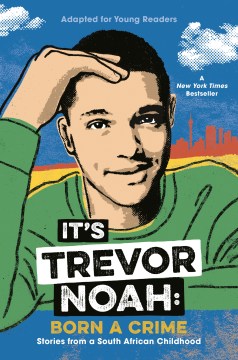

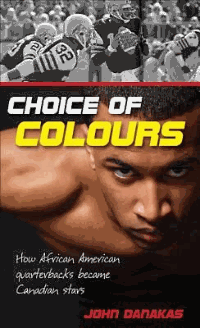
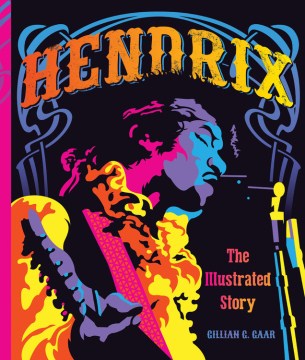
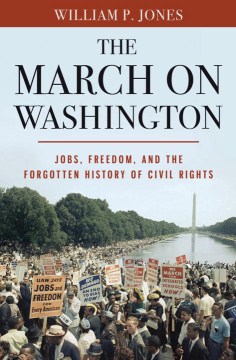
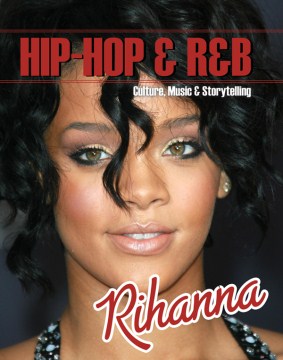
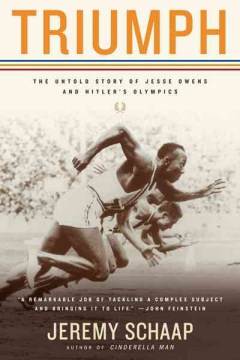
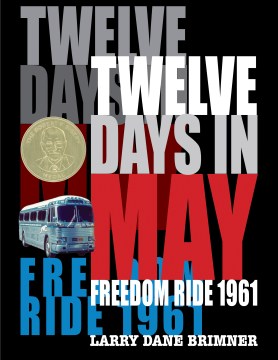
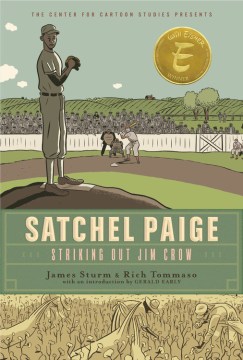
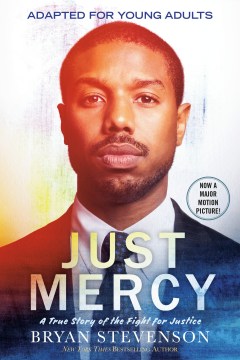
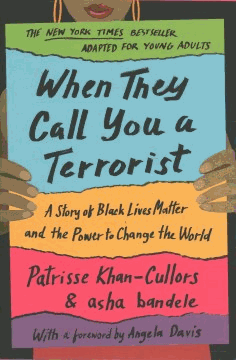
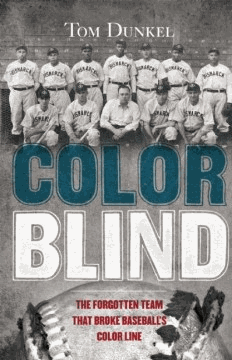


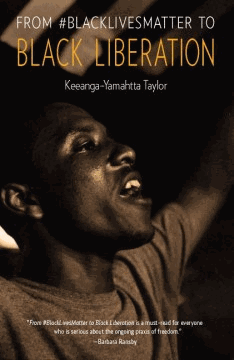

Here is just a small sample of books that we have to help you learn more about Black Canadians, African-Americans, and other people in the African Diaspora, as we observe and celebrate Black History Month.
February is Black History Month. Join us in the School Library as we explore, acknowledge and celebrate Black History, with an emphasis on the experience of Canadians of African descent, African-Americans, and other peoples in the world-wide African diaspora.

Come down to see featured displays of books and other library materials for Black History Month. And throughout February, look here for more online content, including more about Black Canadians such as Fergie Jenkins, Rosemary Brown, Willie O’Ree, Michaëlle Jean, Lincoln Alexander, Viola Davis Desmond, and Drake.
Canadian actor Michael Ontkean was born on this day in 1946 in Vancouver. Ontkean played hockey player Ned Braden in the 1977 cult classic, “Slapshot.” He is also well known for his role as Harry S. Truman on the television show “Twin Peaks,” which, like Slap Shot, has a devoted cult following.


Canadians love the movie “Slap Shot” because it is the greatest hockey movie ever made. Come down to the school library to check out our display of all things hockey, as we celebrate our great game.
Monday was MLK Day in the United States, a wonderful opportunity for people around the world to remember Dr. King and what he stood and fought for. The “I Have a Dream Speech,” delivered at the “March on Washington” in 1963, is one of the most important speeches ever made, and just one of the many incredible achievements of Dr. King. Here is a video of that speech.
A few highlights of the speech by Martin Luther King Jr:
“I have a dream that one day this nation will rise up, live out the true meaning of its creed: “We hold these truths to be self-evident, that all men are created equal.”
“I have a dream that one day on the red hills of Georgia sons of former slaves and the sons of former slave-owners will be able to sit down together at the table of brother- hood.”
“I have a dream that my four little children will one day live in a nation where they will not be judged by the color of their skin but by the content of their character. I have a dream.”
“I have a dream that… one day right there in Alabama little black boys and black girls will be able to join hands with little white boys and white girls as sisters and brothers.”
“In the process of gaining our rightful place we must not be guilty of wrongful deeds. Let us not seek to satisfy our thirst for freedom by drinking from the cup of bitterness and hatred.”
“When we allow freedom to ring — when we let it ring from every city and every hamlet, from every state and every city, we will be able to speed up that day when all of God’s children, black men and white men, Jews and Gentiles, Protestants and Catholics, will be able to join hands and sing in the words of the old Negro spiritual, “Free at last, Free at last, Great God almighty, We are free at last.”

Find out the latest information about the Covid19 pandemic:
Public Health Agency of Canada
CDC: Centers for Disease Control & Prevention (USA)

It’s a week later than we expected, but welcome back to school in 2022! Here are some reminders, and some new information, about some of the safety guidelines in our school as we continue to battle the Covid pandemic.
(source: surreyschools.ca)
Find out more:
Why are there so many Holidays and Holy Days at this time of year? Why do so many of them, especially in the Northern Hemisphere, seem to emphasize light, especially light in contrast to the darkness? Likely this is because of the Winter Solstice.
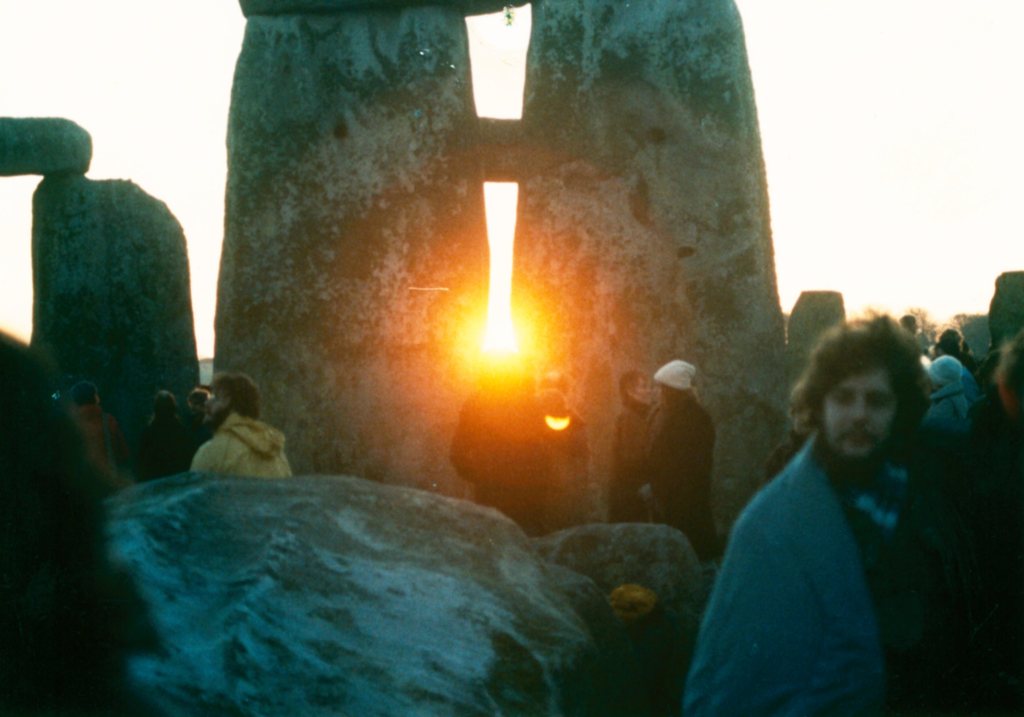
The longest night of the year. The shortest day. The Winter Solstice occurs on December 21 (in some years December 22) as the North Pole reaches its maximum tilt away from the sun. The North Pole will experience continuous darkness, the Polar region near total darkness, and the northern hemisphere its shortest day and longest night. Winter begins. Most populations will experience the darkest and coldest time of year.
It is a time where people crave light and warmth, and so it seems natural that the feasts and festivals of December emphasize those things. Moreover, at the darkest moment, hope is renewed, as after the solstice the days will get longer. This is hope for more light, more warmth. Spring will come eventually. New birth. New life.
And so many different observances, feasts, and festivals emereged at this time of the year, many on the day of the Solstice, and others near to it on the calendar.
Of course, we have spent the last few weeks observing the many holidays and holy days of this time of year. It is not a coincidence that celebrations such as Christmas and New Year have grown to be huge events in the western world, and by extension other cultures, as the west has extended its influence around the globe. In places where modern conveniences such as lighting and heating offset the effect of the cold and dark of December, we might overlook how important it was for our ancestors to hope for the seeming death of one year to turn into the life of a new year, and to celebrate such rebirth.
Find out more:
Rank your favourite Animated Holiday Movies– these include Claymation, CGI and traditional animation.
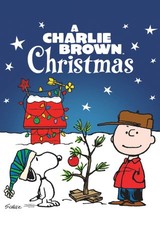

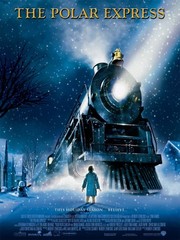
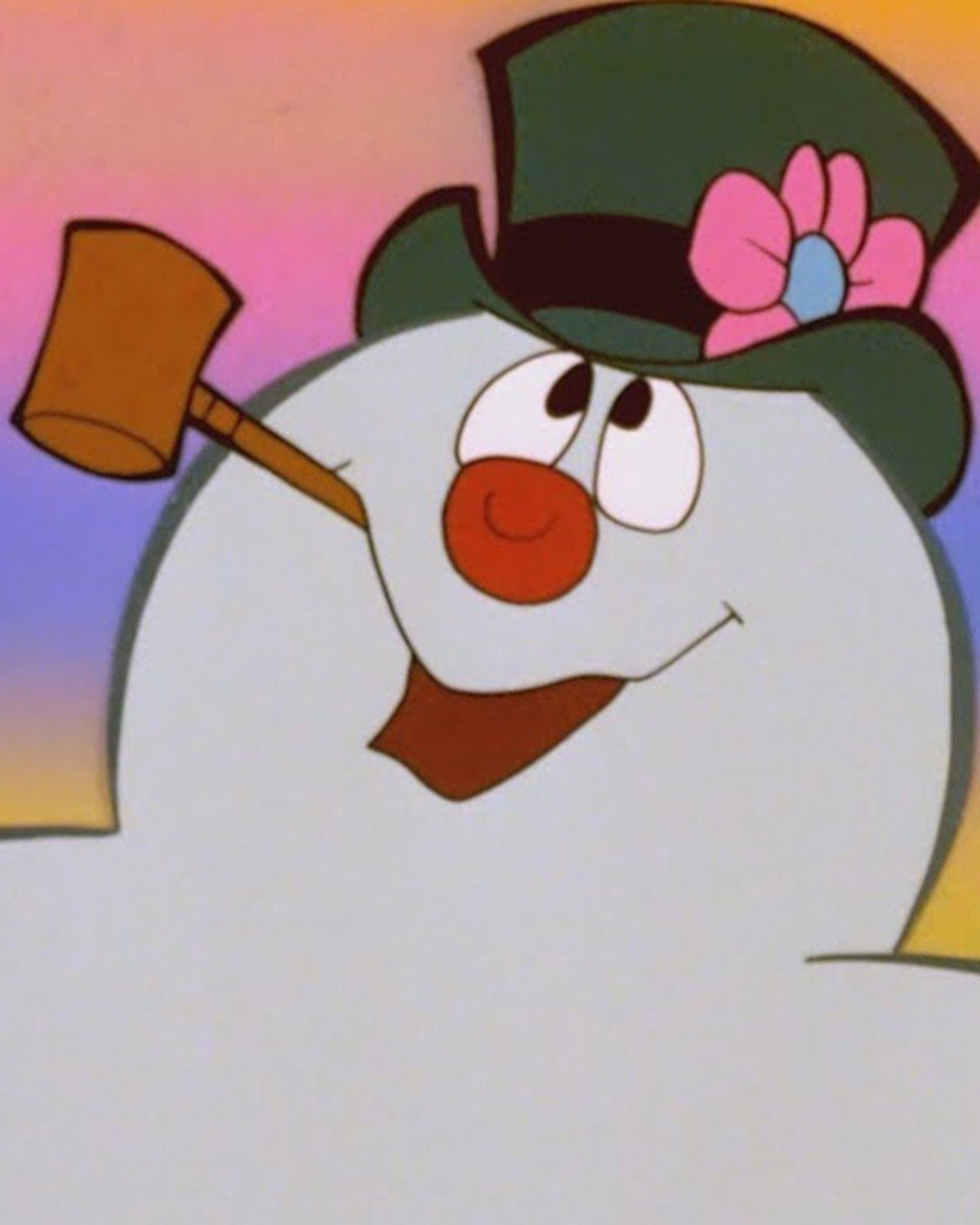

Did we miss any of your favourites? Use the comments to let us know other animated holiday cartoons that should be on the list.
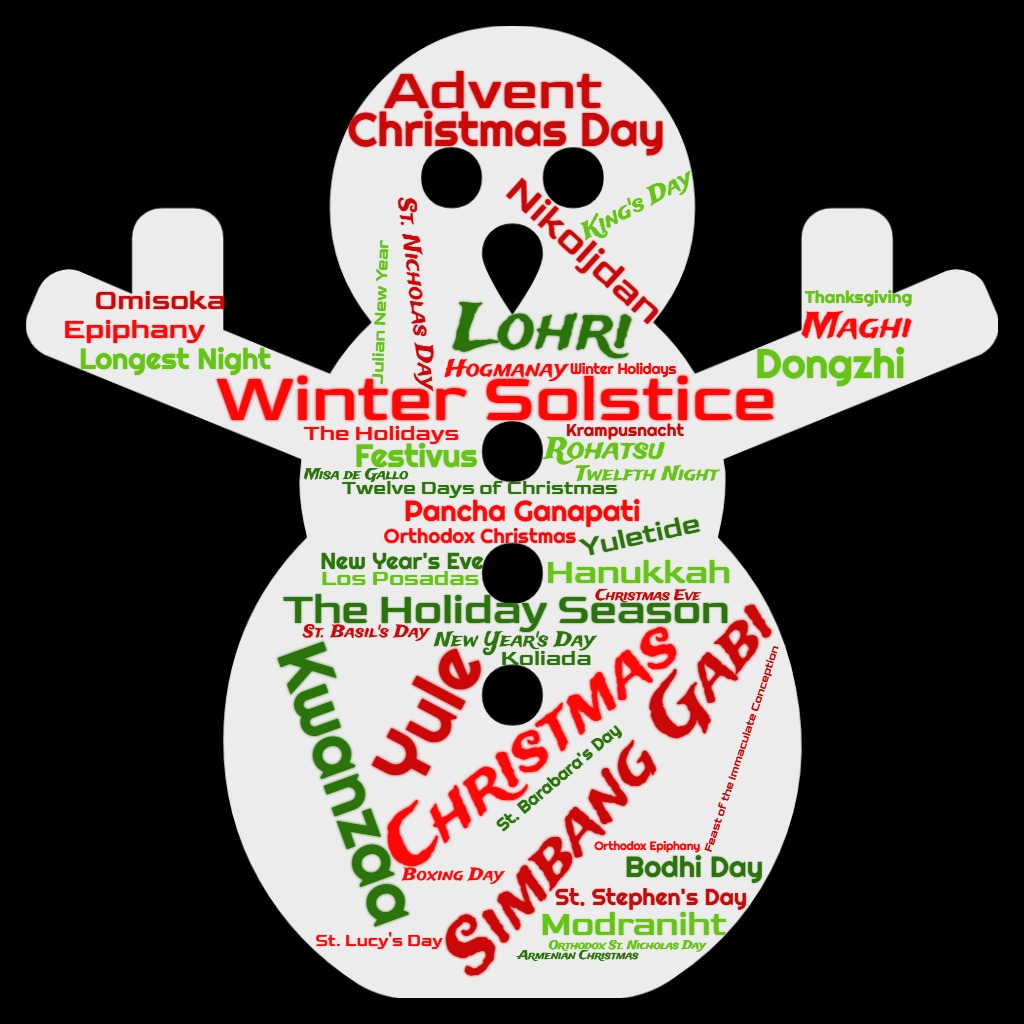
How many of these feasts and festivals at this special time of year can you identify?
Look for more information on these different celebrations over the next few weeks as we focus “Holidays and Holy Days” in December.
It goes by many different names. The Holidays. The Festive Season. Yuletide. Winter Holidays. The Christmas Season. Advent. The Holiday Season. While there is no official start or end, in North America it is generally considered to run from American Thanksgiving, through December, and into the New Year.
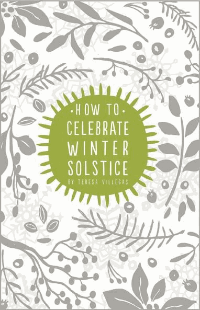
Traditionally this season of the year was dominated by observances based on the Winter Solstice. Many cultures around the northern hemisphere developed celebrations that emphasize the contrast of the cold and darkness of winter with the promise of new light and life in the coming year.
These themes are central to the holy days and festivals of many faiths today.

In North America and Europe during the Christian Era, the season focused on holy days and the rituals around the Nativity of Christ. Often the traditional winter solstice festivals of the Celts, Saxons, Vikings and others were taken over by these Christmas celebrations.
For some, the season is secular in nature, without religious emphasis. The Holiday Season is a time for celebrating with family and friends, giving gifts, reflecting on the past year and looking forward to the new.

For many the Holiday Season can be about all of the above, as we combine a variety of traditions and new practices from the delightful mix of cultures and peoples from around the world.
There many different and wonderful Holidays and Holy Days in the coming weeks. Christmas tends to dominate, but it is imporant to learn about other observances and festivals, such as Hanukkah, Kwanzaa, Rohatsu and many more.
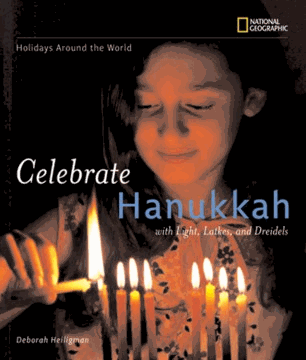
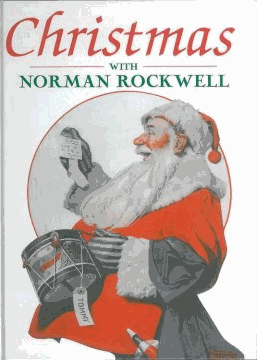
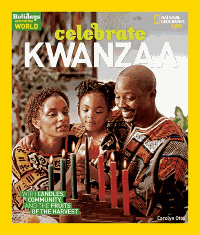
Join us in the School Library as we celebrate this “most wonderful time of the year.” Look for displays and other opportunities for learning about this season of “Holidays and Holy Days.”
Enjoy all that you and your family have brought to this holiday season. Perhaps in learning about other traditions and practices, you might find something new for you to enjoy at this time of year.
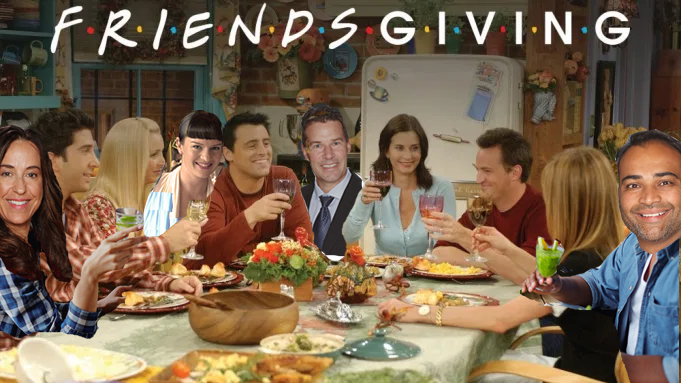
Happy Thanksgiving to all of our American family, friends and neighbours. These past few years have been especially troubling for Americans, and the world as a whole, yet all of us, Canadians and Americans alike, still have much for which to be grateful.
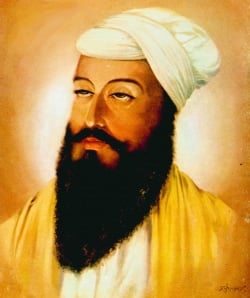
Sikhs in Canada, India and around the world observe this day in memory of the martyrdom of Guru Tegh Bahadur, the ninth of the ‘Ten Gurus’ of Sikhism.
Find out more:
 Lord Tweedsmuir Secondary School Library