Vote for your favourite book from 2022-2023’s Surrey Teens Read nominees. Go here to vote now
Come down to your School Library to check out some of these Graphic titles on display for Asian Heritage Month.

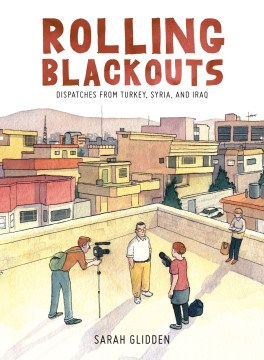
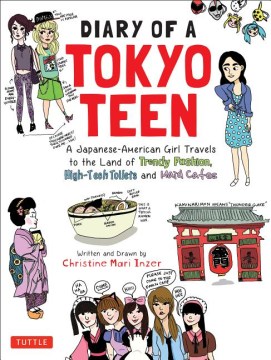


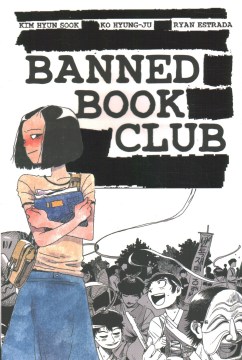
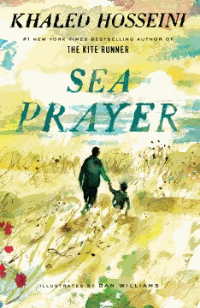


May is Asian Heritage Month in Canada.
It’s time to cast your ballot for the best book of this year’s nominees from Surrey Teens Read.
Come down to the School Library to vote in person, or go here to vote online

Find out more about Surrey Teens Read: surreyteensread.ca

On this date in 1986, in what is now the Ukraine, what was then part of the Soviet Union, the Chernobyl Disaster began. This was the world’s worst nuclear power plant accident, resulting in incredible environmental destruction, hundreds of lives lost in the immediate disaster, and untold thousands of humans deaths as long term consequences unfolded over the years.
Find out more:
International Atomic Energy Agency
Chernobyl: National Geographic
United Nations Chernobyl Disaster Remembrance
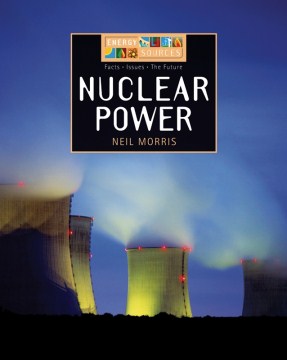


Is nuclear power a feasible alternative to fossil fuels? The contribution of the burning of fossil fuels to the crisis of climate change must be accounted for, but are the risks associated with nuclear power too great? Check out the websites and books listed above, and then look for more resources to dig deeper to find out where scientists stand on these issues. Get informed and be a positive part of the decisions that will affect our future.
April is Earth Month at your School Library. Visit us to find out more.
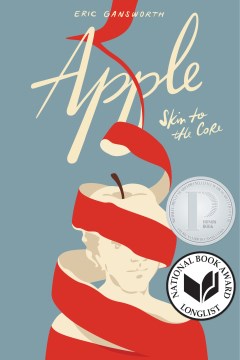
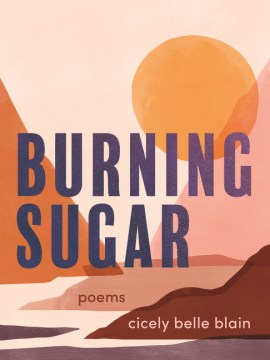
Come down to your School Library to check out some of these newer poetry titles.


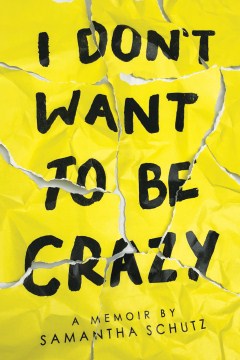

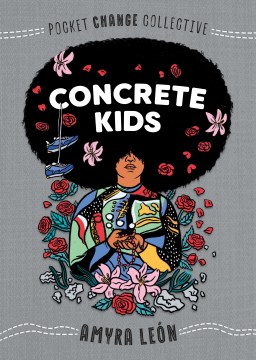
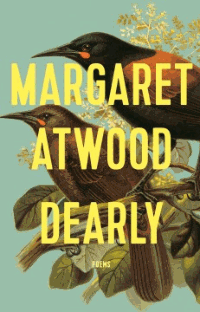
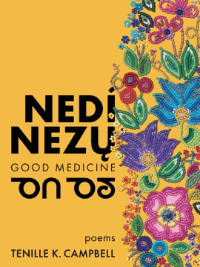





Surrey Teens Read has some amazing books to check out. Here is one of them, On the Hook.

Come down to your school library to have a look at all ten of this year’s Surrey Teen Read selections, including by Francisco X. Stork’s On the Hook.
Come down to your School Library to find out more about Earth Day and all the issues that we face in terms of protecting life on this planet.
If you are looking for a quick introduction to the scientific understanding of the issues of climate change, this is a great place to start: This is Climate Change: A Visual Guide to the Facts: See for Yourself How the Planet is Warming and What it Means for Us, by David Nelles & Christian Serrer.
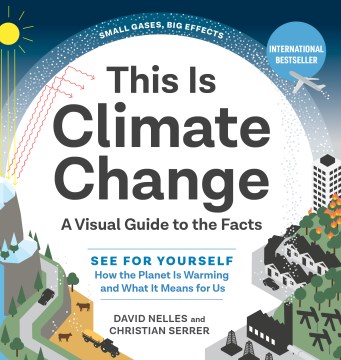
What they (the authors) were hoping to find was a book that explained the nuts and bolts of climate change and presented the scientific evidence in a way that was concise and enjoyable to read. After a long and fruitless search, they eventually gave up and instead decided to write it themselves.
“Who’s Behind the Book”, Nelles and Serrer, 128)
An excellent feature of the book is the comprehensive bibliography that can be reached by QR code or by using the given URL. Go here to see the Bibliography.
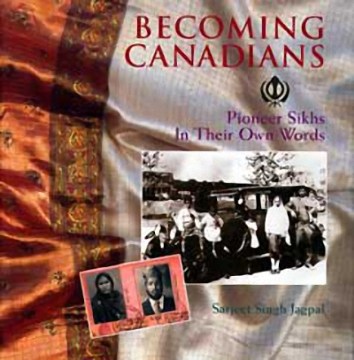
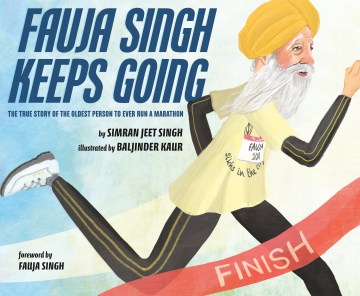
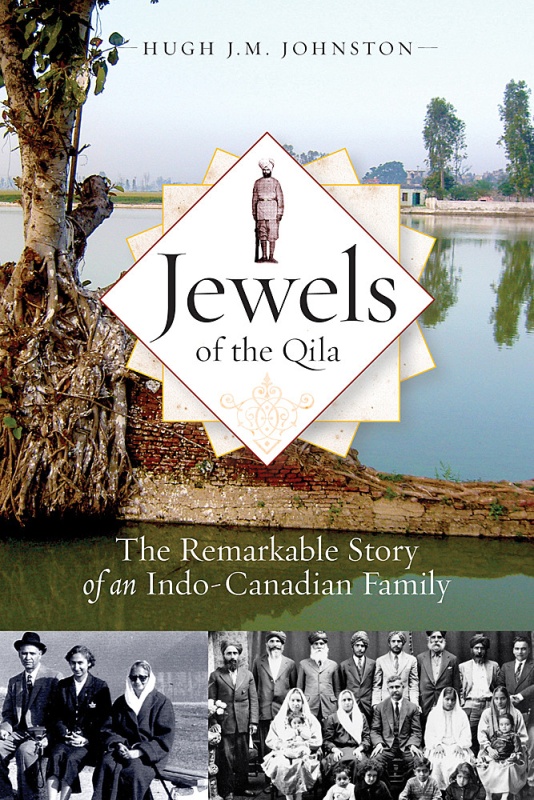
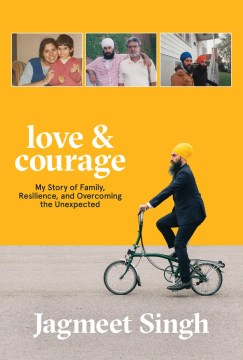
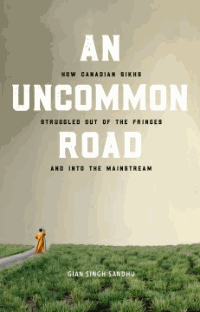
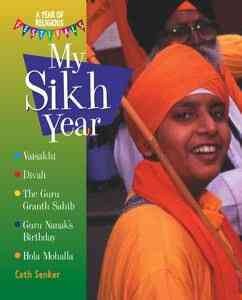
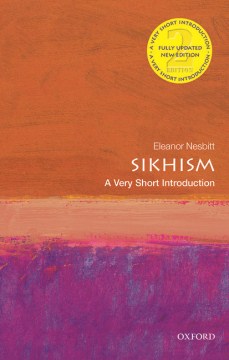
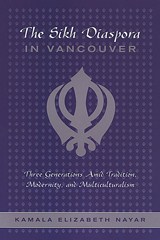
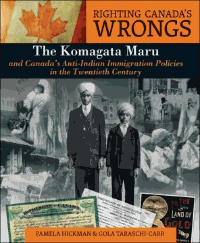
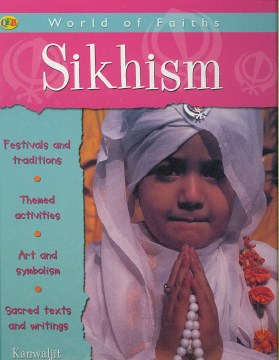
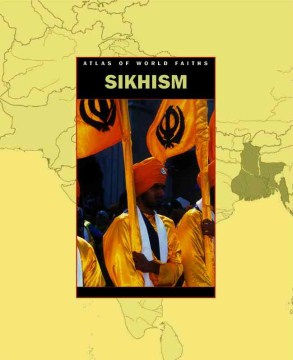
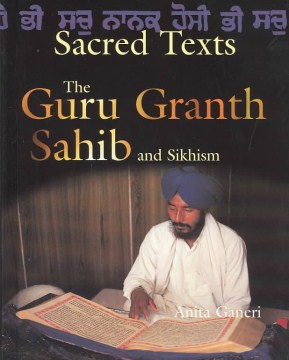
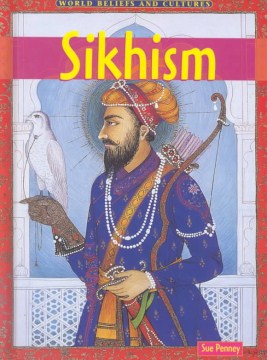
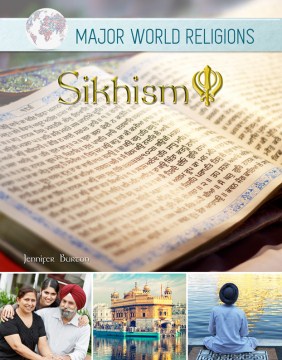
Come down to your School Library to check out some of these books on display for Sikh Heritage Month in Canada.














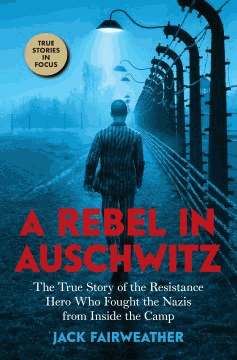
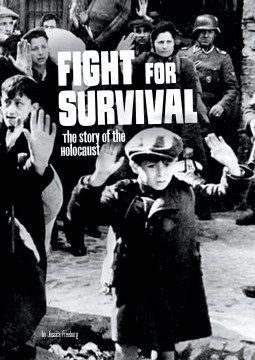
Yom HaShoah, or Holocaust Remembrance Day, is the day that Jews around the world remember the six million who perished in the Holocaust. In Israel it is a national day of observance known officially as Yom Hazikaron laShoah ve-laG’vurah, in English “Holocaust and Heroism Remembrance Day.” In addition to remembrance of the unspeakable horrors of the Holocaust, the day is also used to celebrate acts of resistance and heroism on the part of survivors and allies.
This year Yom HaShoah begins on the evening of April 17 and continues until sundown on April 18.
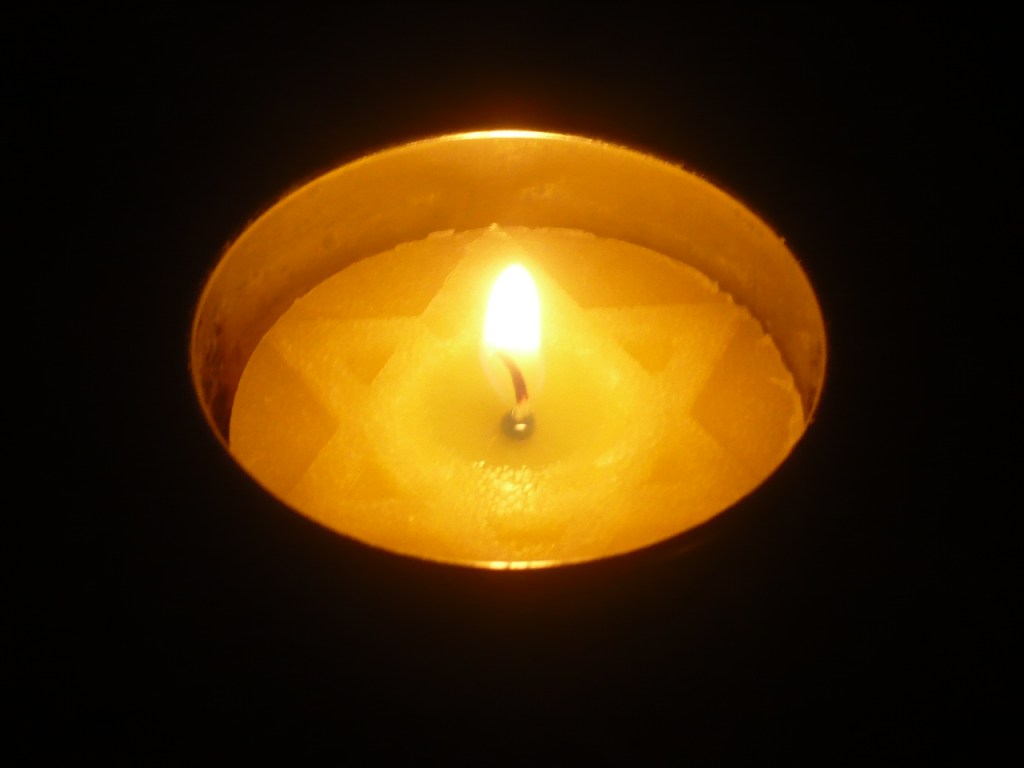
Find out more about the Holocaust, the systematic mass-murder of more than 6 million Jews, and other groups, targeted by the Nazis and their allies:
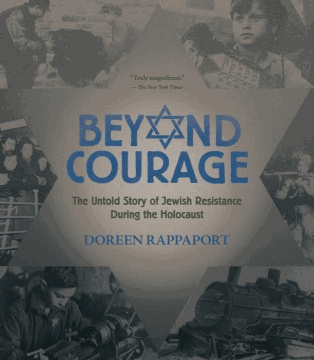
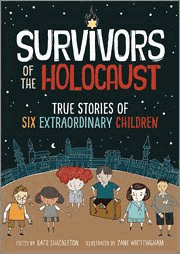
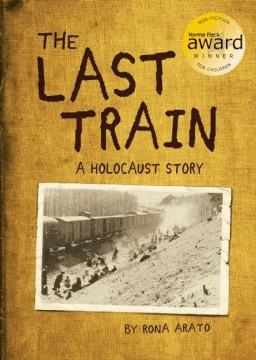
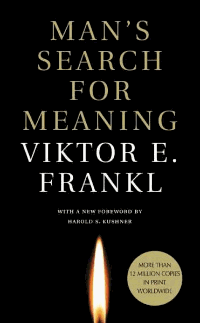


Surrey Teens Read always serves up great books for our students.
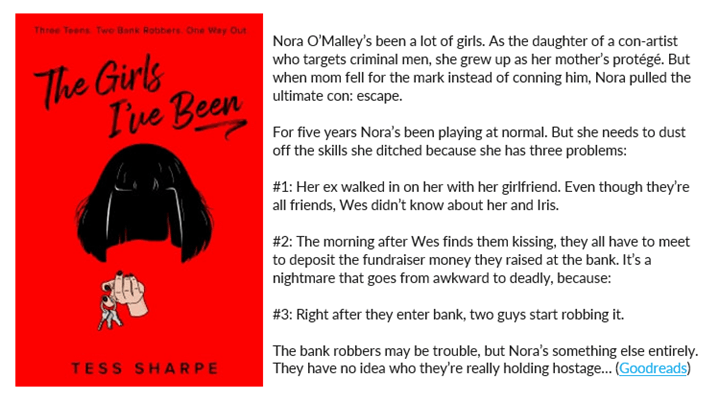
Come down to your school library to have a look at all ten of this year’s Surrey Teen Read selections, including Kyrie McCauley’s We Can Be Heroes.
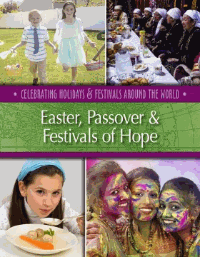
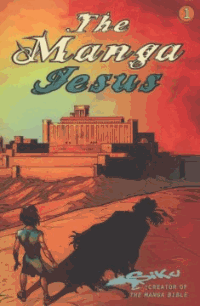
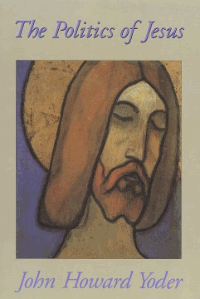
Jesus of Nazareth, the central figure of Christianity, was a Jew living in 1st Century Palestine. Jesus taught many things that challenged the religious and political power of the day. Eventually he was captured and executed. Good Friday commemorates the Crucifixion, the horrific method of execution used by the Romans, who hung him on a cross until he was dead.

The followers of Jesus believed that he rose again on the following Sunday. The believers began to share their faith throughout the Roman world. Easter, like many pagan festivals of the Romans, became a Christian holiday celebrating the Resurrection.
While Christmas is a much bigger holiday in terms of secular, commercial and cultural impact, many Christians feel that Good Friday and Easter Sunday are more integral to their faith.
Find out more:
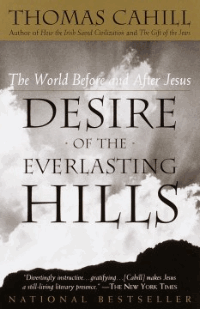


Thomas Cahill, an American scholar and writer, was born on this day in 1940. Cahill was known for his “Hinges of History” series, including the much celebrated book, How the Irish Saved Civilization. Cahill died in 2022.
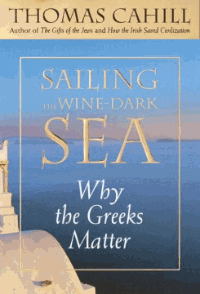


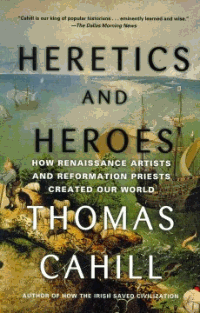

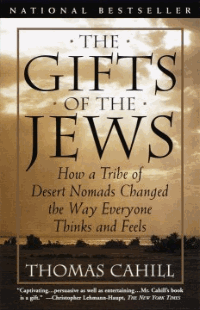
Find out more:
 Lord Tweedsmuir Secondary School Library