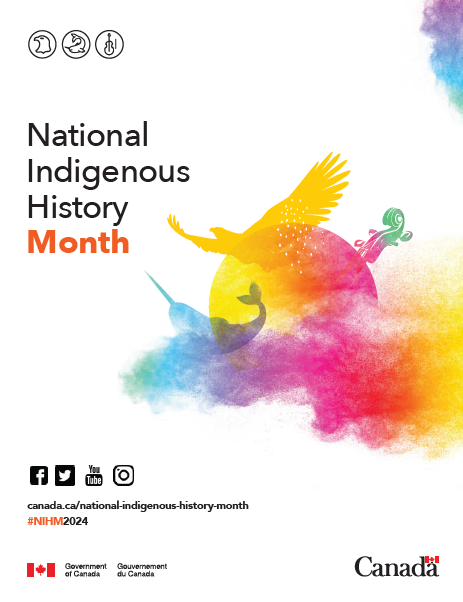
June is National Indigenous History Month in Canada. Join us in your School Library as we learn more about the history of the Indigenous People of Canada, including the First Nations, Metis and Inuit.
Find out more:
June is National Indigenous History Month in Canada. Join us in your School Library as we learn more about the history of the Indigenous People of Canada, including the First Nations, Metis and Inuit.
Find out more:
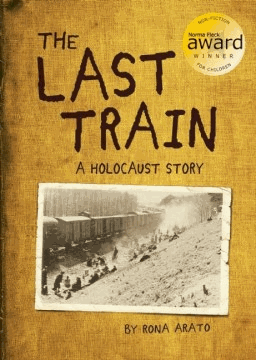
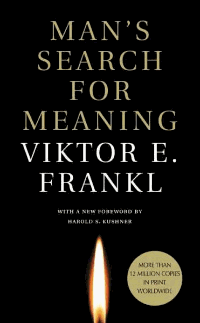
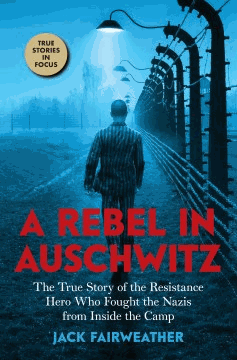
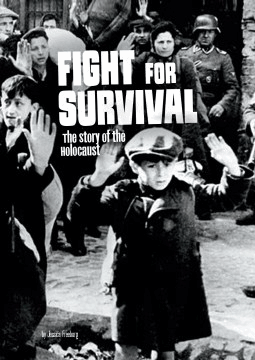
Yom HaShoah, or Holocaust Remembrance Day, is the day that Jews around the world remember the six million who perished in the Holocaust. In Israel it is a national day of observance known officially as Yom Hazikaron laShoah ve-laG’vurah, in English “Holocaust and Heroism Remembrance Day.” In addition to remembrance of the unspeakable horrors of the Holocaust, the day is also used to celebrate acts of resistance and heroism on the part of survivors and allies.
This year Yom HaShoah begins on the evening of May 5 and continues until sundown on May 6.
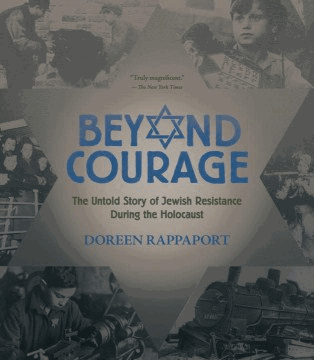
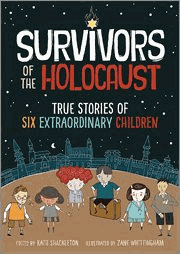
Find out more about the Holocaust, the systematic mass-murder of more than 6 million Jews, and other groups, targeted by the Nazis and their allies:


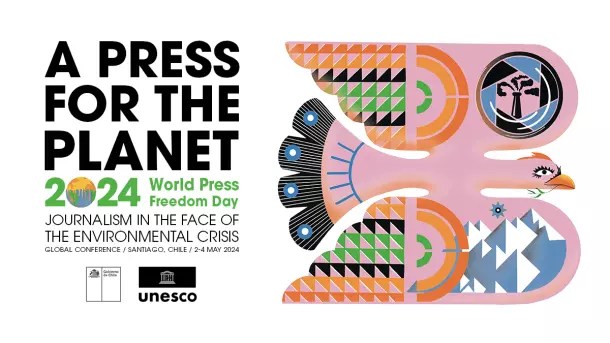
May 3rd is World Press Freedom Day, as established by UNESCO / United Nations. The freedom of the press is essential to the establishment and health of democracy. In our world of social media, misinformation, disinformation, fake news and conspiracy theories, more than ever we need a free, independent, professional and ethical press.
Find out more:
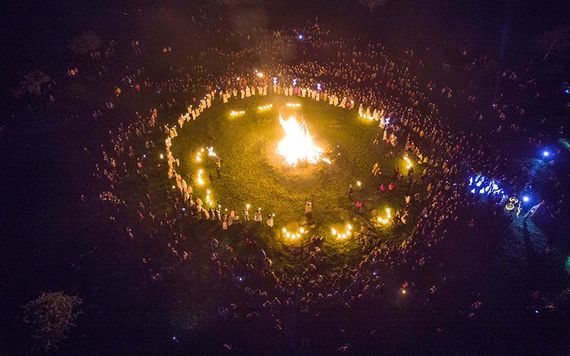
Beltane is the ancient Celtic festival marking the beginning of summer. Bealtaine, (or various other spellings) is old Irish for “bright fire” or “mouth of fire.” On Beltane great bonfires may be lit, so it also known as the Fire Festival. Beltane is celebrated on the evening of April 30 into the day of May 1st. Beltane is celebrated in Ireland, Scotland and in other places where people have tried to revive Celtic festivals and observances. Remnants of Beltane traditions can be seen in many May Day festivals, including parts of Canada, such as Newfoundland.
Find out more:
RTE (Irish Radio & Television)



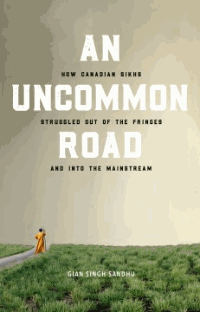
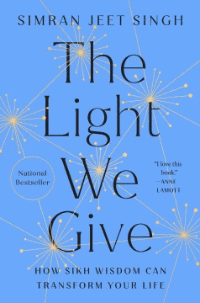
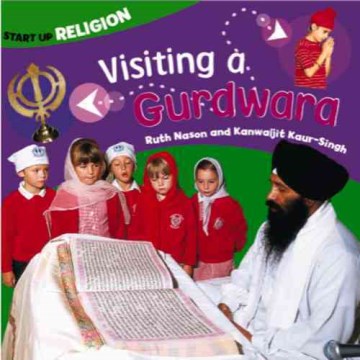
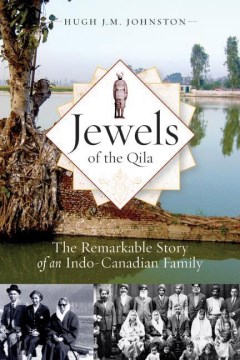
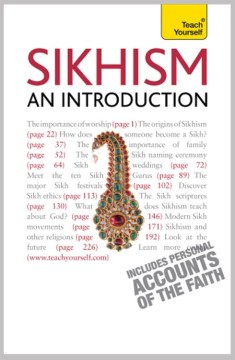
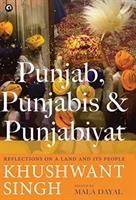
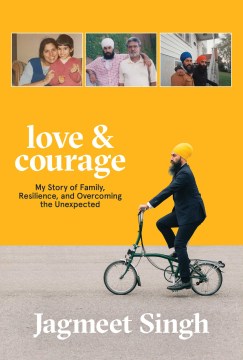
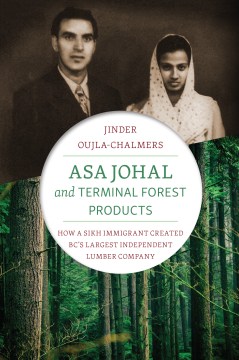
Come down to the School Library to find out more about Sikhs, Sikhism, and the history and ongoing contributions of Sikhs in Canada.







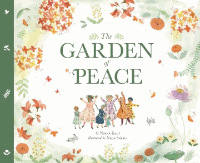

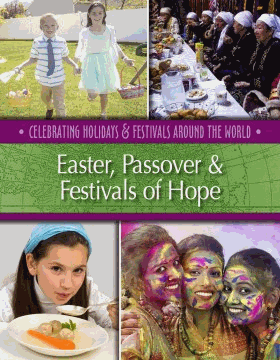
During Pesach, or Passover, Jews in Canada and around the world commemorate how God delivered the Hebrews from slavery in Egypt. The Seder is a feast that takes place on the first night of Pesach. Passover is one of the most important festivals on the Jewish calendar. In 2024 Passover takes place from sundown on April 22 to April 30.

Find out more:


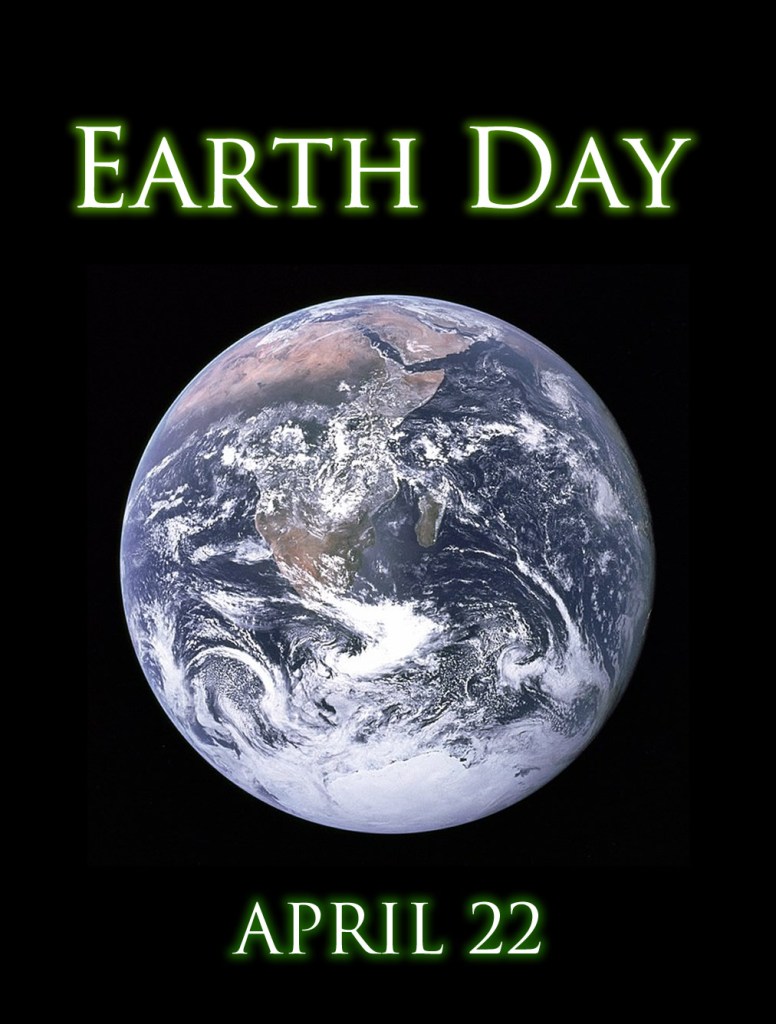
This is the only Earth we’ve got. This is the only planet we’ve got. This is the only home we’ve got. We need to protect our home, right now.
Come down to check out some of our newest poetry titles.


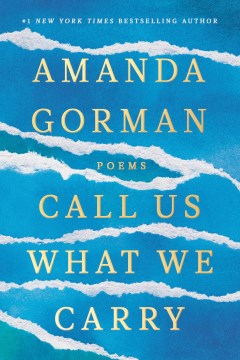
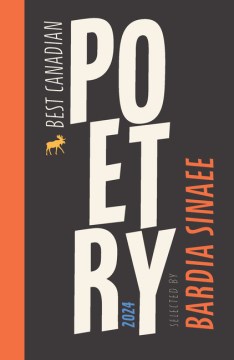


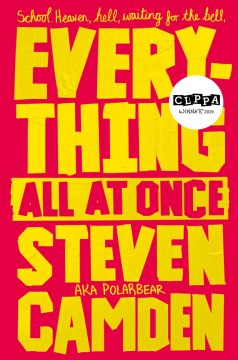
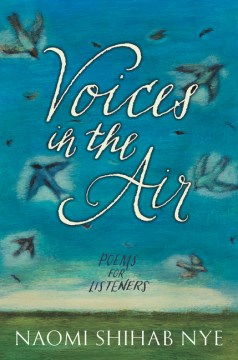
April is Poetry Month in Canada
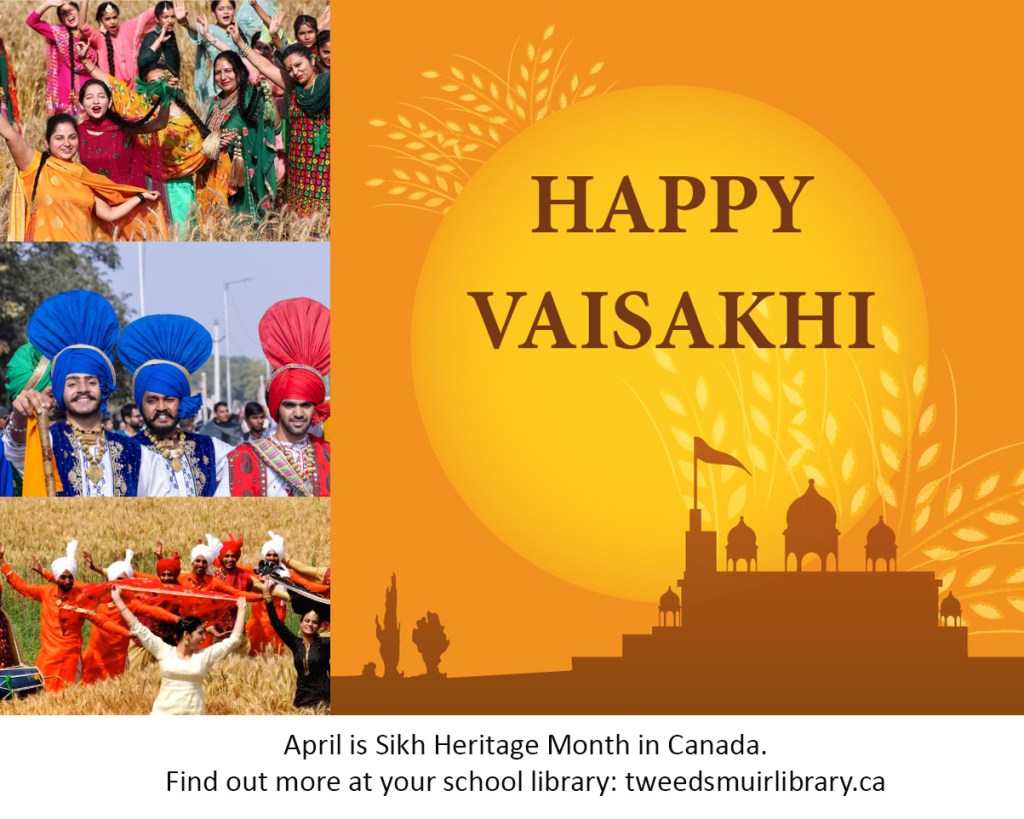
April 13 is Vaisakhi. Vaisakhi is a major festival on the Sikh calendar, and one of the most important days of the year. Sikhs in Canada, India, and around the world will celebrate the founding of the Khalsa, or the worldwide body of Sikhs, as established by Guru Gobind Singh in 1699. Sometimes Vaisakhi is referred to as Khalsa Day.

Vaisakhi, or Baisakhi, was traditionally a spring harvest festival, and for some, a New Year’s Day. All across northern India, particularly in the Punjab, many different groups will celebrate Vaisakhi for these various reasons, including Hindus and other non-Sikhs. Vaisakhi is traditionally observed on April 13 or 14, but may be celebrated on different days in different places. Vancouver will hold its Vaisakhi Parade on April 13, while Surrey will hold its parade, one of the largest in the world, on April 20.
The overwhelming majority of Indo-Canadians (people of South Asian origin) in our school and in our neighbourhoods are Sikhs. As such, Vaisakhi is a major holiday here in Surrey and other cities in British Columbia with concentrated populations of Sikhs, such as Vancouver and Abbotsford.

Join with us in your School Library as we celebrate Sikh Heritage Month by learning more about Vaisakhi and other aspects of Sikh culture and history.
Find out more:
Eid Mubarak! As Ramadan comes to an end, Muslims in Canada and around the world celebrate Eid al-Fitr. Observant Muslims spent the holy month of Ramadan fasting during daylight hours, and with the arrival of Eid, feasting can begin. Eid al-Fitr, also known as the Festival of the Breaking of the Fast, Id-al-Fitr, or Sweet Eid, is a Muslim festival that is practiced in different ways around the world. Eid may be one day or it can last for three days. The official start of Eid may vary in different places around the world, depending on the sighting of the crescent moon to end the month. Ramadan may end on the evening of April 9 or 10 in 2024, according to the Gregrorian Calendar.
Find out more:
Pluralism Project (Harvard University)

Come down to your School Library to join us as we celebrate Poetry Month in Canada this April.

 Lord Tweedsmuir Secondary School Library