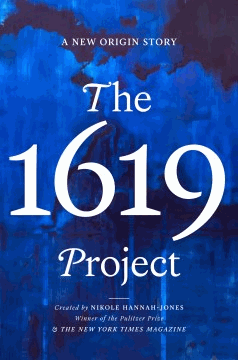
1619


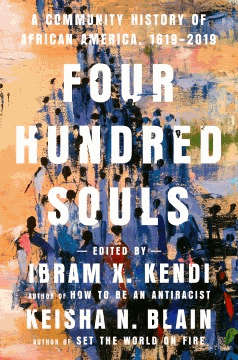
“The animating idea of The 1619 Project is that our national narrative is more accurately told if we begin not on July 4, 1776, but in late August of 1619, when a ship arrived in Jamestown bearing a cargo of twenty to thirty enslaved people from Africa. Their arrival inaugurated a barbaric and unprecedented system of chattel slavery that would last for the next 250 years. This is sometimes referred to as the country’s original sin, but it is more than that: It is the country’s very origin. The 1619 Project tells this new origin story, placing the consequences of slavery and the contributions of Black Americans at the center of the story we tell ourselves about who we are as a country. Orchestrated by the editors of The New York Times Magazine, led by MacArthur “genius” and Pulitzer Prize-winning journalist Nikole Hannah-Jones, this collection of essays and historical vignettes includes some of the most outstanding journalists, thinkers, and scholars of American history and culture-including Linda Villarosa, Jamelle Bouie, Jeneen Interlandi, Matthew Desmond, Wesley Morris, and Bryan Stevenson. Together, their work shows how the tendrils of 1619-of slavery and resistance to slavery-reach into every part of our contemporary culture, from voting, housing and healthcare, to the way we sing and dance, the way we tell stories, and the way we worship. Interstitial works of flash fiction and poetry bring the history to life through the imaginative interpretations of some of our greatest writers. The 1619 Project ultimately sends a very strong message: We must have a clear vision of this history if we are to understand our present dilemmas. Only by reckoning with this difficult history and trying as hard as we can to undersand its powerful influence on our present, can we prepare ourselves for a more just future” (source: TitlePeek)

Find out more:

The New York Times: 1619 Project

New York Time Magazine (Full Text PDF)

1619 in Destiny Discover

Black Strathcona


Check out this amazing site: blackstrathcona.com.


Subtitled “One Community, Six Decades, 10 Stories,” this interactive site invites you on a virtual tour of this neighbourhood that was a hub for Black people in Vancouver through most of the 20th Century. You can also visit the area and do an interactive walking tour.


Stratchona 1935
(source: Black Strathcona)
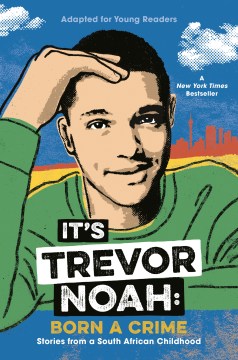
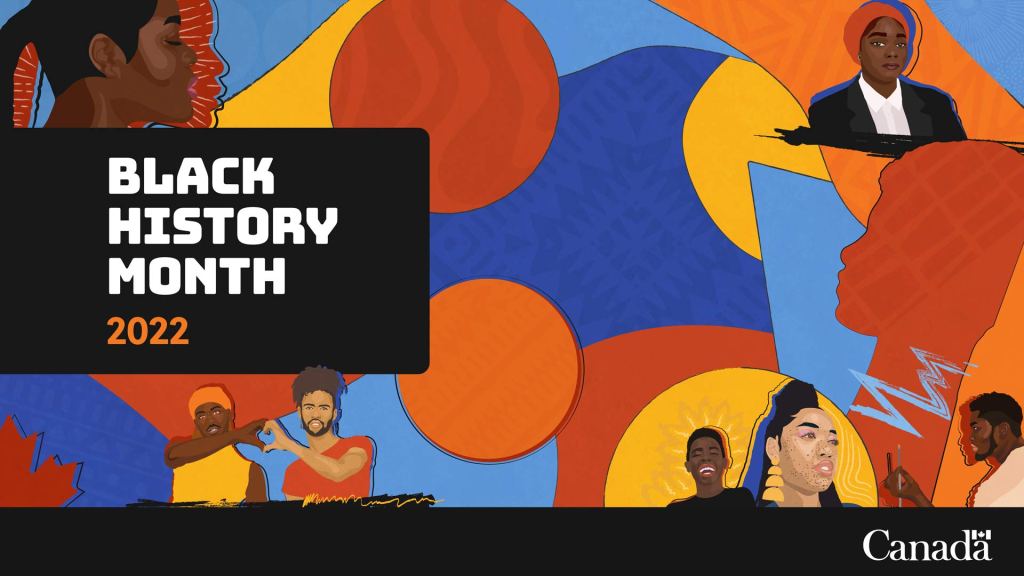
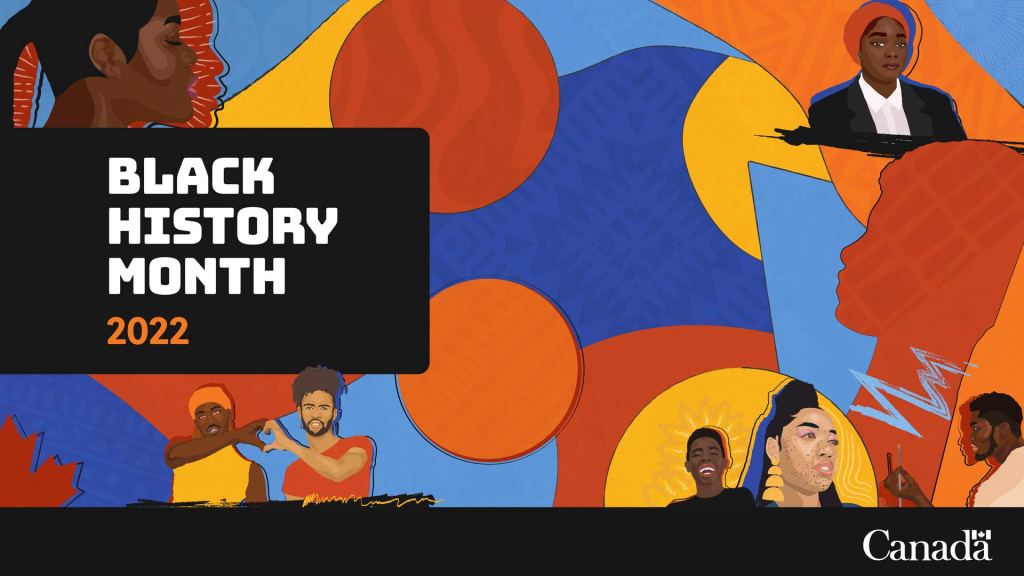
February is Black History Month. Join us in your School Library, in person, or online, and we celebrate and learn more about Black Canadians and other people of the African Diaspora. Remember, Black History is Canadian History. It is for all Canadians.

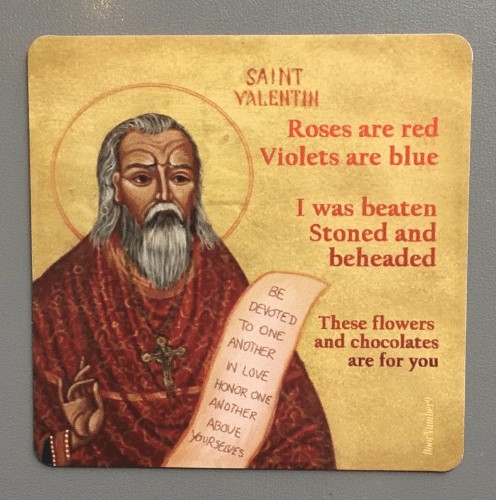
Speaking Truth to Power: Valentine’s Day

Source: loveforquotes.com

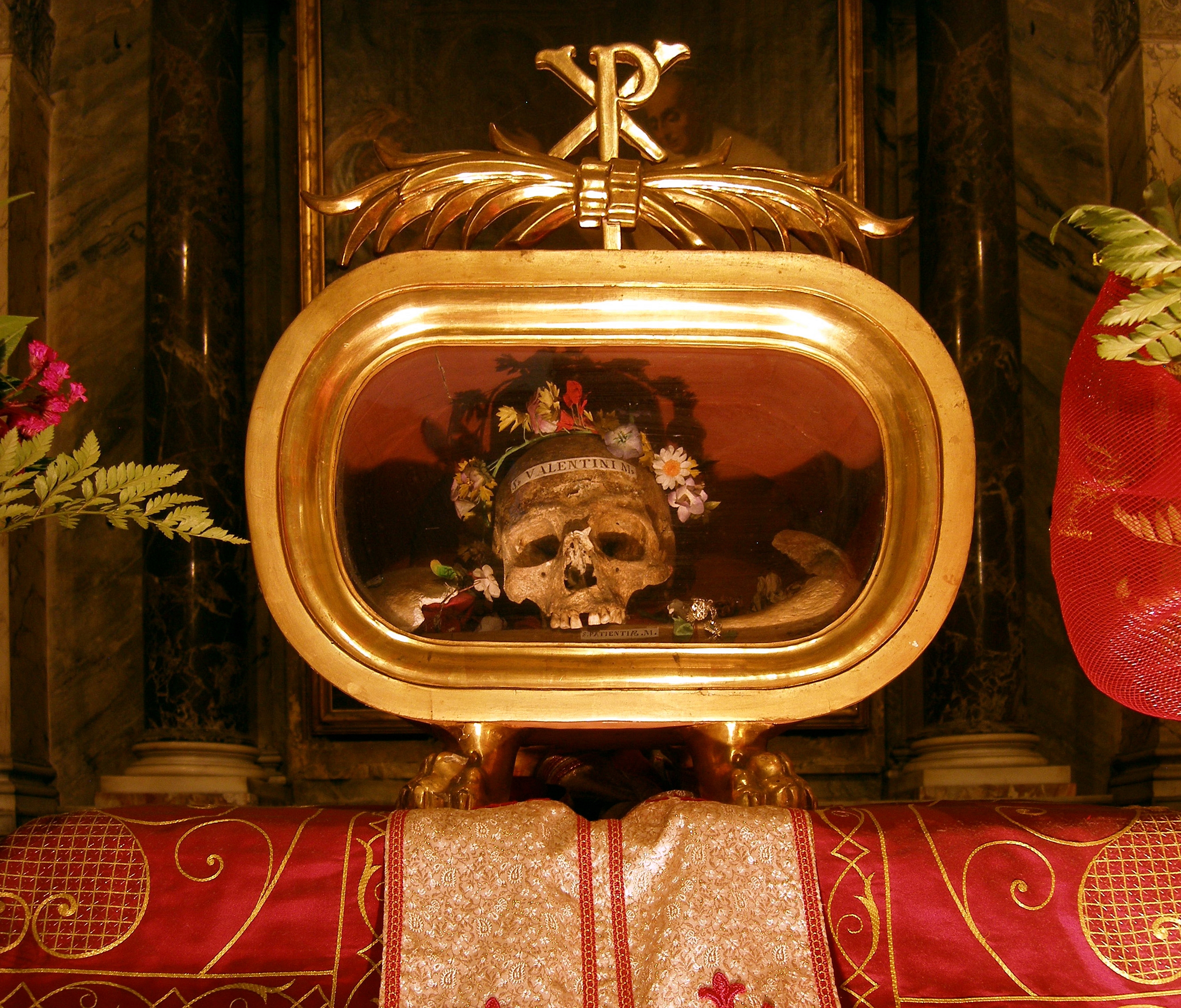
Although much about the historical Saint Valentine is sketchy and obscure, it is traditionally believed that in the 3rd Century, Valentine, a Christian priest, was arrested by forces of the Roman Emperor. He was martyred for his faith and his defiance of Empire. Happy Saint Valentine’s Day


Relic of St. Valentine
source: wikimedia / CC BY-SA 3.0 AT

Find out more:


Coming Soon: Freedom to Read Week


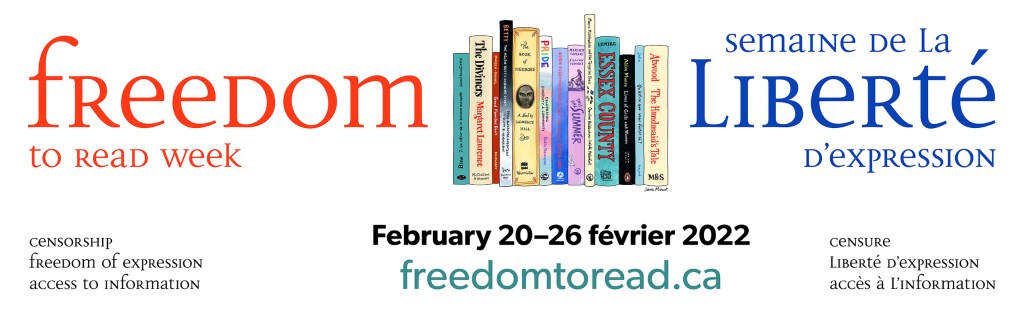
February 20-26 is Freedom to Read Week in Canada.

While this is always an important week on the calendar, this year it seems more vital than ever that we understand and celebrate our freedom to read. South of the border books are being banned at an alarming rate. Throughout the world, the freedom of journalists continues to be threatened. As authoritarian and fascist movements rise around the globe, they attack such things as libraries, a free press, and other cornerstones of democracy and human rights.


Look for more to come on this vital topic, as we prepare for Freedom to Read Week.

Black History Month: Canadians


February is Black History Month in Canada. Check out this “Sporcle” on some notable Black Canadians.

GO HERE for the quiz on Sporcle!

Read about these Canadians and and so much more as your School Library celebrates Black History Month. Come down to see what we have on display and on our shelves.

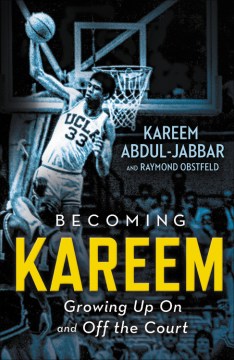
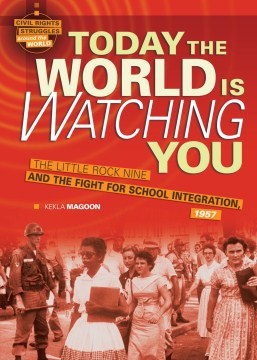
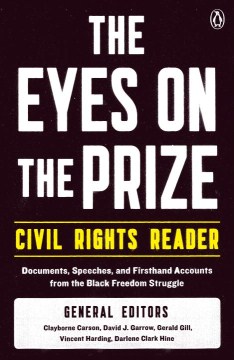
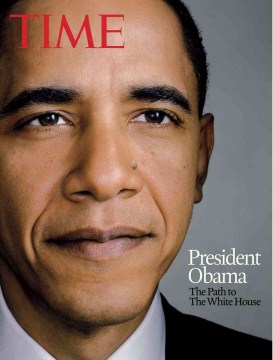
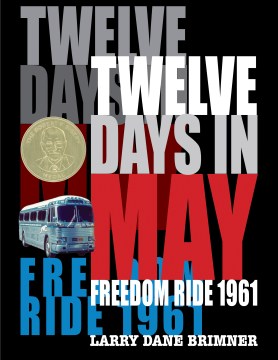
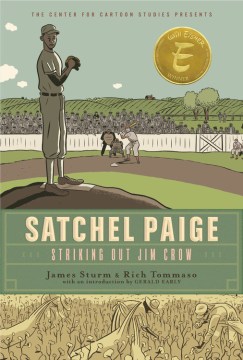
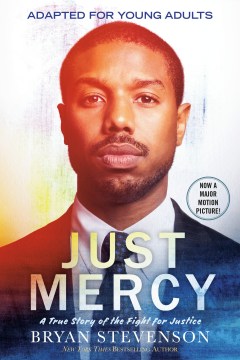
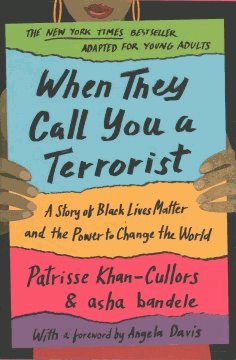
Books for Black History Month


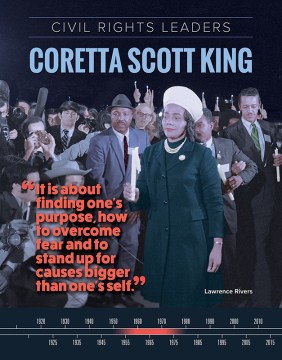
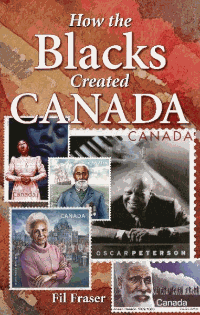
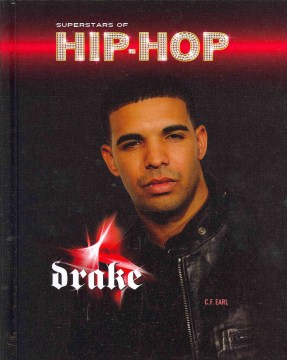
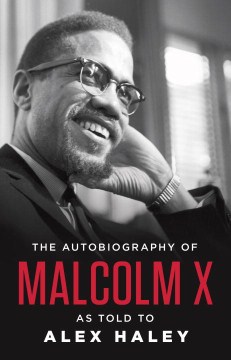
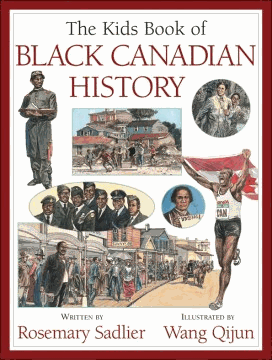
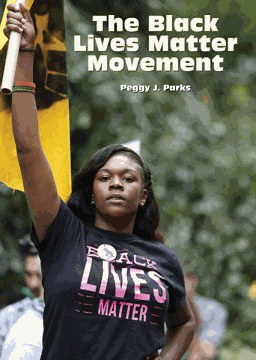
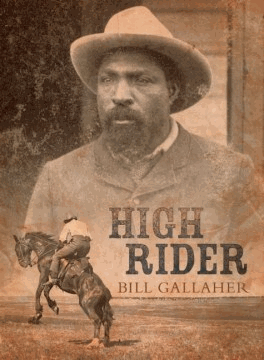
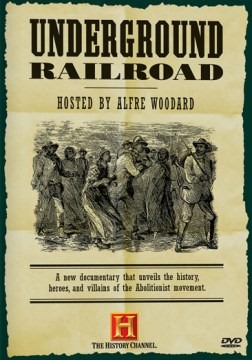
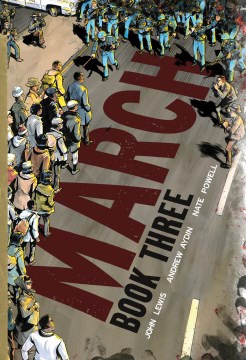
Here is just a small sample of books that we have to help you learn more about Black Canadians, African-Americans, and other people in the African Diaspora, as we observe and celebrate Black History Month.

Black History Month


February is Black History Month. Join us in the School Library as we explore, acknowledge and celebrate Black History, with an emphasis on the experience of Canadians of African descent, African-Americans, and other peoples in the world-wide African diaspora.

Come down to see featured displays of books and other library materials for Black History Month. And throughout February, look here for more online content, including more about Black Canadians such as Fergie Jenkins, Rosemary Brown, Willie O’Ree, Michaëlle Jean, Lincoln Alexander, Viola Davis Desmond, and Drake.

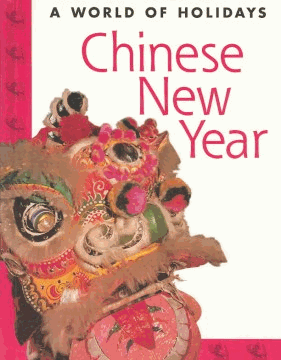
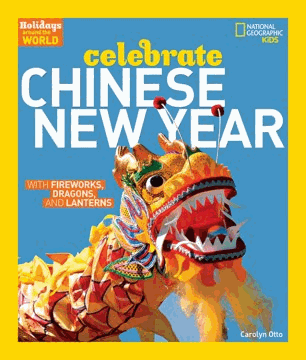
Lunar New Year

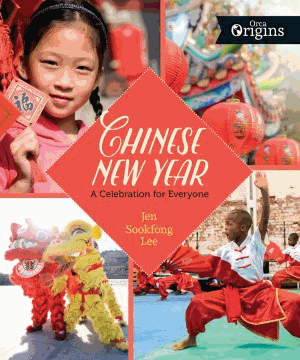
The Lunar New Year is observed on February 1, and multiday, even multiweek festivals have begun, many on the weekend. The celebrations around this event include many different local practices and are known by many names around the world, including the Spring Festival; the Lantern Festival; Tet (Vietnam); Seollal (Korea); Koshogatsu or “Little New Year” (Japan). In North America it is often called Chinese New Year, although the Chinese themselves are more likely to refer to it as the Spring Festival. Moreover, the term “Lunar New Year” is more reflective of the multi-ethnic and multicultural nature of the celebrations. In Canada this is especially important, as many Canadians trace their roots to many different parts of the world, including China, but also to many other places in East Asia such as Korea, the Philippines, Vietnam and Japan.

Today and over the coming days and even weeks people in Canada will join with people around the world to celebrate the new year and look forward to the Year of the Tiger.


The lunar calendar, based on the cycles of the moon, does not match up with the solar calendar, based on the orbit of the earth around the sun. Therefore holidays based on the lunar calendar will change dates from year to year on the Gregorian Calendar, the solar calendar most commonly used by Canadians and people around the world for most scheduling related to business, politics and science, if not cultural and religious observances.

Find out more about Lunar New Year:

LunarFest Vancouver

Here’s where to ring in the Lunar New Year around Vancouver in 2022

Korean New Year

Chinese New Year

Tet

What is Lunar New Year?

Year of the Tiger at Dr. Sun Yat-Sen Classical Chinese Garden

Chinese New Year Traditions

Lunar New Year


International Holocaust Remembrance Day

January 27 is International Holocaust Remembrance Day. Join with us as we take this day to remember the many millions who died during the Holocaust, to learn more about what happened, and resolve to fight against anti-Semitism, racism and other forms of hate and violent oppression.

The term “Holocaust” refers to the period in history in which the Nazi regime of Germany murdered over 6 million Jews, as well as millions of other victims, including Roma, homosexuals, people with physical and mental disabilities, and more. The Nazi persecution of the Jews began in the early 1930’s and reached its most horrific and brutal peak during the period of 1941-1945, as the Nazis adopted as official policy the “Final Solution,” the attempt at completely annihilating the entire Jewish population.

Holocaust RemembranceSource: CC / Sienda
Source: CC / Sienda

The Holocaust is not the only example of genocide in human history. What makes the Holocaust stand out amongst the long and plentiful list of human atrocities and evil?  Germany was amongst the most powerful nations of the world and a leader in science, technology, medicine and engineering.  The German contributions to art, music, literature and philosophy put German culture at the heart of what we would call Western Civilization. And yet this supposedly civilized people turned their great achievements and progress towards planning and carrying out ruthless genocidal murder with scientific and economic efficiency.

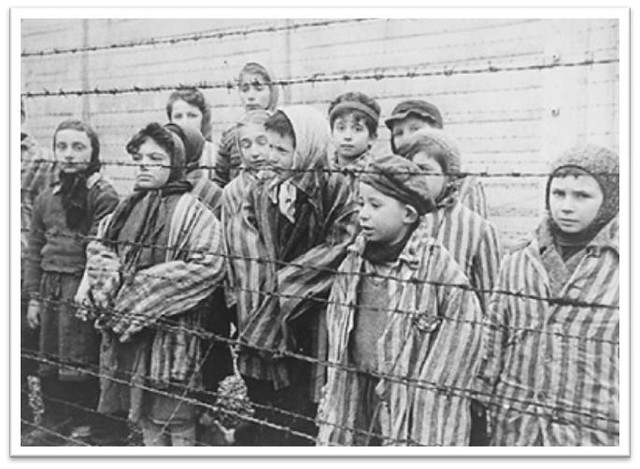
Children selected for extermination
source: wikimedia commons / public domain

The date of January 27 was chosen for this solemn observance as the death camp of Auschwitz-Birkenau was liberated on January 27, 1945.

Auschwitz Death Camp
source: Diego Delso, Wikimedia Commons, License CC-BY-SA 3.0

For more on the Holocaust:

Yad Veshem

US Holocaust Memorial Museum

Jewish Virtual Library

Vancouver Holocaust Education Centre

United Nations / UNESCO

Lincoln Alexander Day


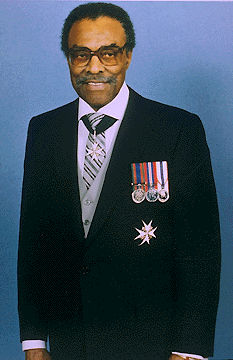
Lincoln Alexander was born on this day in 1922 in Toronto. Mr. Alexander was the son of immigrants from Jamaica and St. Vincent and the Grenadines. He would grow up in Toronto, serve in the RCAF during World War Two, earn degrees from McMaster University and York University, and eventually go on to practice law. In the 1960’s he entered politics, and in 1968 was elected to the House of Commons, the first Black Canadian to become a Member of Parliament. He would later become the first Black Canadian to become a Cabinet Minister, serving in the brief Joe Clark government of 1979. In 1985 Lincoln Alexander became the Lt. Governor of Ontario, a post he held until 1991, again the first Black Canadian to hold a vice-regal position. Mr. Alexander died in 2012. In 2015 the government of Canada established January 21 as Lincoln Alexander Day.

Find out more:

The Canadian Encyclopedia

Parliament of Canada

Province of Ontario

Lt. Governors of Ontario

CBC.ca