Bodhi Day

Rohatsu/ Laba/ Bodhi Day: December 8
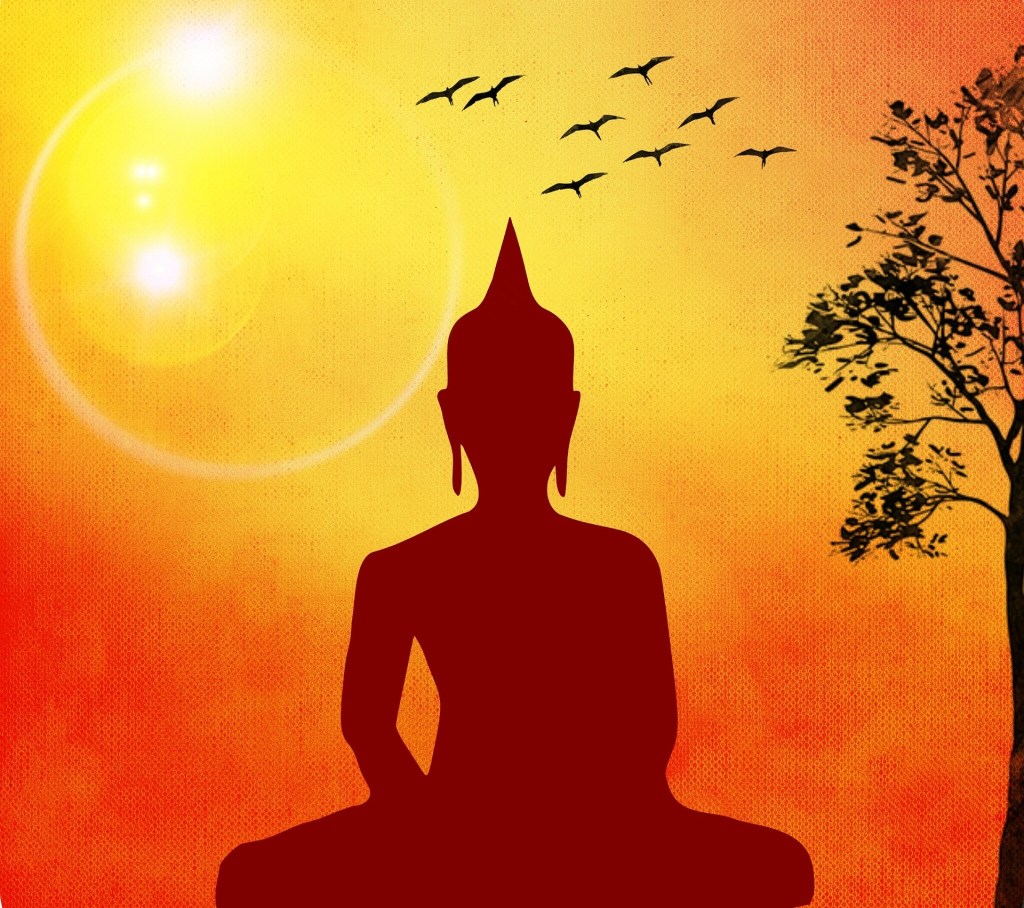


Rohatsu, Laba and Bodhi Day are all different names for the celebration of the Enlightenment of the the Buddha.

In much of the world is is known as Bodhi Day. In China it is known as the festival of Laba, while in Japan it is known as Rohatsu.

The religion known as Buddhism dates back to the 6th or 5th Century BCE, when the Indian Prince Siddhartha Gautama became the “Buddha,” literally, “the Enlightened One.” The followers of the Mahayana branch of Buddhism observe Rohatsu, Laba, or Bodhi Day, in celebration of the day that the Buddha sat below the Bodhi Tree and meditated on the meaning of life. 

The Great Buddha at  Kōtoku-in, Kamakura, Japan
source: Wikimedia Commons; Bgabel at wikivoyage shared, CC BY-SA 3.0

This day is celebrated mainly by the Buddhists of northern and eastern Asia, and in countries to which those people have immigrated (such as Canada). To many this holiday is known as Bodhi Day and it occurs on the 8th day of the 12th month of the lunar year. With the Japanese adoption of the western calendar (Gregorian) Rohatsu is fixed on December 8th.

For more on Rohutsu and the life of the Buddha:

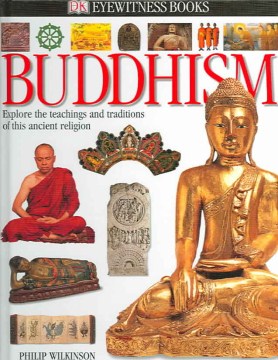
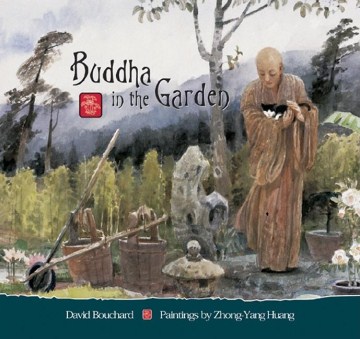
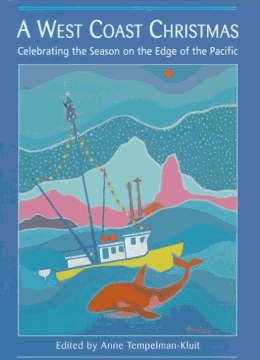
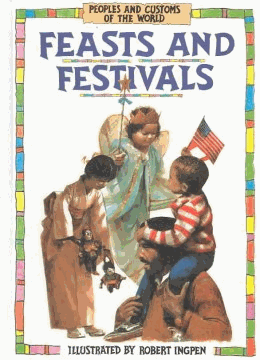
and these books in your School Library:

St. Nicholas Day


December 6 is St. Nicholas Day, celebrated in Europe, and many places around the world by people of European heritage, including some Canadians. For many, the tradition of gift giving that is usually associated with Christmas Day, or perhaps Christmas Eve, in North America, is instead part of St. Nicholas Day. In many places children go to bed with the expectation that they will wake up to gifts from St. Nicholas, perhaps even money or treats placed in their shoes, left out for him the night before.

source: wikimedia commons

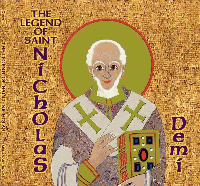
Nicholas lived in the 3rd and 4th Centuries CE (AD). He lived in what is now known as Turkey, but what was then a Greek area of the Roman Empire. What is factual about his life, and what is is myth, isn’t certain. Nicholas was associated with generosity and charity, especially for the poor and for children.

Nicholas became a Bishop in the early Christian Church. He was persecuted and imprisoned by the Roman Emperor, and after he died was eventually identified as a Saint. In the years since his legend has grown, and morphed into various forms. In modern times the figure of St. Nicholas has grown to be known by various guises and names, including Sinterklaas, Kris Kringle, Father Christmas, Pere Noel, and Santa Claus.

Find out more:

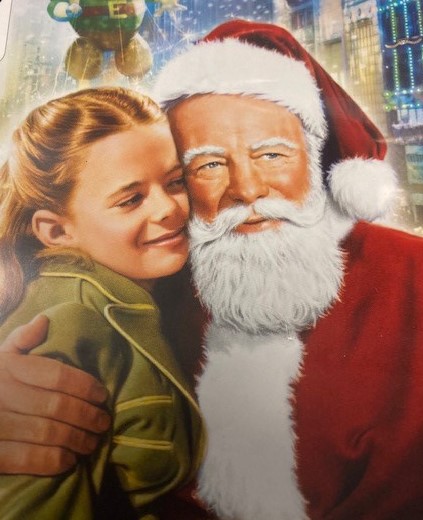
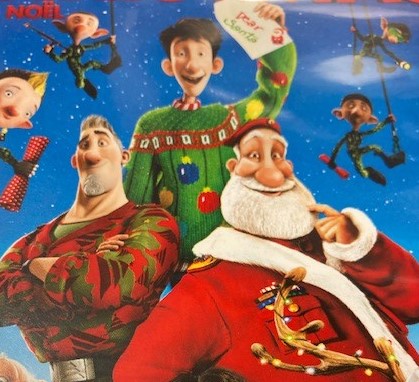
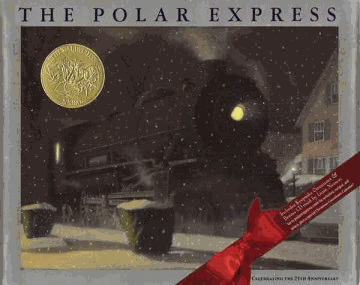
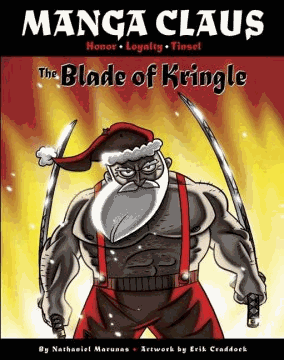
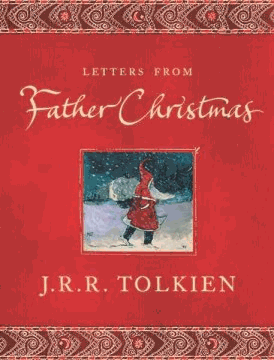
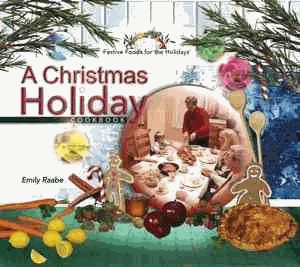
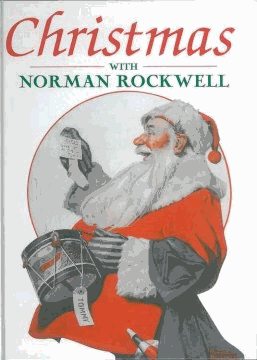
Check out these books in your school library, including both fiction and non-fiction:

Krampusnacht


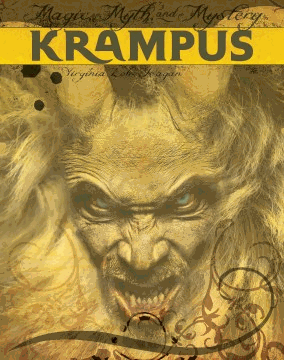
Krampus is coming to give you what you deserve, bad little boys and girls!

Many people all across Europe celebrate St. Nicholas Day on December 6 each year, as do some people in Canada who have roots in Europe. St. Nicholas comes during the night and leaves presents for good girls and boys. (Look for tomorrow’s post more more information on St. Nicholas.)

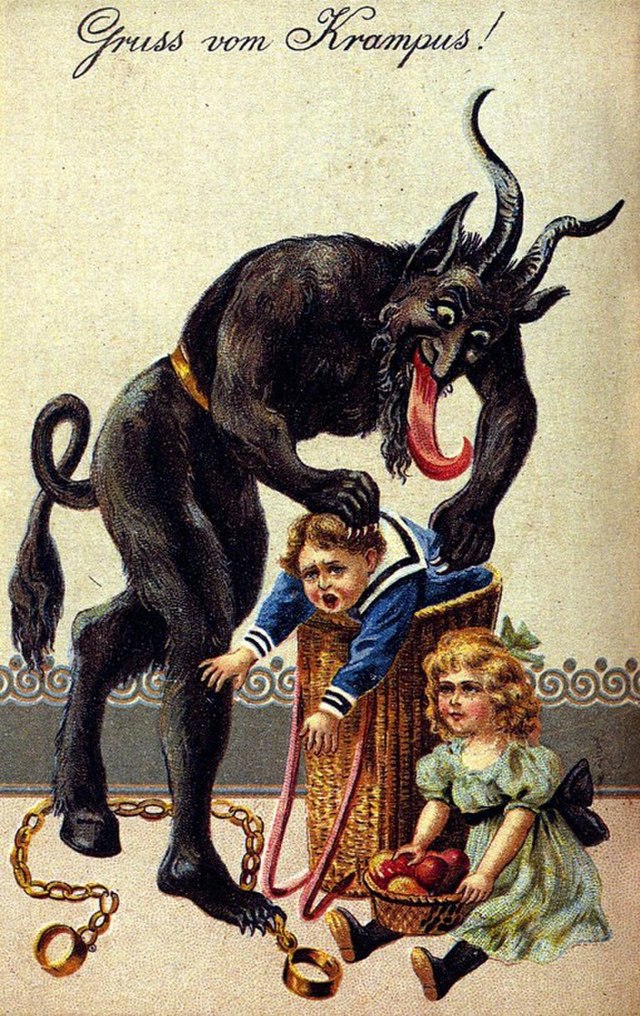
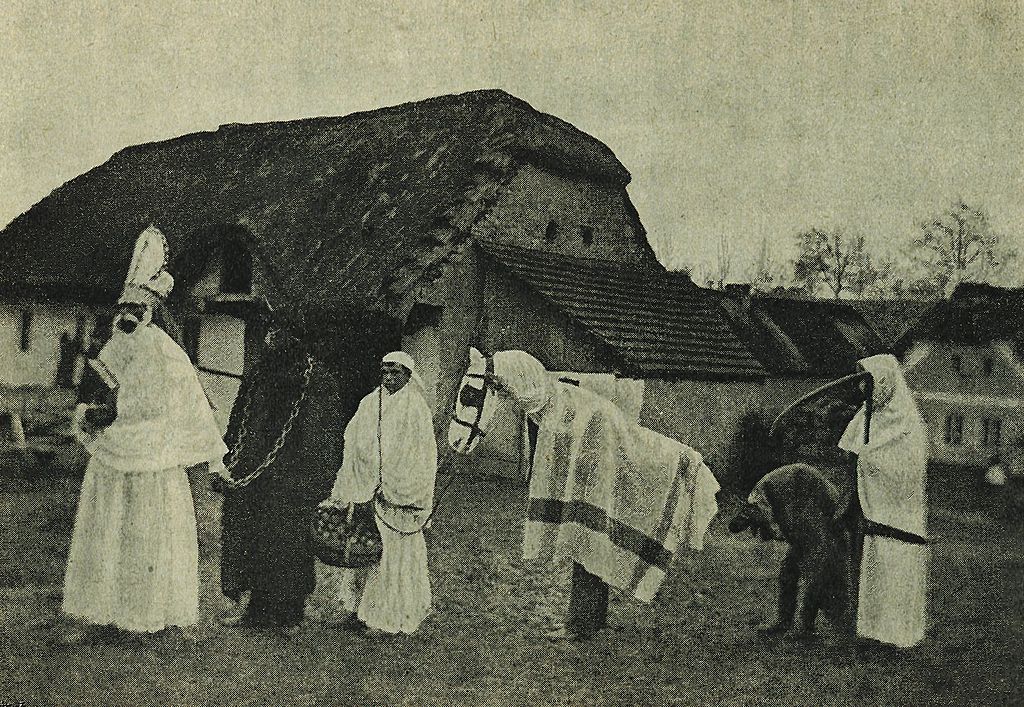
In some places, tradition holds that St. Nicholas had a helper– or at least a counterpart, who visited the bad children. Krampus.

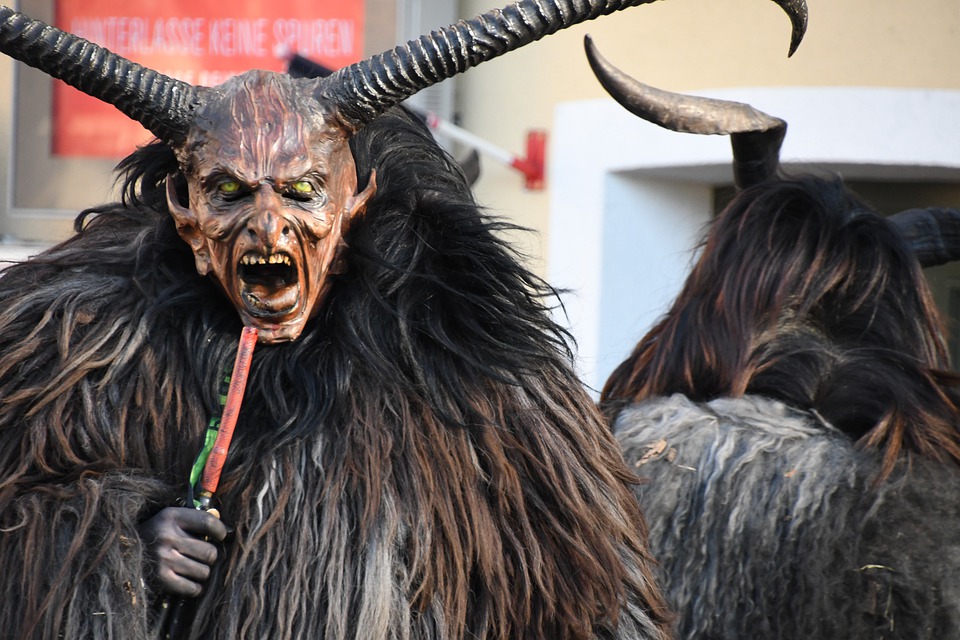
In Germany, Austria and other Alpine countries, Krampus became a part of the St. Nicholas story. Half goat, half demon, Krampus is a nightmarish figure who comes for those overlooked by St. Nicholas, who has gifts for the good (or in some cases, the intelligent!). At best Krampus might deliver coal or twigs. But children fear far worse, that Krampus will punish them, torture them, even kidnap them and carry them away to his lair– or to Hell!

Krampusnacht is is observed in many places on December 5, with parades and other celebrations, including the Krampuslauf, or Krampus Run, in which young people dress up like Krampus.

Find out more:

Visit the School Library to borrow!

Happy Hanukkah!

(November 28 to December 6)

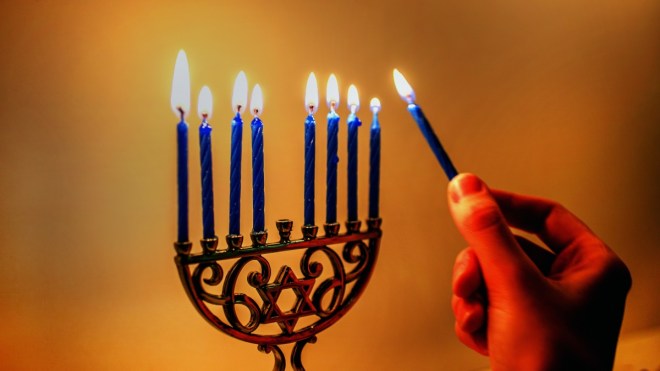
Hanukkah is almost here. Jews in Canada and around the world celebrate Hanukkah starting at sundown on Sunday, November 28.

Source: CC/Robert Couse Baker

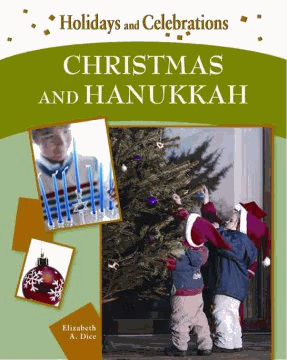
The Festival of Lights is a celebration of God’s deliverance and provision. The event began in remembrance of Maccabean revolt in the 2nd Century BCE, when the Hebrews recaptured the Temple in Jerusalem, the spiritual centre of Judaism. Each candle of the Menorah is lit, one per day for the 8 day Festival.

Like all Jewish Holy Days, which follow the lunar Hebrew Calendar and therefore vary against the Gregorian calendar, Hanukkah can occur anytime from late November to late December. This year Hanukkah will conclude on the evening of December 6.

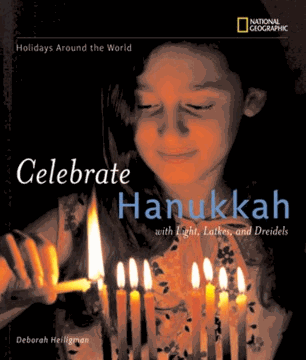
For more information on Hanukkah, check out some of the following:

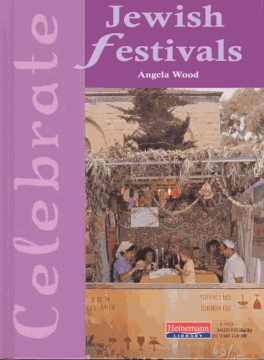
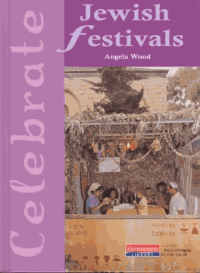
Check out our display: “Holidays & Holy Days” books such as:
Advent

Advent Wreath and Candles.  source: Clemens PFEIFFER, Vienna (CC / wikimedia)

The Holiday Season in the western world has traditionally been synonymous with Advent, literally the period of expectation of an important arrival. For Christians the season of Advent is about the anticipation of Christmas, the celebration of the birth of Christ. In the Christian Church, on each of the four Sundays leading up to Christmas, candles are lit as symbols of Advent.

In 2021 the four Sundays of Advent are November 28, December 5, December 12 and December 19.

The Holiday Season


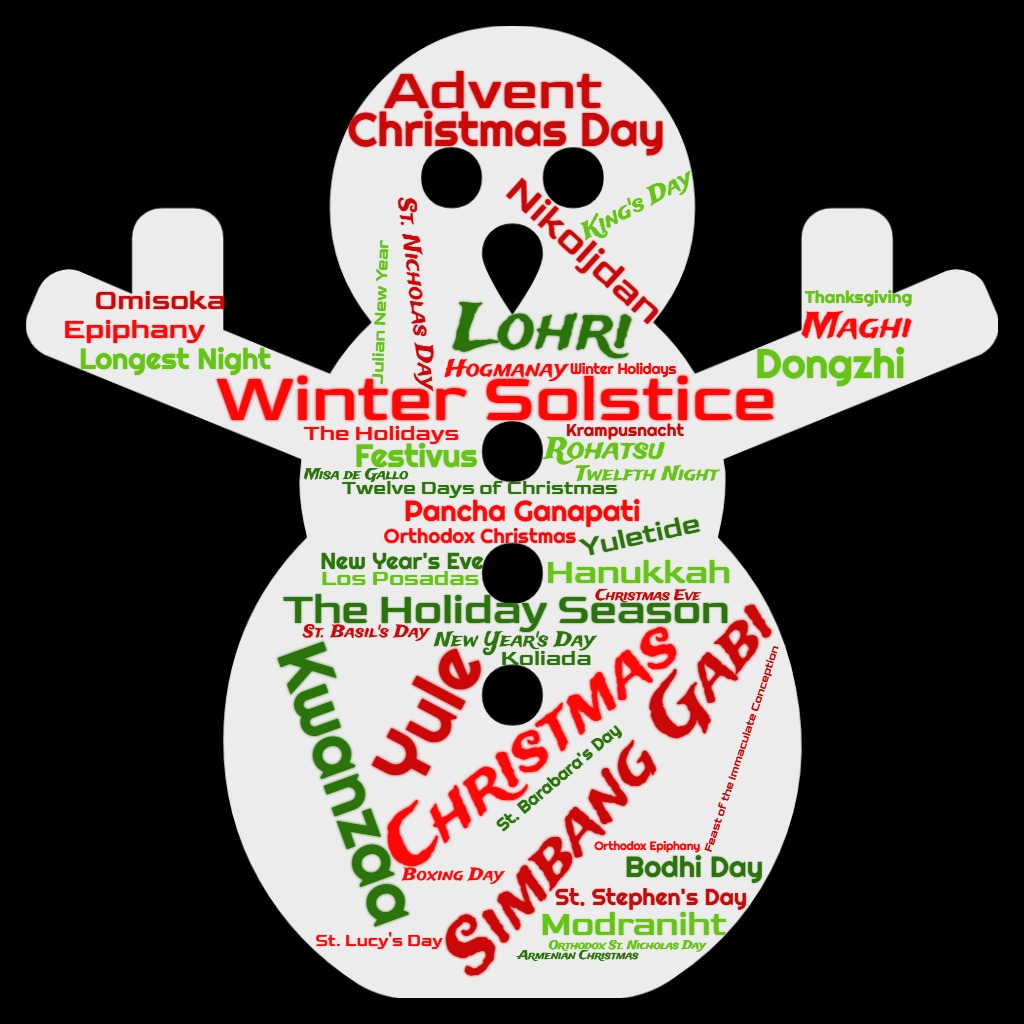
It goes by many different names. The Holidays. The Festive Season. Yuletide. Winter Holidays. The Christmas Season. Advent. The Holiday Season. While there is no official start or end, in North America it is generally considered to run from American Thanksgiving, through December, and into the New Year.

Traditionally this season of the year was dominated by observances based on the Winter Solstice. Many cultures around the northern hemisphere developed celebrations that emphasize the contrast of the cold and darkness of winter with the promise of new light and life in the coming year.

These themes are central to the holy days and festivals of many faiths today.

In North America and Europe during the Christian Era, the season focused on holy days and the rituals around the Nativity of Christ. Often the traditional winter solstice festivals of the Celts, Saxons, Vikings and others were taken over by these Christmas celebrations.

For some, the season is secular in nature, without religious emphasis. The Holiday Season is a time for celebrating with family and friends, giving gifts, reflecting on the past year and looking forward to the new.

For many the Holiday Season can be about all of the above, as we combine a variety of traditions and new practices from the delightful mix of cultures and peoples from around the world.

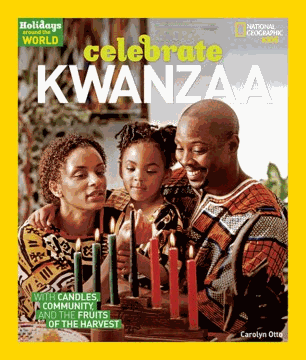
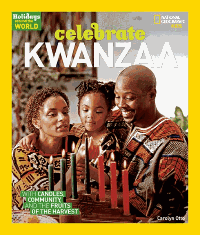
There many different and wonderful Holidays and Holy Days in the coming weeks. Christmas tends to dominate, but it is imporant to learn about other observances and festivals, such as Hanukkah, Kwanzaa, Rohatsu and many more.

Join us in the School Library as we celebrate this “most wonderful time of the year.” Look for displays and other opportunities for learning about this season of “Holidays and Holy Days.”

Enjoy all that you and your family have brought to this holiday season. Perhaps in learning about other traditions and practices, you might find something new for you to enjoy at this time of year.

Songs of Peace: Alice’s Restaurant

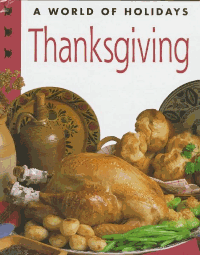
Happy Thanksgiving to all of our American friends, family and neighbours! Along with Turkey and football games, another staple of American Thanksgiving for many is listening to the 18 minute classic, “Alice’s Restaurant.”

November has been Peace month in the School Library, with an emphasis on understanding peace education, the anti-war movements, civil disobedience and other non-violent means of social change. Such themes overlap with American Thanksgiving in “Alice’s Restaurant.”

Originally released in 1967, Arlo Guthrie’s 18 minute long recording of “Alice’s Restaurant” is a protest song against the Vietnam War.  The events described in the song, beginning with a Thanksgiving celebration amongst friends during the sixties, were the inspiration for a film which was released in 1969.

More than 50 years later Guthrie’s signature song is a staple of classic rock radio stations on and around American Thanksgiving.

Find out more:

source: Arlo Guthrie / You Tube via Warner Records