Come down to your School Library to browse through our ever growing selection of titles to help you learn more about the Holiday Season.

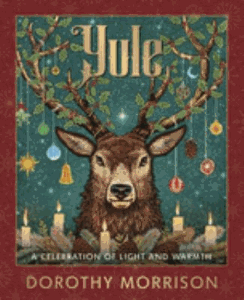



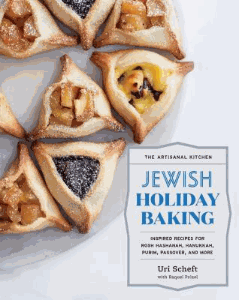

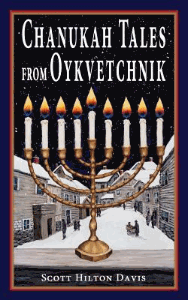


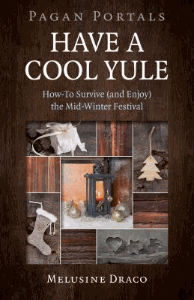

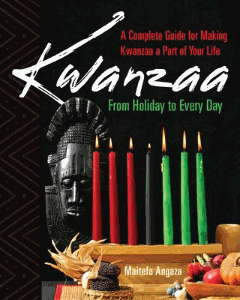





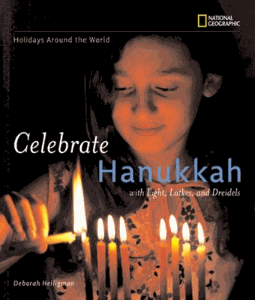

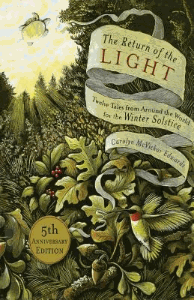

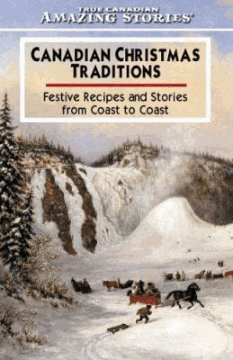
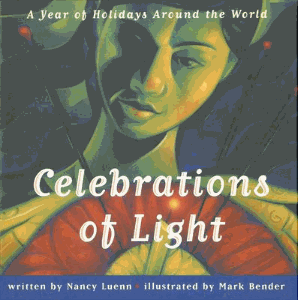
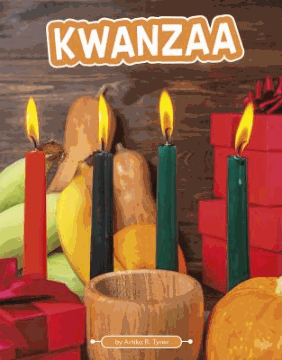
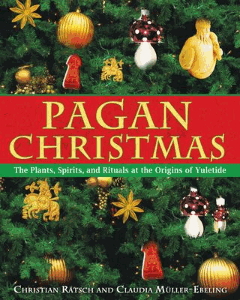
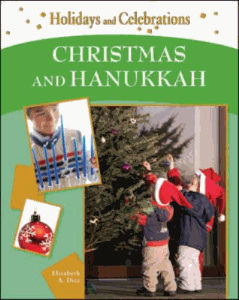
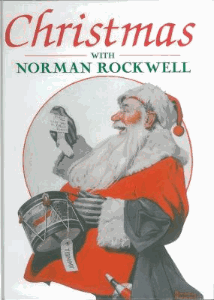
Come down to your School Library to browse through our ever growing selection of titles to help you learn more about the Holiday Season.
Here are just some of the observances, festivals, celebrations and special days that take place in the coming month or so of holidays and holy days, known to many as “The Holiday Season.”
Visit your School Library, in person and online, to find out more about this season of Holidays and Holy Days.
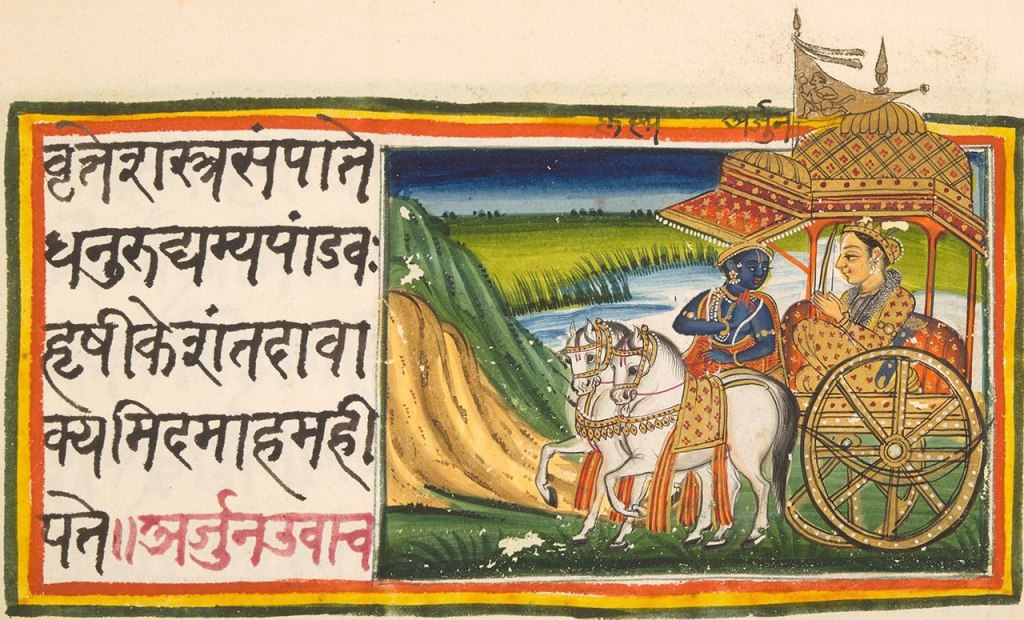
Gita Jayanti is a Hindu observance that celebrates the Bhagavad Gita, one of the holy books of Hinduism. The Bhagavad Gita is presented as a dialogue between Arjuna, a prince, and Krishna, the embodiment of God. In 2025 this day takes place on December 1, however local festivals may take place at different times, and can last several weeks.
Find out more:
December is a month of Holidays & Holy Days. Visit your school library to find out more.

The Holiday Season in the western world has traditionally been synonymous with Advent, literally the period of expectation of an important arrival. For Christians the season of Advent is about the anticipation of Christmas, the celebration of the birth of Christ. In the Christian Church, on each of the four Sundays leading up to Christmas, candles are lit as symbols of Advent.
In 2025 the four Sundays of Advent are November 30, December 7, December 14 and December 21.
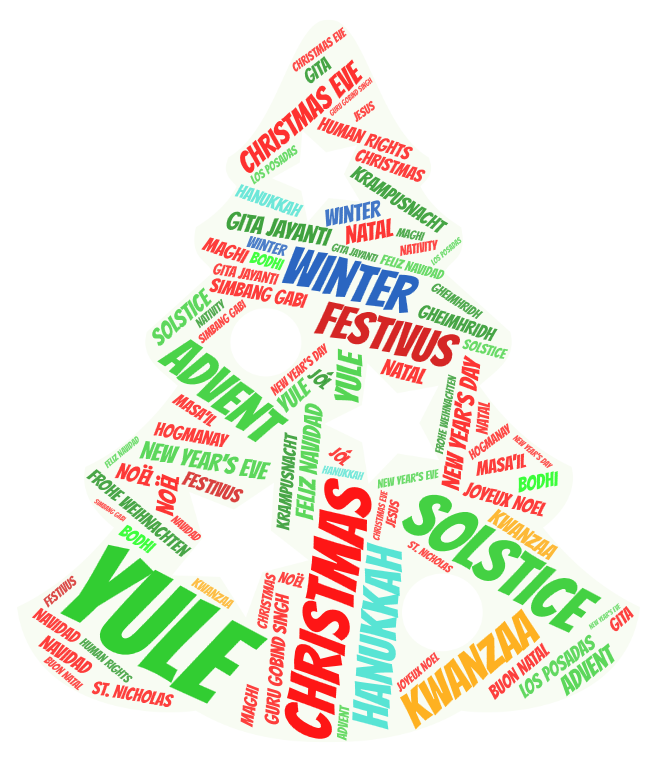
Happy Holidays! We have entered another season of feasts and festivals, holy days and holidays, in and around December. Visit your School Library, in person or online, to learn more about Christmas, Hanukkah, Kwanzaa, Yule, St. Nicholas Day, Simbang Gabi, Festivus, the Nativity, the Winter Solstice, Krampusnacht, New Year’s Eve, Advent, Bodhi, Boxing Day and more.
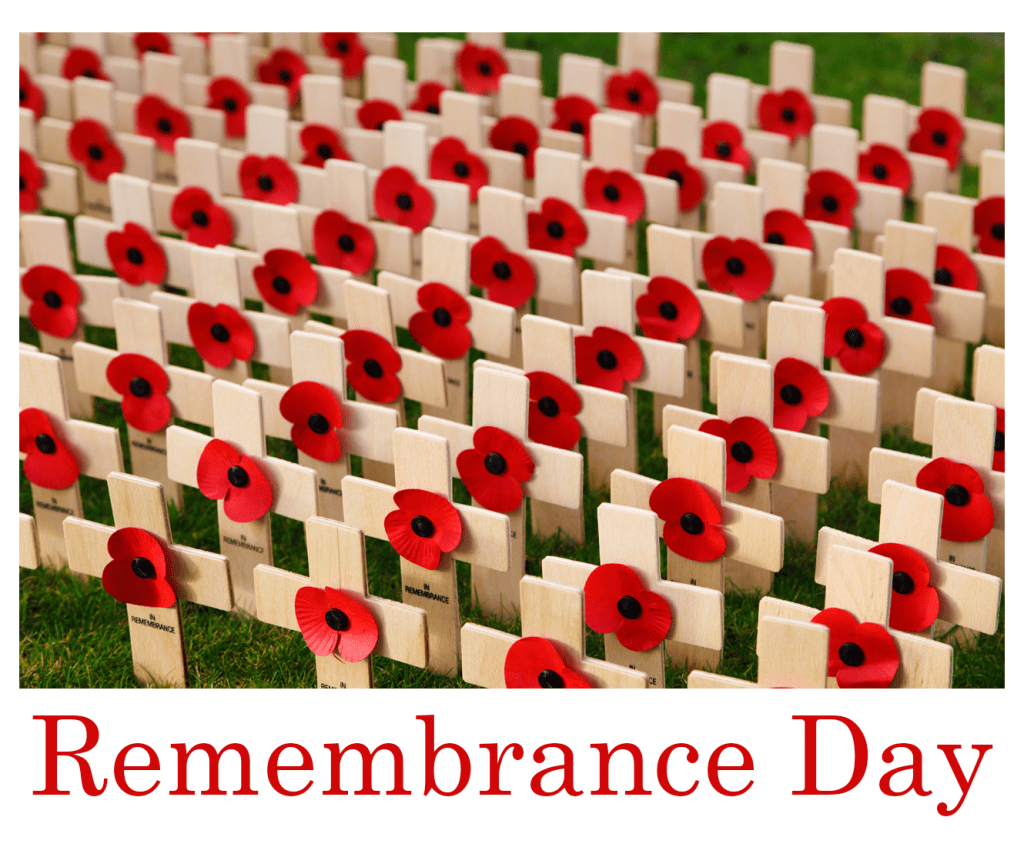
Remembrance Day is November 11. Today at LTSS we will observe Remembrance Day Assemblies.
Armistice Day was established to honour the fallen soldiers of Canada in “The Great War” of 1914-1918. Later, the name of the day was changed to Remembrance Day. Despite the horrors of “The War to End All Wars,” Canadians would go on to serve, and die, in another World War, as well as other conflicts and peacekeeping missions around the globe. Remembrance Day is a national holiday to honour the memory of those Canadians who have fallen in war.
Remembrance Day is not meant to celebrate war or glorify war. War has brought untold suffering and pain to the world. Those who have experienced war, especially those that have lost loved ones in war, know that war is not something to celebrate. Instead, we pay our respects to those whose lives were cut short by the horror of war.
Please take some time to reflect on what Remembrance Day is all about. On November 11th at 11:00 AM, plan to take some time to honour those that have died and those that have served. Whether you attend a ceremony in person, or check out the television coverage of the ceremony in Ottawa or other parts of Canada, take some time for Remembrance.
The Gaelic Festival of Samhain marks the end of the harvest season and the beginning of winter. Samhain begins at sundown on October 31 and goes until sundown on November 1.
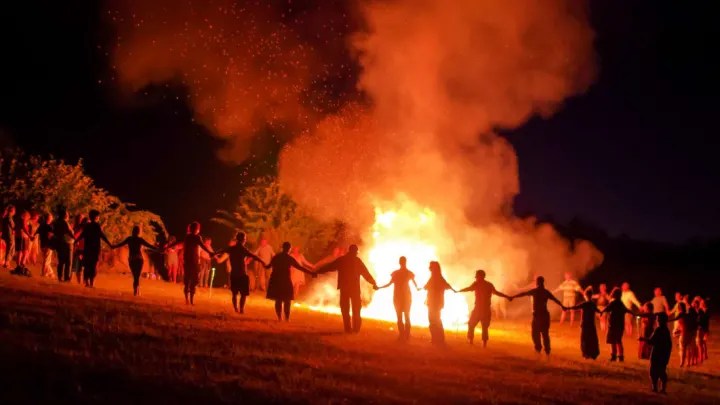
The roots of Samhain stretch back deep into the prehistoric development of Celtic pagan beliefs. With the arrival of Christianity in what we now know as Ireland and Scotland, the practices of Samhain and All-Saints Day merged over time. Halloween traces many of its roots back to both Samhain and “All-Hallows Eve,” — the night before All Saints Day.
There has been a modern revival in celebrations of Samhain, in part due to the practices of Wiccans and other neo-pagans, as well other people who see it as a as a way to incorporate Celtic rituals into their belief systems. Many others see it as a way to celebrate Irish culture and history. Samhain is often celebrated with feasting and giant bonfires.
Find out more:
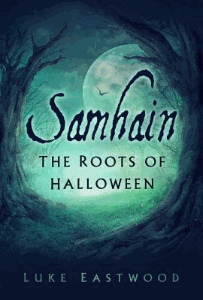


Why do so many people take delight in getting spooked? Why are Horror books and movies so popular? Here are some articles that attempt to explain why there may be some good reasons for scaring yourself with Horror fiction.


October is Halloween Month. Come down to your School Library to browse our collection of Horror Fiction.
Halloween is just around the corner, but it is never too late to pick up a scary book. Come down to the School Library to browse our collection of horror and all things spooky. Here are some of our most recent additions:

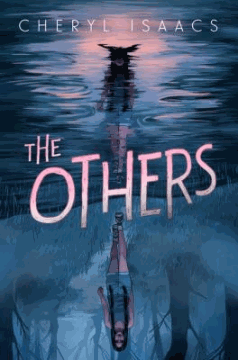

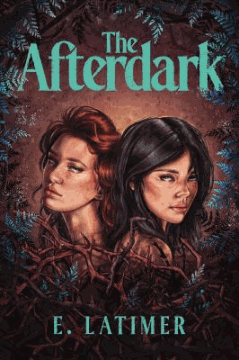




October is Horror Month at your School Library
Happy Bandi Chhor Divas and Happy Diwali
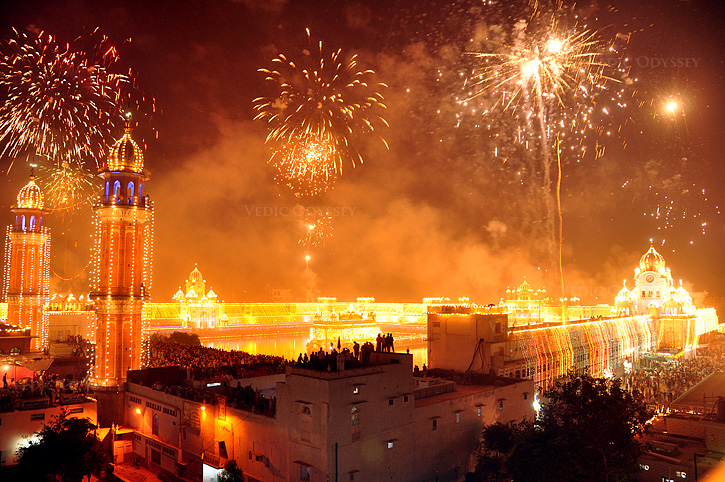
On Bandi Chhor Diva, Sikhs celebrate Guru Hargobind, the 6th Guru, who was released from prison, along with many other prisoners, in 1619. The name Bandi Chhor Divas means “Liberation of Prisoners Day.” Sikhs in Canada, India and around the world will celebrate this holy day, which coincides with the 5 day Indian festival known as Diwali.
From the BBC:
According to tradition, Guru Hargobind was released from prison in Gwalior and reached Amritsar on Divali. He would only agree to leave prison if 52 Hindu princes who were in prison with him could also go free. The Emperor Jahangir, said that those who clung to the Guru’s coat would be able to go free. This was meant to limit the number of prisoners who could be released. However, Guru Hargobind had a coat made with 52 tassels attached to it so that all of the princes could leave prison with him.
The story reminds Sikhs of freedom and human rights and this is what they celebrate on Bandi Chhor Divas.
Source: BBC
Find out more:

Happy Diwali and Bandi Chor Divas
‘Tuhanu Diwali diyan boht both vadhaiyan’
Diwali is celebrated by millions of people in India, Canada and around the world. Hundreds of millions of Hindus celebrate “the Festival of Lights.” Millions of Sikhs, and people of other faiths, also celebrate Diwali.
For Sikhs the festival of Diwali has added significance as it generally coincides with a Sikh celebration known as Bandi Chhor Divas. In 2025 this takes place on October 21
Many people will celebrate a five day festival from October 18 to 22, with the many public celebrations of Diwali in Canada on Saturday, October 18 and Monday October 20. However, it may be celebrated at different times, and in different ways, by various groups in India, South Asia, and in the Indian diaspora.
Diwali may also be rendered as Deepavali or Divali.
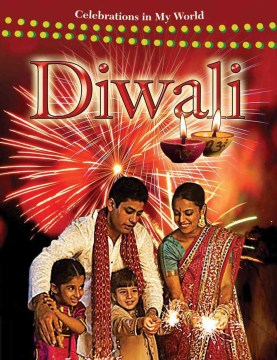
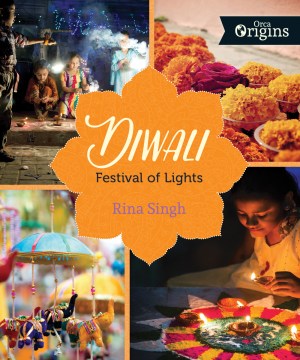
For more information on Diwali, check out:
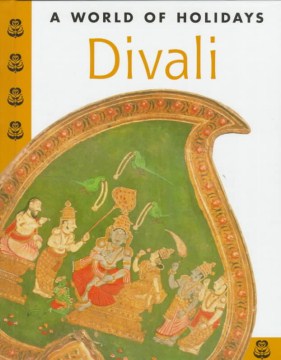
What are you thankful for? Take some time this Thanksgiving to appreciate the good things in your life.
We have a long weekend with the day off of school on Monday. For many Canadians, this is a day of traditions.. Perhaps you will be eating a turkey, surrounded by friends and family. But will you take some time to “give thanks” on Thanksgiving?
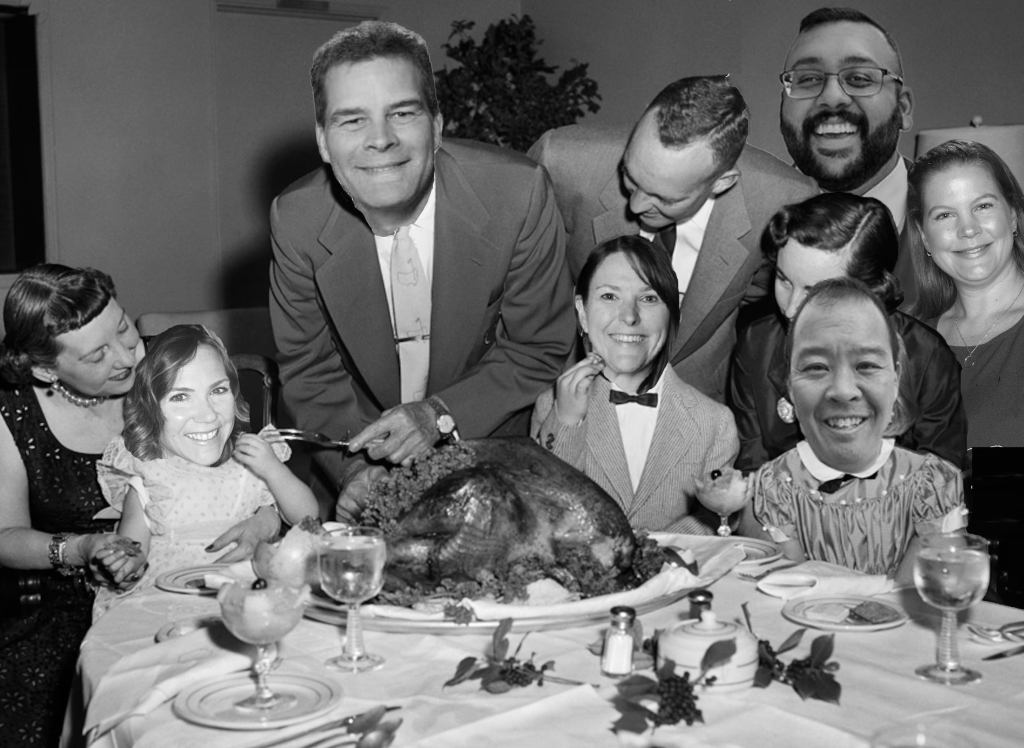
Thankfulness is strongly correlated with positive mental health outcomes. According to Harvard Medical School: “In positive psychology research, gratitude is strongly and consistently associated with greater happiness. Gratitude helps people feel more positive emotions, relish good experiences, improve their health, deal with adversity, and build strong relationships.”
Some of us are incredibly privileged. Some would even say blessed. Over this Thanksgiving long weekend, we encourage you to take some time to consider the things in your life for which you are thankful.
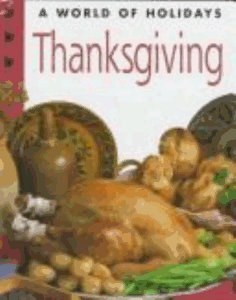

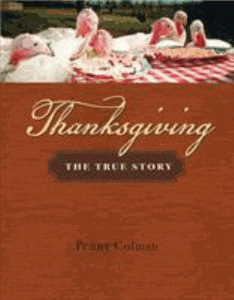
Find out more:
Note: Life is full of challenges and hardships for all people. However, it may be worse for some, whose difficulties may be profound, perhaps even traumatic. In the midst of painful circumstances, it may be difficult to reflect on the things for which one might be thankful. Being grateful for the good things in life does not take away from the pain and trauma that may also be there. Gratitude alone is not a substitute for seeking help from mental health professionals.
 Lord Tweedsmuir Secondary School Library