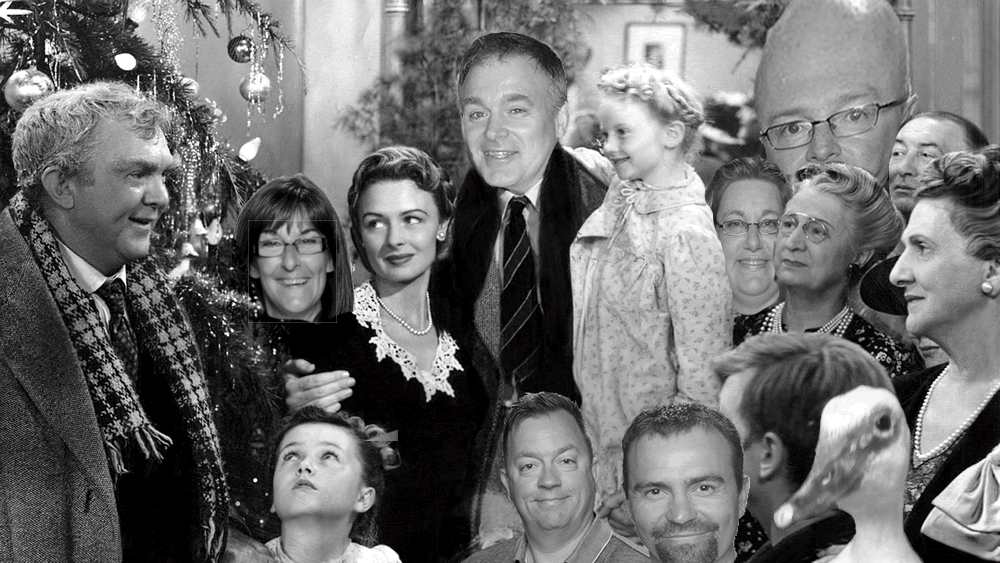
On this day in 1946, Director Frank Capra’s beloved holiday film, “It’s a Wonderful Life” opened in New York. It would go on to become standard Christmas viewing for millions of families. (I estimate that I have seen it 30 times.)
 “In those days Caesar Augustus issued a decree that a census should be taken of the entire Roman world. (This was the first census that took place while Quirinius was governor of Syria.) And everyone went to his own town to register.So Joseph also went up from the town of Nazareth in Galilee to Judea, to Bethlehem the town of David, because he belonged to the house and line of David.He went there to register with Mary, who was pledged to be married to him and was expecting a child. While they were there, the time came for the baby to be born, and she gave birth to her firstborn, a son. She wrapped him in cloths and placed him in a manger, because there was no room for them in the inn. And there were shepherds living out in the fields nearby, keeping watch over their flocks at night. An angel of the Lord appeared to them, and the glory of the Lord shone around them, and they were terrified. But the angel said to them, ‘Do not be afraid, I bring you good news of great joy that will be for all the people. Today in the town of David a Saviour has been born to you; he is Christ the Lord. This will be a sign to you: You will find a baby wrapped in cloths and lying in a manger.’ Suddenly a great company of the heavenly host appeared with the angel, praising God and saying, ‘Glory to God in the highest, and on earth peace to men on whom his favour rests.'” from the Book of Luke, Chapter 2
“I’ve got a lot of problems with you people!”

With heart warming traditions such as the “Airing of Grievances” and “Feats of Strength,” Festivus is a holiday which owes its popularity to the sitcom “Seinfeld.” Festivus has evolved over the years, and has become a worldwide phenomenon, primarily observed on December 23. For more on this secular anti-celebration, click here
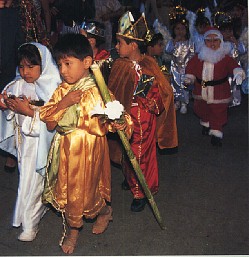 This 9 day festival is central to Navidad (Christmas) celebrations in Mexico. This is a neighbourhood festival that commemorates the journey of Mary and Joseph, who could not find posadas, (Spanish for “lodging”) before the birth of Jesus. A procession, including people dressed as Angels, Saints and the Holy Family, marches through the neighbourhood, knocking on doors looking for a place to stay. Like Mary and Joseph, they are refused, until finally the parade ends at one home where they are welcomed in. Feasting ensues, including a pinata for the children.
Be sure to check out our display, “Holidays & Holy Days.”
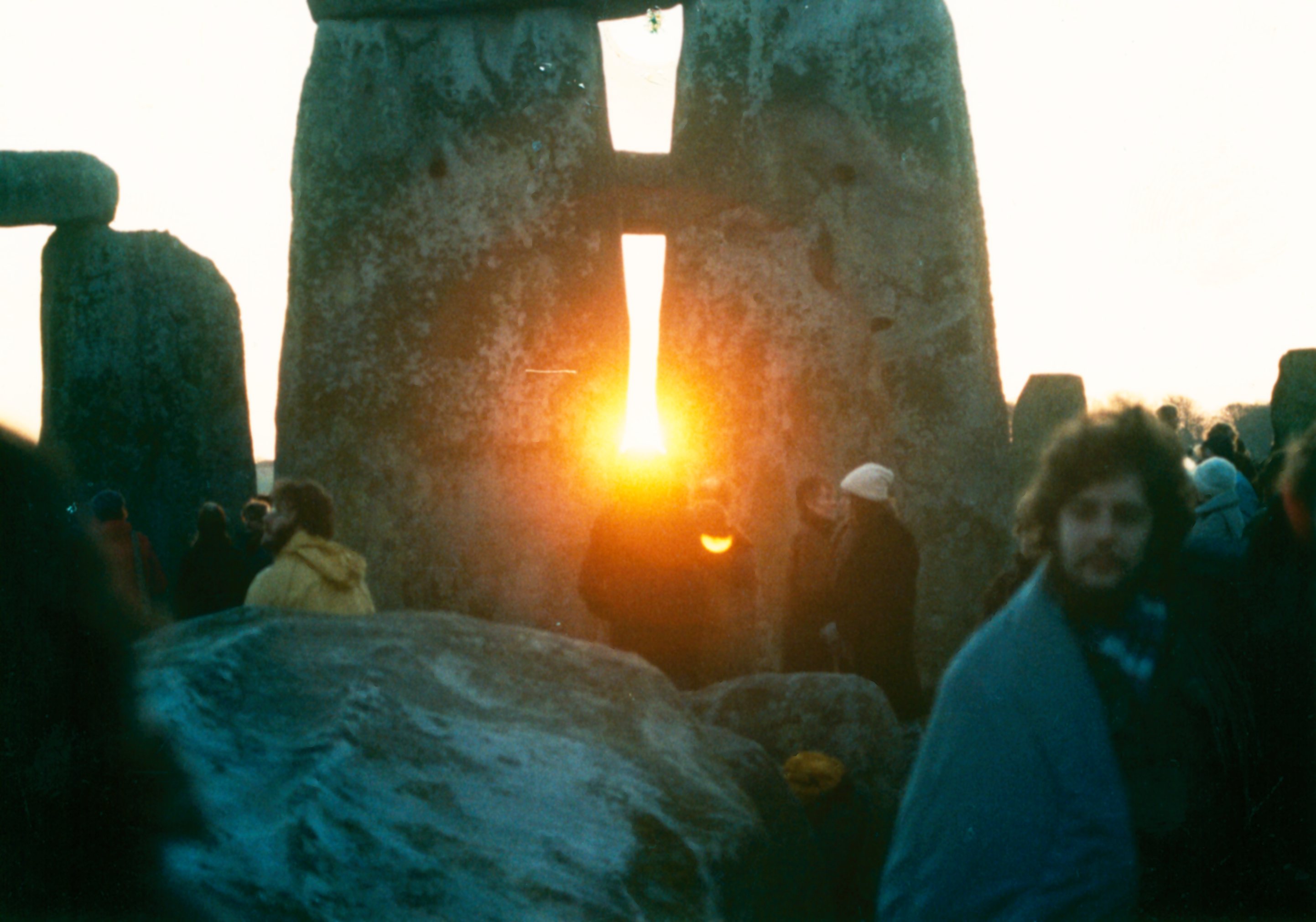
The Winter Solstice occurs a 8:49 PM on December 21st in the Pacific Time Zone.
Winter begins in the northern hemisphere on this, the shortest day of the year. In traditional pagan cultures, this time of the year represented darkness giving way to light, and death giving way to life. The dark and cold had reached its nadir. Henceforth the days would grow longer and warmer. Hope was restored. Many of the festivals and celebrations that take place at this time of year, from many different cultures, follow this theme.
For more on this and other winter observances and feasts, check out our display: Holidays and Holy Days, and check out the following:

Hanukkah concludes this evening. For more information on Hanukkah, click here.
Check out our display: “Holidays & Holy Days”
Kwanzaa is an African American and Pan-African holiday which celebrates family, community and culture. Celebrated from 26 December thru 1 January, its origins are in the first harvest celebrations of Africa from which it takes its name. The name Kwanzaa is derived from the phrase “matunda ya kwanza” which means “first fruits” in Swahili, a Pan-African language which is the most widely spoken African language. ”

(From the Official Kwanzaa Website)

On this day in 1948 the Universal Declaration of Human Rights was adopted by the United Nations General Assembly.
Article 1.
Article 2.
Article 3.
Click here for the full text of the Universal Declaration of Human Rights, Click here for the history of, and other information about, the UDHR. And click here for more information about Human Rights Day.
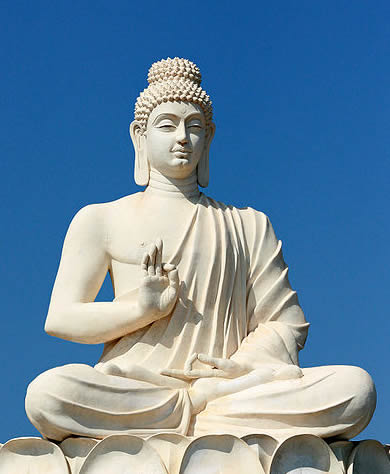 The religion known as Buddhism dates back to the 6th or 5th Century BCE, when the Indian Prince Siddhartha Gautama became the “Buddha,” literally, “the Enlightened One.” The followers of the Mahayana branch of Buddhism observes Bodhi Day in celebration of the day that the Buddha sat below the Bodhi Tree and meditated on the meaning of life. Bodhi Day is celebrated mainly by the Buddhists of northern and eastern Asia (in Japan the day is known as Rohatsu) and in countries to which those people have immigrated (such as Canada). For more on Bodhi Day and the life of the Buddha, click here.
Jews in Canada and around the world celebrate Hanukkah starting at sundown tonight. The Festival of Lights is a celebration of God’s deliverance and provision. The event began in remembrance of Maccabean revolt in the 2nd Century BCE, when the Hebrews recaptured the Temple in Jerusalem, the spiritual centre of Judaism. Each candle of the Menorah is lit, one per day for the 8 day Festival. Like all Jewish Holy Days, which follow the lunar Hebrew Calendar, Hanukkah can occur anytime from late November to late December according to the Gregorian Calendar. This year Hanukkah will conclude on the evening of January 14. For more information on Hanukkah, check out some of the following:
Check out our display: “Holidays & Holy Days”
 If people tell you that Santa Claus isn’t real, tell them to think again! Saint Nicholas lived in the 3rd and 4th Centuries AD(CE). He lived in what is now known as Turkey, but what was then a Greek area of the Roman Empire. The legends surrounding his life grew and evolved over the years, eventually leading to our modern picture of Santa.
In much of Europe and in many parts of the world, St. Nicholas Day is celebrated on December 6, or on another date other than Christmas. For more information, check out the St. Nicholas Centre.
Volunteers rock big time! Join us in celebrating the immeasurably valuable contributions of volunteers in our world. From those involved in international organizations to those who work informally at the local level, volunteers make a massive, positive impact on society.
Back in 1985 the United Nations established International Volunteer Day and since then people all over the world have been celebrating on December 5 of each year.
At Lord Tweedsmuir we are especially thankful for the many volunteers who work on the Library Team. Please make sure you express your thanks to these students who serve their classmates, teachers and other staff with such diligence. As an added bonus, we are pleased to invite all of our Library Team volunteers to a Christmas Party / Appreciation Lunch on Tuesday, December 15. Stay posted for more details!
For more on IVD:

 Lord Tweedsmuir Secondary School Library