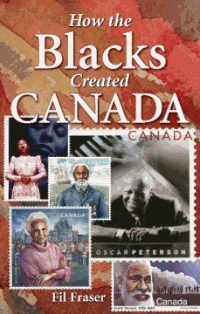
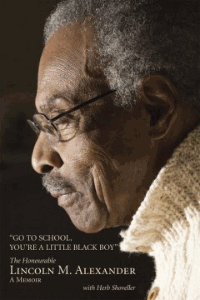
Come down to the School Library to check out these books for Black History Month in Canada.
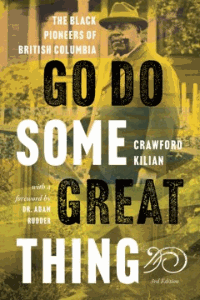


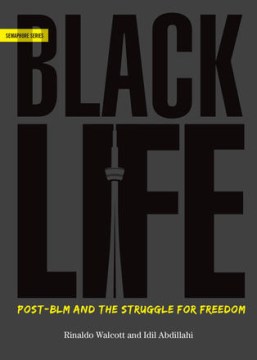

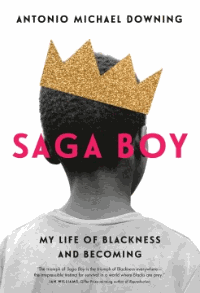


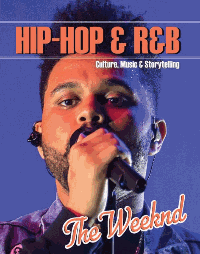
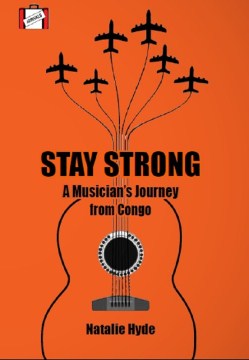
Come down to the School Library to check out these books for Black History Month in Canada.
From Canada.ca, here are introductions to just a few noteworthy Black Canadians that perhaps you haven’t learned about yet. “Read the biographies of some notable Black people in Canada who have helped shape Canadian heritage and identity, and who have made and continue to make enormous contributions to the wellbeing, and prosperity of our country.” Read the entire post at Black History Month: Noteworthy Figures

February is Black History Month. Find out more by visiting us in person, or online at tweedsmuirlibrary.ca
“The man who does not read has no advantage over the man who cannot read.”
Source: Unknown*
The rights and freedoms of Canadians include the right to read what you want to read. Such rights and freedoms are fundamental to democracy. However, such rights and freedoms are meaningless unless citizens exercise these rights and freedoms.
There are authoritarian forces at work in our society that seek power by attacking your rights, including attempts to censor or limit your freedom to read. Totalitarian states know that uneducated and illiterate citizens are easier to control and oppress. Such forces can only celebrate that the work is much simpler when significant portions of the population choose not to read. Censorship becomes less pressing when “aliteracy” becomes prevalent.
A true democracy guarantees fundamental rights and freedoms to its citizens. But to work effectively, indeed, to survive, democracy requires that citizens exercise those rights. In particular, democracy breaks down if citizens aren’t educated, informed and active.
The rise of powerful new information technology in the last few decades has made it more important than ever that citizens are highly “information literate.” Citizens must not only have access to information, they must have the tools required to wade through increasingly destructive levels of misinformation, disinformation, propaganda, and outright lies. Citizens need to have access to information that is credible, accurate and trustworthy.
The rise of anti-intellectualism and anti-science movements, perhaps most recently represented by anti-vax conspiracies, are part of the wider breakdown of democratic institutions. There is little doubt that attacks on public education over many years have reaped some these results and are integral to the rise of authoritarianism.
It is not enough to celebrate the Freedom to Read. As citizens of democratic societies, we have an obligation to exercise our Freedom to Read, in part so that we are equipped to defend our democratic rights and freedoms.
It is clear that democracy is under attack, throughout the world, and in our back yard. We must act.

Find out more:
Note* The above quote, or variations on it, are often popularly attributed to Mark Twain. However the original source of this quote, or its variations, remains unclear.
American scholar and leading civil rights activist W.E.B. Du Bois was born on this day in 1868. Du Bois was the first African American to earn a doctorate from Harvard University. Du Bois was a great thinker and researcher in many fields, including Sociology and History, and was leading Civil Rights advocate and opponent of Jim Crow throughout his adult life. He was the author of numerous works, including The Souls of Black Folk (1903) and Black Reconstruction in America (1935). Du Bois was a founding member of the NAACP in 1910, and its journal, “The Crisis.”

Find out more:
February is Black History Month. Find out more by visiting us in person, or online at tweedsmuirlibrary.ca

From September 2022 to the end of August 2023, Canadian libraries, especially school libraries, faced the highest number of book challenges ever for a 12 month period in Canada (source). The number of official challenge is likely just a small fraction of the challenges that go unreported– ALA studies suggest 82 -97% of challenges go unreported (source).
Intellectual freedom has been a pillar of library philosophy for nearly a century; and in our current climate, it is perhaps our most valuable tool in our efforts to amplify the voices of the most marginalized within our communities.
Michael Nyby
Read the full article, “A Rising Tide of Censorship: Recent Challenges in Canadian Libraries” by Michael Nyby of the CFLA Intellectual Freedom Committee, at Freedomtoread.ca
Try the Sporcle Quiz to test your knowledge of some notable Canadians.
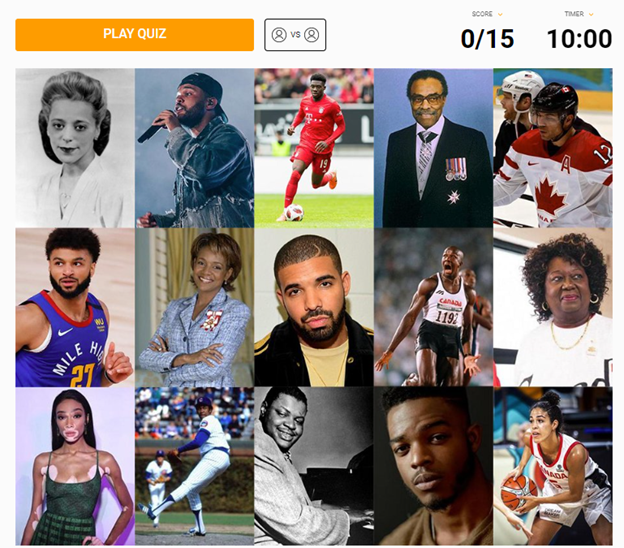
Join us this February in your School Library as we celebrate Black History Month.
Come down to the School Library to check out these books for Black History Month in Canada.
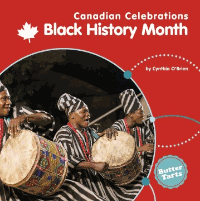
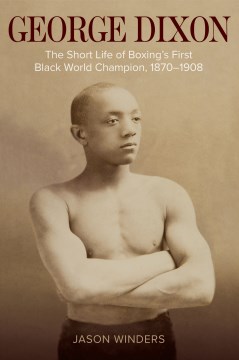








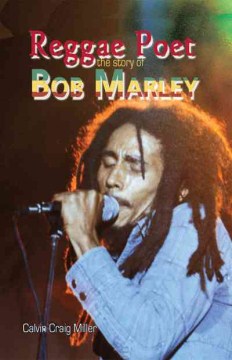
Reggae legend Bob Marley was born on this day in 1945 in Nine Miles, Jamaica. Sadly, he died far too young, at only 36 years old, in 1981. Marley was an international music superstar who helped catapult the Reggae sounds of Jamaica into the global consciousness. Marley was a revered symbol of the African Diaspora and was a strong voice for anti-racism and democratic rights. For more on the life of this amazing artist, take a look at some of the many books we have here in the school library.



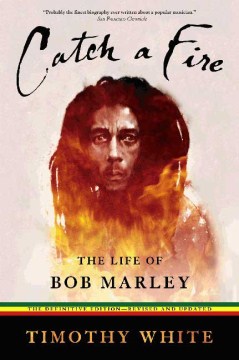

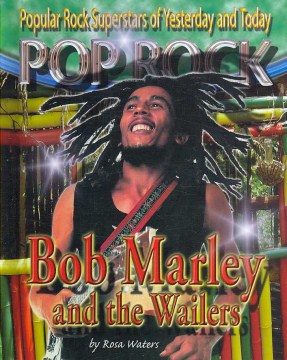
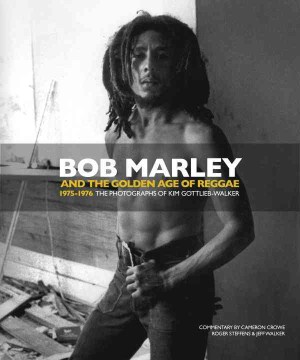
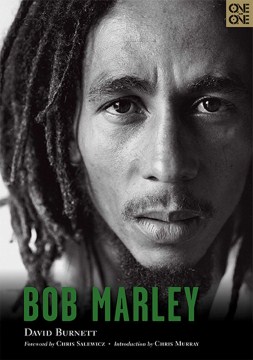
Online you can also check out:

Henry “Hank” Aaron was born on this day in 1934. Hank Aaron was one of the greats of the sport of baseball. He was a legendary home run hitter who would also win multiple Gold Gloves. Hank Aaron was a World Series Champion, a National League MVP, and was selected for an incredible 25 All-Star Games. More than that, he was a great human being.
The legendary Muhammad Ali, in his day considered by many to be the world’s most famous, if not greatest, athlete, said of Aaron, that he was the “only man I idolize more than myself.” (Baseball Hall of Fame).
In 1973 Aaron hit his 715th home run to pass the iconic Babe Ruth with the most ever. Aaron was under intense scrutiny as he approached the record, all the more because he was a black man who was about to break the record of a white hero, something that was unacceptable to the white supremacist ethos. Aaron faced intense racism, including death threats against him and his family. Remarkably, even in the face of such despicable conditions, he continued to perform on the field, crushing the all-time record, holding it for more than 30 years. For all who knew him personally, it was not surprising that off the field he continued to live a life of humility, dignity and integrity. Hank Aaron was an outspoken supporter of the Civil Rights movement, and spent his post-playing days working for many humanitarian and philanthropic causes.
Find out more about Hank Aaron:
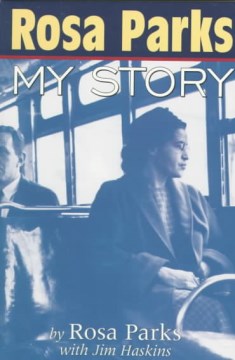
One of the icons of the US Civil Rights movement looked an unlikely hero but proved to be someone whose strength of character belied her appearance. Rosa Parks was born on this day in 1934. In the face of the overt racism of 1950’s America, Rosa famously refused to give up her seat on the bus, as black people were expected to do for white people. She was arrested, and the resulting Montgomery Bus Boycott proved to be one of foundational events of the Civil Rights Movement.

For more on Rosa Parks:
Come down to the School Library to check out our titles on Rosa Parks and other books for Black History Month:

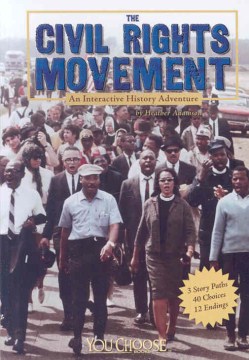
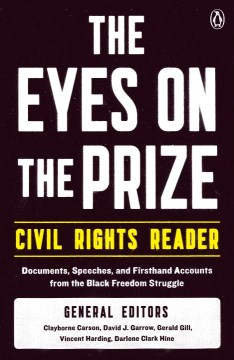

Langston Hughes was born on this day in 1901. Hughes would go on to become a renowned poet, playwright, novelist and social activist. Langston Hughes was at the center of the the intellectual and cultural phenomenon that was the “Harlem Renaissance” of the twenties and thirties in New York.
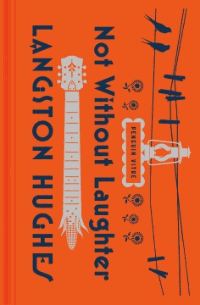
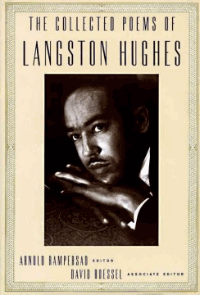

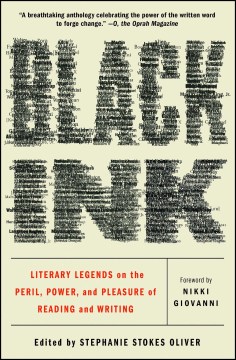

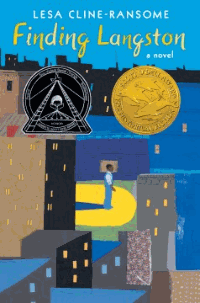
Find out more:
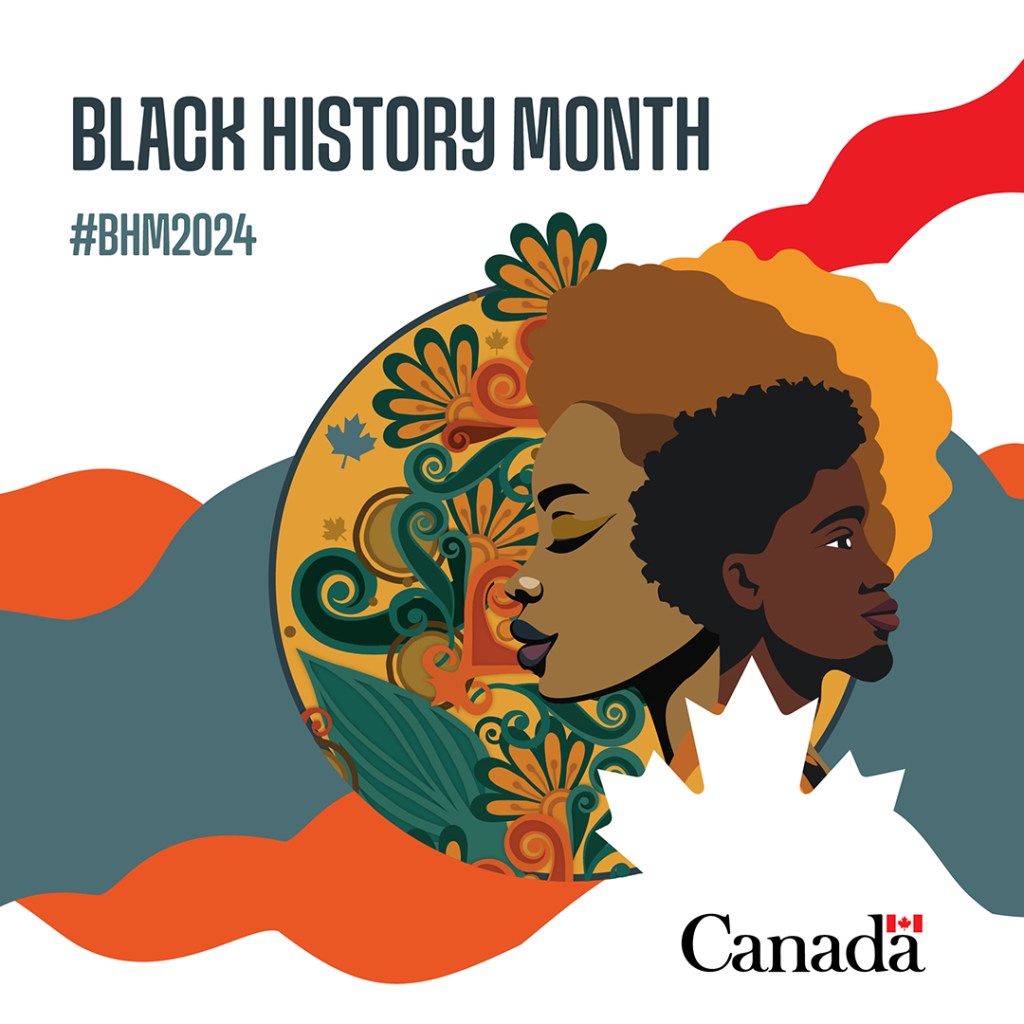
February is Black History Month. Join us in the School Library as we explore, acknowledge and celebrate Black History, with an emphasis on the experience of Canadians of African descent, African-Americans, and other peoples in the world-wide African diaspora.
 Lord Tweedsmuir Secondary School Library