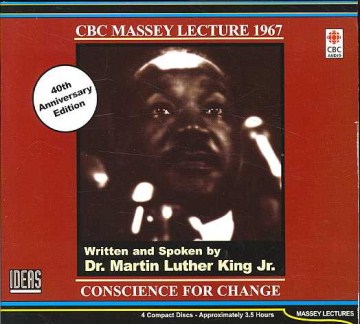
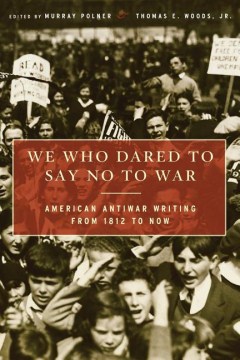
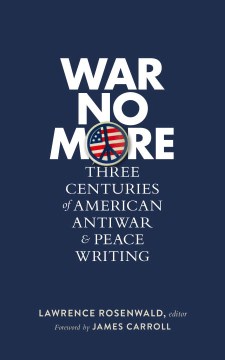
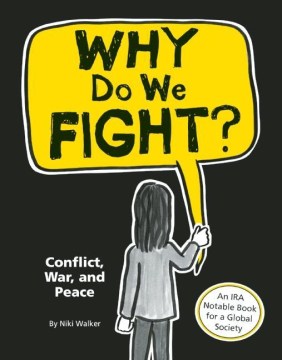
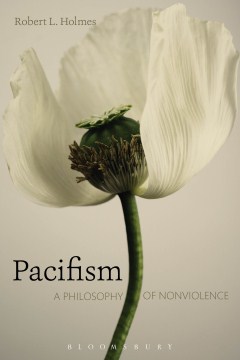
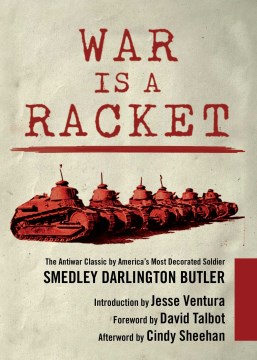
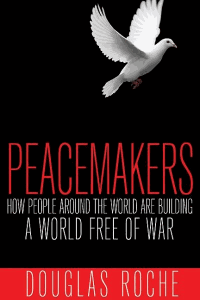
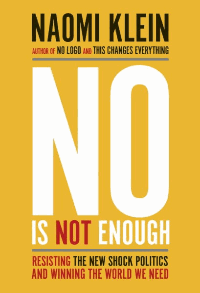
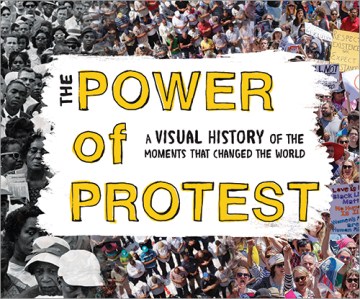
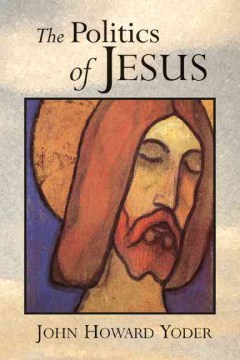
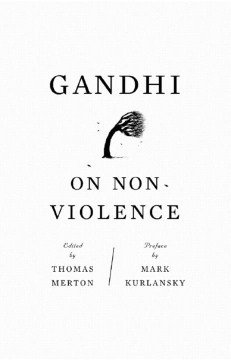
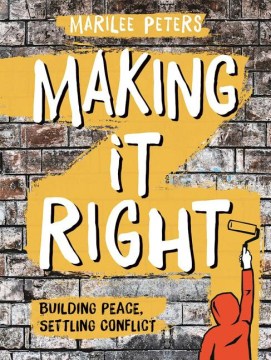
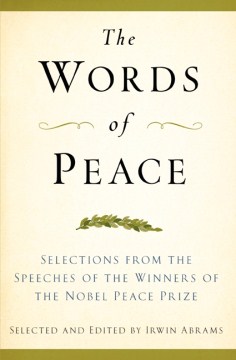
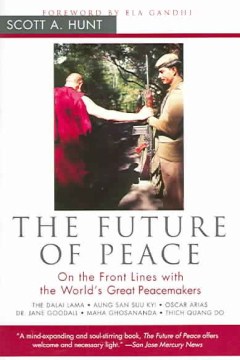
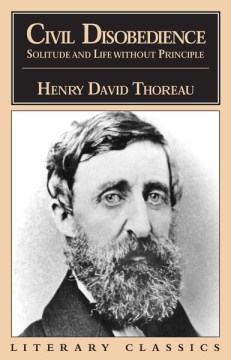
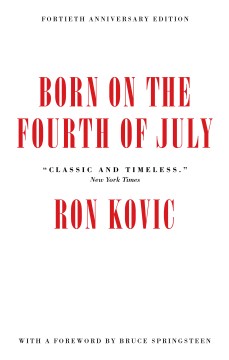
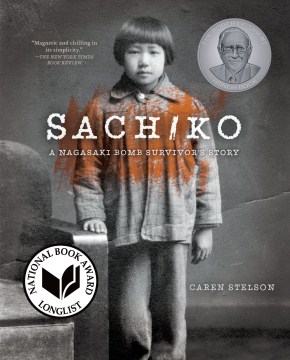
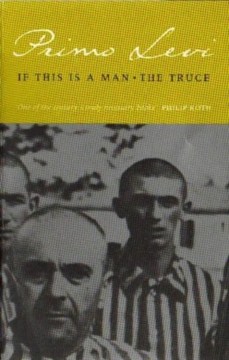
On Remembrance Day we reflect on the horrors of war and the terrible costs paid by soldiers, and by all people who live and die in war. This month in the school library we look at the theme of peace: Peacemakers, antiwar movements, pacifism, non-violent resistance, peace movements, conscientious objectors, and alternatives to violence and war.
Tag: anti-war





















Ali the Conscientious Objector
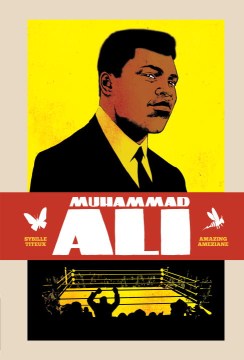
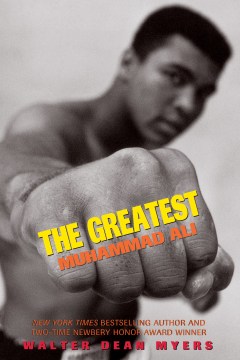
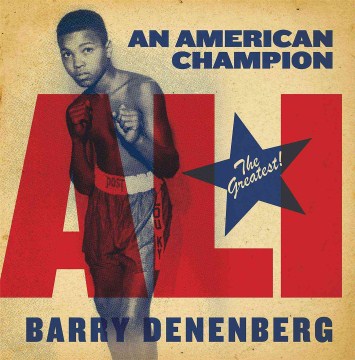
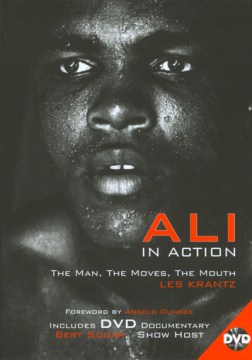
On this date in 1967, Muhammed Ali was arrested for refusing his conscription into the US military for the Vietnam War. Ali was the undisputed Heavyweight Champion of the World, and arguably the most famous athlete in the world, perhaps of all time. Yet later that day he was stripped of his titles and effectively banned from boxing for more than 3 years, at the height of his athletic prowess.
Ali was already a powerful symbol for African-American Civil Rights. His decision to be a conscientious objector, refusing to be drafted for the Vietnam War, elevated his status in the US and around the world as a counter-cultural icon. He stated, “Why should they ask me to put on a uniform and go ten thousand miles from home and drop bombs and bullets on brown people in Vietnam while so-called Negro people in Louisville are treated like dogs and denied simple human rights?” (source) Ali would eventually box again, regaining his championship belts, but it is his status as a champion of peace and of human rights that make him a true hero.
Find out more:

Muhammad Ali and Vietnam- The Atlantic
Why Ali Refused to Fight in the War- Washington Post
Muhammad Ali refuses Army induction- History.com
Peace
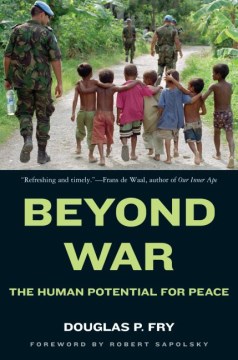
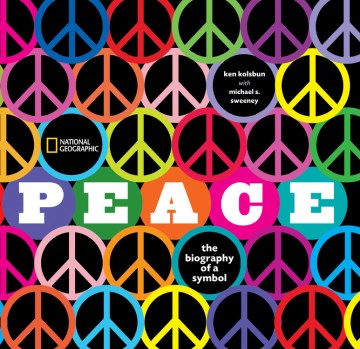
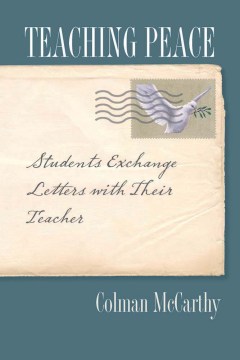
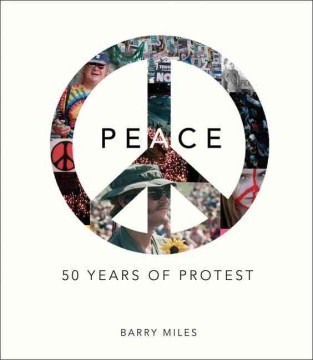
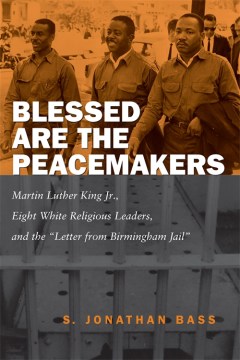
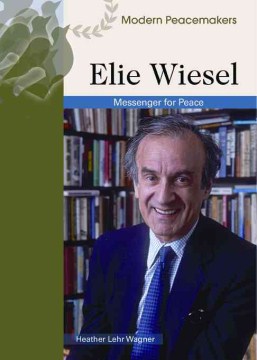
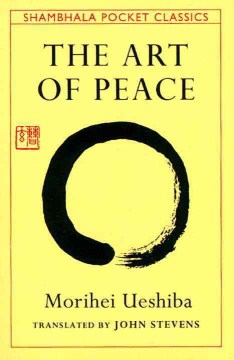
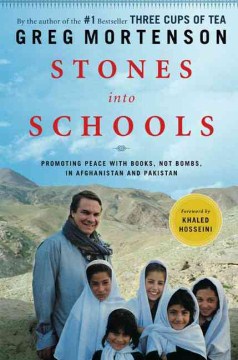
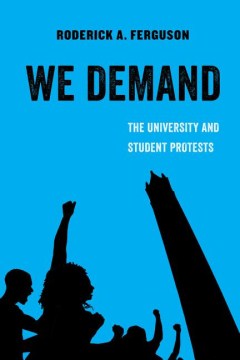
Visit the School Library and check out our display of books on our theme for November: PEACE.


Muhammad Ali
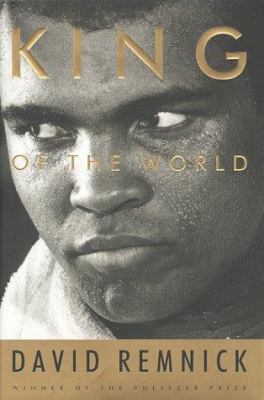 Cassius Clay was born on this day in 1942. After winning a Gold Medal in the Olympics for the United States, he would turn professional and go on to become the Heavyweight Champion of the World. He changed his name to Muhammad Ali as part of his conversion to Islam. Ali would win the Heavyweight Title an unprecedented three times, most famously regaining the title in 1974, seven years after having his title stripped from him in 1967. When Ali was drafted for military service by the US government, likely for duty in Vietnam, Ali refused induction as a conscientious objector, citing his religious beliefs and his opposition to the Vietnam War. Ali famously told the world that “No, I am not going 10,000 miles to help murder, kill, and burn other people to simply help continue the domination of white slavemasters over dark people the world over. This is the day and age when such evil injustice must come to an end”
Ali was arrested and found guilty of draft evasion. Boxing authorities stripped him of his title and banned him from the sport for nearly 4 years. Although the Supreme Court eventually overturned his criminal conviction, he had lost his title and many years of his athletic prime. Remarkably, he fought his way back to the top, defeating George Forman in the legendary “Rumble in the Jungle” in 1974. After losing the title again in 1978 to Leon Spinks, Ali won the rematch to regain the Belt for an unprecedented third Heavyweight Boxing Title.
 Ali is arguably the greatest athlete in history. In his prime, he was certainly the most famous and recognizable athlete in the entire world. Ali was a polarizing figure, as many hated him for his brash, self-aggrandizing demeanor and his outspoken religious and political statements. However, even more people loved him. To a generation of people all over the globe, Ali was a counter-cultural hero who represented the struggle against racism, against war and against the conservative authorities of the day.
Find out more about Muhammad Ali:
Muhammad Ali
Cassius Clay was born on this day in 1942. After winning a Gold Medal in the Olympics for the United States, he would turn professional and go on to become the Heavyweight Champion of the World. He changed his name to Muhammad Ali as part of his conversion to Islam. Ali would win the Heavyweight Title an unprecedented three times, most famously regaining the title in 1974, seven years after having his title stripped from him in 1967. When Ali was drafted for military service by the US government, likely for duty in Vietnam, Ali refused induction as a conscientious objector, citing his religious beliefs and his opposition to the Vietnam War. Ali famously told the world that “No, I am not going 10,000 miles to help murder, kill, and burn other people to simply help continue the domination of white slavemasters over dark people the world over. This is the day and age when such evil injustice must come to an end”
Ali was arrested and found guilty of draft evasion. Boxing authorities stripped him of his title and banned him from the sport for nearly 4 years. Although the Supreme Court eventually overturned his criminal conviction, he had lost his title and many years of his athletic prime. Remarkably, he fought his way back to the top, defeating George Forman in the legendary “Rumble in the Jungle” in 1974. After losing the title again in 1978 to Leon Spinks, Ali won the rematch to regain the Belt for an unprecedented third Heavyweight Boxing Title.
Ali is arguably the greatest athlete in history. In his prime, he was certainly the most famous and recognizable athlete in the entire world. Ali was a polarizing figure, as many hated him for his brash, self-aggrandizing demeanor and his outspoken religious and political statements. However, even more people loved him. To a generation of people all over the globe, Ali was a counter-cultural hero who represented the struggle against racism, against war and against the conservative authorities of the day.
Find out more about Muhammad Ali:
 Lord Tweedsmuir Secondary School Library