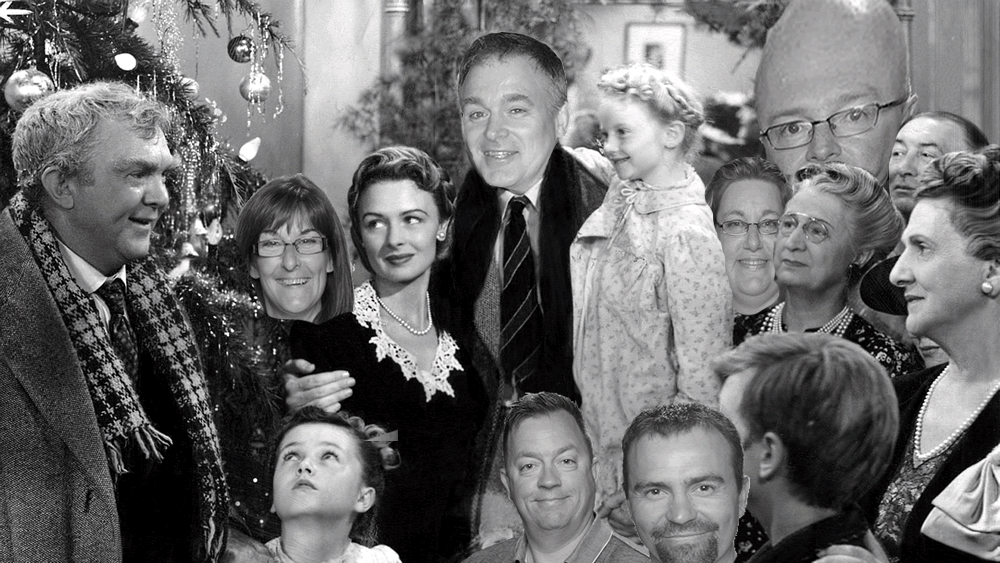
Holidays and Holy Days

American Thanksgiving marks the unofficial start to the “Holiday Season” in the United States and in Canada. As the days become shorter and weather gets worse, we prepare for many weeks of festivals, parties and celebrations.  Some of these are religious in nature while many are secular.  It is a month of Holidays and Holy Days.

Come down to the school library to join us as we celebrate this wonderful time of the year. Check out our displays related to Christmas and the many other holidays of the winter including Kwanzaa, Yule, Hanukkah, New Year and more. And come back here to see more online as we celebrate “Holidays and Holy Days.”

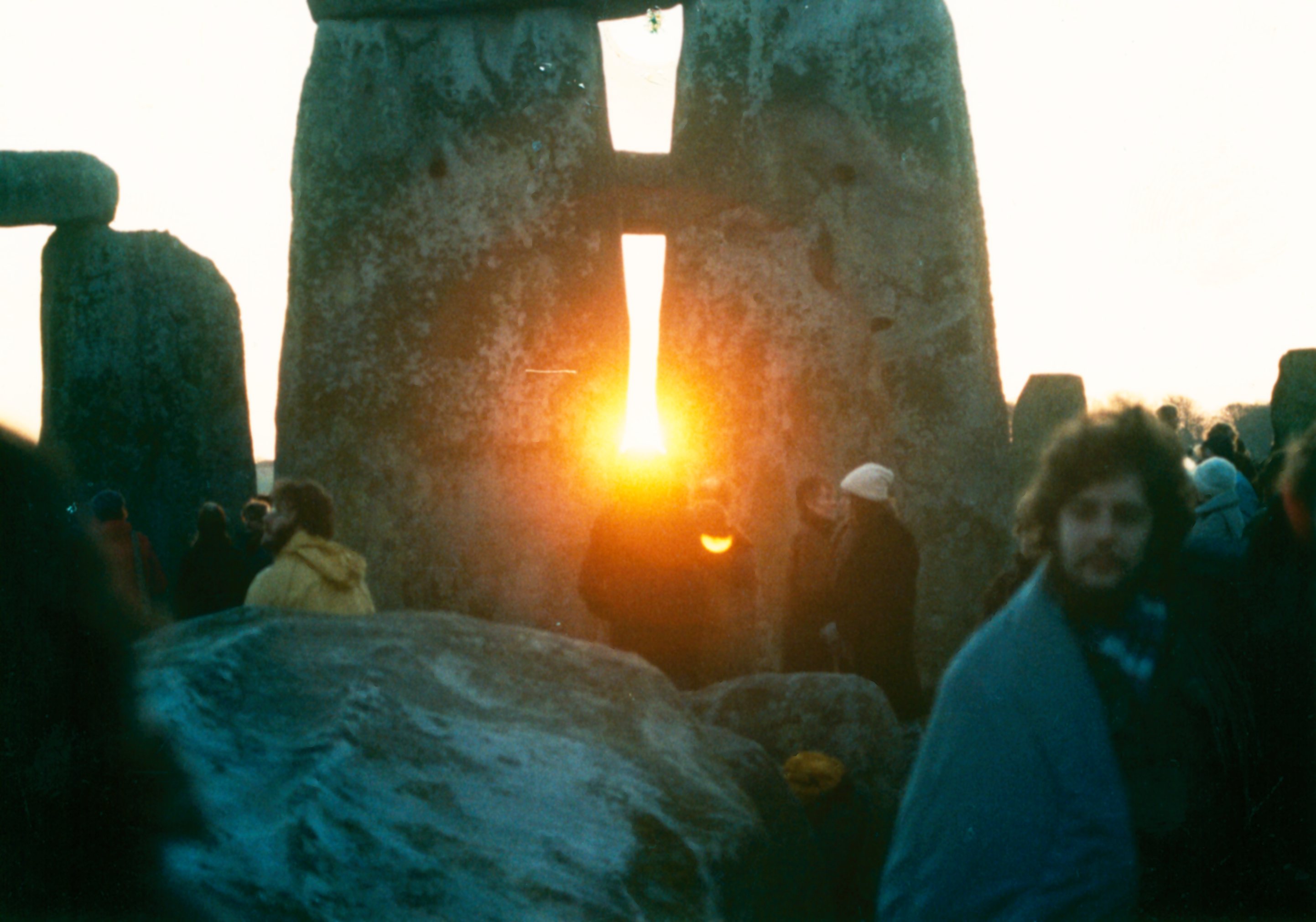
Winter Solstice and Yule

source: Wikimedia Commons / CC

Winter begins in the northern hemisphere on this, the shortest day of the year. In traditional pagan cultures, this time of the year represented darkness giving way to light, and death giving way to life. The dark and cold had reached its nadir. Henceforth the days would grow longer and warmer. Hope was restored. Many of the festivals and celebrations that take place at this time of year, from many different cultures, follow this theme.

For more on this and other winter observances and feasts, check out our display: Holidays and Holy Days.

Las Posadas

lasposadasThis 9 day festival is central to Navidad (Christmas) celebrations in Mexico. This is a neighbourhood festival that commemorates the journey of Mary and Joseph, who could not find posadas, (Spanish for “lodging”) before the birth of Jesus. A procession, including people dressed as Angels, Saints and the Holy Family, marches through the neighbourhood, knocking on doors looking for a place to stay. Like Mary and Joseph, they are refused, until finally the parade ends at one home where they are welcomed in. Feasting ensues, including a pinata for the children.

Be sure to check out our display, “Holidays & Holy Days.”

Las Posadas

lasposadasThis 9 day festival is central to Navidad (Christmas) celebrations in Mexico. This is a neighbourhood festival that commemorates the journey of Mary and Joseph, who could not find posadas, (Spanish for “lodging”) before the birth of Jesus. A procession, including people dressed as Angels, Saints and the Holy Family, marches through the neighbourhood, knocking on doors looking for a place to stay. Like Mary and Joseph, they are refused, until finally the parade ends at one home where they are welcomed in. Feasting ensues, including a pinata for the children.

Be sure to check out our display, “Holidays & Holy Days.”

Winter Solstice and Yule

source: Wikimedia Commons / CC

The Winter Solstice occurs a 8:49 PM on December 21st in the Pacific Time Zone.

Winter begins in the northern hemisphere on this, the shortest day of the year. In traditional pagan cultures, this time of the year represented darkness giving way to light, and death giving way to life. The dark and cold had reached its nadir. Henceforth the days would grow longer and warmer. Hope was restored. Many of the festivals and celebrations that take place at this time of year, from many different cultures, follow this theme.

For more on this and other winter observances and feasts, check out our display: Holidays and Holy Days, and check out the following:


Advent

Advent Wreath and Candles.  source: Clemens (CC/wikimedia)

The Holiday Season in the western world has traditionally been synonymous with Advent, literally the period of expectation of an important arrival. For Christians the season of Advent is about the anticipation of Christmas, the celebration of the birth of Christ. In the Christian Church, on each of the four Sundays leading up to Christmas, candles are lit as symbols of Advent.

Be sure to check out our display of books for “Holidays and Holy Days!”

Winter Solstice and Yule

source: Wikimedia Commons / CC

Winter begins in the northern hemisphere on this, the shortest day of the year. In traditional pagan cultures, this time of the year represented darkness giving way to light, and death giving way to life. The dark and cold had reached its nadir. Henceforth the days would grow longer and warmer. Hope was restored. Many of the festivals and celebrations that take place at this time of year, from many different cultures, follow this theme.

For more on this and other winter observances and feasts, check out our display: Holidays and Holy Days.

Las Posadas

lasposadasThis 9 day festival is central to Navidad (Christmas) celebrations in Mexico. This is a neighbourhood festival that commemorates the journey of Mary and Joseph, who could not find posadas, (Spanish for “lodging”) before the birth of Jesus. A procession, including people dressed as Angels, Saints and the Holy Family, marches through the neighbourhood, knocking on doors looking for a place to stay. Like Mary and Joseph, they are refused, until finally the parade ends at one home where they are welcomed in. Feasting ensues, including a pinata for the children.

Be sure to check out our display, “Holidays & Holy Days.”

Advent

Advent Wreath and Candles.  source: Clemens PFEIFFER, Vienna (CC / wikimedia)

The Holiday Season in the western world has traditionally been synonymous with Advent, literally the period of expectation of an important arrival. For Christians the season of Advent is about the anticipation of Christmas, the celebration of the birth of Christ. In the Christian Church, on each of the four Sundays leading up to Christmas, candles are lit as symbols of Advent.

Be sure to check out our display of books for “Holidays and Holy Days!”

Holidays and Holy Days

American Thanksgiving marks the unofficial start to the “Holiday Season” in the United States and in Canada. As the days become shorter and weather gets worse, we prepare for many weeks of festivals, parties and celebrations.  Some of these are religious in nature while many are secular.  It is a month of Holidays and Holy Days.

Come down to the school library to join us as we celebrate this wonderful time of the year. Check out our displays related to Christmas and the many other holidays of the winter including Kwanzaa, Yule, Hanukkah, New Year and more. And come back here to see more online as we celebrate “Holidays and Holy Days.”
 
itsawonder2014