Rohatsu

Rohatsu/ Laba/ Bodhi Day: December 8
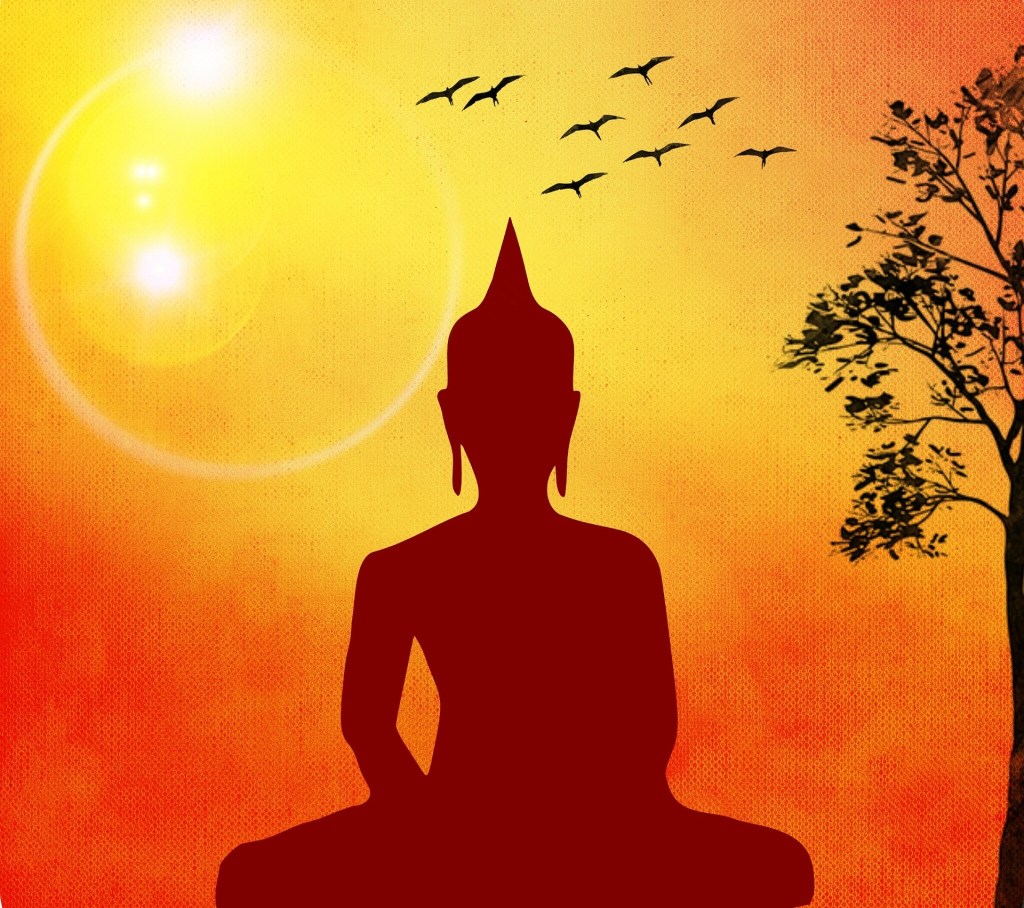


Rohatsu, Laba and Bodhi Day are all different names for the celebration of the Enlightenment of the the Buddha.

In much of the world is is known as Bodhi Day. In China it is known as the festival of Laba, while in Japan it is known as Rohatsu.

The religion known as Buddhism dates back to the 6th or 5th Century BCE, when the Indian Prince Siddhartha Gautama became the “Buddha,” literally, “the Enlightened One.” The followers of the Mahayana branch of Buddhism observe Rohatsu, Laba, or Bodhi Day, in celebration of the day that the Buddha sat below the Bodhi Tree and meditated on the meaning of life. 

The Great Buddha at  Kōtoku-in, Kamakura, Japan
source: Wikimedia Commons; Bgabel at wikivoyage shared, CC BY-SA 3.0

This day is celebrated mainly by the Buddhists of northern and eastern Asia, and in countries to which those people have immigrated (such as Canada). To many this holiday is known as Bodhi Day and it occurs on the 8th day of the 12th month of the lunar year. With the Japanese adoption of the western calendar (Gregorian) Rohatsu is fixed on December 8th.

For more on Rohutsu and the life of the Buddha:

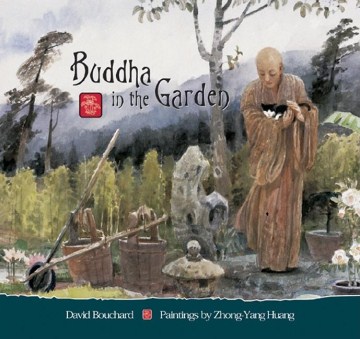
and these books in your School Library:

The Holiday Season

Here are just some of the observances, festivals, celebrations and special days that take place in the coming month or so of holidays and holy days, known to many as “The Holiday Season.”

  • December 1: Advent
  • December 3: Giving Tuesday
  • December 5: Krampusnacht
  • December 6: St. Nicholas Day
  • December 8: Bodhi Day / Rohatsu
  • December 8: Feast of the Immaculate Conception
  • December 8: Advent (second Sunday)
  • December 10: International Human Rights Day
  • December 11: Gita Jayanti
  • December 12: Feast of Masa’il
  • December 15: Advent (third Sunday)
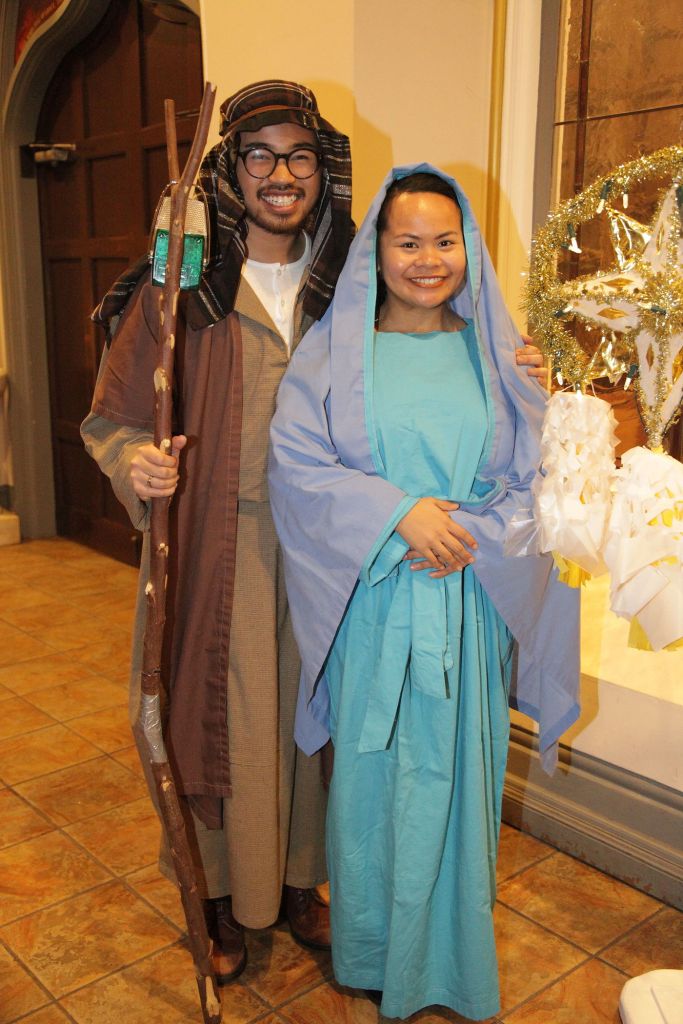
  • December 16: Simbang Gabi / Los Posadas
  • December 21: Winter Solstice / Yule / Grianstad an Gheimhridh
  • December 22: Advent (fourth Sunday)
  • December 23: Festivus
  • December 24: Christmas Eve
  • December 25: Christmas Day
  • December 25 (evening): Hanukkah begins
  • December 26: St. Stephen’s Day
  • December 26: Kwanzaa begins
  • December 31: New Year’s Eve
  • December 31: Hogmanay
  • January 1: New Year’s Day
  • January 1: Kwanzaa concludes
  • January 2: Hanukkah concludes
  • January 7: Orthodox Christmas
  • January 13: Maghi
  • January 17: Guru Gobind Singh Jayanti

Advent

Advent Wreath and Candles.  source: Clemens PFEIFFER, Vienna (CC / wikimedia)

The Holiday Season in the western world has traditionally been synonymous with Advent, literally the period of expectation of an important arrival. For Christians the season of Advent is about the anticipation of Christmas, the celebration of the birth of Christ. In the Christian Church, on each of the four Sundays leading up to Christmas, candles are lit as symbols of Advent.

In 2024 the four Sundays of Advent are December 1, December 8, December 15 and December 22.

Thanksgiving

What are you thankful for? Take some time this Thanksgiving to appreciate the good things in your life.

We have a long weekend with the day off of school on Monday. For many Canadians, this is a day of traditions.. Perhaps you will be eating a turkey, surrounded by friends and family. But will you take some time to “give thanks” on Thanksgiving?

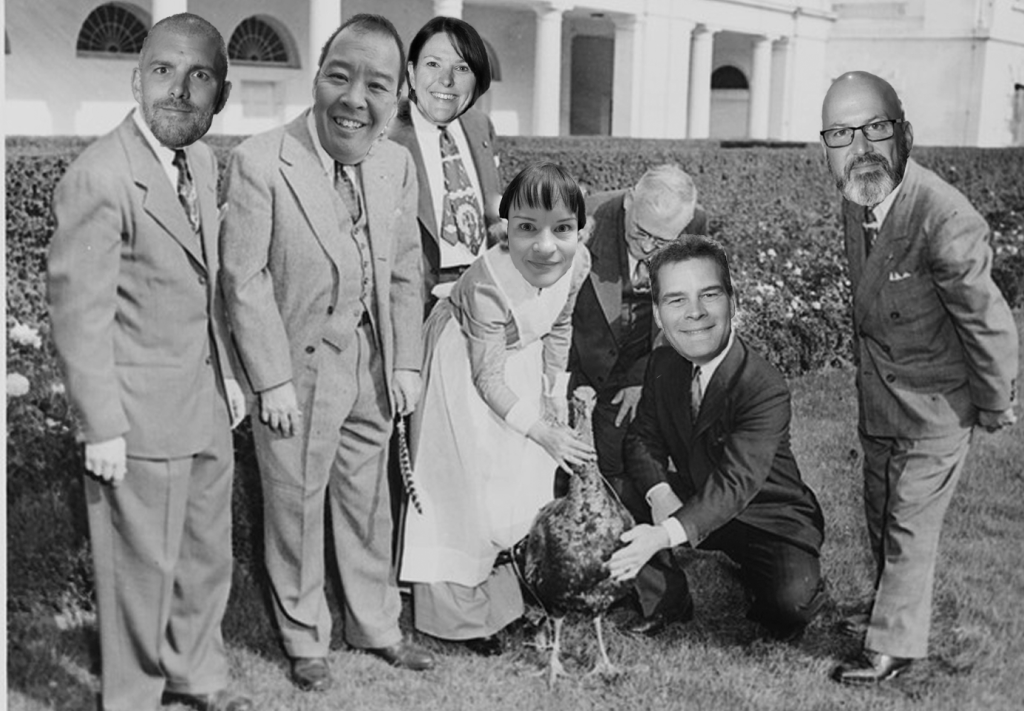
Staff at Lord Tweedsmuir getting ready for a Thanksgiving meal.

Thankfulness is strongly correlated with positive mental health outcomes. According to Harvard Medical School: “In positive psychology research, gratitude is strongly and consistently associated with greater happiness. Gratitude helps people feel more positive emotions, relish good experiences, improve their health, deal with adversity, and build strong relationships.”

Some of us are incredibly privileged. Some would even say blessed. Over this Thanksgiving long weekend, we encourage you to take some time to consider the things in your life for which you are thankful.


Find out more:


Note: Life is full of challenges and hardships for all people. However, it may be worse for some, whose difficulties may be profound, perhaps even traumatic. In the midst of painful circumstances, it may be difficult to reflect on the things for which one might be thankful. Being grateful for the good things in life does not take away from the pain and trauma that may also be there. Gratitude alone is not a substitute for seeking help from mental health professionals.


Yom Kippur

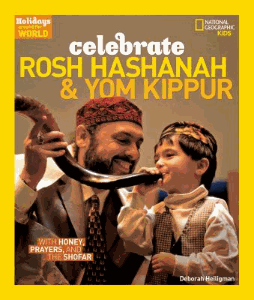
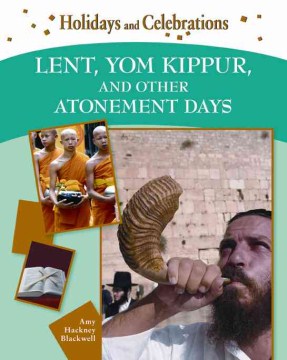
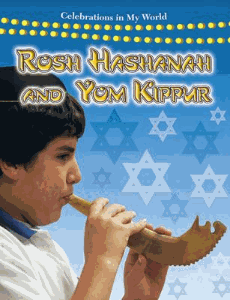
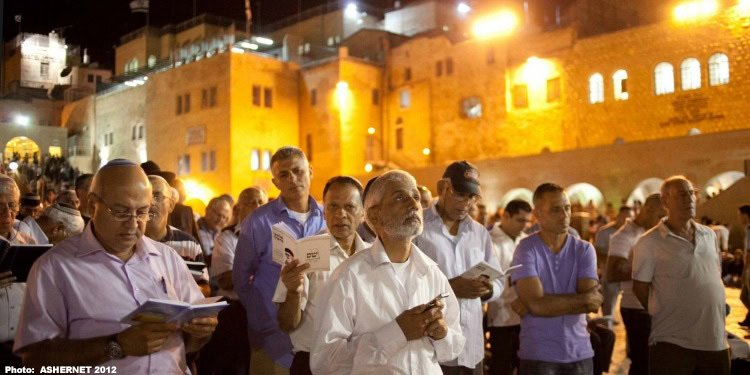
Yom Kippur, or the “Day of Atonement”, is the holiest day on the Jewish Calendar. For devout Jews in Canada and around the world, Yom Kippur is the most important Holiday, beyond Hanukkah or even the Passover. Many Jews will spend the entire day in fasting, praying and other observances.


In 2024 Yom Kippur begins at sundown on October 11, and ends at nightfall on October 12. (This is according to the Gregorian Calendar, while the lunar Jewish Calendar it is on the 10th of Tishrei, year 5785.)

source: ifcj.ca/resources/what-is-yom-kippur

Find out more:

What is Yom Kippur? (Chabad.org)

My Jewish Learning

History.com

National Geographic

Judaism 101

Eid al-Fitr

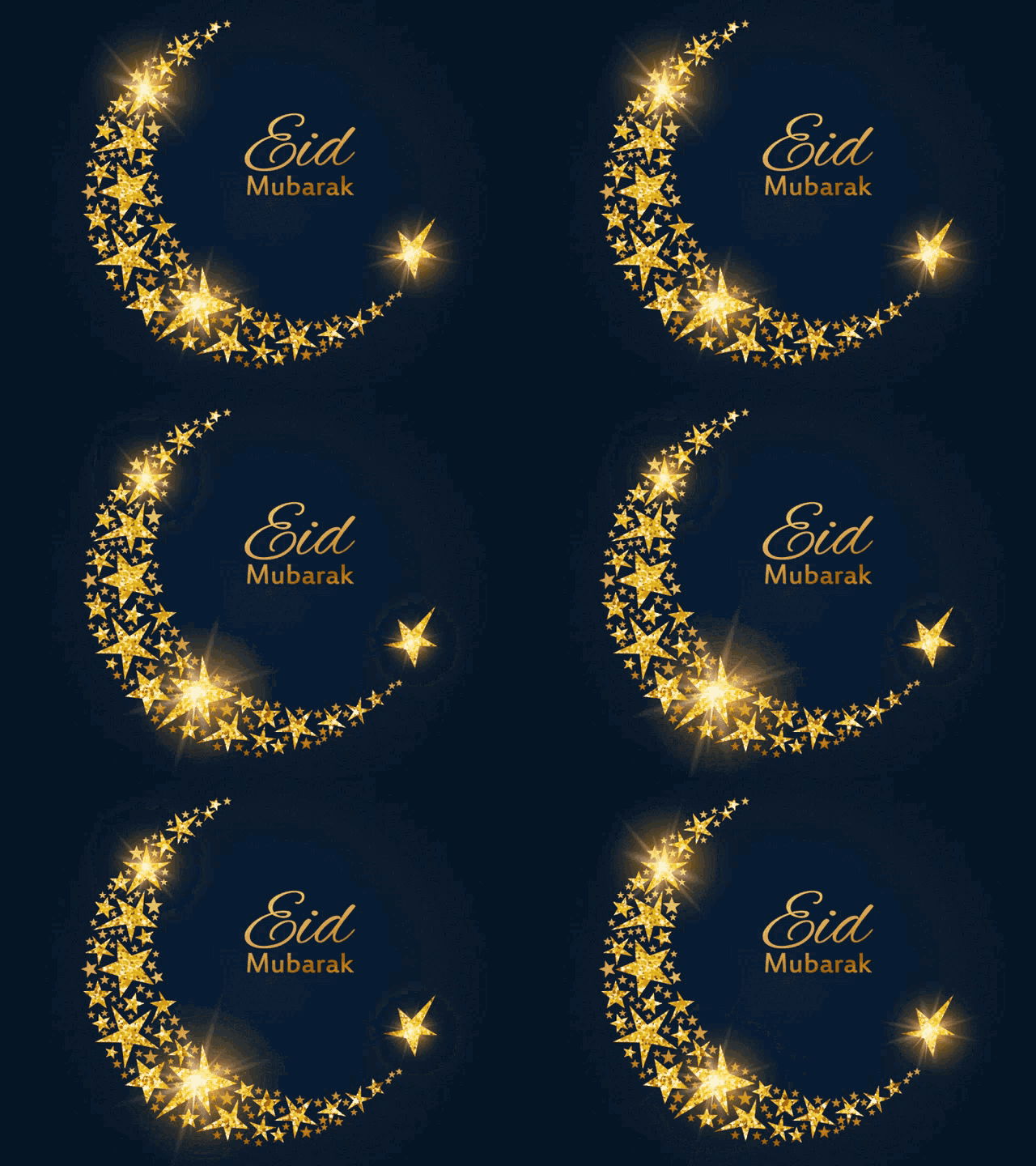
Eid Mubarak! As Ramadan comes to an end, Muslims in Canada and around the world celebrate Eid al-Fitr. Observant Muslims spent the holy month of Ramadan fasting during daylight hours, and with the arrival of Eid, feasting can begin. Eid al-Fitr, also known as the Festival of the Breaking of the Fast, Id-al-Fitr, or Sweet Eid, is a Muslim festival that is practiced in different ways around the world. Eid may be one day or it can last for three days. The official start of Eid may vary in different places around the world, depending on the sighting of the crescent moon to end the month. Ramadan may end on the evening of April 9 or 10 in 2024, according to the Gregrorian Calendar.


Find out more:

Muslim Link Greater Vancouver

Eid al-Fitr (AlJazeera)

Pluralism Project (Harvard University)


Imbolc

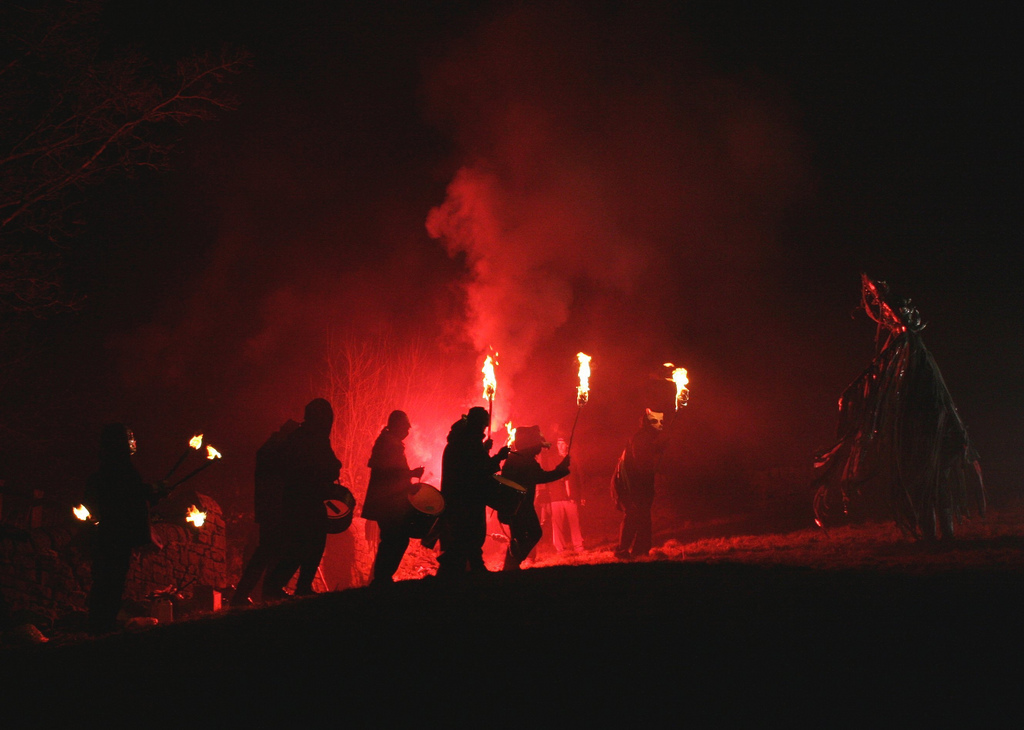
Imbolc is celebrated February 1 to 2. The traditions of Imbolc reach back deep into the pagan history of the Celtic peoples of Ireland and its neighbours. With the Christianization of Ireland, Imbolc was replaced by St. Brigid’s Day . Imbolc as a cultural event has seen a resurgence in recent years, mainly in the neo-pagan community. Imbolc has also grown in popularity amongst others who desire to celebrate traditional Irish/Celtic culture, particularly in regards to the connections with nature and the cycles of the year.

malcolm, CC BY-SA 2.0 https://creativecommons.org/licenses/by-sa/2.0, via Wikimedia Commons


Roughly halfway between the winter solstice and the spring equinox, Imbolc was celebrated as the start of Spring. Imbolc was associated with new life and fertility, particularly the arrival of lambs. Imbolc was also strongly associated with the Goddess Brigid. When Christianity arrived in Ireland in the early 5th, pagan traditions were often adapted to the new beliefs. Imbolc became known as St. Brigid’s Day. Along with St, Patrick and St. Columba, St. Brigid was a patron saint of Ireland. She may or may not have been a real person, and many historians believe that real person or not, her name was borrowed directly from the pagan goddess.

Find out more:

Simbang Gabi

Simbang Gabi: December 16-24

Simbang Gabi is a Filipino Christmas celebration that takes place from December 16 to December 24, concluding with Misa de Gallo at the Midnight Mass.  Simbang Gabi is a Novena, or a nine-day festival, similar to the Mexican Las Posadas and other Navidad celebrations in the Spanish speaking world.

Dating back hundreds of years to the  beginning of Spanish rule over the Philippines, Simbang Gabi emerged as a distinctly Filipino celebration of Christmas.  One of the features that developed in response to the agricultural practices of Filipino farmers is that the services are carried out in the very early morning, sometimes as early as 3:00 AM.

source: Simbang Gabi / BC Catholic

Many Canadians trace their roots to the Philippines, including many students here at Lord Tweedsmuir.  Ask some of your fellow students about Simbang Gabi!  You can also find out more here:


source: bccatholic.ca

Check out your School Library’s current display of books: “Holidays and Holy Days.”

Rohatsu

Rohatsu/ Laba/ Bodhi Day: December 8


Rohatsu, Laba and Bodhi Day are all different names for the celebration of the Enlightenment of the the Buddha.

In much of the world is is known as Bodhi Day. In China it is known as the festival of Laba, while in Japan it is known as Rohatsu.

The religion known as Buddhism dates back to the 6th or 5th Century BCE, when the Indian Prince Siddhartha Gautama became the “Buddha,” literally, “the Enlightened One.” The followers of the Mahayana branch of Buddhism observe Rohatsu, Laba, or Bodhi Day, in celebration of the day that the Buddha sat below the Bodhi Tree and meditated on the meaning of life. 

The Great Buddha at  Kōtoku-in, Kamakura, Japan
source: Wikimedia Commons; Bgabel at wikivoyage shared, CC BY-SA 3.0

This day is celebrated mainly by the Buddhists of northern and eastern Asia, and in countries to which those people have immigrated (such as Canada). To many this holiday is known as Bodhi Day and it occurs on the 8th day of the 12th month of the lunar year. With the Japanese adoption of the western calendar (Gregorian) Rohatsu is fixed on December 8th.

For more on Rohutsu and the life of the Buddha:

and these books in your School Library:
Hanukkah

(December 7 to 15)

Hanukkah is almost here. Jews in Canada and around the world celebrate Hanukkah starting at sundown on Thursday, December 7.

Source: CC/Robert Couse Baker

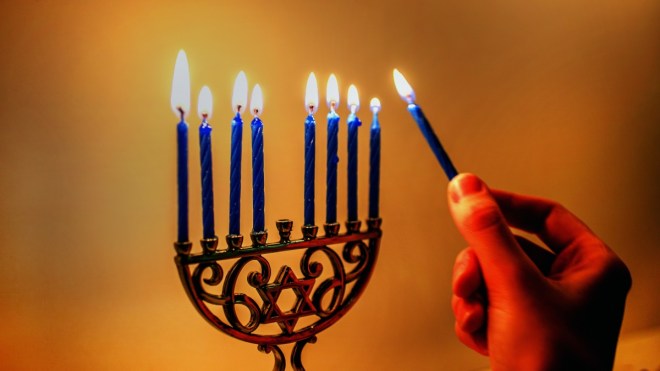
The Festival of Lights is a celebration of God’s deliverance and provision. The event began in remembrance of Maccabean revolt in the 2nd Century BCE, when the Hebrews recaptured the Temple in Jerusalem, the spiritual centre of Judaism. Each candle of the Menorah is lit, one per day for the 8 day Festival.

Like all Jewish Holy Days, which follow the lunar Hebrew Calendar and therefore vary against the Gregorian calendar, Hanukkah can occur anytime from late November to late December. This year Hanukkah will conclude on the evening of December 15.

For more information on Hanukkah, check out some of the following:

Check out our display: “Holidays & Holy Days” books such as:

Advent

Advent Wreath and Candles.  source: Clemens PFEIFFER, Vienna (CC / wikimedia)

The Holiday Season in the western world has traditionally been synonymous with Advent, literally the period of expectation of an important arrival. For Christians the season of Advent is about the anticipation of Christmas, the celebration of the birth of Christ. In the Christian Church, on each of the four Sundays leading up to Christmas, candles are lit as symbols of Advent.

In 2023 the four Sundays of Advent are December 3, December 10, December 17 and December 24.