Songs of Peace: Alice’s Restaurant

Happy Thanksgiving to all of our American friends, family and neighbours! Along with Turkey and football games, another staple of American Thanksgiving for many is listening to the 18 minute classic, “Alice’s Restaurant.”

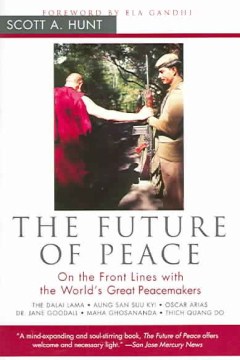
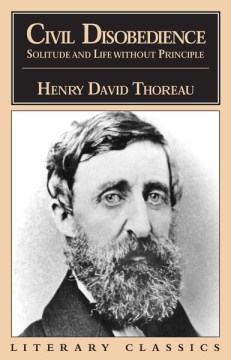
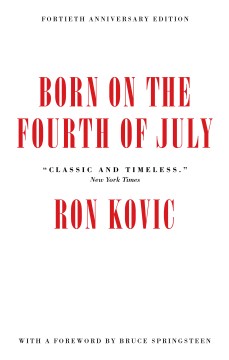
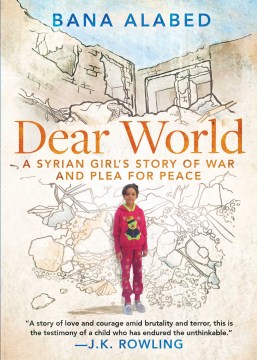
November has been Peace month in the School Library, with an emphasis on understanding peace education, the anti-war movements, civil disobedience and other non-violent means of social change. Such themes overlap with American Thanksgiving in “Alice’s Restaurant.”

Originally released in 1967, Arlo Guthrie’s 18 minute long recording of “Alice’s Restaurant” is a protest song against the Vietnam War.  The events described in the song, beginning with a Thanksgiving celebration amongst friends during the sixties, were the inspiration for a film which was released in 1969.

More than 50 years later Guthrie’s signature song is a staple of classic rock radio stations on and around American Thanksgiving.

Find out more:

source: Arlo Guthrie / You Tube via Warner Records

Songs of Peace: Imagine


Imagine all the people
Living life in peace

John Lennon

We previously featured “Give Peace a Chance” by John Lennon on a Songs of Peace post. “Imagine” is arguably his greatest song with or without the Beatles, and certainly one of the most loved and most played songs of the 20th Century.

source: YouTube / John Lennon & Plastic Ono Band


Other “Songs of Peace” in this series:

Songs of Peace: One Love

“Let’s get together and feel all right”

–Bob Marley, “One Love”

source: YouTube / John Lennon / Plastic Ono Band

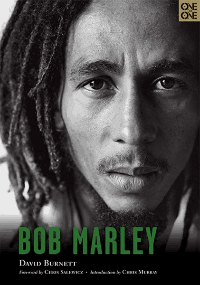
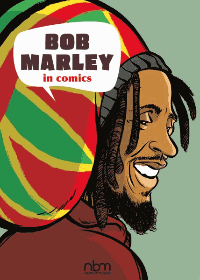
There are many songs by Bob Marley that are considered “Songs of Peace.” Today we take a moment to consider “One Love.”


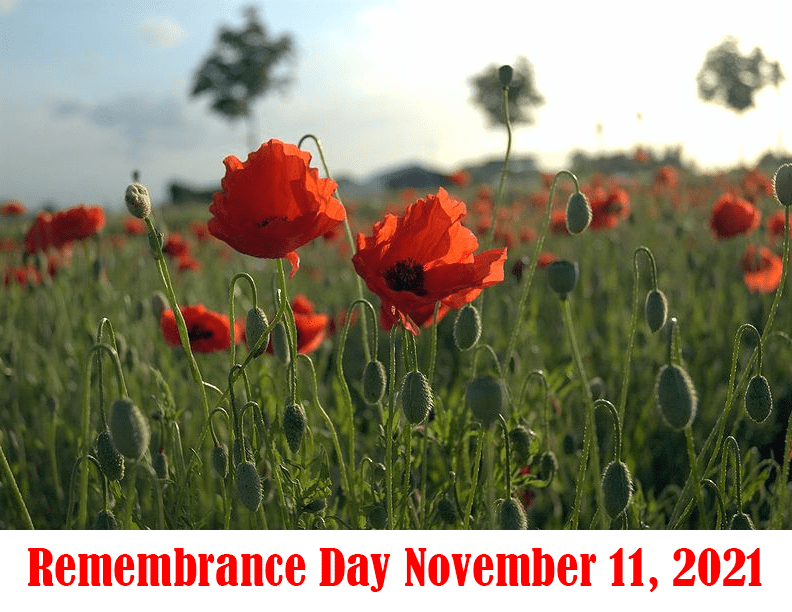
November 11 is Remembrance Day
November 5-11 is Veterans’ Week
November is Peace Month


Other “Songs of Peace” in this series:

Remembrance Day


On Remembrance Day we honour the memory of those Canadians who have fallen in war.  We do not celebrate or glorify war, but we pay respect to those that have paid the terrible costs of war.

It is important to remember that Remembrance Day is not one of the those holidays that is just a chance for rest and recreation. Please take some time to reflect on what Remembrance Day is all about. On November 11th at 11:00 AM, plan to take some time to honour those that have died and those that have served. Whether you attend a ceremony in person, or check out the television coverage of the ceremony in Ottawa or other parts of Canada, take some time for Remembrance.
Songs of Peace: Give Peace a Chance

“All we are saying is give peace a chance.”

–John Lennon

source: YouTube / John Lennon / Plastic Ono Band

The antiwar movement of the 1960s and early 1970’s focused on the American war in Vietnam and other parts of Southeast Asia. Many songs became forever associated with this era, perhaps none more so than “Give Peace a Chance.”
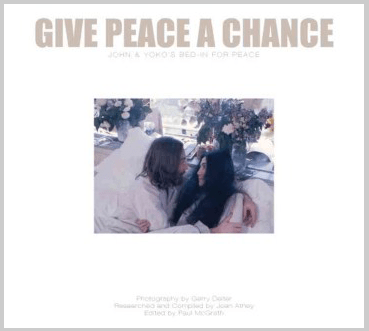
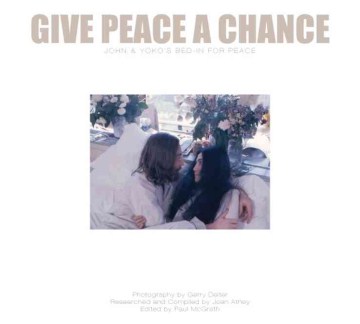
Although he was still a member of the Beatles, this was John Lennon’s first single released without the “Fab Four.” Originally the writing credits went to both Lennon and Paul McCartney, however later Lennon claimed that Yoko Ono deserved a credit, not Paul. The song was the musical highlight of the “Bed-In” of Lennon and Ono in Montreal in 1969. “Give Peace a Chance” would become what many consider to be the ultimate antiwar anthem.

Of course, many others will argue the ultimate antiwar anthem is John Lennon’s masterpiece, “Imagine.” Look for that in a future “Songs of Peace” post.

Find out more:

Give Peace a Chance (Wikipedia)

Official Site of John Lennon

Pop Matters: John Lennon


November 11 is Remembrance Day
November 5-11 is Veterans’ Week
November is Peace Month


Other “Songs of Peace” in this series:

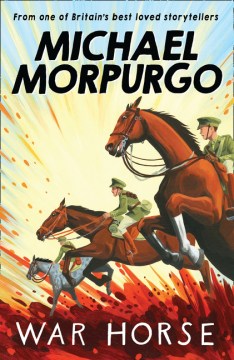
Antiwar Fiction

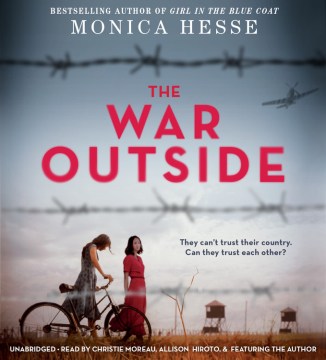
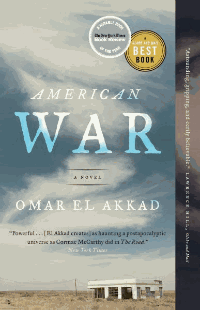
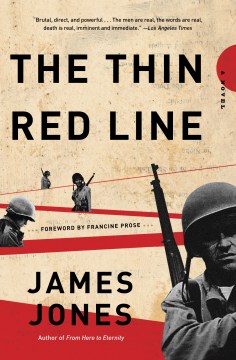
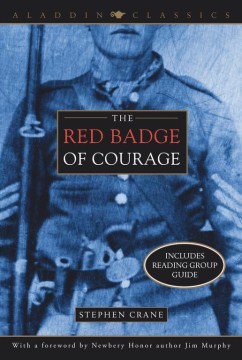
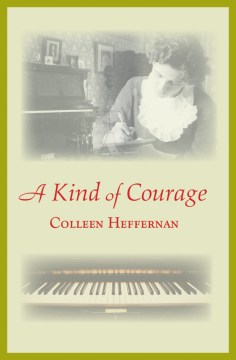
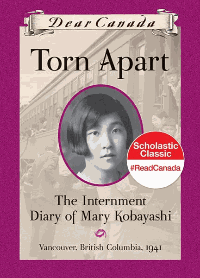
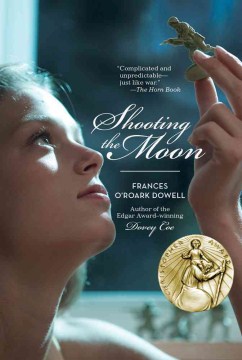
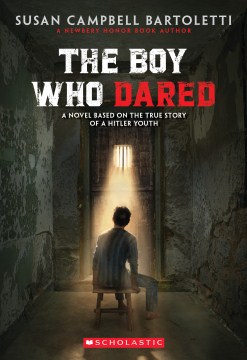
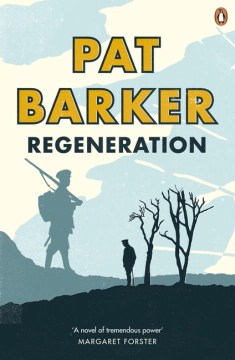
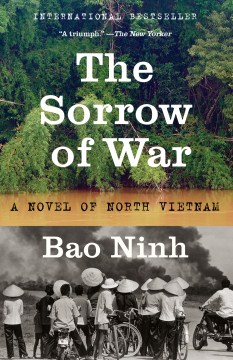
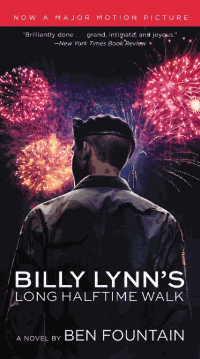
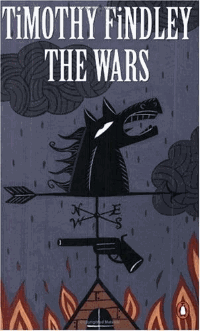
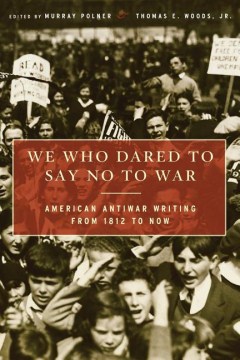
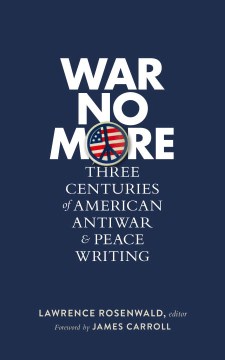
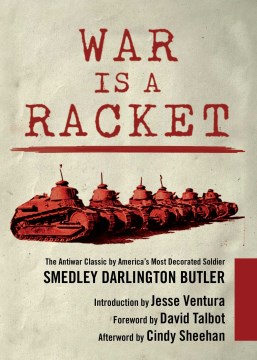
Come down to the School Library to check out our display of antiwar fiction. Our November focus is on Peace and such related concepts as peacekeepers, non-violence, antiwar movements, conscientious objectors, pacifists, and alternatives to war and violence. Antiwar fiction can take many forms, often trying to separate the myths from the realities of war, exposing the horrors of war and celebrating those that offer alternatives to violence.


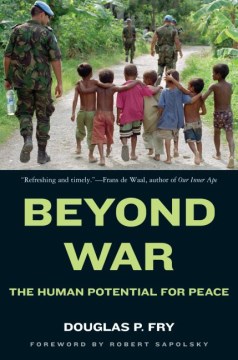
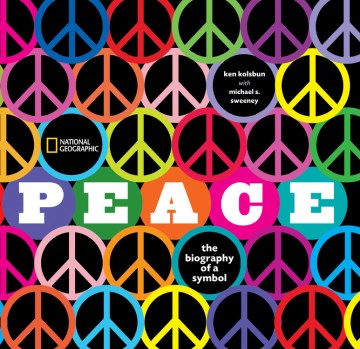
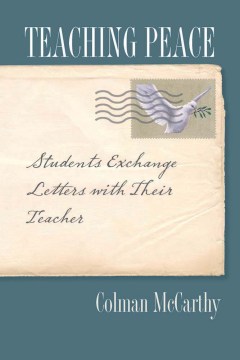
Peace


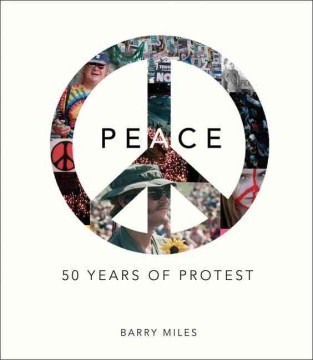
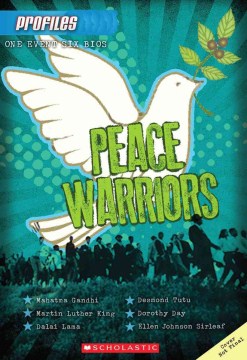
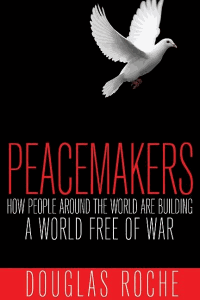
On Remembrance Day we reflect on the horrors of war and the terrible costs paid by soldiers, and by all people who live and die in war. This month in the school library we look at the theme of peace: Peacemakers, antiwar movements, pacifism, non-violent resistance, peace movements, conscientious objectors, and alternatives to violence and war.

International Day of Peace


source: un.org

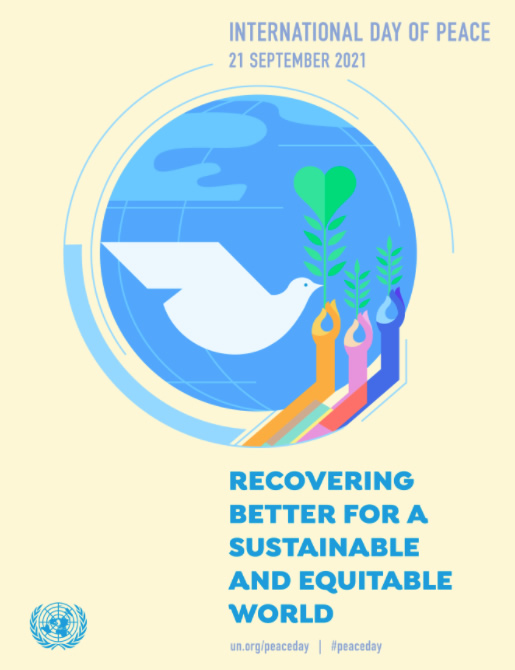
The International Day of Peace, established by the United Nations in 1981, is observed every September 21.  According to un.org:

“The UN General Assembly has declared this as a day devoted to strengthening the ideals of peace, through observing 24 hours of non-violence and cease-fire.

In 2021, as we heal from the COVID-19 pandemic, we are inspired to think creatively and collectively about how to help everyone recover better, how to build resilience, and how to transform our world into one that is more equal, more just, equitable, inclusive, sustainable, and healthier.

The pandemic is known for hitting the underprivileged and marginalized groups the hardest. By April 2021, over 687 million COVID-19 vaccine doses have been administered globally, but over 100 countries have not received a single dose. People caught in conflict are especially vulnerable in terms of lack of access to healthcare.”

Read the rest of this statement at UN.org


 Find out more about the International Day of Peace:


source: wildernesscommittee.org

Ali the Conscientious Objector

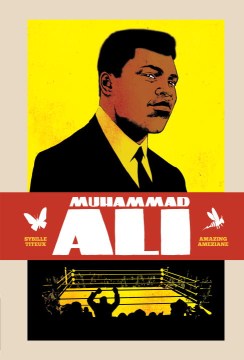
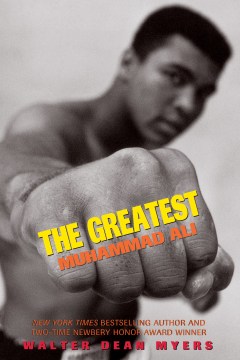
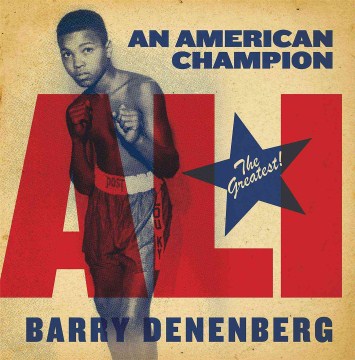
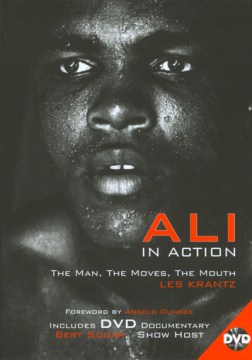
On this date in 1967, Muhammed Ali was arrested for refusing his conscription into the US military for the Vietnam War. Ali was the undisputed Heavyweight Champion of the World, and arguably the most famous athlete in the world, perhaps of all time. Yet later that day he was stripped of his titles and effectively banned from boxing for more than 3 years, at the height of his athletic prowess.

Ali was already a powerful symbol for African-American Civil Rights. His decision to be a conscientious objector, refusing to be drafted for the Vietnam War, elevated his status in the US and around the world as a counter-cultural icon. He stated, “Why should they ask me to put on a uniform and go ten thousand miles from home and drop bombs and bullets on brown people in Vietnam while so-called Negro people in Louisville are treated like dogs and denied simple human rights?” (source) Ali would eventually box again, regaining his championship belts, but it is his status as a champion of peace and of human rights that make him a true hero.

Find out more:


Muhammad Ali and Vietnam- The Atlantic

Why Ali Refused to Fight in the War- Washington Post

Muhammad Ali refuses Army induction- History.com

Muhammad Ali… – The Undefeated

The Ali Center

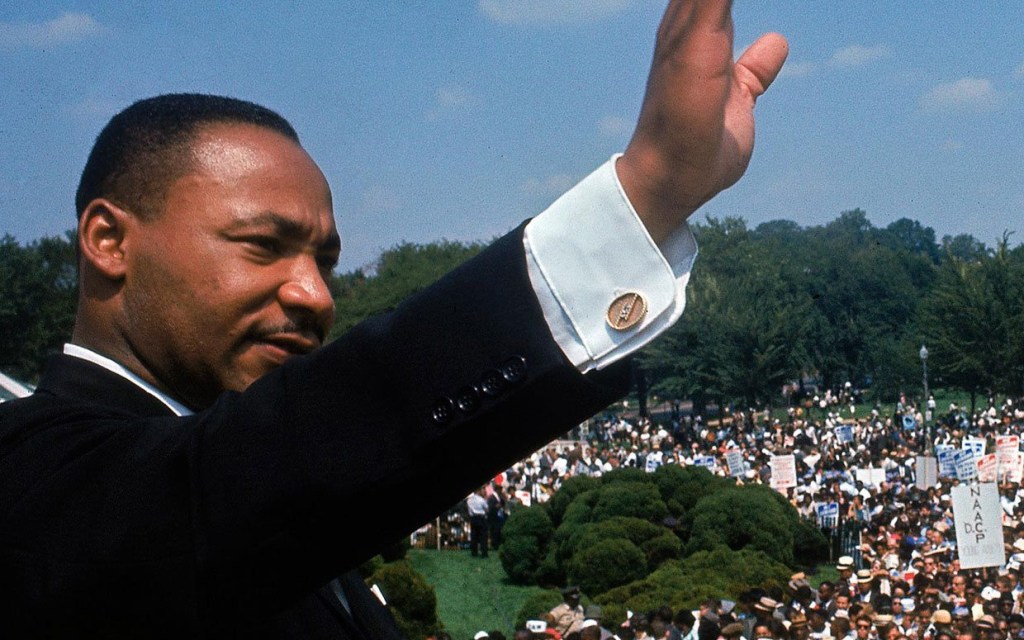
Martin Luther King Jr.

The Reverend Dr. Martin Luther King Jr. was born on this day in 1929.

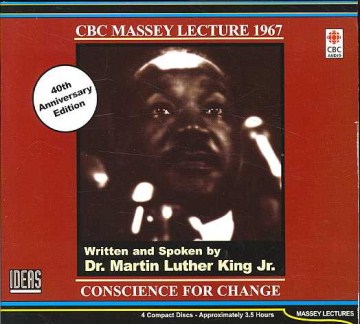
Dr. King was the leading figure of the Civil Rights Movement, as African-Americans struggled for freedom and equality in the United States. Dr. King was a brilliant orator and an inspirational leader. Dr. King was committed to the principals to non-violence, in part based on the example of Gandhi in India.  He believed that the only path towards a peaceful resolution of the plight of black people in the United States was through non-violence, civil disobedience, and peaceful protest.

source: CC / Wes Kandela

For more on the life of Dr. King:

International Day of Peace

source: un.org

The International Day of Peace, established by the United Nations in 1981, is observed every September 21.  According to un.org:

“This year, it has been clearer than ever that we are not each other’s enemies. Rather, our common enemy is a tireless virus that threatens our health, security and very way of life. COVID-19 has thrown our world into turmoil and forcibly reminded us that what happens in one part of the planet can impact people everywhere.”

 Find out more about the International Day of Peace here.