“This song is not a rebel song. This song is Sunday Bloody Sunday.” (U2)
source: U2 / YouTube
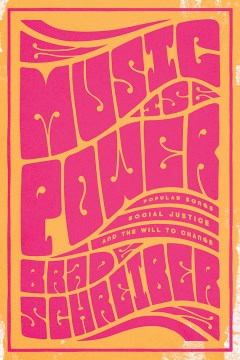
Sunday Bloody Sunday, by U2, is one of the Irish band’s signature tunes, one of the greatest rock songs of all time, and amongst the greatest calls for an end to violence and war that can be found in popular music.
The title refers specifically to the events of Bloody Sunday during the height of “The Troubles” in Northern Ireland. More generally the song is a denunciantion of the sectarian violence in Northern Ireland and a profoundly anti-war anthem.
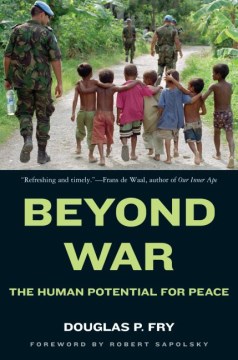
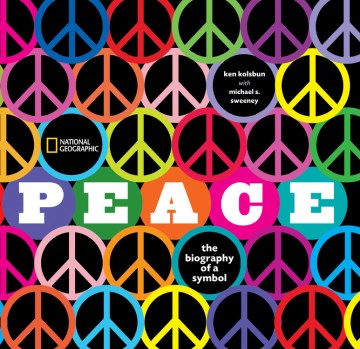
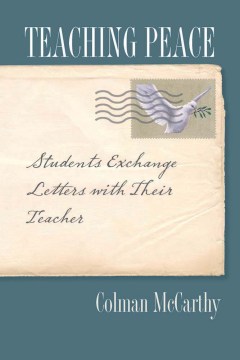
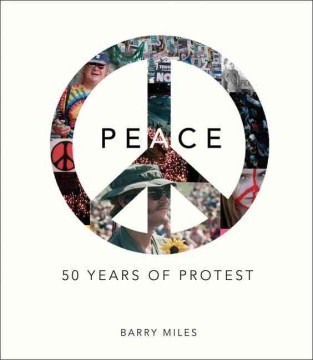
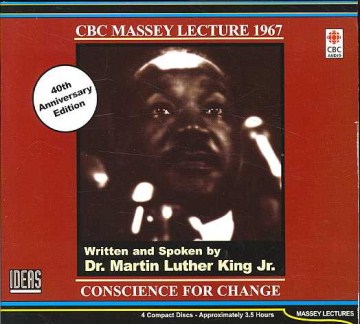
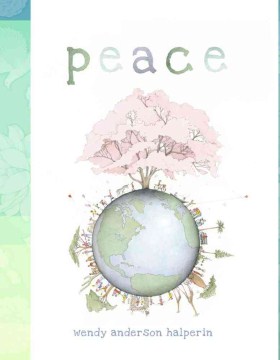
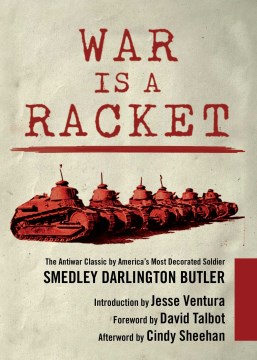
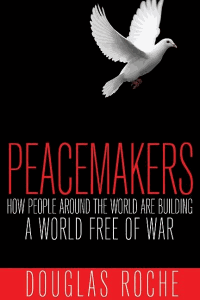
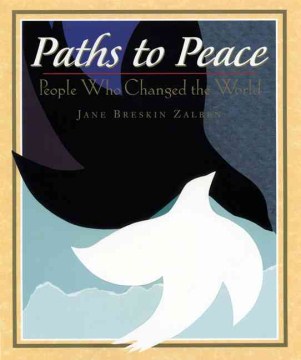
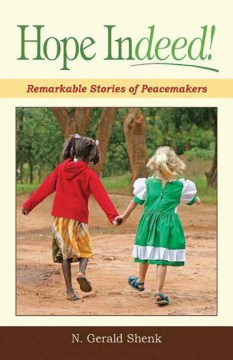
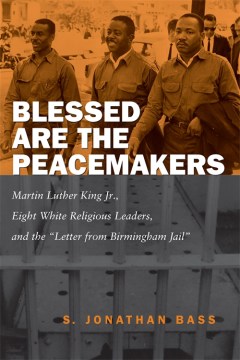
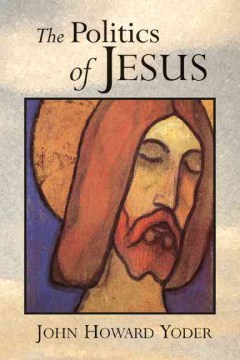
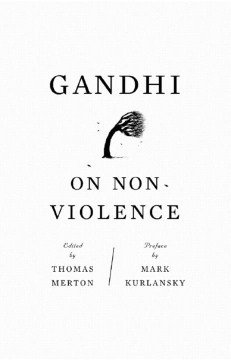
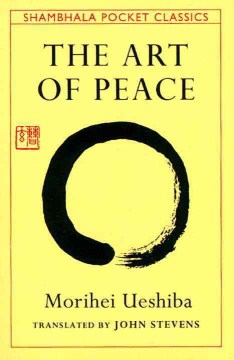
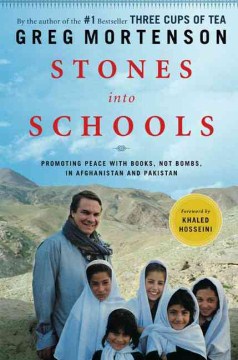
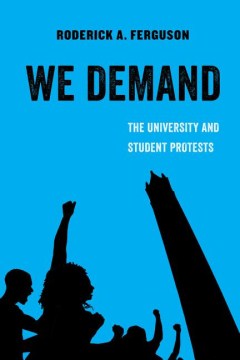
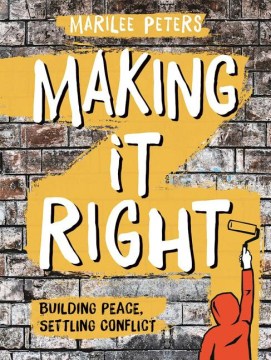
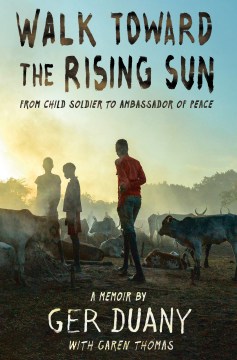
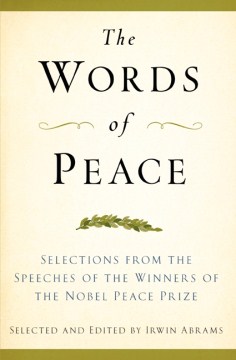
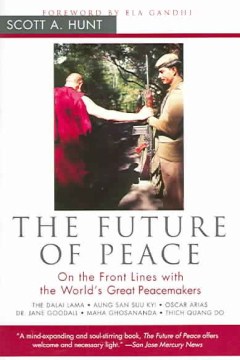
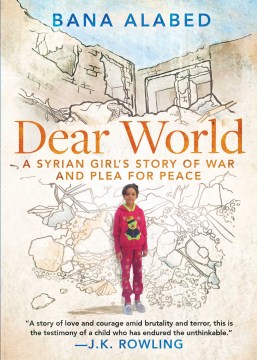
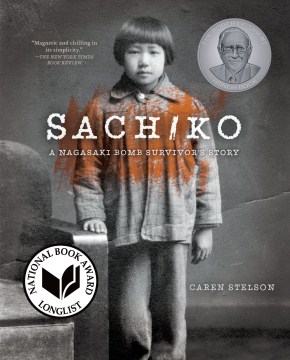
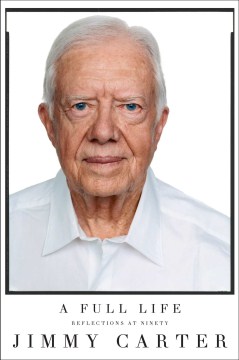
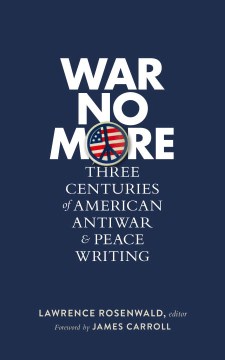
On Remembrance Day we reflect on the horrors of war and the terrible costs paid by soldiers, and by all people who live and die in war. This month in the school library we look at the theme of peace: Peacemakers, antiwar movements, pacifism, non-violent resistance, peace movements, conscientious objectors, and alternatives to violence and war.
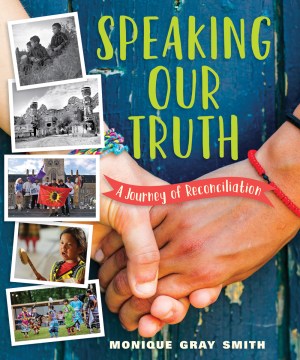
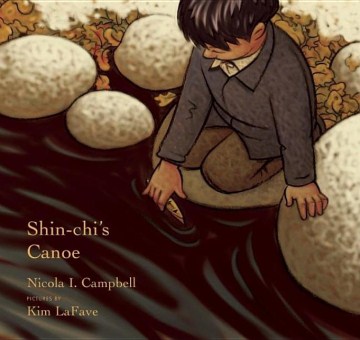
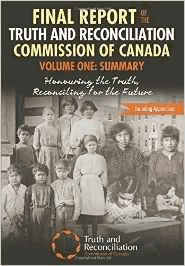
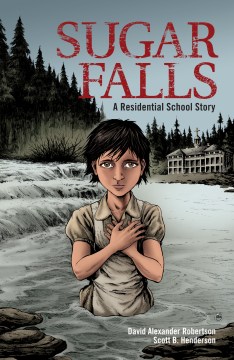
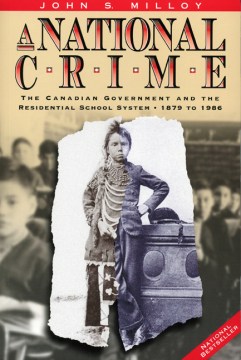
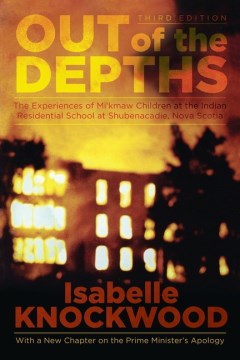
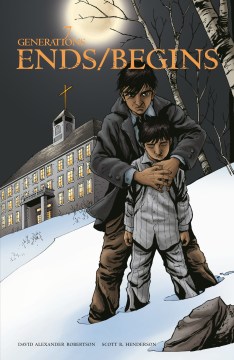
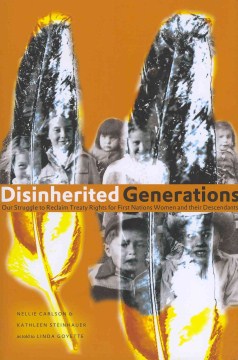
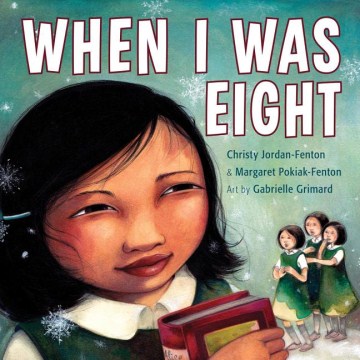
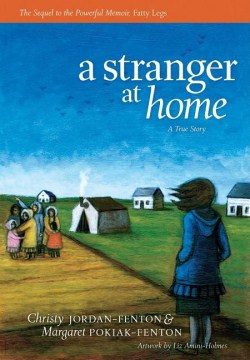
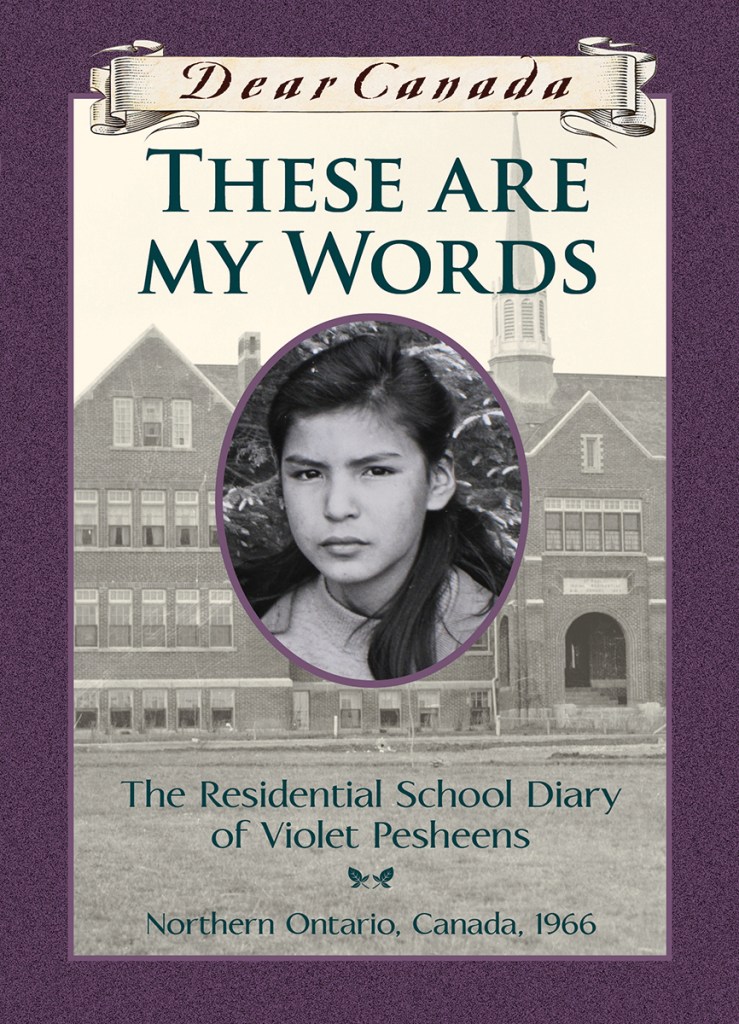
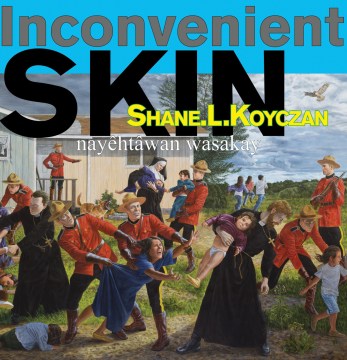
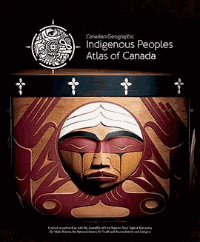
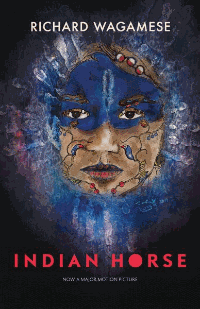
Thursday is the National Day for Truth and Reconciliation, in recognition of the terrible history and ongoing legacy of Residential Schools in Canada. School will be closed tomorrow, so today we observe Orange Shirt Day.
Listen, read, watch, discuss and learn about the impact of Residential Schools on Indigenous Peoples and on all of Canadian society. Encourage all Canadians to join together in the attempt to follow a path of Reconciliation.
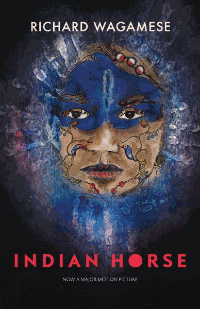
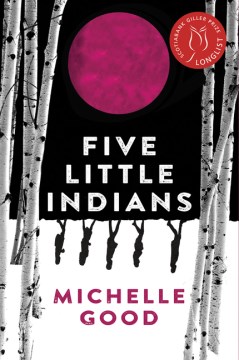
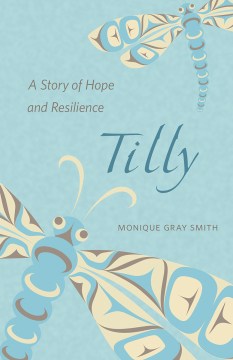
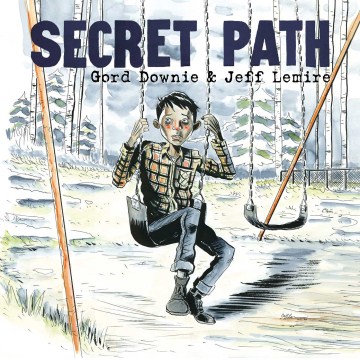
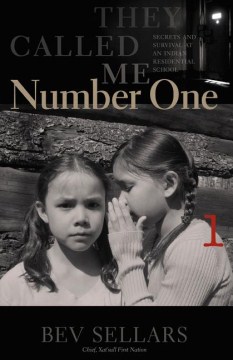
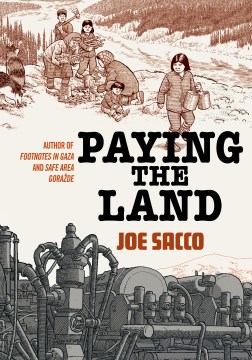
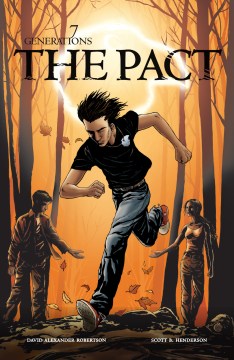
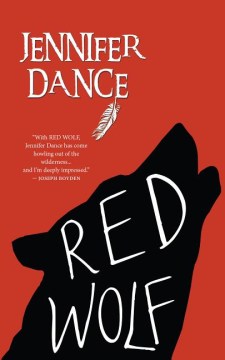
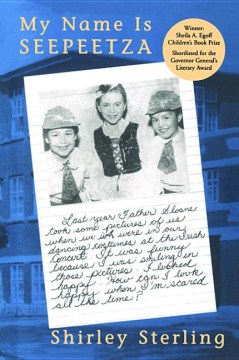
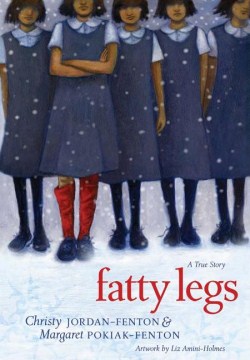
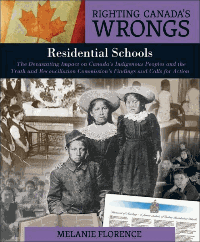
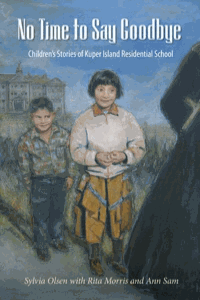
Come down to the School Library to browse through our collection of materials related to Orange Shirt Day:
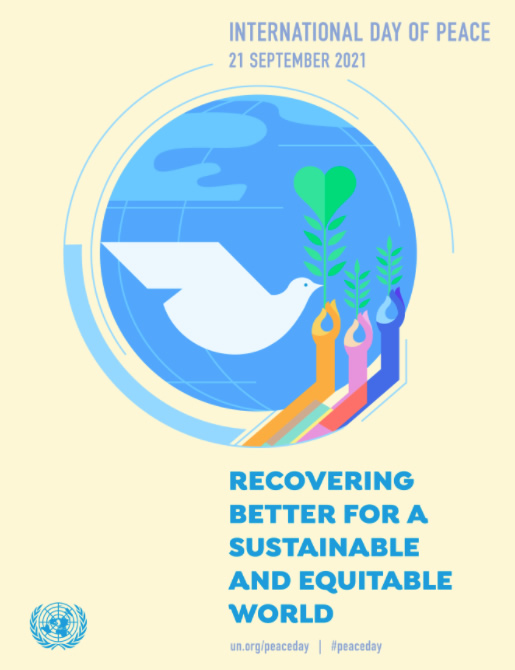
The International Day of Peace, established by the United Nations in 1981, is observed every September 21. According to un.org:
“The UN General Assembly has declared this as a day devoted to strengthening the ideals of peace, through observing 24 hours of non-violence and cease-fire.
In 2021, as we heal from the COVID-19 pandemic, we are inspired to think creatively and collectively about how to help everyone recover better, how to build resilience, and how to transform our world into one that is more equal, more just, equitable, inclusive, sustainable, and healthier.
The pandemic is known for hitting the underprivileged and marginalized groups the hardest. By April 2021, over 687 million COVID-19 vaccine doses have been administered globally, but over 100 countries have not received a single dose. People caught in conflict are especially vulnerable in terms of lack of access to healthcare.”

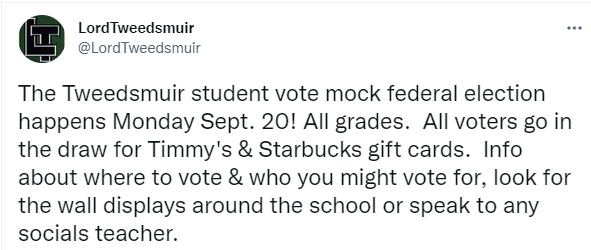
The School Library is a polling station for Student Vote Canada. While registered voters go to the polls in the 2021 Federal Election, all over our nation students are participating in a parallel mock election.
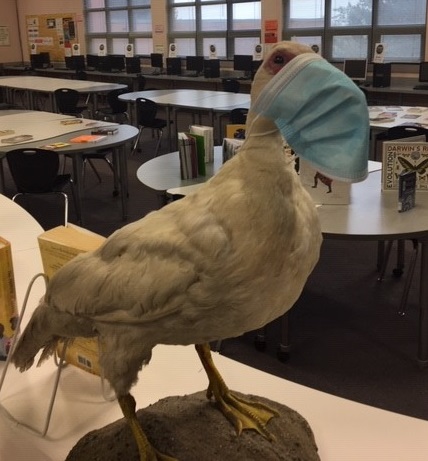
“If everyone who could get a Covid vaccine would get one, we would be on our way to getting through this mess. In the meantime, Covid is still enough of a problem that all of us, including the vaccinated, have to wear masks.”
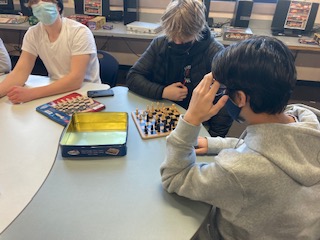
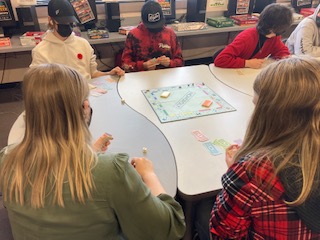
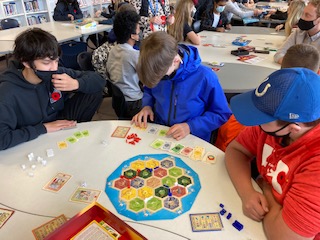
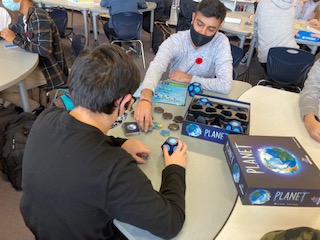
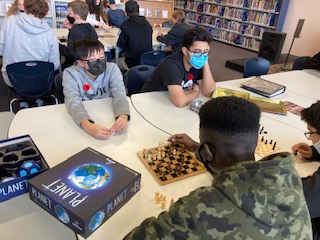
So come down to the school library, enjoy all that we have to offer… just be sure to wear that mask.
In 2021 we observe this day with a particular grief, as we mourn those children whose bodies were found in a mass unmarked grave at the site of a former Residential School in Kamloops. We grieve for the parents who never got to see those children come home from Residential School. We grieve for the generations of indigenous people who suffered, and still suffer, great trauma from the Residential School system. We grieve for our country, which will never be whole while the hard work of truth and reconciliation remains ahead of us.
We try at the same time, however, to use this day to celebrate the rich and beautiful lives of Indigenous people, their culture, history, art, wisdom, and more. We celebrate our First Nations, Metis and Inuit peoples as Canadians. And most of all, together we celebrate our shared humanity.

Also known by such names as Freedom Day and Jubilee Day, Juneteenth is a celebration of the end of slavery in the former Confederacy after the end of the American Civil War.
This year marks the first celebration of Juneteenth as an official Federal Holiday in the United States.
source: amny.com
Juneteenth has grown to be a day that is observed in the US and around the world, as it symbolizes not only the fight against the evil that is slavery, but also the fight against racism in all its forms. Slavery finally came to end in the US in 1865, but racism lies at the heart of so many of the evils that still haunt the United States, Canada, and indeed, humanity. Current issues such as Black Lives Matter, Critical Race Theory, and on June 19th, the establishment of Juneteenth as an official holiday, are all just part of the ongoing and centuries old struggle against racism.