International Women’s Day is March 8. Be sure to visit the School Library to check out our book displays for our ongoing celebration and observance in the month of March.
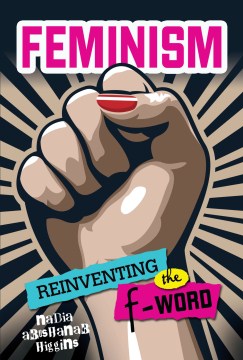
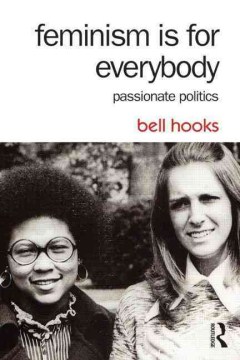
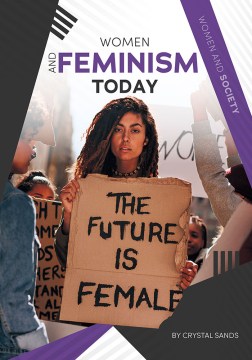
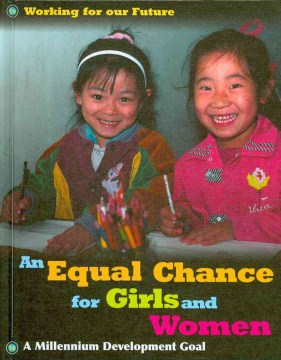
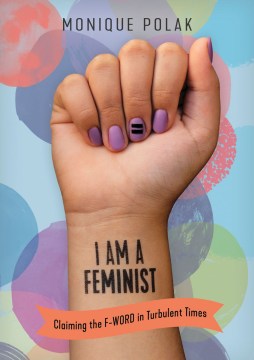
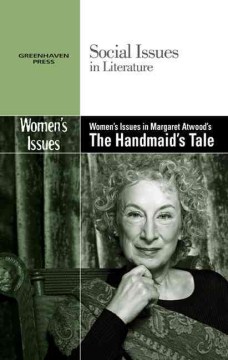
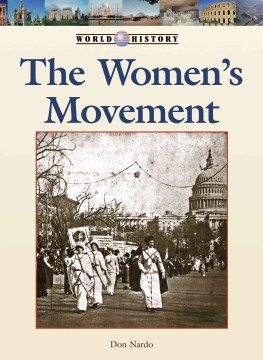
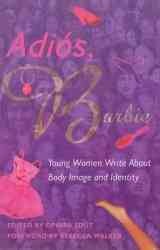
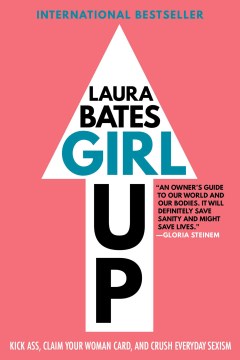
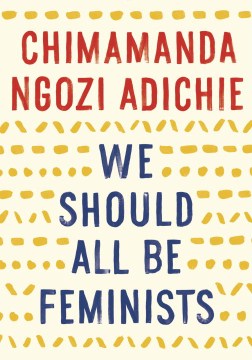
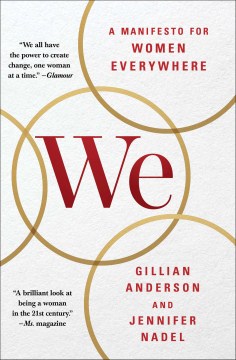
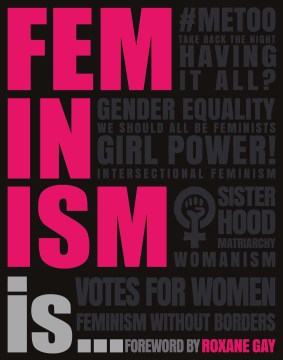
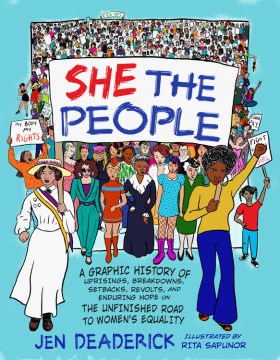
International Women’s Day is March 8. Come by the School Library this March to check out our month long display of books and other materials related to women, feminism, and the ongoing struggle for the equality, rights and freedoms of women in Canada, and around the World.
The theme for International Women’s Day 2021 is “Choose To Challenge.”
Check out this video:
#Choosetochallenge
International Women’s Day is March 8. Be sure to come down to the School Library to check out our display of books and other materials as we “celebrate women’s achievements; raise awareness about women’s equality; lobby for accelerated gender parity.” (source: internationalwomensday.com)
International Women’s Day is March 8. Come by the School Library this March to check out our month long display of books and other materials related to women, feminism, and the ongoing struggle for the equality, rights and freedoms of women in Canada, and around the World.
The rights and freedoms of Canadians include the right to read what you want to read. Such rights and freedoms are fundamental to democracy. Yet there are forces at work in our society that seek power by attaching your rights, including attempts to censor or limit your freedom to read.
Authoritarian forces and totalitarian states know that uneducated and illiterate citizens are easier to control and oppress. Such forces can only celebrate that the work is much simpler when significant portions of the population choose not to read. Censorship becomes less pressing when “aliteracy” becomes prevalent.
A true democracy guarantees fundamental rights and freedoms to its citizens. But to work effectively, indeed, to survive, democracy requires that citizens exercise those rights. In particular, democracy breaks down if citizens aren’t educated, informed and active.
The rise of powerful new information technology in the last few decades has made it more important than ever that citizens are highly “information literate.” Citizens must not only have access to information, they must have the tools required to wade through increasingly destructive levels of misinformation, disinformation, propaganda, and outright lies. Citizens need to have access to information that is credible, accurate and trustworthy.
The rise of anti-intellectualism and anti-science movements, perhaps most recently represented by anti-vax conspiracies, are part of the wider breakdown of democratic institutions. There is little doubt that attacks on public education over many years have reaped some these results and are integral to the rise of authoritarianism.
It is not enough to celebrate the Freedom to Read. As citizens of democratic societies, we have an obligation to exercise our Freedom to Read, in part so that we are equipped to defend our democratic rights and freedoms.
It is clear that democracy is under attack, throughout the world, and in our back yard. We must act.
Note* The above quote, or variations on it, are often popularly attributed to Mark Twain. However the original source of this quote, or its variations, remains unclear.
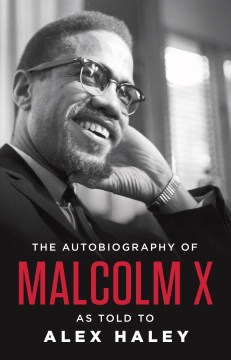
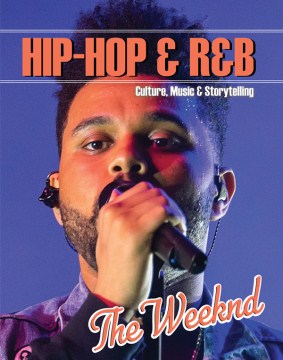
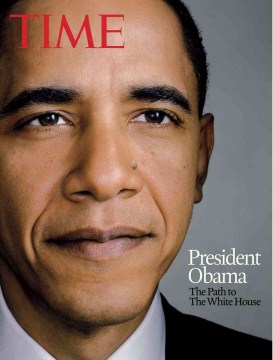
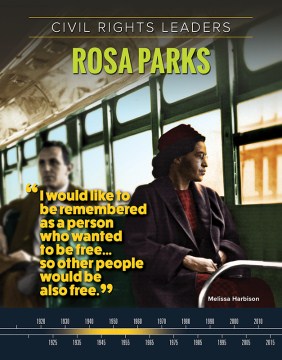
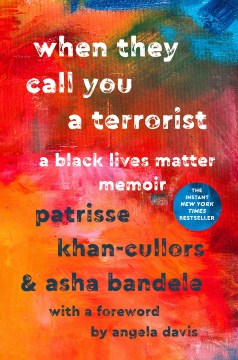
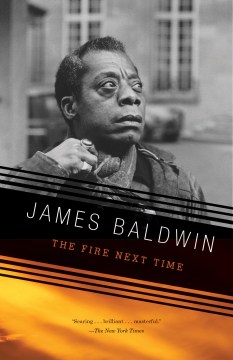
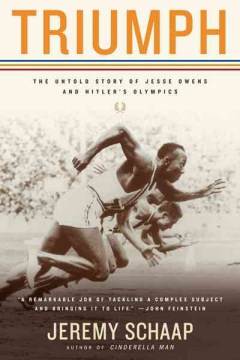
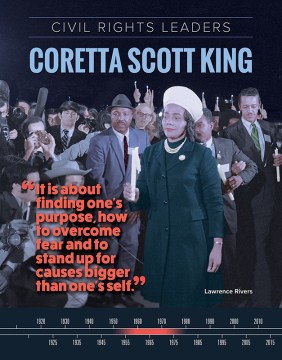
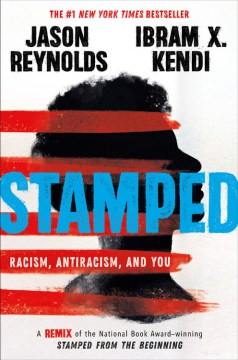
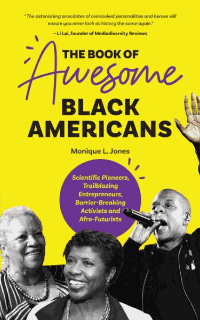
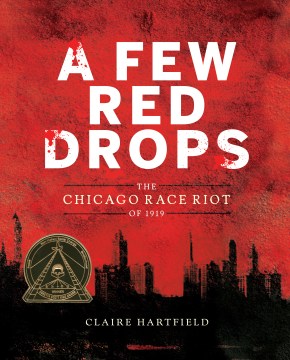
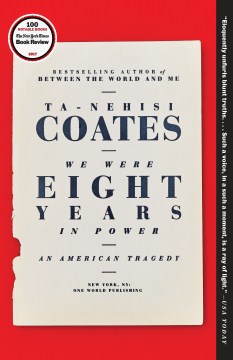
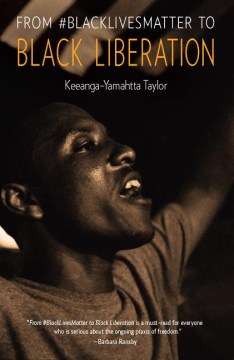
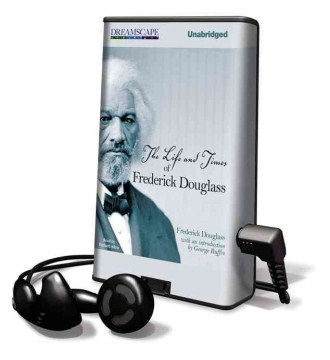
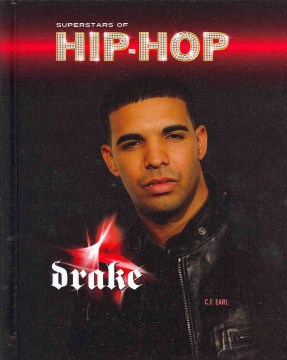
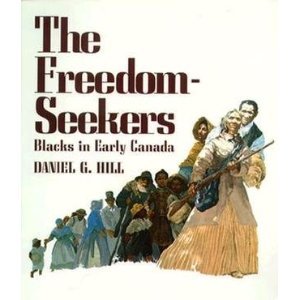
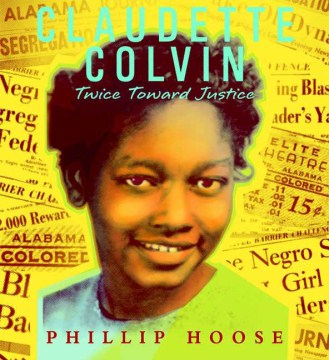
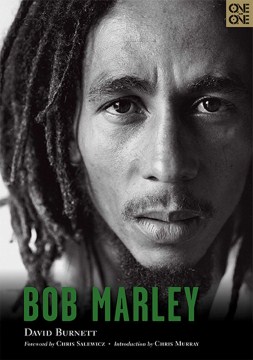
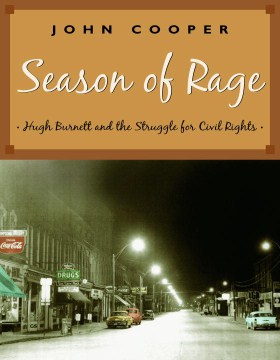
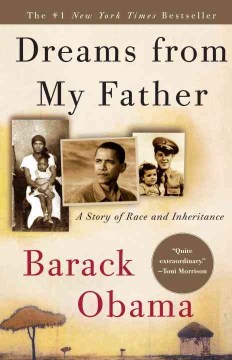
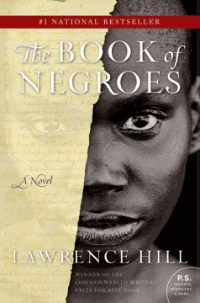
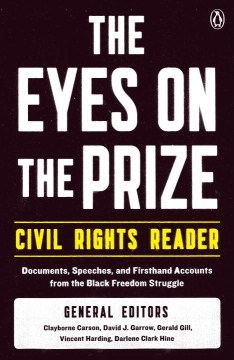
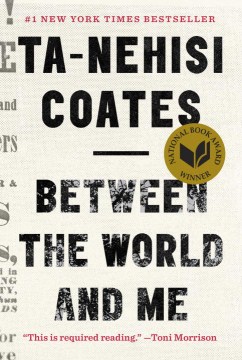
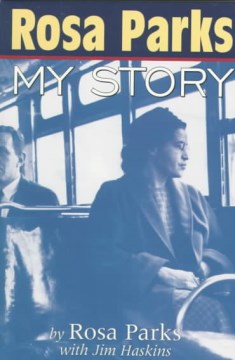
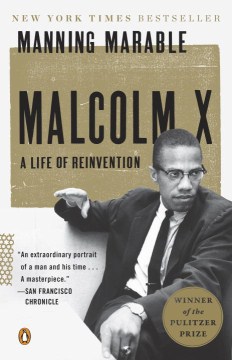
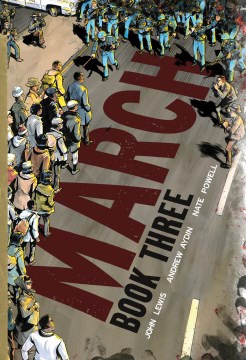
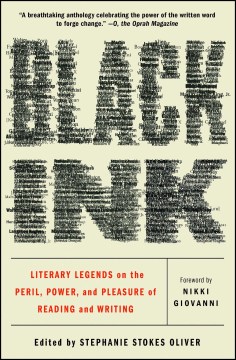
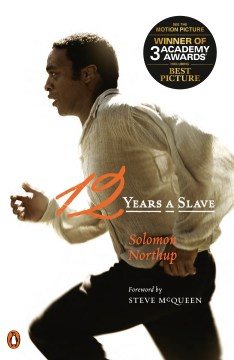
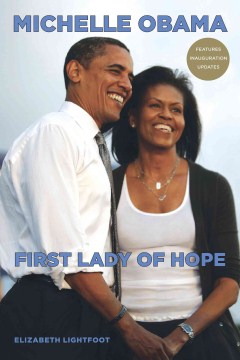
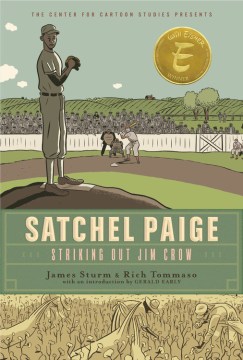
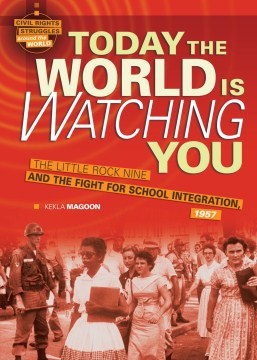
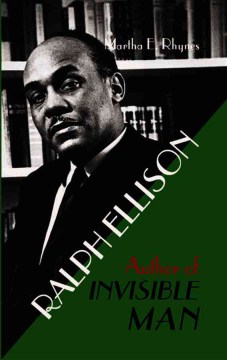
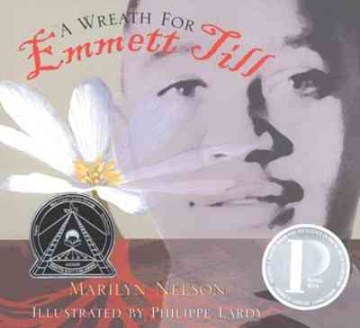
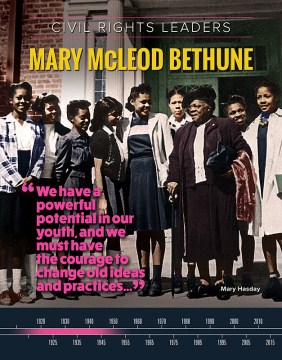
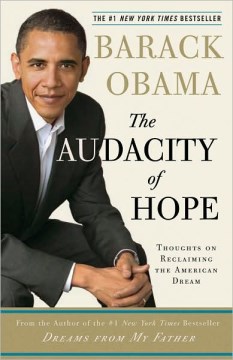
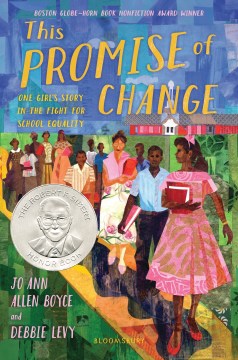
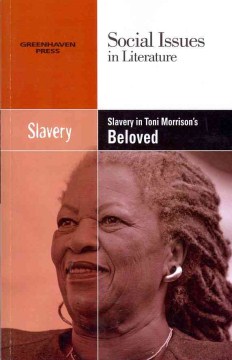
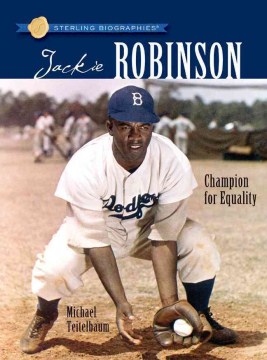
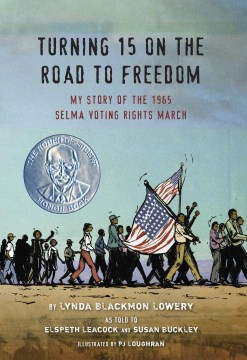
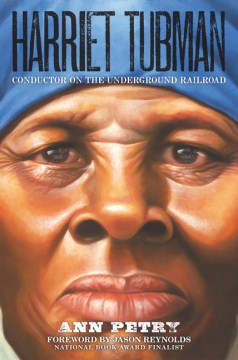
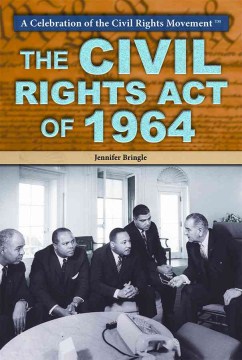
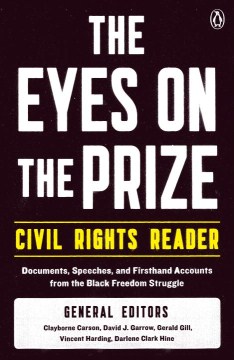
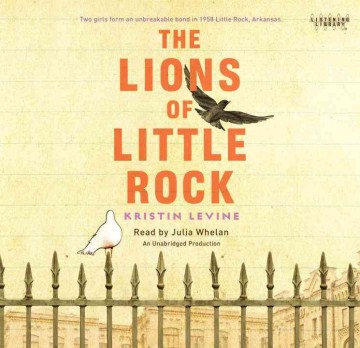
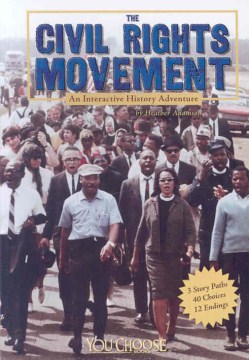
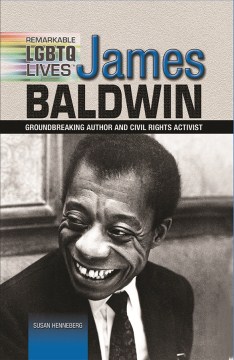
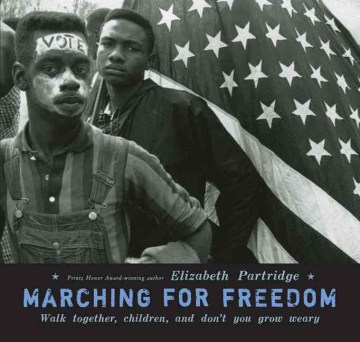
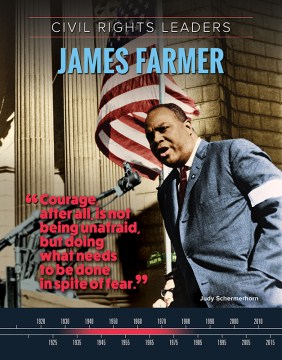
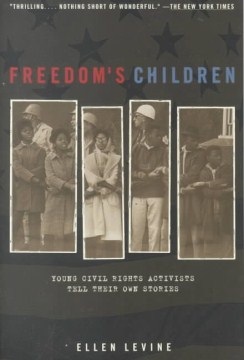
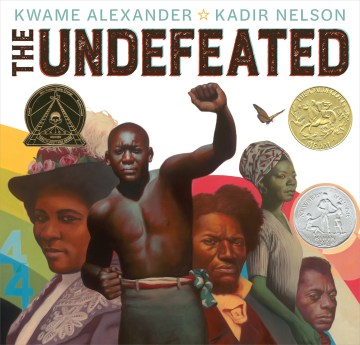
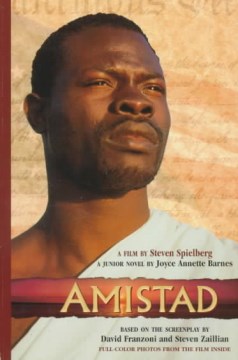
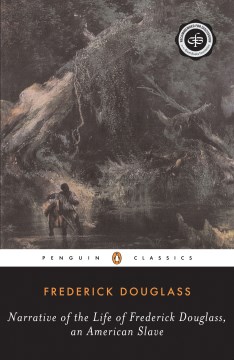
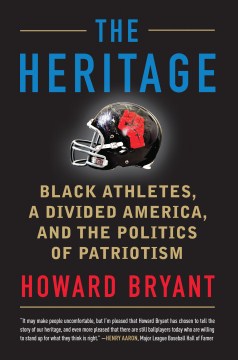
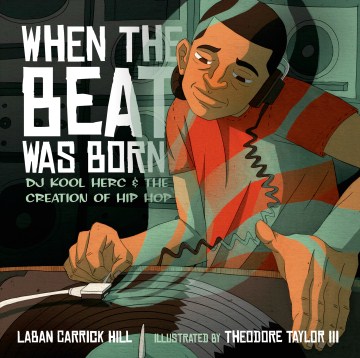
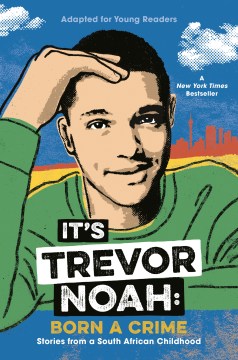
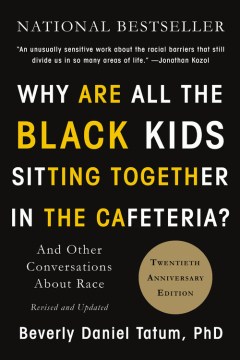
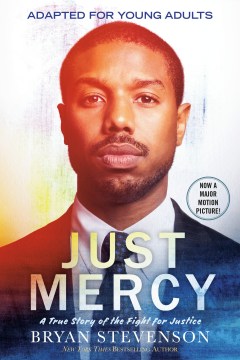
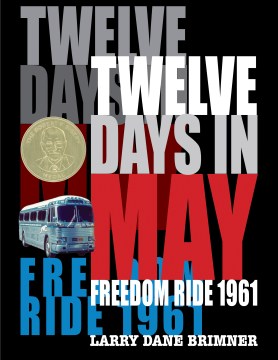
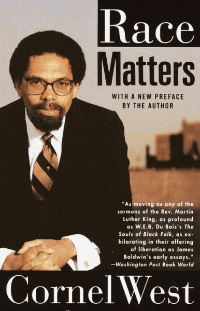
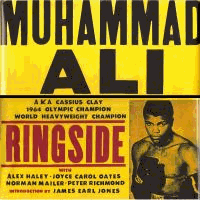
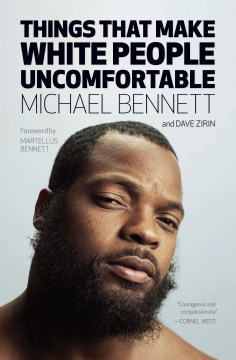
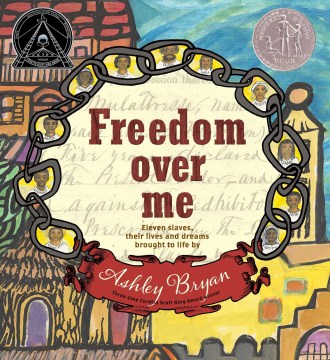
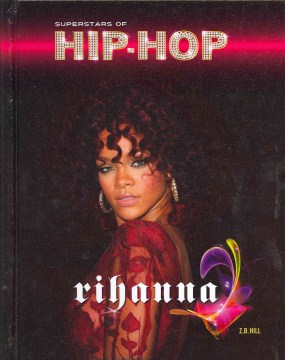
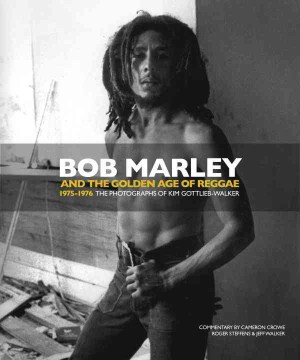
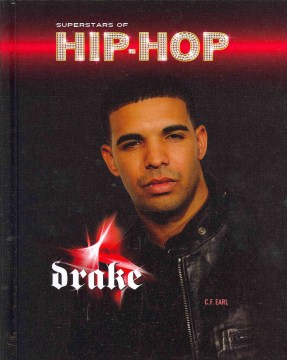
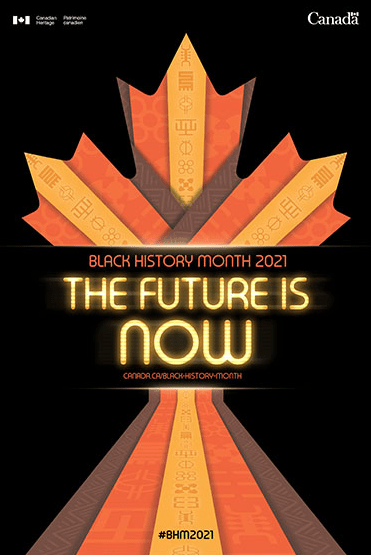
Come down to the School Library to check out our display for Black History Month. We have books and other library resources related to the history of black people in Canada, the USA and throughout the world of the “African Diaspora.”
February is Black History Month. Join us in the School Library as we explore, acknowledge and celebrate Black History, with an emphasis on the experience of Canadians of African descent, African-Americans and other peoples in the world-wide African diaspora.
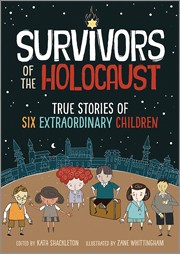
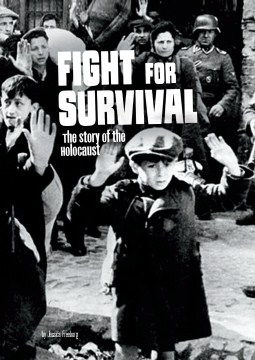
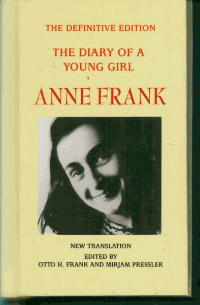
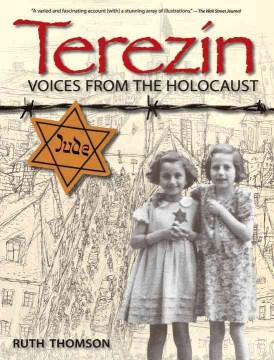
The Holocaust is one of the most well documented events in history. Yet despite this, there are some who seek to distort or deny the facts of this terrible blight on human history. We must continue to fight against the evil that the Holocaust represents. To do so we must fight against lies, distortions and ignorance to ensure that the facts are preserved, as horrifying as the facts are, so that future generations know what happened, and what must never happen again.
#ProtectTheFacts is just one of many organizations dedicated to preserving the historical facts of the Holocaust, and fighting against the evil that is Holocaust denial or distortion. See more in the links below.
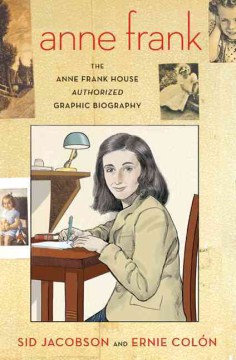
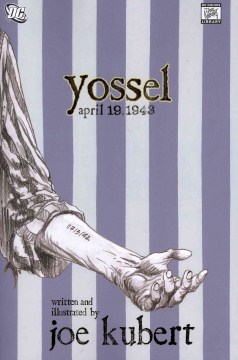
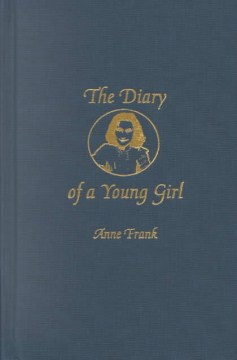
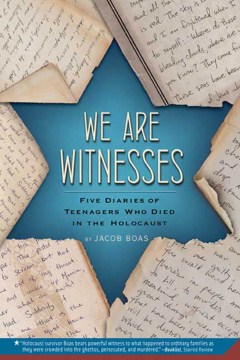
Come to the school library to find out more about the Holocaust. Check out some of the following resources:
The world lost a true hero last week, as Henry “Hank” Aaron passed away at the age of 86. Hank Aaron was one of the greats of the sport of baseball, one of the best players ever to put on a major league uniform. More than that, he was a great human being. The legendary Muhammad Ali, in his day considered by many to be the world’s most famous, if not greatest, athlete, said of Aaron, that he was the “only man I idolize more than myself.” (Baseball Hall of Fame). In 1973 Aaron hit his 715th home run to pass the iconic Babe Ruth with the most ever. Aaron was under intense scrutiny as he approached the record, all the more because he was a black man who was about to break the record of a white hero, something that was unacceptable to the white supremacist ethos. Aaron faced intense racism, including death threats against him and his family. Remarkably, even in the face of such despicable conditions, he continued to perform on the field, crushing the all-time record, holding it for more than 30 years. For all who knew him personally, it was not surprising that off the field he continued to live a life of humility, dignity and integrity. Hank Aaron was an outspoken supporter of the Civil Rights movement, and spent his post-playing days working for many humanitarian and philanthropic causes.
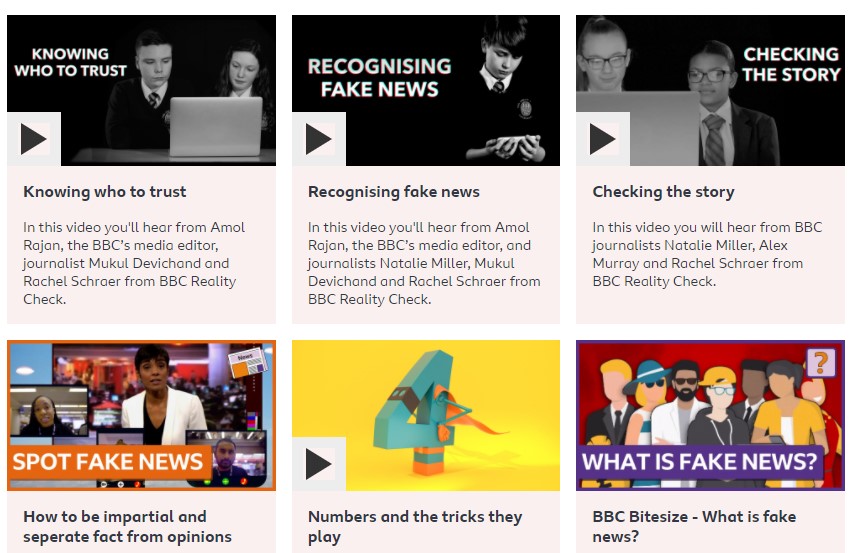
There are many good resources available to help students learn more about how to find reliable sources of information. One of those is the BBC’s “Real News” which has materials that “aim to help secondary school students (11 to 18-year-olds) examine critically information they receive online through websites, social media, pictures and data and to develop skills and methods to help determine what is real.”
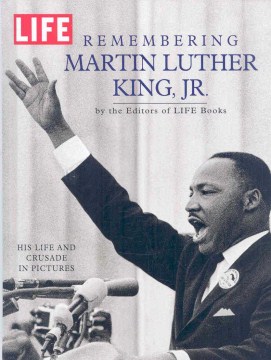
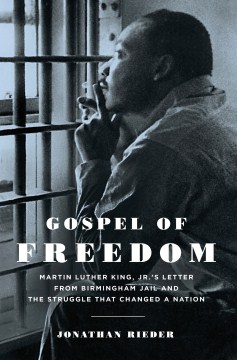
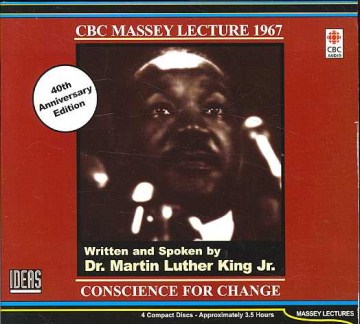
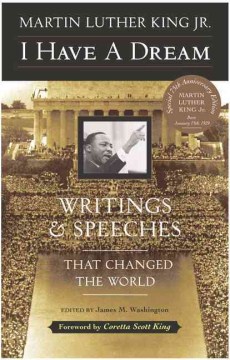
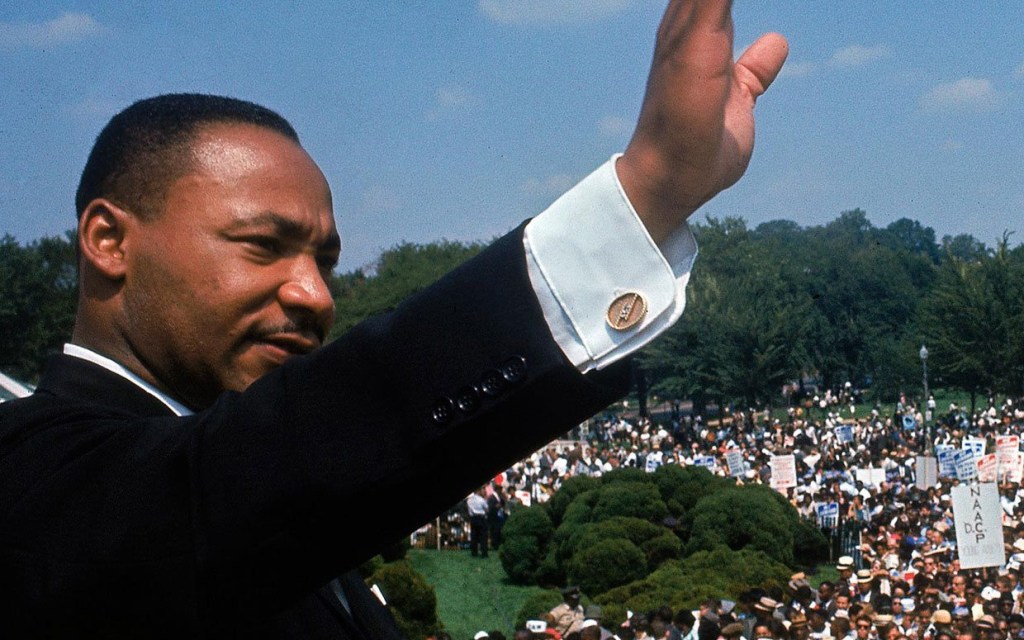
The Reverend Dr. Martin Luther King Jr. was born on this day in 1929.
Dr. King was the leading figure of the Civil Rights Movement, as African-Americans struggled for freedom and equality in the United States. Dr. King was a brilliant orator and an inspirational leader. Dr. King was committed to the principals to non-violence, in part based on the example of Gandhi in India. He believed that the only path towards a peaceful resolution of the plight of black people in the United States was through non-violence, civil disobedience, and peaceful protest.




































































































 Lord Tweedsmuir Secondary School Library