From Canada.ca, here are introductions to just a few noteworthy Black Canadians that perhaps you haven’t learned about yet. “Read the biographies of some notable Black people in Canada who have helped shape Canadian heritage and identity, and who have made and continue to make enormous contributions to the wellbeing, and prosperity of our country.” Read the entire post at Black History Month: Noteworthy Figures
February is Black History Month. Find out more by visiting us in person, or online at tweedsmuirlibrary.ca
From September 2022 to the end of August 2023, Canadian libraries, especially school libraries, faced the highest number of book challenges ever for a 12 month period in Canada (source). The number of official challenge is likely just a small fraction of the challenges that go unreported– ALA studies suggest 82 -97% of challenges go unreported (source).
Intellectual freedom has been a pillar of library philosophy for nearly a century; and in our current climate, it is perhaps our most valuable tool in our efforts to amplify the voices of the most marginalized within our communities.
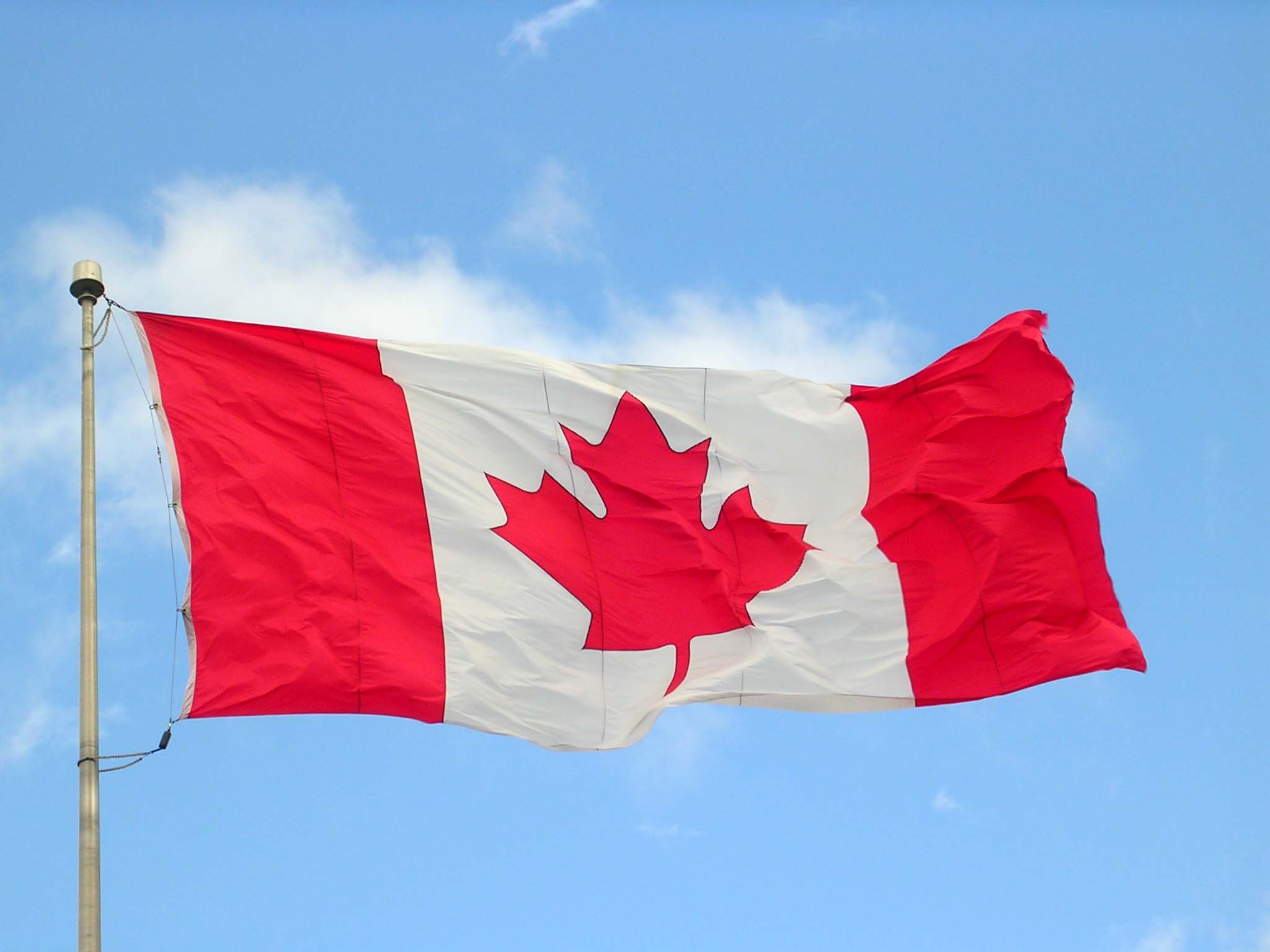
February 15 is Flag Day, in commemoration of the day in 1965 when the red and white maple leaf flag was first officially flown in Canada. According to canada.ca, “Our national flag is a symbol that unites Canadians and reflects the common values we take pride in — democracy, inclusion and equity.” Is that true? Or has the flag been seized by a movement that doesn’t appear to celebrate those values?
Many of those that in the past few years have flown Canadian flags on their vehicles, and wave them at overpasses or in other public displays, have expressed values that don’t promote inclusion and equity. To many, those values are actually seen as threats to democracy. By association, flying the Canadian flag now suggests a very particular political point of view that isn’t shared by most Canadians. Can the flag be reclaimed as a symbol of pride for all Canadians?
To be fair, the Canadian flag has almost always been a controversial subject. The debates over if and how to change the Canadian flag from the traditional “Red Ensign” and Union Jack, were heated, if not bitter, and for some have never been resolved.
Yet another aspect to this issue is our reckoning with our colonial past. Indigenous peoples, in particular, might have very complex, if not difficult relationships with the flag. Our desire for shared pride in what we officially express as our values — democracy, inclusion, equity — may not ring as true when we look at the history of imperialism, racism and inequality in our country.
Is it possible to be a proud Canadian who looks to the flag as a symbol of positive values? How many steps away from positive expressions of national pride are displays of excessive nationalism, or jingoism, xenophobia and other sinister movements of fear and hate?
In the current political climate, many Canadians are hesitant to display a Canadian flag lest they be associated with political values that they cannot abide. Is it possible to change that?
Henry “Hank” Aaron was born on this day in 1934. Hank Aaron was one of the greats of the sport of baseball. He was a legendary home run hitter who would also win multiple Gold Gloves. Hank Aaron was a World Series Champion, a National League MVP, and was selected for an incredible 25 All-Star Games. More than that, he was a great human being.
The legendary Muhammad Ali, in his day considered by many to be the world’s most famous, if not greatest, athlete, said of Aaron, that he was the “only man I idolize more than myself.” (Baseball Hall of Fame).
In 1973 Aaron hit his 715th home run to pass the iconic Babe Ruth with the most ever. Aaron was under intense scrutiny as he approached the record, all the more because he was a black man who was about to break the record of a white hero, something that was unacceptable to the white supremacist ethos. Aaron faced intense racism, including death threats against him and his family. Remarkably, even in the face of such despicable conditions, he continued to perform on the field, crushing the all-time record, holding it for more than 30 years. For all who knew him personally, it was not surprising that off the field he continued to live a life of humility, dignity and integrity. Hank Aaron was an outspoken supporter of the Civil Rights movement, and spent his post-playing days working for many humanitarian and philanthropic causes.
January 27 is International Holocaust Remembrance Day. Join with us as we take this day to remember the many millions who died during the Holocaust, to learn more about what happened, and resolve to fight against anti-Semitism, racism and other forms of hate and violent oppression.
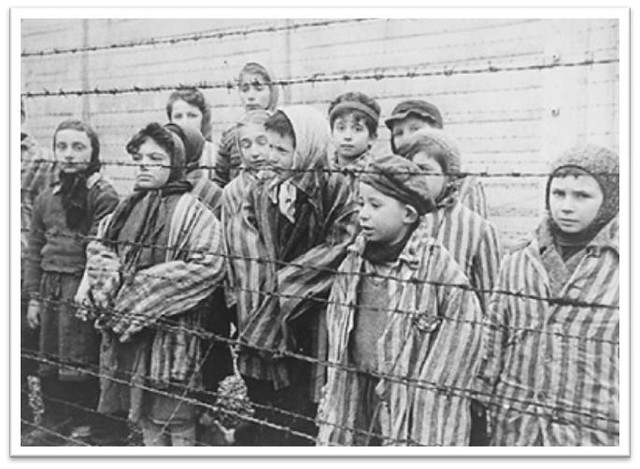
The term “Holocaust” refers to the period in history in which the Nazi regime of Germany murdered over 6 million Jews, as well as millions of other victims, including Roma, homosexuals, people with physical and mental disabilities, and more. The Nazi persecution of the Jews began in the early 1930’s and reached its most horrific and brutal peak during the period of 1941-1945, as the Nazis adopted as official policy the “Final Solution,” the attempt at completely annihilating the entire Jewish population.
Source: CC / Sienda
The Holocaust is not the only example of genocide in human history. What makes the Holocaust stand out amongst the long and plentiful list of human atrocities and evil? Germany was amongst the most powerful nations of the world and a leader in science, technology, medicine and engineering. The German contributions to art, music, literature and philosophy put German culture at the heart of what we would call Western Civilization. And yet this supposedly civilized people turned their great achievements and progress towards planning and carrying out ruthless genocidal murder with scientific and economic efficiency.
Children selected for extermination source: wikimedia commons / public domain
The date of January 27 was chosen for this solemn observance as the death camp of Auschwitz-Birkenau was liberated on January 27, 1945.
Auschwitz Death Camp source: Diego Delso, Wikimedia Commons, License CC-BY-SA 3.0
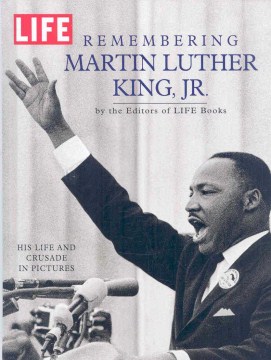
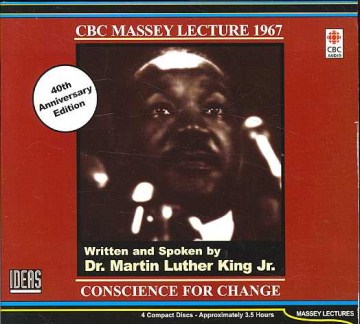
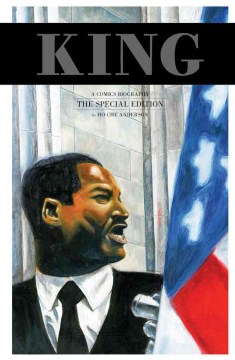
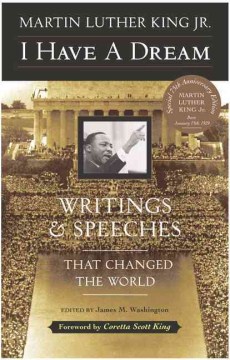
Martin Luther King Jr. Day is observed on the 3rd Monday of January as a Federal Holiday in the United States. The day is observed in celebration of Dr. King’s birthday, January 15, 1929. In 2024 MLK Day is observed on his actual birthday.
Martin Luther King Jr. was the leading figure of the Civil Rights Movement of the 1950’s and 1960’s in the USA. In life Dr. King was at the forefront of the fight against segregation, discrimination and other forms of racism, especially as entrenched in state and federal law. Tragically assassinated in 1967, the legacy of King has continued to inspire those who fight against racism and other forms of social injustice.
Martin Luther King Jr. was committed to the principles of non-violence. King was convinced that the only way to fight against the hate and violence and injustice of racsim was to counter it with peaceful resistance and non-violent protest. Perhaps more than anything else, this is why Dr. King is a hero to millions of people in the US, in Canada, and around the world.
Since 2001, January 15 is Raoul Wallenberg Day in Canada. Mr. Wallenberg was a hero who courageously used his position to save tens of thousands of Jews in Hungary during the Nazi Holocaust. Wallenberg was a Swedish diplomat working in Budapest during the Second World War. Wallenberg, with the help of some colleagues, using Swedish passports, letters of protection, and other diplomatic tools, was able to help thousands of Jews to escape from Hungary and tens of thousands to survive through to the end of the war.
Wallenberg 1944 (Source: ushmm.org)
Tragically, Raoul Wallenberg disappeared after the Soviet conquest of Hungary from the Germans in 1945. Some reports suggest he died in a Soviet prison in 1947, but his fate is officially uncertain.
In January we both recognize Raoul Wallenberg Day in Canada, as well as International Holocaust Remembrance Day on January 27. Come down to the School Library this month, in person, and continue to visit us online, for more information on the horrific and tragic history of the Holocaust.
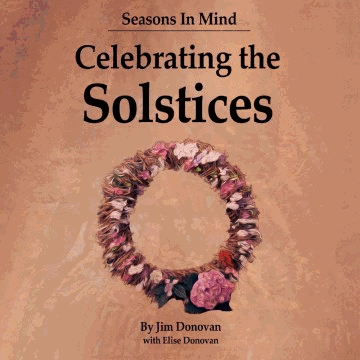
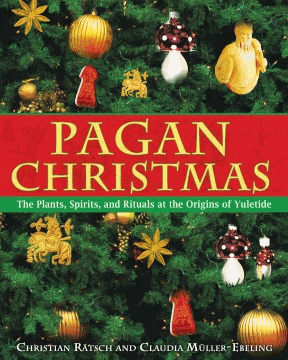
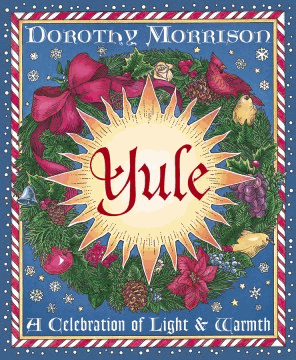
The Winter Solstice for 2023 will occur on December 21 at 7:27 PM
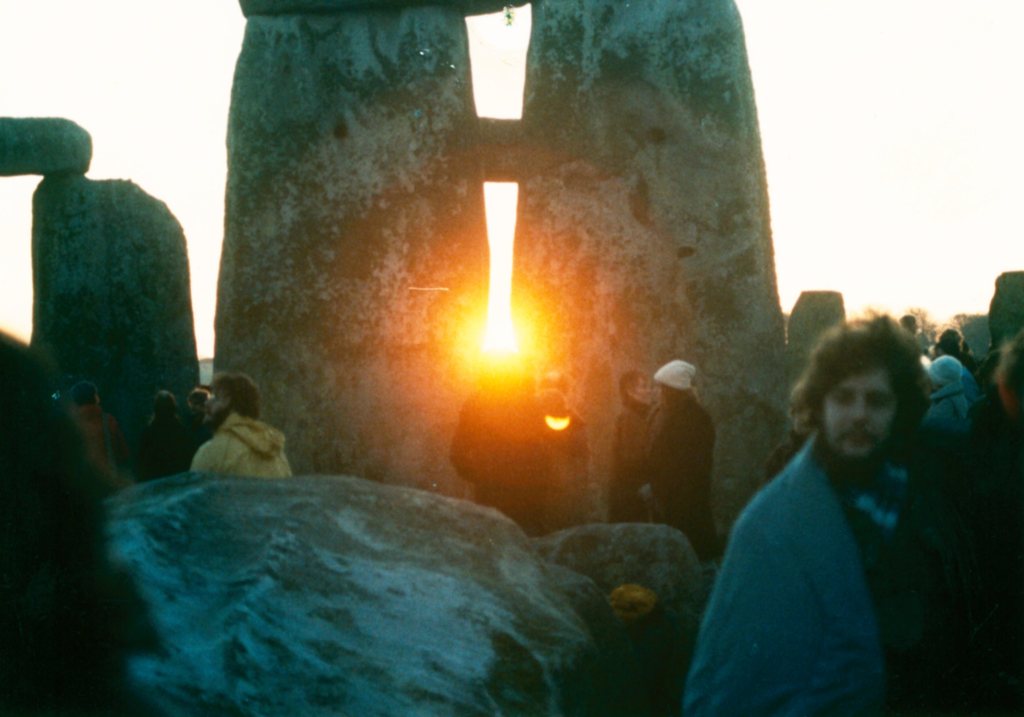
Why are there so many Holidays and Holy Days at this time of year? Why do so many of them, especially in the Northern Hemisphere, seem to emphasize light, especially light in contrast to the darkness? Likely this is because of the Winter Solstice.
Stonehenge, a Celtic monument built for the Solstices, perhaps as much as 5000 years ago. source: wikimedia commons/Mark Grant/(CC BY 2.5)
The longest night of the year. The shortest day. The Winter Solstice occurs on December 21 (in some years December 22) as the North Pole reaches its maximum tilt away from the sun. The North Pole will experience continuous darkness, the Polar region near total darkness, and the northern hemisphere its shortest day and longest night. Winter begins. Most populations will experience the darkest and coldest time of year.
It is a time where people crave light and warmth, and so it seems natural that the feasts and festivals of December emphasize those things. Moreover, at the darkest moment, hope is renewed, as after the solstice the days will get longer. This is hope for more light, more warmth. Spring will come eventually. New birth. New life.
And so many different observances, feasts, and festivals emereged at this time of the year, many on the day of the Solstice, and others near to it on the calendar.
Yule: Celtic Europe, Scandinavia and Germanic peoples.
Alban Arthan: Wales
Modranhit: Anglo-Saxon Europe
Korochun: Slavic Eastern Europe
Shalako, Soyal :Native American peoples
Yalda: Iran/Persians
Dongzhi: China & East Asia
Lohri & Maghi: India, especially the Punjab
Dies Natalis Solis Invicti, Brumalia & Saturnalia: Ancient Rome
Of course, we have spent the last few weeks observing the many holidays and holy days of this time of year. It is not a coincidence that celebrations such as Christmas and New Year have grown to be huge events in the western world, and by extension other cultures, as the west has extended its influence around the globe. In places where modern conveniences such as lighting and heating offset the effect of the cold and dark of December, we might overlook how important it was for our ancestors to hope for the seeming death of one year to turn into the life of a new year, and to celebrate such rebirth.
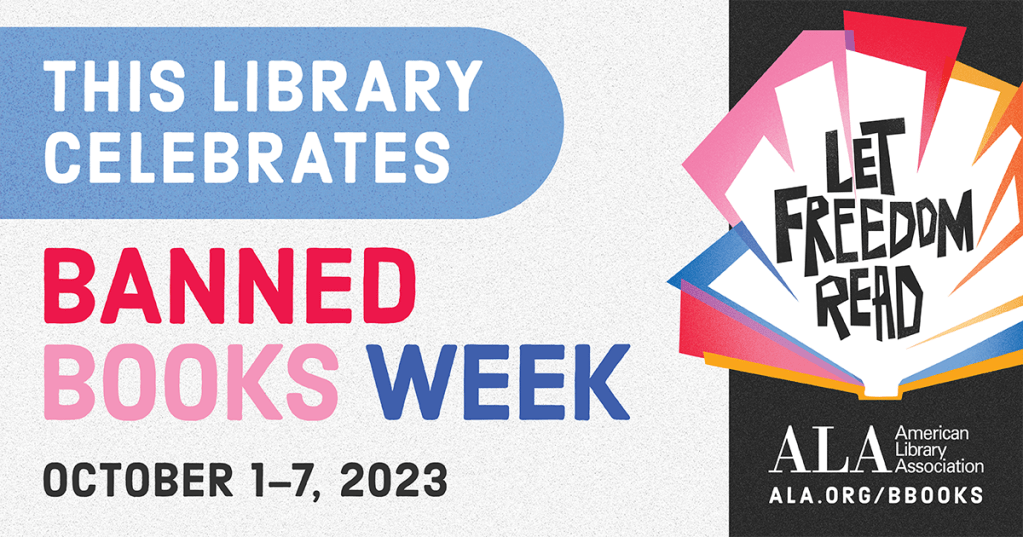
October 1-7 is Banned Books Week. Come down to your School Library to find out more. Find out why book banning is a threat to your freedoms. See the books that are among the most challenged in the world today. Read a banned book this week. Read what you want to read all the time.
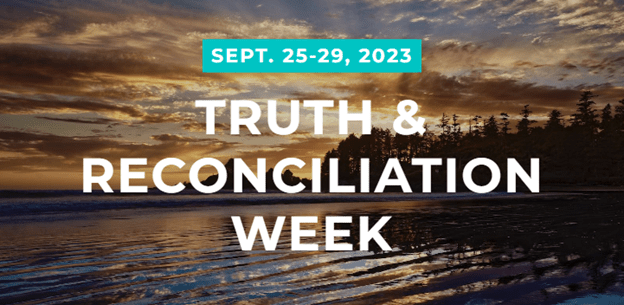
September 30 is Canada’s National Day for Truth and Reconciliation. This week in Surrey Schools we will learn more about Residential Schools and the impact this and other forms of oppressive colonialism have had on Indigenous Peoples, and how this affects all Canadians.
On Monday, the teachers and other staff members of LTSS had a Professional Development opportunity at the Kwantlen Cultural Center. All week long, staff will continue with Professional Development to learn more about such things as Indigenous language, art and culture.
Together, staff and students at LTSS are encouraged to take some time this week to prepare for the National Day for Truth and Reconciliation to take advantage of all of this week’s different opportunities to learn more about issues and ideas that are vital to Indigenous Peoples, including the horrible legacy of Residential Schools and our national desire for Truth and Reconciliation.
There are an alarming number of myths about SOGI education in our schools that are being passed around in our neighbourhoods and around the nation. Misinformation, disinformation, distortions and lies are rampant. Here are some links to resources to find out more about what is happening in BC Schools and to learn more about why SOGI inclusive education is so important.
We live, study and work in a diverse gender society. Today’s children and youth are growing up in a new gender world. It is important to acknowledge and create an environment that respects and celebrates our differences in gender identities and sexual orientation and expression. Creating an inclusive culture prevents children and youth from experiencing distress, discrimination, bullying and ultimately negative health outcomes. Creating a respectful environment helps transgender and gender creative children lead happy, healthy and confident lives.
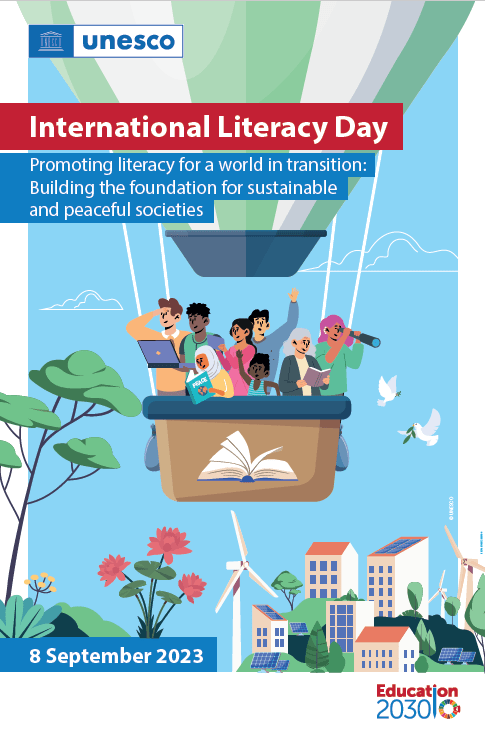
September 8 is International Literacy Day. Literacy brings us joy and is a vital force for human rights, health, dignity and prosperity. Join with us in your School Library as we join with billions of people all over the planet in celebrating literacy and in standing together for the cause of improving literacy for all people.
Since 1967, International Literacy Day (ILD) celebrations have taken place annually around the world to remind the public of the importance of literacy as a matter of dignity and human rights, and to advance the literacy agenda towards a more literate and sustainable society.
Despite steady progress made across the world, literacy challenges persist with at least 763 million young people and adults lacking basic literacy skills in 2020. The recent COVID-19 crisis and other crisis, such as climate change and conflicts, have been exacerbating the challenges.


















 Lord Tweedsmuir Secondary School Library