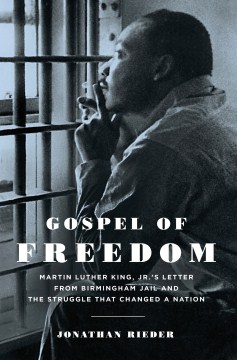
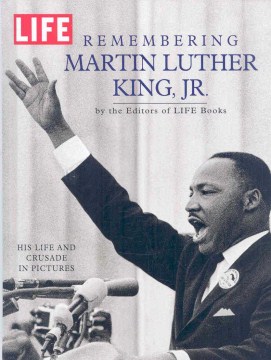
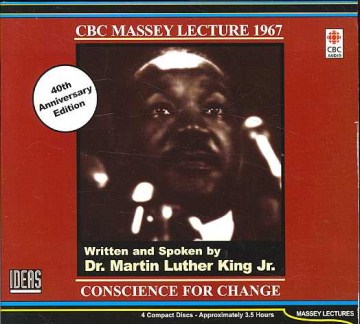
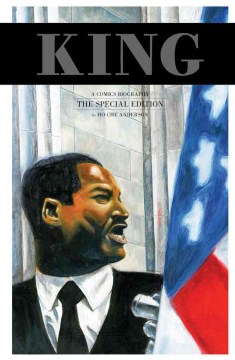
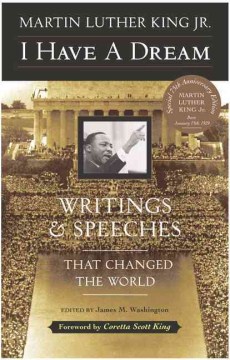
Martin Luther King Jr. Day is observed on the 3rd Monday of January as a Federal Holiday in the United States. The day is observed in celebration of Dr. King’s birthday, January 15, 1929. In 2023 the date of MLK Day is January 16.
Martin Luther King Jr. was the leading figure of the Civil Rights Movement of the 1950’s and 1960’s in the USA. In life Dr. King was at the forefront of the fight against segregation, discrimination and other forms of racism, especially as entrenched in state and federal law. Tragically assassinated in 1967, the legacy of King has continued to inspire those who fight against racism and other forms of social injustice.
Martin Luther King Jr. was committed to the principles of non-violence. King was convinced that the only way to fight against the hate and violence and injustice of racsim was to counter it with peaceful resistance and non-violent protest. Perhaps more than anything else, this is why Dr. King is a hero to millions of people in the US, in Canada, and around the world.
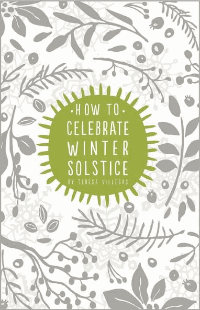
The Winter Solstice will occur on December 21 at 1:47 PM
Why are there so many Holidays and Holy Days at this time of year? Why do so many of them, especially in the Northern Hemisphere, seem to emphasize light, especially light in contrast to the darkness? Likely this is because of the Winter Solstice.
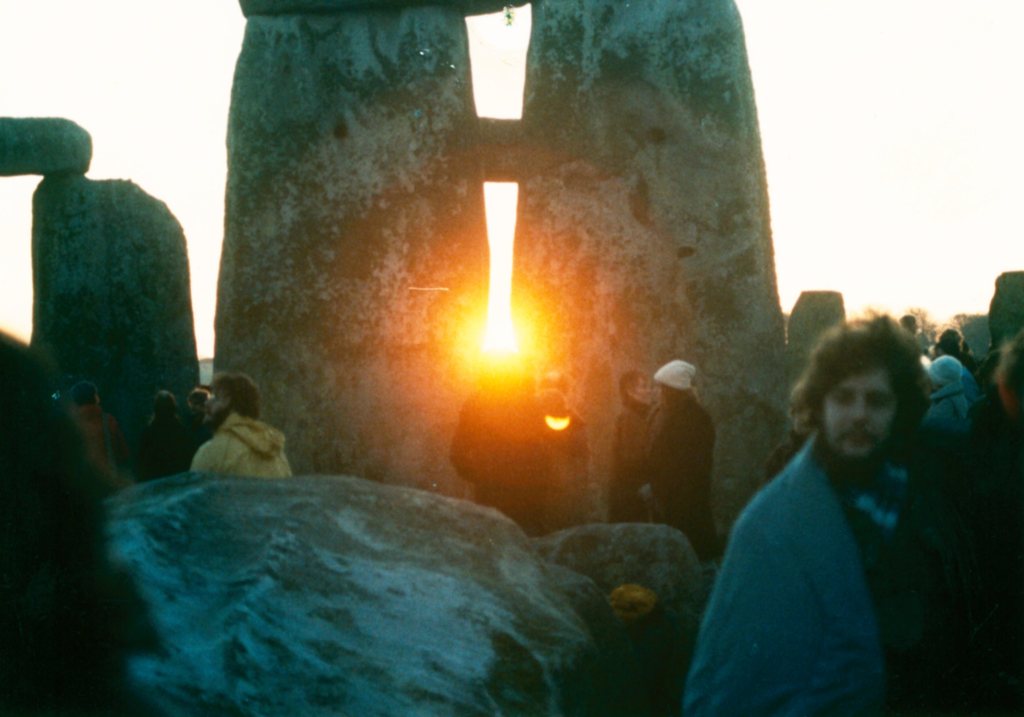
Stonehenge, a Celtic monument built for the Solstices, perhaps as much as 5000 years ago. source: wikimedia commons/Mark Grant/(CC BY 2.5)
The longest night of the year. The shortest day. The Winter Solstice occurs on December 21 (in some years December 22) as the North Pole reaches its maximum tilt away from the sun. The North Pole will experience continuous darkness, the Polar region near total darkness, and the northern hemisphere its shortest day and longest night. Winter begins. Most populations will experience the darkest and coldest time of year.
It is a time where people crave light and warmth, and so it seems natural that the feasts and festivals of December emphasize those things. Moreover, at the darkest moment, hope is renewed, as after the solstice the days will get longer. This is hope for more light, more warmth. Spring will come eventually. New birth. New life.
And so many different observances, feasts, and festivals emereged at this time of the year, many on the day of the Solstice, and others near to it on the calendar.
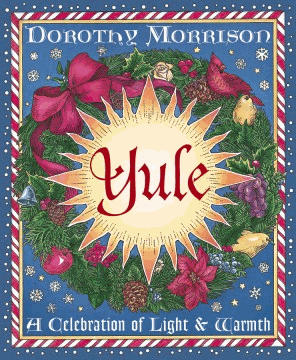
Yule: Celtic Europe, Scandinavia and Germanic peoples.
Alban Arthan: Wales
Modranhit: Anglo-Saxon Europe
Korochun: Slavic Eastern Europe
Shalako, Soyal :Native American peoples
Yalda: Iran/Persians
Dongzhi: China & East Asia
Lohri & Maghi: India, especially the Punjab
Dies Natalis Solis Invicti, Brumalia & Saturnalia: Ancient Rome
Of course, we have spent the last few weeks observing the many holidays and holy days of this time of year. It is not a coincidence that celebrations such as Christmas and New Year have grown to be huge events in the western world, and by extension other cultures, as the west has extended its influence around the globe. In places where modern conveniences such as lighting and heating offset the effect of the cold and dark of December, we might overlook how important it was for our ancestors to hope for the seeming death of one year to turn into the life of a new year, and to celebrate such rebirth.
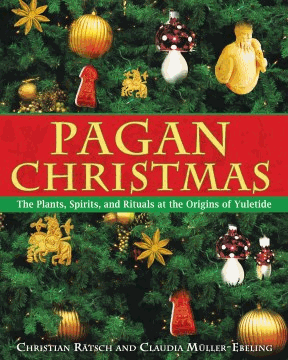
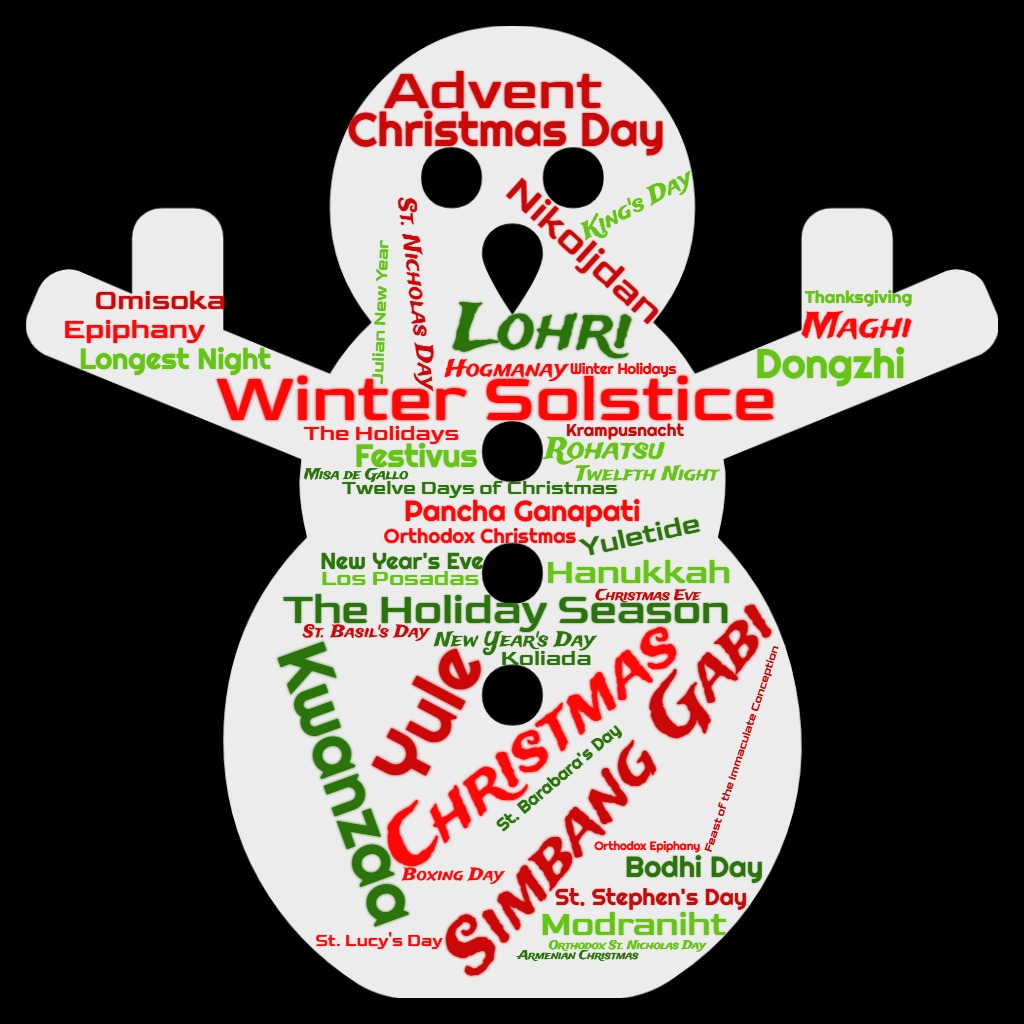
It goes by many different names. The Holidays. The Festive Season. Yuletide. Winter Holidays. The Christmas Season. Advent. The Holiday Season. While there is no official start or end, in North America it is generally considered to run from American Thanksgiving, through December, and into the New Year.
Traditionally this season of the year was dominated by observances based on the Winter Solstice. Many cultures around the northern hemisphere developed celebrations that emphasize the contrast of the cold and darkness of winter with the promise of new light and life in the coming year.
These themes are central to the holy days and festivals of many faiths today.
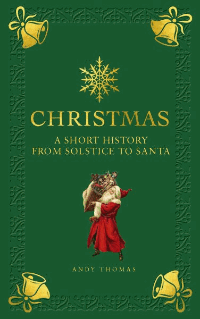
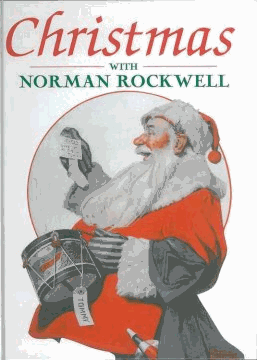
In North America and Europe during the Christian Era, the season focused on holy days and the rituals around the Nativity of Christ. Often the traditional winter solstice festivals of the Celts, Saxons, Vikings and others were taken over by these Christmas celebrations.
For some, the season is secular in nature, without religious emphasis. The Holiday Season is a time for celebrating with family and friends, giving gifts, reflecting on the past year and looking forward to the new.
For many the Holiday Season can be about all of the above, as we combine a variety of traditions and new practices from the delightful mix of cultures and peoples from around the world.
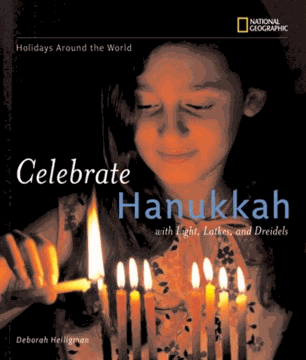
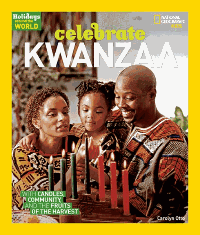
There many different and wonderful Holidays and Holy Days in the coming weeks. Christmas tends to dominate, but it is imporant to learn about other observances and festivals, such as Hanukkah, Kwanzaa, Rohatsu and many more.
Join us in the School Library as we celebrate this “most wonderful time of the year.” Look for displays and other opportunities for learning about this season of “Holidays and Holy Days.”
Enjoy all that you and your family have brought to this holiday season. Perhaps in learning about other traditions and practices, you might find something new for you to enjoy at this time of year.
Another head hangs lowly Child is slowly taken And the violence caused such silence Who are we mistaken?
Written by Dolores O’Riordan Performed by The Cranberries
One of the great songs of the 1990’s, “Zombie” by the Cranberries is also one of the great anti-war songs of all time. Dolores O’Riordan wrote the song in response to another atrocity of sectarian violence spilling out of Northern Ireland. In this case two young boys were killed, and over 50 people injured, after an IRA bomb exploded in Warrington, in the northwest of England. O’Riordan was sickened by the bombing, and like most people in Ireland, she had had enough of seeing violence carried out in the name of the Irish. “The IRA are not me. I’m not the IRA,” she said. “The Cranberries are not the IRA. My family are not. When it says in the song, ‘It’s not me, it’s not my family,’ that’s what I’m saying.” (source)
War, huh, yeah What is it good for? Absolutely nothing, uhh
Written by Barrett Strong / Norman Whitfield
Originally written for The Temptations, “War” was eventually released as a single by Edwin Starr. Although the song has been covered by many artists, including Bruce Springsteen, the preeminent version remains that of Edwin Starr. Originally written as part of the protests against the Vietnam War, Edwin Starr’s peformance of “War” has stood the test of time and remains one of the most famous anti-war anthems to this day.
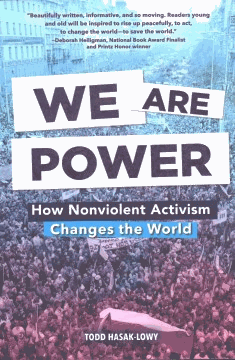
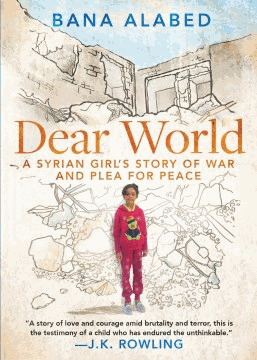
Join us in your school library this month as we explore and celebrate November’s themes: Peace, non-violence, and alternatives to war.
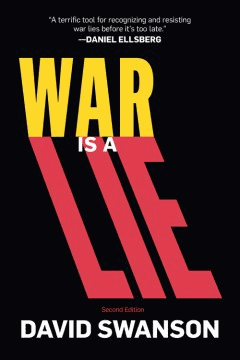
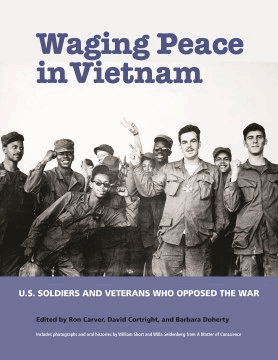
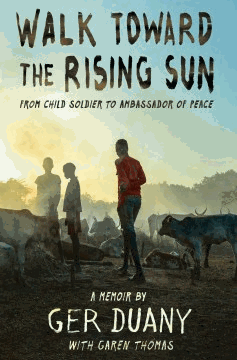
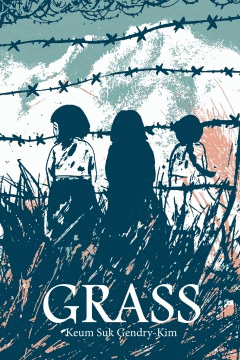
Come down to your School Library to check out these recent additions that explore our November themes: Peace, non-violence, alternatives to war, and more.
First there was International Games Day. Then it grew to International Games Week. Now we have International Games Month.
Come down to your School Library in November to celebrate GAMES all month long. We will look at all things related to games and gaming, culminating in the return of Games Day @ Your Library. Visit us in person or online to find out more.
November is Peace Month in your School Library. Visit us in person and online to find out more about peace, peacemakers, non-violence, civil disobedience, reconciliation, alternatives to war and violence, and more.
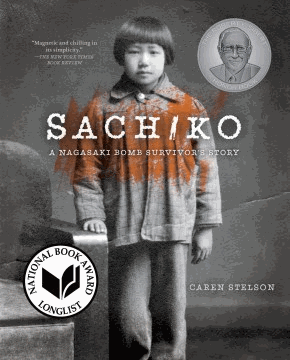
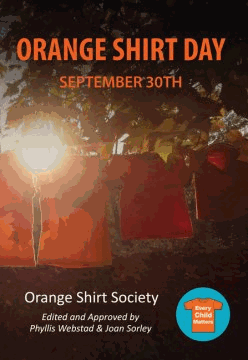
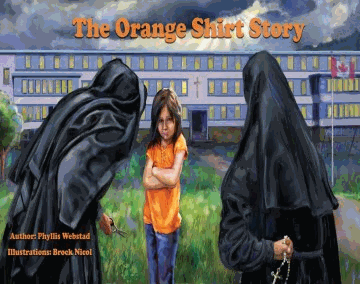
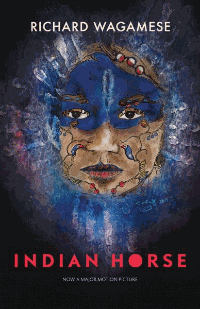
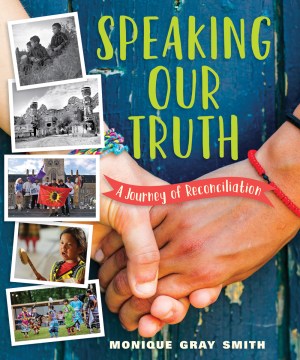
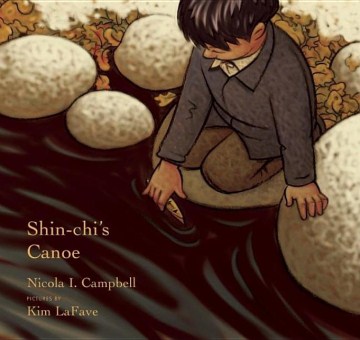
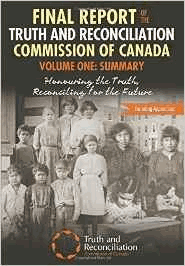
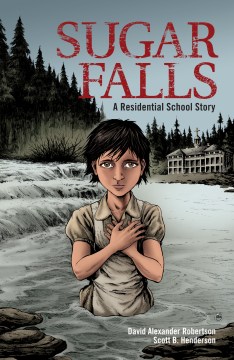
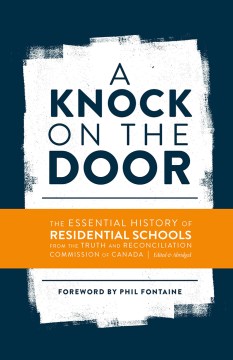
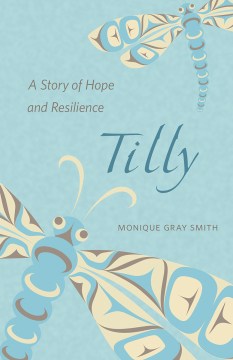
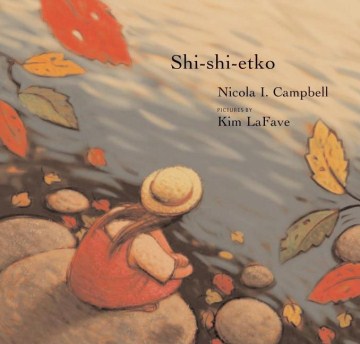
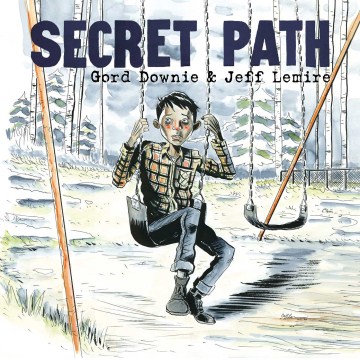
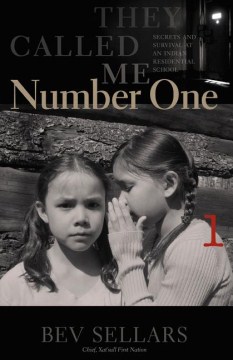
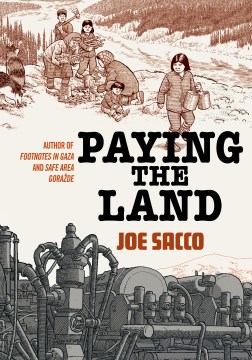
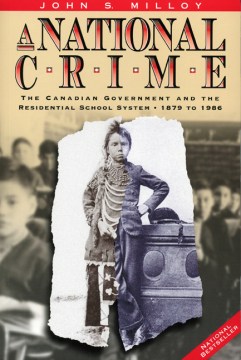
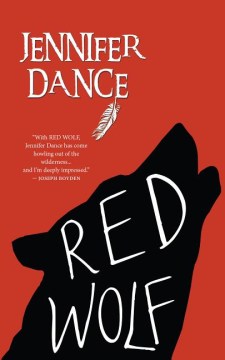
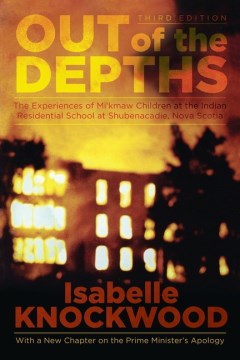
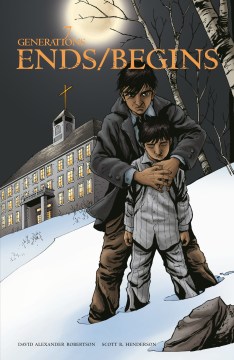
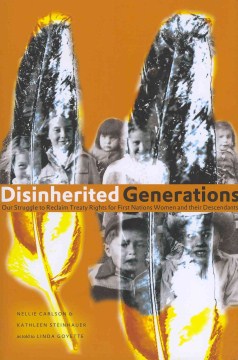
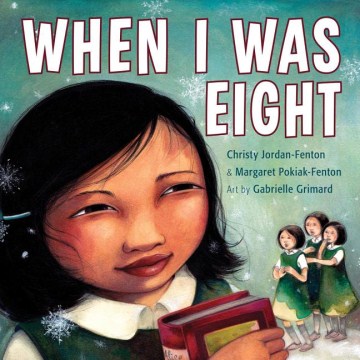
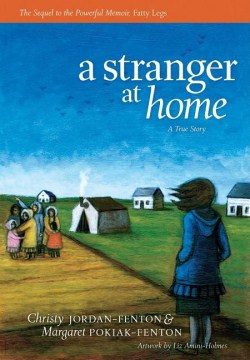
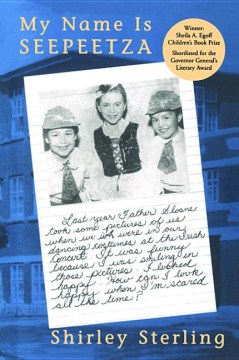
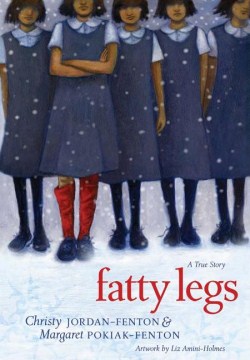
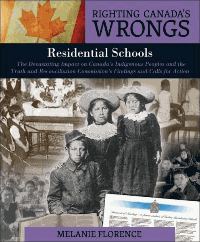
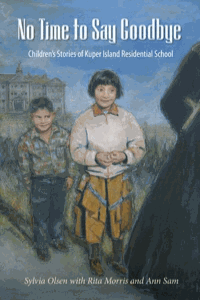
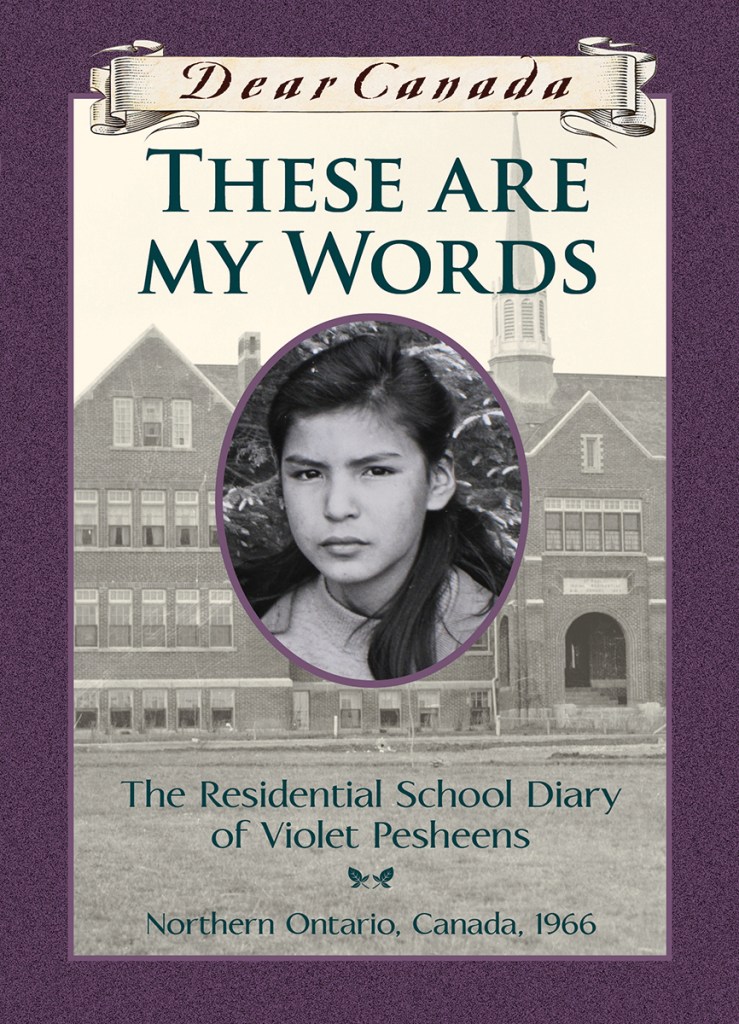
Thursday is the National Day for Truth and Reconciliation, in recognition of the terrible history and ongoing legacy of Residential Schools in Canada. School will be closed tomorrow, so today we observe Orange Shirt Day.
Listen, read, watch, discuss and learn about the impact of Residential Schools on Indigenous Peoples and on all of Canadian society. Encourage all Canadians to join together in the attempt to follow a path of Reconciliation.
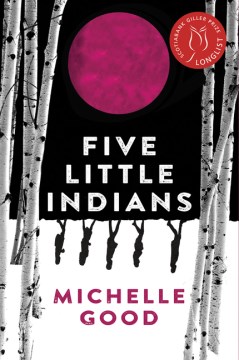
Come down to the School Library to browse through our collection of materials related to Orange Shirt Day:
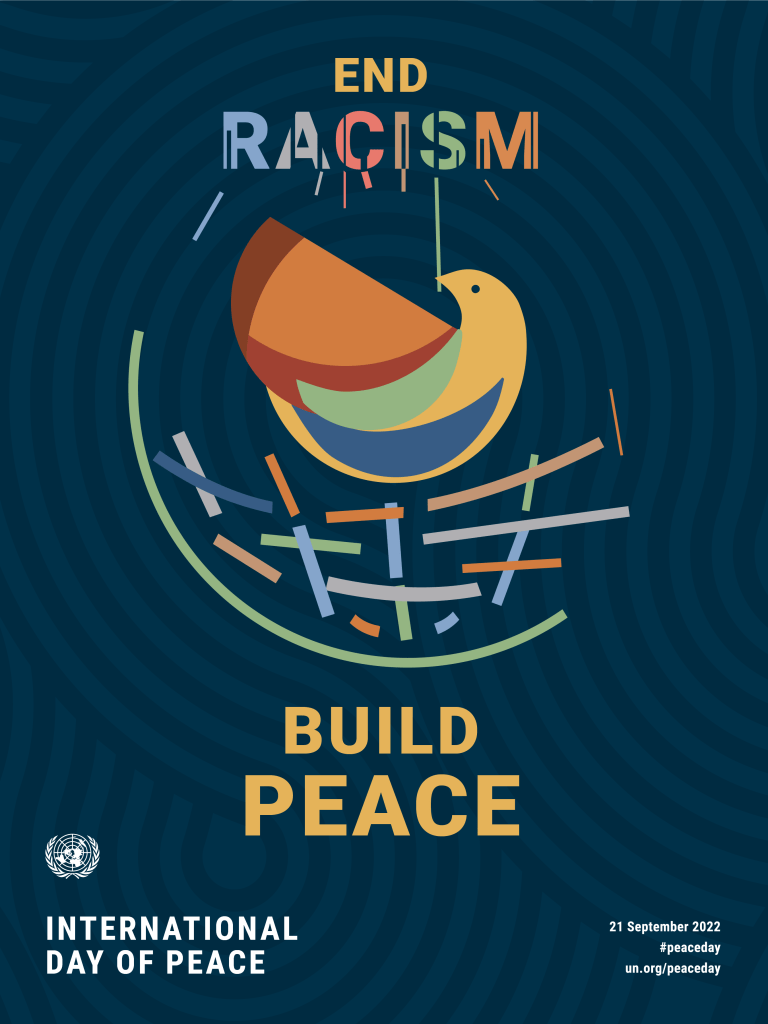
From the United Nations: “Each year the International Day of Peace is observed around the world on 21 September. The UN General Assembly has declared this as a day devoted to strengthening the ideals of peace, through observing 24 hours of non-violence and cease-fire. But achieving true peace entails much more than laying down arms. It requires the building of societies where all members feel that they can flourish. It involves creating a world in which people are treated equally, regardless of their race.”





























 Lord Tweedsmuir Secondary School Library