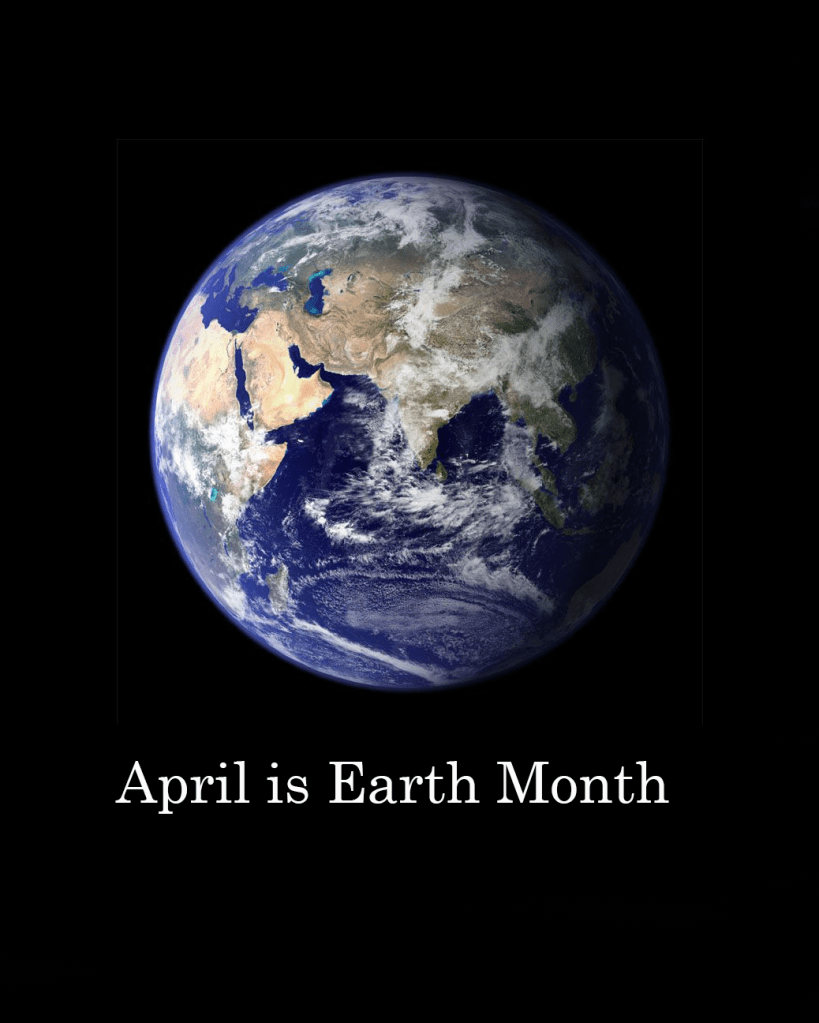
Earth Day is April 22. Join us throughout April in the School Library as we celebrate the Earth all month long! Look for our display of books and other resources related to the Earth, the environment, life, ecology, and issues related to the future of this planet, our planet, our only home in the universe.
The Islamic month of Ramadan has begun. Ramadan is a month of fasting, prayer and other acts for devotion for Muslims. Ramadan Kareem!
In 2022 Ramadan began on April 1st and will end on May 1st. Like many other religious and cultural calendars, the Islamic year is based on a lunar calendar and that is way dates vary from year to year on the Gregorian (solar) Calander.
We wish Ramadan Mubarak and Ramadan Kareem to the more than one million Canadians who follow Islam, and to our Muslim neighbours around the world.
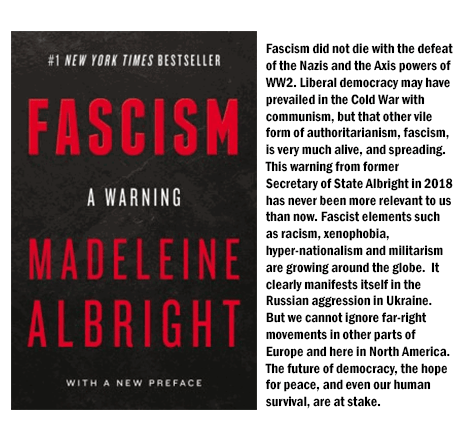
Madeleine Albright was born in 1937 in Prague ( in what is now Czechia). Her family fled from both the Nazis and the Communists. The family first left the country after the German invasion of Czechoslovakia, returned after the end of the Second World War, only to flee again, this time from the Communists in 1948. Albright was a brilliant student who would go on to earn her PhD from Columbia University. She then served in both academic and government positions, providing expertise as a foreign policy advisor. In 1993 she became U.S. Ambassador to the United Nations. In 1997 she became Secretary of State, the first female to be appointed to that prestigious position in the U.S. Cabinet.
Madeleine Albright leaves many legacies from her life of academics and public service, including the book Fascism: A Warning.
Black History Month comes to a conclusion today. However, the teaching and learning of Black History cannot be limited to the month of February. Black History Month is a time to celebrate the lives of people of African heritage who have built Canada, the U.S., and the world as we know it. It is also a time to focus on making sure that the history of the people of the African Diaspora is not lost in the “white-washing” that can happen when some groups tell the story of history, leaving out other groups.
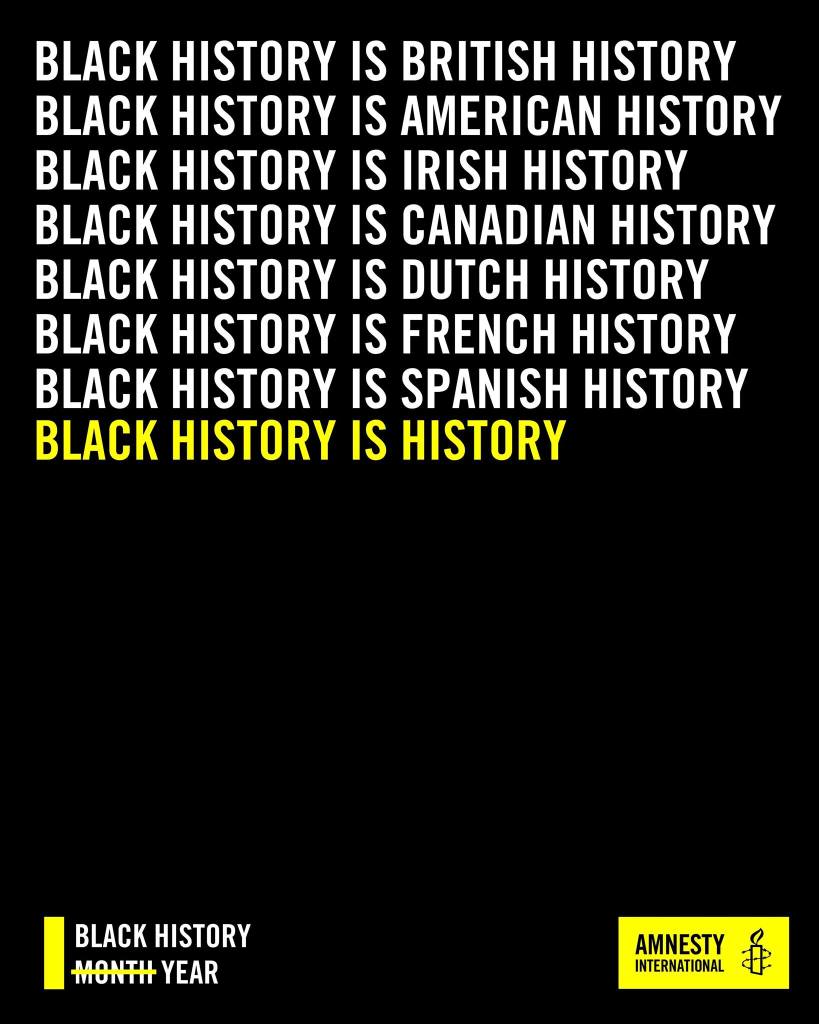
To some the very notion of Black History Month is controversial. Some very prominent people, such as the esteemed African-American actor Morgan Freeman, argue against having a Black History Month. “You’re going to relegate my history to a month?” Freeman asked. He has a point. Black History cannot be meaningfully limited to one month a year, nor can it be separated from American history, our Canadian history, or World history. Black History is History.
source: Amnesty International
For much too long, history has been taught only from the perspective of the dominant groups in society. In Canada that has meant that history was taught only as the story of men. Of whites, (mainly English and Scottish). Of the rich. Of the powerful.
We have taken great strides in identifying that such history is not only overwhelmingly incomplete, it is also profoundly unjust. Yet we still have much to do. Moreover, not only is that journey incomplete, in many places it is going the wrong way. The most obvious examples of this come from the United States, where a radical agenda of curriculum revision and book banning, all in the name of “patriotic education,” is in fact a naked attempt at denying the racist history of that nation, and the ways that racism is still alive in the institutions of today.
This suggests that Black History Month is still very relevant indeed.
On a person’s birthday we take the day to celebrate that person in a special way. Yet that does not mean we ignore them the other 364 days of the year. Let’s commit considering how that approach may apply to Black History Month.
Tell an adult that you trust, maybe your parents, a school counsellor or teacher. Often the best way to help is first to listen, and then to assist you in finding trained professionals to talk to.
February is Black History Month. Learn more about the history of British Columbia and the contributions of Black Canadians to our province. Visit the BC Black History Awareness Society to find out more!
source: BC Black History Awareness Society
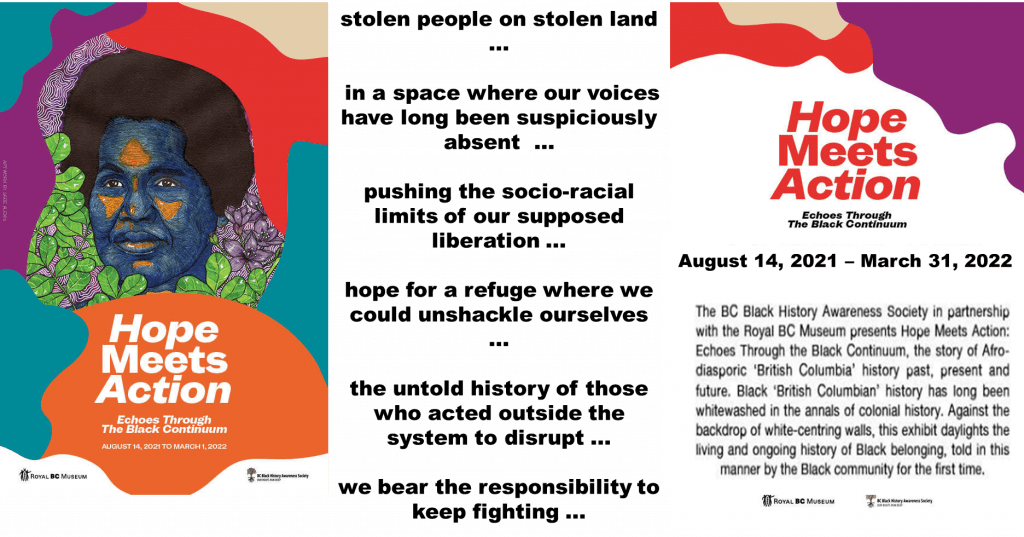
Hope Meets Action: Visit the Royal BC Museum to check out this exhibition from the BC Black History Awareness Society.
source: BC Black History Awareness Society
Find out more about how the BCBHAS is celebrating Black History Month, and learn more about the work they do throughout the year to educate all British Columbians.
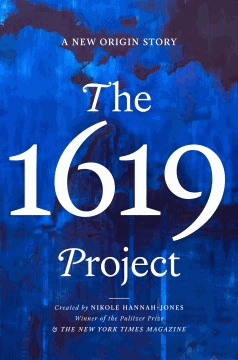
“The animating idea of The 1619 Project is that our national narrative is more accurately told if we begin not on July 4, 1776, but in late August of 1619, when a ship arrived in Jamestown bearing a cargo of twenty to thirty enslaved people from Africa. Their arrival inaugurated a barbaric and unprecedented system of chattel slavery that would last for the next 250 years. This is sometimes referred to as the country’s original sin, but it is more than that: It is the country’s very origin. The 1619 Project tells this new origin story, placing the consequences of slavery and the contributions of Black Americans at the center of the story we tell ourselves about who we are as a country. Orchestrated by the editors of The New York Times Magazine, led by MacArthur “genius” and Pulitzer Prize-winning journalist Nikole Hannah-Jones, this collection of essays and historical vignettes includes some of the most outstanding journalists, thinkers, and scholars of American history and culture-including Linda Villarosa, Jamelle Bouie, Jeneen Interlandi, Matthew Desmond, Wesley Morris, and Bryan Stevenson. Together, their work shows how the tendrils of 1619-of slavery and resistance to slavery-reach into every part of our contemporary culture, from voting, housing and healthcare, to the way we sing and dance, the way we tell stories, and the way we worship. Interstitial works of flash fiction and poetry bring the history to life through the imaginative interpretations of some of our greatest writers. The 1619 Project ultimately sends a very strong message: We must have a clear vision of this history if we are to understand our present dilemmas. Only by reckoning with this difficult history and trying as hard as we can to undersand its powerful influence on our present, can we prepare ourselves for a more just future” (source: TitlePeek)
Subtitled “One Community, Six Decades, 10 Stories,” this interactive site invites you on a virtual tour of this neighbourhood that was a hub for Black people in Vancouver through most of the 20th Century. You can also visit the area and do an interactive walking tour.
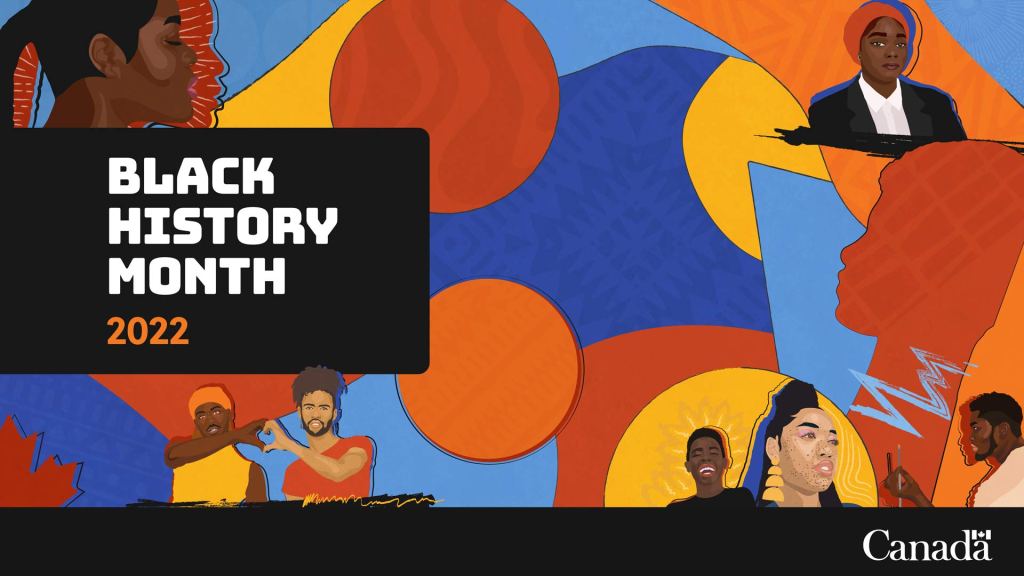
February is Black History Month. Join us in your School Library, in person, or online, and we celebrate and learn more about Black Canadians and other people of the African Diaspora. Remember, Black History is Canadian History. It is for all Canadians.
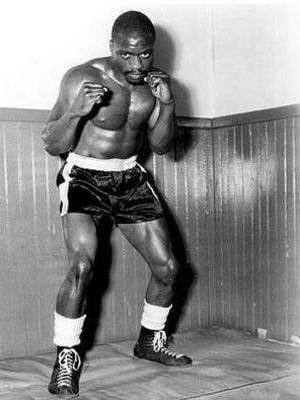
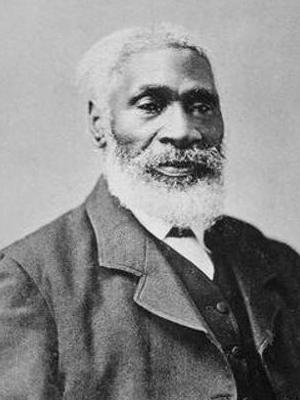
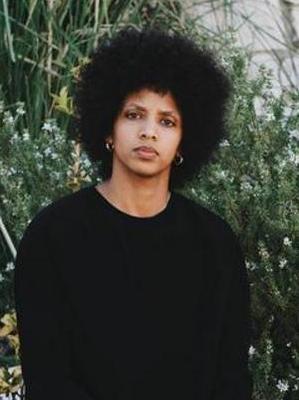
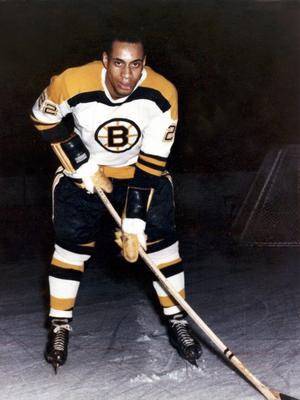
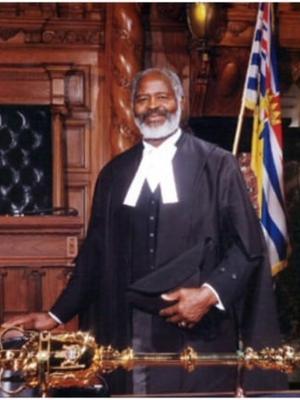
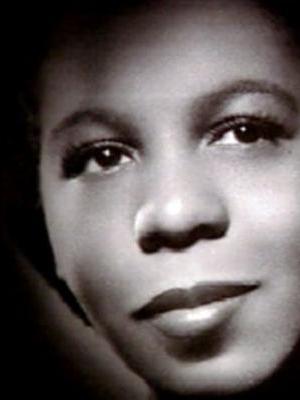
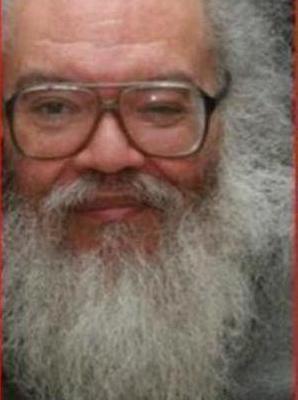
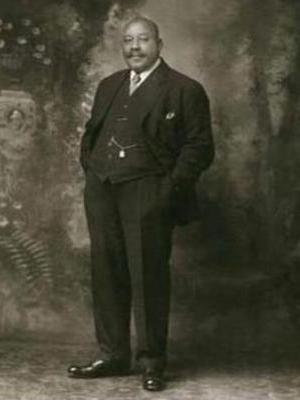
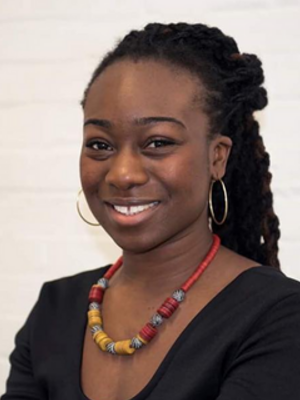
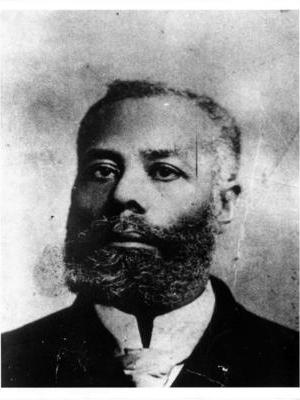
Read about these Canadians and and so much more as your School Library celebrates Black History Month. Come down to see what we have on display and on our shelves.

















 Lord Tweedsmuir Secondary School Library