Freedom to Read Week celebrates your freedom to read what you choose to read.
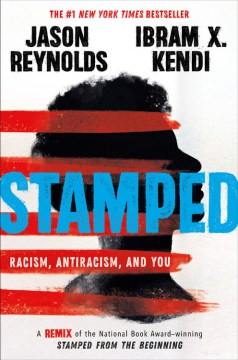
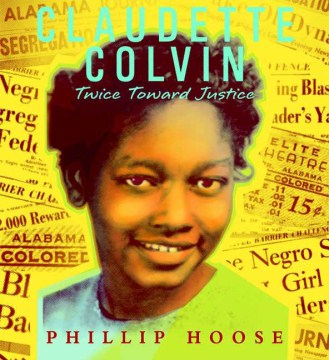
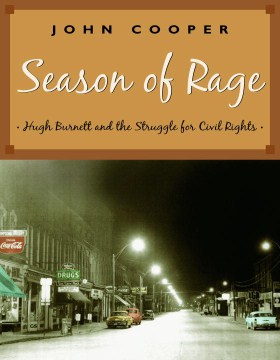
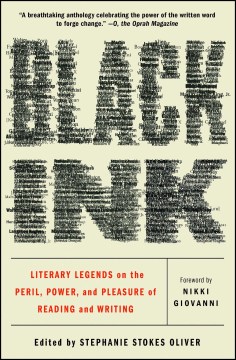
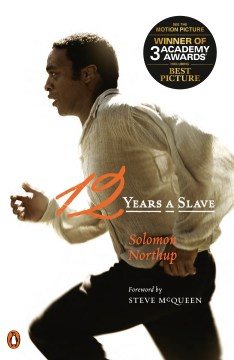
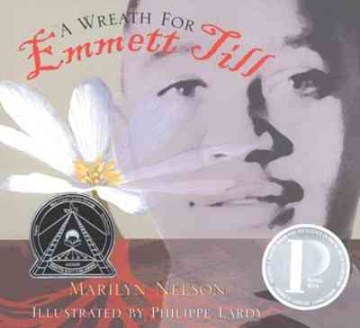
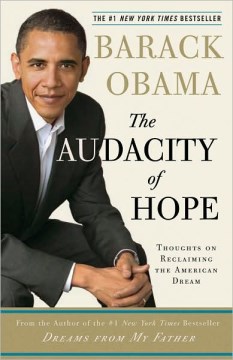
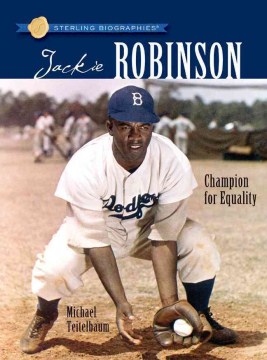
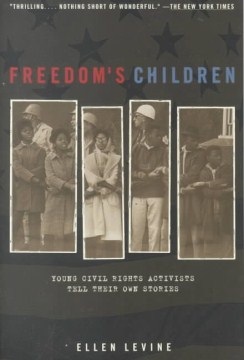
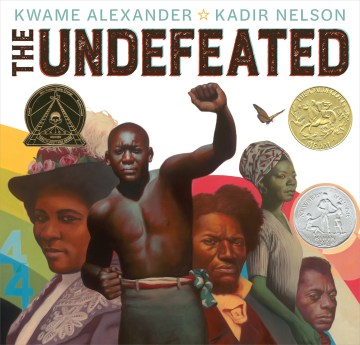
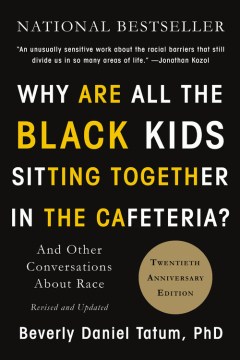
These books have all been challenged.
These books have been challenged in Canada
A challenge means that at some point in Canada, someone or some group has said that you shouldn’t be reading these books in school, or borrowing them from libraries, or in some cases, even buying them from stores.
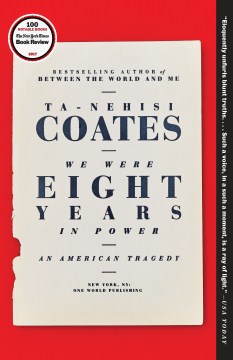
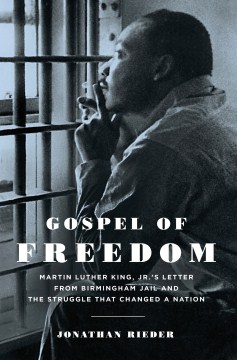
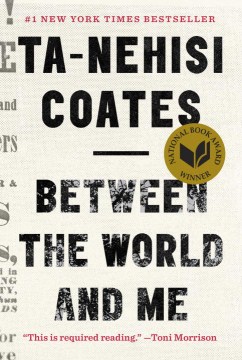
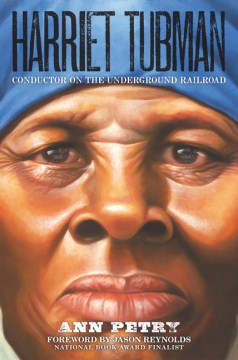
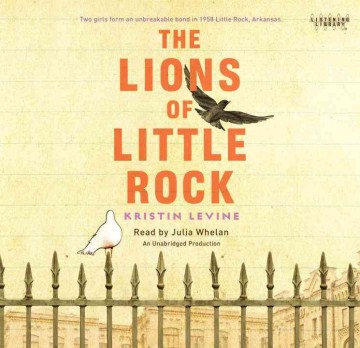
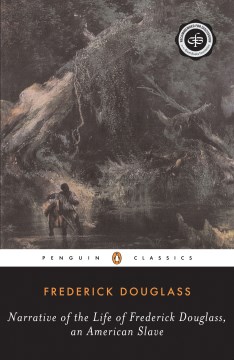
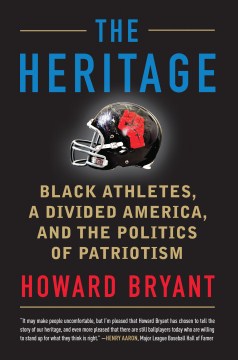
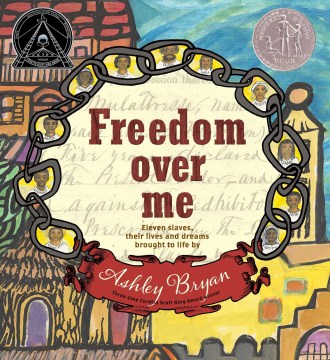
These books have all been challenged.
So have these books
Freedom to Read Week is a chance to celebrate your freedom to read what you choose to read. It is also a time to reflect on the ongoing battle to protect that freedom. What better way to celebrate Freedom to Read Week, and to exercise your rights and freedoms, than to read a book– maybe even one of these.
Find out more about books that have been challenged in Canada:
Your Freedom to Read is protected by Canada’s Charter of Rights and Freedoms. Your Freedom to Read is also in the Universal Declaration of Human Rights.
February 21 to 27 is Freedom to Read Week in Canada in 2021. Come down to the School Library to find out more. We have a display of books and other resources related to our freedom to read, our right to have access to information, and our responsibility to exercise those rights and freedoms as informed, free-thinking citizens.
Freedom to Read Week 2021
Along with our in person display of books, magazines, audiobooks, playaways and more, we will will also feature online resources, such as ebooks, digital audiobooks, online databases, and more, so be sure to check out our site, tweedsmuirlibrary.ca.
February 16, 2021 is Fat Tuesday, also known by such names as Shrove Tuesday, Pancake Day or Mardi Gras. Traditionally the Christian liturgical calendar includes Lent, a roughly 40 day period of fasting and other rituals in preparation for Easter. Lent begins Ash Wednesday and many observe lent by giving up certain foods or luxuries. The final day before Lent begins, people will enjoy a final night of indulgence, often with a feast of rich, fatty and sweet foods, such as pancakes– hence the various names for the day. In many places, especially traditionally Catholic areas, an extended festival takes place, often over many days or weeks. The most famous examples of this include Mardi Gras in New Orleans, and Carnival in Rio de Janeiro,
source: I (Potesara), CC BY-SA 2.5 via Wikimedia Commons
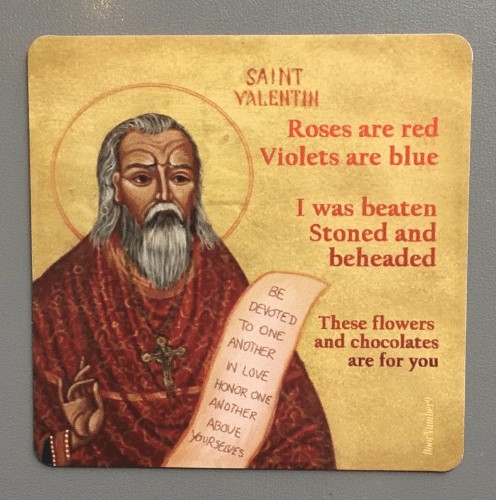
Although much about the historical Saint Valentine is sketchy and obscure, it is traditionally believed that in the 3rd Century, Valentine, a Christian priest, was arrested by forces of the Roman Emperor. He was martyred for his faith and his defiance of Empire. Happy Saint Valentine’s Day.
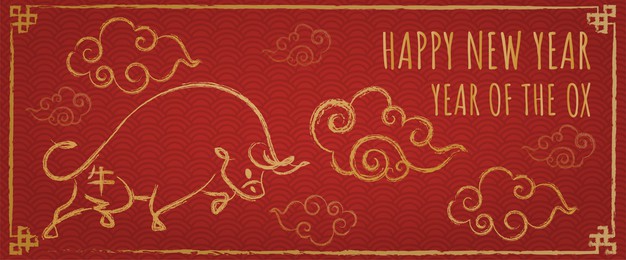
The Lunar New Year is observed on February 12, and multiday, even multiweek festivals begin around the world today. The celebrations around this event include many different local practices and are known by many names around the world, including the Spring Festival; the Lantern Festival; Tet (Vietnam); Seollal (Korea); Koshogatsu or “Little New Year” (Japan); Chinese New Year (mainly in North America). People in Canada, especially people of East Asian descent, will join with people around the world to celebrate new year and look forward to the Year of the Ox.
The lunar calendar, based on the cycles of the moon, does not match up with the solar calendar, based on the orbit of the earth around the sun. Therefore holidays based on the lunar calendar will change dates from year to year on the Gregorian Calendar, the solar calendar most commonly used by Canadians and people around the world for most scheduling related to business, politics and science, if not cultural and religious observances.
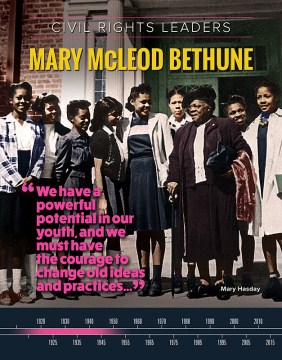
Come down to the School Library to check out our display for Black History Month. We have books and other library resources related to the history of black people in Canada, the USA and throughout the world of the “African Diaspora.”
In 2005 the United Nations designated January 27 as International Holocaust Remembrance Day. The term “Holocaust” refers to the period in history in which the Nazi regime of Germany murdered over 6 million Jews, as well as millions of other victims, including Roma, homosexuals, people with physical and mental disabilities, and more. The Nazi persecution of the Jews began in the early 1930’s and reached its most horrific and brutal peak during the period of 1941-1945, as the Nazis adopted as official policy the “Final Solution,” the attempt at completely annihilating the entire Jewish population.
Source: CC / Sienda
The Holocaust is not the only example of genocide in human history. What makes the Holocaust stand out amongst the long and plentiful list of human atrocities and evil? Germany was amongst the most powerful nations of the world and a leader in science, technology, medicine and engineering. The German contributions to art, music, literature and philosophy put German culture at the heart of what we would call Western Civilization. And yet this supposedly civilized people turned their great achievements and progress towards planning and carrying out ruthless genocidal murder with scientific and economic efficiency.
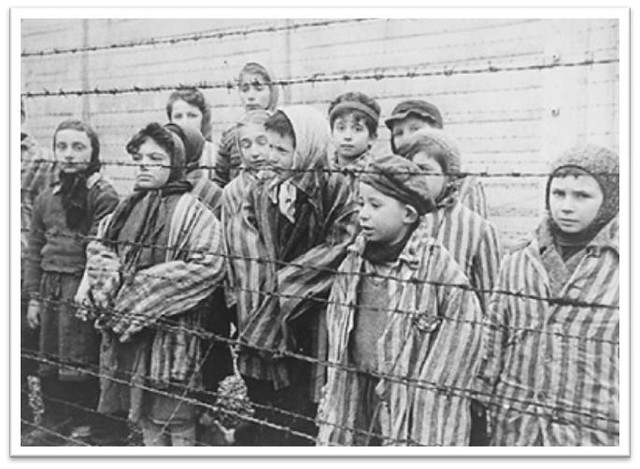
Children selected for extermination source: wikimedia commons / public domain
The date of January 27 was chosen for this solemn observance as the death camp of Auschwitz-Birkenau was liberated on January 27, 1945.
Auschwitz Death Camp source: Diego Delso, Wikimedia Commons, License CC-BY-SA 3.0
For many Canadians and for millions of people around the world, Christmas is a secular holiday. It is not a religious holy day, rather it is a cultural event based on things such as family, gift giving and charity. For many Christmas is focused on children and the central figure is Santa.
Yet for many millions of of other people in Canada and around the world, Christmas Eve is a deeply significant night of the year in spiritual terms. Christmas emerged as the Christian celebration of the birth of Jesus. Whether in churches or other places of worship, or at home, or in other locations, Christians gather together celebrate the Nativity, the birth of Jesus.
Check out some of these books from our display, “Holidays and Holy Days.”
With heart warming traditions such as the “Airing of Grievances” and “Feats of Strength,” Festivus is a holiday which owes its popularity to the sitcom “Seinfeld.”
What was once fictional has become a real holiday for many people, celebrated every year on December 23.
The Holiday Reading Mobile Library Cart is making its way around the school. Be sure to take advantage and grab a book or two for your Christmas Holiday reading.
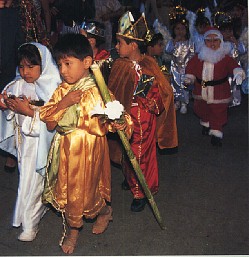
This 9 day festival is central to Navidad (Christmas) celebrations in Mexico. This is a neighbourhood festival that commemorates the journey of Mary and Joseph, who could not find posadas, (Spanish for “lodging”) before the birth of Jesus. A procession, including people dressed as Angels, Saints and the Holy Family, marches through the neighbourhood, knocking on doors looking for a place to stay. Like Mary and Joseph, they are refused, until finally the parade ends at one home where they are welcomed in. Feasting ensues, including a pinata for the children.















































































































































 Lord Tweedsmuir Secondary School Library