International Women’s Day

March 8 is International Women’s Day.  Women continue to struggle for equality in Canada and around the world. In Canada over the past century we have made significant progress towards improving the status of women, particularly in terms of the law and government. However, Canadian women still struggle for equality of pay and opportunity.  Canadian women still face discrimination and sexism. Worse, Canadian women are still subject to high levels of violence– worse still, violence carried out by men they know and perhaps even love.

Around the world, the situation is even worse.  In many societies women face worse levels of sexism and violence, often with no protection of any sort from the law. In fact, in some places the government endorses, or even carries out the oppression of women.

This is unacceptable.  International Women’s Day is not just for women. It is for all of us.  Together, men and women must continue to fight for human rights to be guaranteed to all people.

For more on International Women’s Day

InternationalWomen’sDay.com

International Women’s Day 2014: The shocking statistics that show why it is still so important

United Nations: International Women’s Day

World Read Aloud Day

One of the greatest gifts parents can give to their kids is reading aloud to them.  When parents read aloud to their kids, they are helping them grow as literate people.  Not only does it help children learn to read,  more importantly it helps children learn to love reading. When Mom and Dad read aloud to them, they learn that the adults they care about value reading. This is especially important for boys to see from their Fathers.

Reading aloud shouldn’t be limited to children in the primary grades and younger. Keep reading aloud to your kids for as long as they live at home! Make it a family activity.  When they are fluent enough readers, let them take turns reading aloud. High school kids, ask your parents and teachers to read aloud. 

Teachers need to remember this too.  Many teachers, even in high school, still take opportunities to read aloud to their students.  It can be an incredibly powerful experience for people of all ages.
 

“World Read Aloud Day is an awareness day advocating for literacy as a right that belongs to all people, celebrated around the world annually on the first Wednesday in March. Worldwide at least 793 million people remain illiterate. Two-thirds of them are women. LitWorld is changing that.Every year on the first Wednesday of March, World Read Aloud Day calls global attention to the importance of reading aloud and sharing stories. WRAD motivates children, teens, and adults worldwide to celebrate the power of words and creates a community of readers taking action to show the world that the right to literacy belongs to all people. By raising our voices together on this day we show the world’s children that we support their future: that they have the right to read, to write, and to share their stories. Read Aloud. Change the World.” (Source: litworld.org)

Mardi Gras

Mardi Gras is “Fat Tuesday.” On the traditional Christian calendar, Ash Wednesday begins the season of Lent, a time where many people will prepare for Easter by observing 40 days of fasting or other forms of self-denial. The last day before Lent became a day of feasting, celebration, and one last chance at indulgence, hence “Fat Tuesday.” In many places in the world, Mardi Gras has grown beyond a one day feast into an extended season of celebrations and massive parties. New Orleans has a world-famous Mardi Gras, while in Brazil, “Carnival” is even bigger and wilder. In fact, for many, Mardi Gras and Carnival are synonymous with hedonistic debauchery that is in stark contrast to the penitent sacrifice of Lent.

By Hao Luo , GFDL 1.2 via Wikimedia Commons

Freedom to Read Week

What is the biggest threat to our “Freedom to Read?”  Is it censorship? Or is it something else?  Perhaps it is apathy. Do we care enough about our rights and freedoms to do enough to protect them?  Or perhaps it is simply the fact that not enough of us spend enough time reading. 

Creative Commons Attribution-ShareAlike 2.0 Generic (CC BY-SA 2.0)
Some rights reserved by ecodallaluna

“The man who does not read has no advantage over the man who cannot read.”  While this quote probably didn’t originate from Mark Twain, despite popular attribution to the brilliant writer, the sentiment is still worthwhile. We can teach our kids to read, but if they choose not to read, what then?  We need to protect our “Freedom to Read.”  It is vital to democracy.  Yet the forces that would seek to erode our freedoms need not concern themselves very greatly if we simply fail to take advantage of our freedoms.

Freedom to Read Week

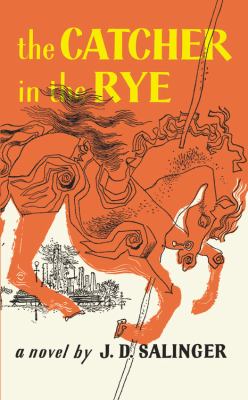
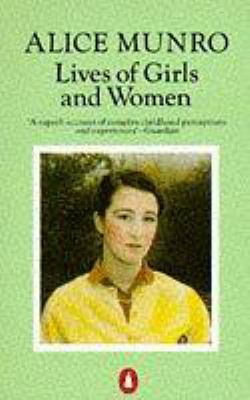
What do the following titles have in common?

harry mock rye tale bibl orig


munroAll of these are titles which have been challenged.  Somewhere in Canada in the past 30 years, individuals or groups have tried to have these books removed from schools, libraries and bookstores.  The list of challenged authors includes Alice Munro, the 2013 Nobel Laureate for Literature.

Freedom to Read Week

From freedomtoread.ca:

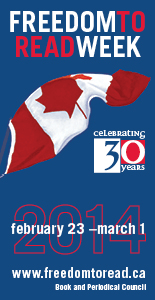
FTRW-2014-banner-ENGLISH155x300The Book and Periodical Council and its Freedom of Expression Committee are delighted to announce the 30th anniversary of Freedom to Read Week. A national celebration of freedom of expression that takes place in libraries, schools and arts venues across Canada, this year’s program runs from February 23 to March 1, 2014.

Incorporating public readings and panel discussions, challenged book and magazine displays and a kit for librarians and educators, Freedom to Read Week encourages Canadians to express their views about censorship and the right to free speech and opinion.

For the rest of this article, click here.

Flag Day

Animated-Flag-CanadaFebruary 15 is Flag Day in Canada. On this day we celebrate the establishment of our red and white Maple Leaf flag in 1965.  For most of Canada’s history, the Union Flag of the United Kingdom, the “Union Jack,” was official flag of our country, reflecting our status as a colony in the British Empire.  After Confederation Canada would fly the “Red Ensign” with the Union Jack in the corner, as Canada began to assert its unique status as a Dominion within the Empire. The government sought to establish a new flag in the 1960′ to more fully reflect our independence and standing in the world.  Many designs were considered. Ultimately the red Maple Leaf on the white and red flag won the day and is now amongst the most recognizable symbols in the world. For more on Flag Day:

The Day We Fight Back

Millions of people around the world are lending their voices to protest mass surveillance and the infringement on our rights to privacy and freedom.  Check out the following links to learn more:

thedaywefightback.org

The Day We Fight Back: What You Need to Know (PC Magazine)

Electronic Frontier Foundation

Democracy Now

source: thedaywefightback.org