12 Compelling Reasons to Read More Books: Reason #5

You will have things to talk about at parties.

Reading more books will enable you to say the sentence, “Did you know ________?” more often, making it easier to start conversations with strangers (or, as I like to say, “People who aren’t my friends yet”).

source: Lifehack.org.  Read the entire article by Daniel Warren.
source: CC-BY-3.0 via Wikimedia Commons

12 Compelling Reasons to Read More Books: Reason #4

You will improve your vocabulary.

The more words you’re capable of using, the better you will become at expressing your thoughts and feelings. I couldn’t imagine how I would write articles like this if I didn’t actively aim to expand my vocabulary, because using the same few words to express myself would get awfully boring in a hurry (don’t you agree?).

source: Lifehack.org.  Read the entire article by Daniel Warren.

old-man-190673_640

12 Compelling Reasons to Read More Books: Reason #3

You will immerse yourself in a new world.

Sometimes our daily life can start to feel dull, dry or depressing — I know it, you know it, we all know it. At times like this, I like to dive into a good fiction book for a much-needed escape into another world, where I can forget about whatever problems are stressing me out. Whether you want to travel to the land of the Hobbits, a galaxy far away or a tropical destination in a steamy romance novel is up to you. You’ll come back refreshed after your mini-vacation to a fresh and exciting place in the world of words.

A Hobbit Hole
A Hobbit Hole (source: wikimedia commons)
source: Lifehack.org.  Read the entire article by Daniel Warren.


12 Compelling Reasons to Read More Books: Reason #2

12 Compelling Reasons to Read More Books: Reason #2

You will increase your odds of success.

The more books you read, the more knowledge you will have, the more strategies and resources your brain will store, the more likely you will succeed.

source: Lifehack.org.  Read the entire article by Daniel Warren.
Lao girls reading
source: Blue Plover (Own work) [CC-BY-3.0 via Wikimedia Commons

12 Compelling Reasons to Read More Books: Reason #1

12 Compelling Reasons to Read More Books

Reason #1

1. You will optimize your brain power.

This shouldn’t come as a shock, but studies suggest reading makes you smart. Unlike watching television, which requires no thought process, reading is an active learning experience that will keep your mind sharp (even in old age).

source: Lifehack.org.  Read the entire article by Daniel Warren.
source: wikimedia commons


World Read Aloud Day

One of the greatest gifts parents can give to their kids is reading aloud to them.  When parents read aloud to their kids, they are helping them grow as literate people.  Not only does it help children learn to read,  more importantly it helps children learn to love reading. When Mom and Dad read aloud to them, they learn that the adults they care about value reading. This is especially important for boys to see from their Fathers.

Reading aloud shouldn’t be limited to children in the primary grades and younger. Keep reading aloud to your kids for as long as they live at home! Make it a family activity.  When they are fluent enough readers, let them take turns reading aloud. High school kids, ask your parents and teachers to read aloud. 

Teachers need to remember this too.  Many teachers, even in high school, still take opportunities to read aloud to their students.  It can be an incredibly powerful experience for people of all ages.
 

“World Read Aloud Day is an awareness day advocating for literacy as a right that belongs to all people, celebrated around the world annually on the first Wednesday in March. Worldwide at least 793 million people remain illiterate. Two-thirds of them are women. LitWorld is changing that.Every year on the first Wednesday of March, World Read Aloud Day calls global attention to the importance of reading aloud and sharing stories. WRAD motivates children, teens, and adults worldwide to celebrate the power of words and creates a community of readers taking action to show the world that the right to literacy belongs to all people. By raising our voices together on this day we show the world’s children that we support their future: that they have the right to read, to write, and to share their stories. Read Aloud. Change the World.” (Source: litworld.org)

Freedom to Read Week

What is the biggest threat to our “Freedom to Read?”  Is it censorship? Or is it something else?  Perhaps it is apathy. Do we care enough about our rights and freedoms to do enough to protect them?  Or perhaps it is simply the fact that not enough of us spend enough time reading. 

Creative Commons Attribution-ShareAlike 2.0 Generic (CC BY-SA 2.0)
Some rights reserved by ecodallaluna

“The man who does not read has no advantage over the man who cannot read.”  While this quote probably didn’t originate from Mark Twain, despite popular attribution to the brilliant writer, the sentiment is still worthwhile. We can teach our kids to read, but if they choose not to read, what then?  We need to protect our “Freedom to Read.”  It is vital to democracy.  Yet the forces that would seek to erode our freedoms need not concern themselves very greatly if we simply fail to take advantage of our freedoms.

Freedom to Read Week

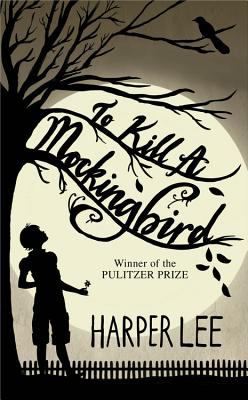
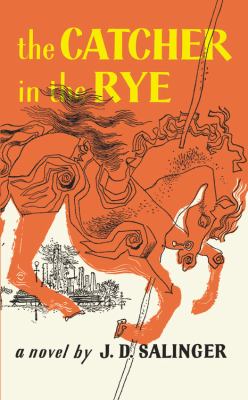
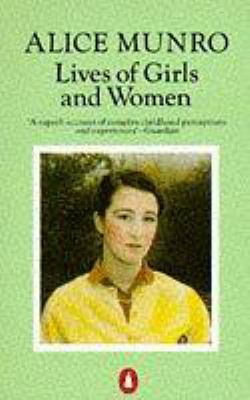
What do the following titles have in common?

harry mock rye tale bibl orig


munroAll of these are titles which have been challenged.  Somewhere in Canada in the past 30 years, individuals or groups have tried to have these books removed from schools, libraries and bookstores.  The list of challenged authors includes Alice Munro, the 2013 Nobel Laureate for Literature.

Freedom to Read Week

From freedomtoread.ca:

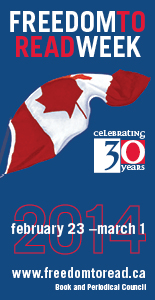
FTRW-2014-banner-ENGLISH155x300The Book and Periodical Council and its Freedom of Expression Committee are delighted to announce the 30th anniversary of Freedom to Read Week. A national celebration of freedom of expression that takes place in libraries, schools and arts venues across Canada, this year’s program runs from February 23 to March 1, 2014.

Incorporating public readings and panel discussions, challenged book and magazine displays and a kit for librarians and educators, Freedom to Read Week encourages Canadians to express their views about censorship and the right to free speech and opinion.

For the rest of this article, click here.