
Freedom to Read Week in Canada in 2017 is February 26 to March 4
Find out more. Visit freedomtoread.ca
Freedom to Read Week in Canada in 2017 is February 26 to March 4
Find out more. Visit freedomtoread.ca
This inspiring Freedom to Read Week video was made by Julia and Danika from the Calgary Science School, who won the Calgary Public Library Teen Freedom to Read Week Video contest. (source: freedomtoread.ca)
What do the following titles have in common?

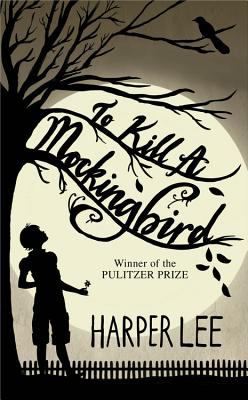
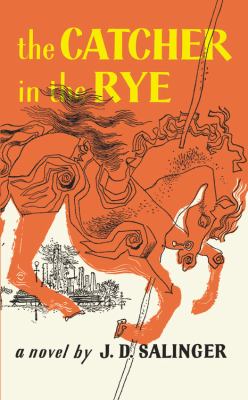


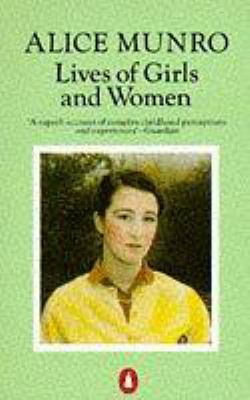 All of these are titles which have been challenged. Somewhere in Canada in the past 30 years, individuals or groups have tried to have these books removed from schools, libraries and bookstores. The list of challenged authors includes Canadian Alice Munro, the 2013 Nobel Laureate for Literature.
February 22-28 is Freedom to Read Week.
Celebrate and protect your freedom to read,
and stand up for intellectual freedom in all its forms.
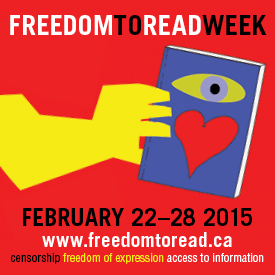
Go to freedomtoread.ca for more information.
What is the biggest threat to our “Freedom to Read?” Is it censorship? Or is it something else? Perhaps it is apathy. Do we care enough about our rights and freedoms to do enough to protect them? Or perhaps it is simply the fact that not enough of us spend enough time reading.
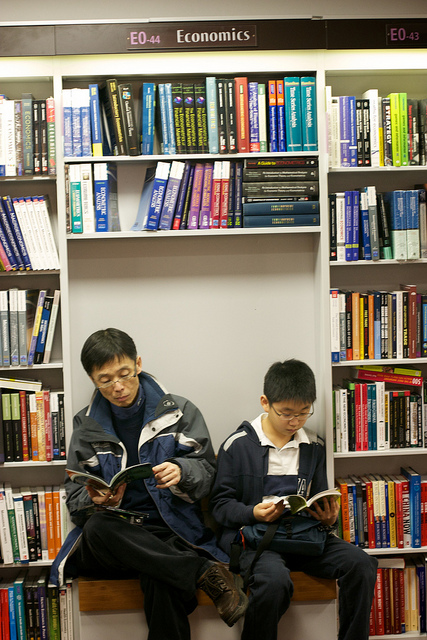
“The man who does not read has no advantage over the man who cannot read.” While this quote probably didn’t originate from Mark Twain, despite popular attribution to the brilliant writer, the sentiment is still worthwhile. We can teach our kids to read, but if they choose not to read, what then? We need to protect our “Freedom to Read.” It is vital to democracy. Yet the forces that would seek to erode our freedoms need not concern themselves very greatly if we simply fail to take advantage of our freedoms.
What do the following titles have in common?
All of these are titles which have been challenged. Somewhere in Canada in the past 30 years, individuals or groups have tried to have these books removed from schools, libraries and bookstores. The list of challenged authors includes Alice Munro, the 2013 Nobel Laureate for Literature.
This is the 30th year of Freedom to Read Week in Canada. Check out thirty years of posters. Go to freedomtoread.ca

This inspiring Freedom to Read Week video was made by Julia and Danika from the Calgary Science School, who won the Calgary Public Library Teen Freedom to Read Week Video contest. (source: freedomtoread.ca)
From freedomtoread.ca:
The Book and Periodical Council and its Freedom of Expression Committee are delighted to announce the 30th anniversary of Freedom to Read Week. A national celebration of freedom of expression that takes place in libraries, schools and arts venues across Canada, this year’s program runs from February 23 to March 1, 2014.
Incorporating public readings and panel discussions, challenged book and magazine displays and a kit for librarians and educators, Freedom to Read Week encourages Canadians to express their views about censorship and the right to free speech and opinion.
February 23 to March 1st is Freedom to Read Week. Celebrate and protect your freedom to read, and stand up for intellectual freedom in all its forms.
Go to freedomtoread.ca for more information.
 Lord Tweedsmuir Secondary School Library