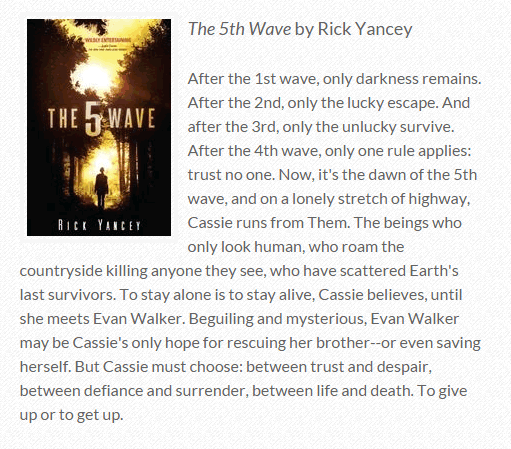
The 5th Wave is one of the books nominated for the Surrey Teens Read Book of the Year competition. Check out the other titles here at your school library. Find out more about Surrey Teens Read at surreyteensread.weebly.com
The 5th Wave is one of the books nominated for the Surrey Teens Read Book of the Year competition. Check out the other titles here at your school library. Find out more about Surrey Teens Read at surreyteensread.weebly.com
Join in with students from all over the district in reading, discussing and voting on the best novels of the year. Go to Surrey Teens Read to find out more. Come down to the school library as we have multiple copies of all this year’s nominated books!
 Let us know what you want to read. Go to our request page and tell us. We want to do what we can to get good books into your hands.
 I read Feed over the break. It was a quick and easy read, but I am still digesting it. It is a thought-provoking and profound novel, written for Young Adults but definitely worth a read by “Old Adults” too. How much does our constant stated of “connectedness” really help us? How much does it hurt us? Read Feed, by M.T. Anderson, and you will want to think about those questions.
How was your Spring Break? Go anywhere? Do anything special? Most importantly, did you read any good books? Let us know! Share in the comments below.
This is the 30th year of Freedom to Read Week in Canada. Check out thirty years of posters. Go to freedomtoread.ca

This inspiring Freedom to Read Week video was made by Julia and Danika from the Calgary Science School, who won the Calgary Public Library Teen Freedom to Read Week Video contest. (source: freedomtoread.ca)
From freedomtoread.ca:
The Book and Periodical Council and its Freedom of Expression Committee are delighted to announce the 30th anniversary of Freedom to Read Week. A national celebration of freedom of expression that takes place in libraries, schools and arts venues across Canada, this year’s program runs from February 23 to March 1, 2014.
Incorporating public readings and panel discussions, challenged book and magazine displays and a kit for librarians and educators, Freedom to Read Week encourages Canadians to express their views about censorship and the right to free speech and opinion.
February 23 to March 1st is Freedom to Read Week. Celebrate and protect your freedom to read, and stand up for intellectual freedom in all its forms.

Go to freedomtoread.ca for more information.
Check out the new eLibrary offered by Surrey Schools. The collection has over a 1000 titles and will continue to grow. To use the service from home, you will need a username and password: Visit us at the school library and we will give it to you!
In the meantime, you can browse the eLibrary. Simply visit our online catalog and click on the “FolletShelf” icon. Or search for FolletShelf through surreyschools.ca.

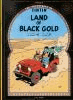
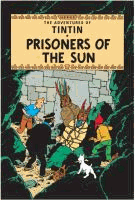
 Belgian author Herge first wrote about Tintin in 1929. Originally written in French, The Adventures of Tintin would be published in many languages and feature in books, newspapers, film and more. Check out our display of Tintin books, both in English and French.
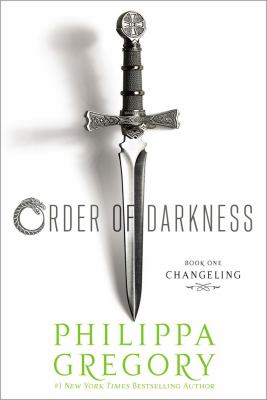 Acclaimed historical fiction author Philippa Gregory was born on this day in 1954. Changeling is Book One of a new young adult series, Order of Darkness, that combines historical fiction and fantasy.

 Lord Tweedsmuir Secondary School Library